
The 30th Annual United Nations Climate Change Conference, known as COP30, concluded its two-week session in Belém, Brazil, leaving a complex legacy of high-level subnational ambition contrasted against a stalemate in formal international negotiations. Held from November 11 to 28 at the "gateway to the Amazon," the summit drew approximately 60,000 participants from nearly 200 nations. While the gathering served as a critical platform for Indigenous voices and subnational leaders, the final negotiated outcomes faced significant criticism for failing to explicitly address the primary driver of global warming: fossil fuels. The conference highlighted a growing schism between the urgent scientific requirements for a 1.5°C pathway and the geopolitical realities of energy production and economic transition.
The Strategic Significance of Belém and the Amazonian Context
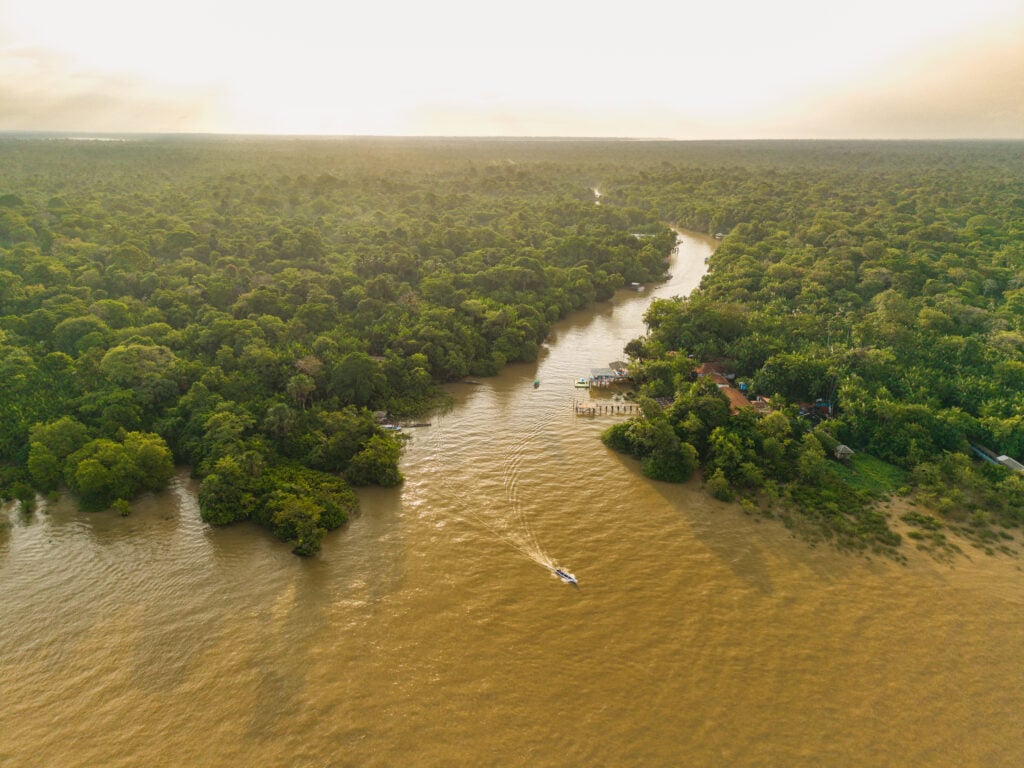
Choosing Belém as the host city was a deliberate move by the Brazilian government to center the Amazon rainforest—the world’s largest carbon sink—in global climate discourse. The Amazon plays a vital role in regulating the Earth’s hydrological cycles and sequestering carbon dioxide, yet it faces an ecological tipping point due to deforestation and rising temperatures. According to recent scientific data, a 1.5°C increase in global temperatures could lead to the loss of up to 50% of the Amazon’s current biomass, transforming it from a carbon sink into a carbon source.
The summit was characterized by the "Blue Zone," the UN-managed area where formal negotiations took place. This space functioned as a global climate fair, featuring pavilions from nearly 200 nations, non-governmental organizations (NGOs), and scientific coalitions. Outside the official negotiations, the People’s Climate Summit and the Green Zone provided venues for civil society and the private sector to showcase innovation. However, the proximity of the summit to new exploratory oil drilling projects initiated by the Brazilian government just prior to the event underscored the inherent contradictions facing even the most environmentally vocal host nations.
Chronology of COP30: From Rio to the Final Gavel
The momentum for COP30 began prior to the official start date with the Local Leaders Forum held in Rio de Janeiro. This pre-summit gathering focused on the role of municipal and state governments in executing climate policy, a theme that would prove critical throughout the main event in Belém.
During the first week of the conference, subnational actors took center stage. California Governor Gavin Newsom emerged as a prominent figure, bypassing federal-level gridlock to sign bilateral methane reduction agreements with Colombia and electric vehicle (EV) expansion pacts with Nigeria. These actions were mirrored by the "America’s All In" coalition and the U.S. Climate Alliance, which represent a significant portion of the U.S. economy and total emissions.
The second week shifted focus to the arduous task of drafting the final negotiated text. While more than 80 nations advocated for a clear roadmap to phase out fossil fuels, the final document omitted the term entirely. This omission was largely attributed to intense lobbying from petrostates and fossil fuel interest groups. Despite this setback, the conference secured meaningful agreements on methane emissions and reaffirmed the importance of the "Nature-Based Solutions" framework, particularly regarding the protection of tropical forests.
The U.S. Presence: A Shift Toward Subnational Diplomacy
A defining characteristic of COP30 was the absence of an official federal-level negotiating delegation from the United States. Following the transition in the U.S. administration, the federal government declined to send a formal team, a move that many veteran diplomats claimed hampered the ability of the international community to reach a consensus on high-stakes finance and mitigation deals. Historically, U.S. negotiators have played a "broker" role, facilitating compromises between developing nations and the European Union.
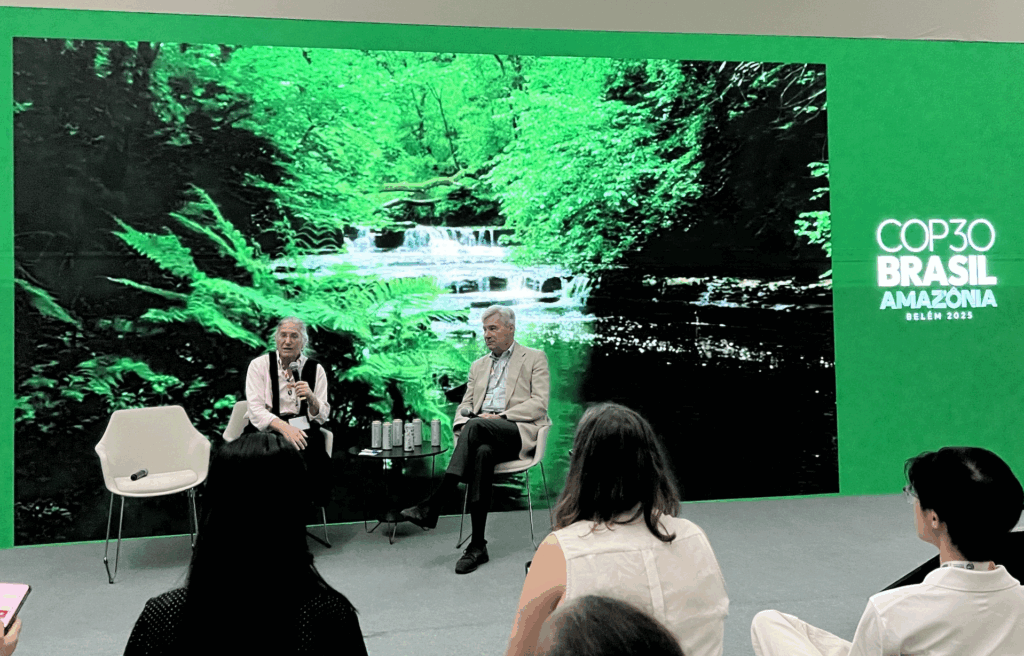
In the absence of a federal presence, the "Outdoor State" and local leaders stepped into the vacuum. Senator Sheldon Whitehouse of Rhode Island was the sole member of the U.S. Congress in attendance. During a meeting with academic delegations and students from Colorado State University, Whitehouse emphasized that the partisan divide on climate in the U.S. is an "artificial state" sustained by fossil fuel industry spending. He argued that the pathway to climate safety remains blocked as long as the industry is permitted to "pollute for free." This sentiment was echoed by the RINGO (Research and Independent Non-Governmental Organizations) community, which maintained that subnational leadership is essential but cannot fully replace the systemic impact of federal policy.

Indigenous Leadership and the Reality of Representation
COP30 saw a record-breaking 900 Indigenous delegates in the Blue Zone, a significant increase from the 300 present at COP29. This surge in participation was intended to elevate the voices of those on the frontlines of climate change. Indigenous leaders organized powerful demonstrations, including a breach of security early in the week to demand land rights and the direct inclusion of Indigenous territories in National Climate Targets (NDCs).
However, many participants noted that presence does not equate to power. Analysis of the delegate list revealed that there were more than twice as many fossil fuel lobbyists in the Blue Zone as there were Indigenous representatives. Furthermore, structural inequities persisted; many Indigenous fellows faced insurmountable barriers to participation, including restrictive visa requirements and a lack of translation services for languages other than English and Spanish. For instance, participants from the Peruvian Andes noted that many high-level discussions remained inaccessible to Quechua speakers, highlighting a persistent gap in the "equitable" climate space.
Scientific Imperatives and the 1.5°C Threshold
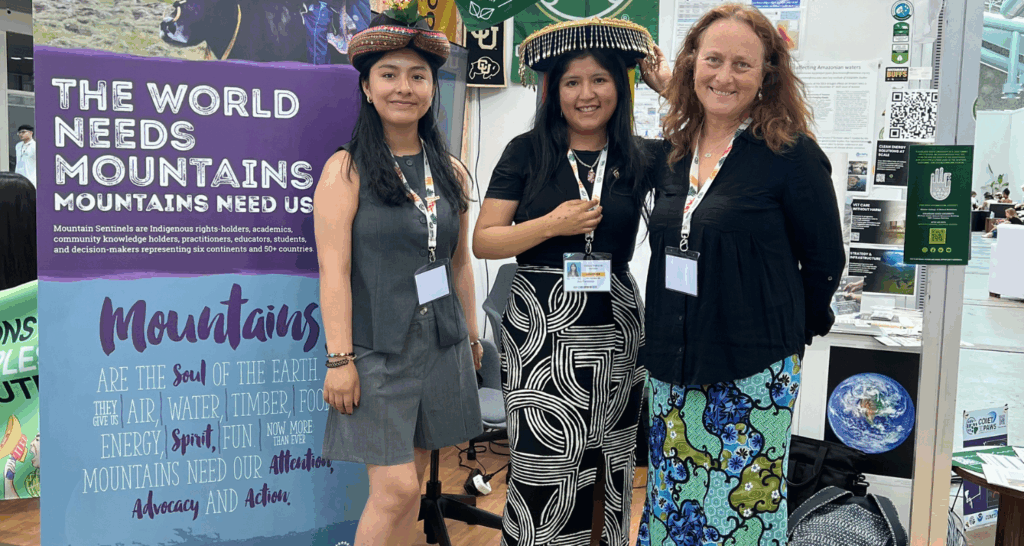
The scientific community at COP30, led by groups like the POW Science Alliance and the Mountain Sentinels Alliance, presented data emphasizing the narrowing window for action. To limit global warming to 1.5°C by 2035—a primary goal of the Paris Agreement—global greenhouse gas emissions must be reduced by 55% from current levels.
The conference highlighted the specific vulnerability of mountain ecosystems. For 30 years, researchers have documented the receding glaciers in the Andes and the Himalayas, which serve as "water towers" for billions of people. The lack of a fossil fuel phase-out commitment in the final COP30 text was described by academic observers as "scientifically incongruent" with the observed impacts of warming in these regions. The "Climate Mobility Hub" at the summit further acknowledged the reality of loss and damage, showcasing data on climate-induced migration that is already occurring due to sea-level rise and agricultural failure.
Legal Frontiers: The Role of Climate Litigation
A significant side narrative at COP30 involved the intersection of climate science and international law. A documentary film team followed Saúl Luciano Lliuya, a Peruvian farmer whose landmark lawsuit against the German energy giant RWE has become a cornerstone of global climate litigation. Lliuya’s case argues that major emitters bear a legal responsibility for the melting glaciers that threaten his home in Huaraz, Peru.
Lliuya participated in various actions at the summit, including a Greenpeace-led interactive exhibit on climate damage. His presence served as a reminder that where diplomacy fails, the courts may provide an alternative avenue for accountability. Legal experts at the conference suggested that the failure of COP30 to produce a strong fossil fuel statement might accelerate the trend of "strategic litigation" against both governments and private corporations.
Broader Impact and the Path Toward 2035
While the formal negotiations at COP30 were widely viewed as a missed opportunity to cement the end of the fossil fuel era, the summit succeeded in other dimensions. The cross-cultural knowledge sharing among researchers, students, and negotiators fostered new alliances that transcend traditional diplomatic channels. For example, members of the Colorado State University delegation established ongoing collaborative frameworks with negotiators from Kazakhstan to address mountain-specific agendas within the UNFCCC process.
The "win" for COP30 lies in the mobilization of civil society and the demonstration of subnational resilience. The methane agreements and EV expansion deals represent tangible, albeit incremental, progress. However, the overarching takeaway from Belém is one of urgency. As one senior negotiator remarked to a group of university students, the global effort now requires "everyone, everywhere, all at once."
The implications of COP30 will be felt most acutely in the upcoming cycle of National Climate Targets. Without a clear international mandate to transition away from fossil fuels, the burden of leadership shifts to individual nations, states, and the private sector. For the Amazon and the mountain communities represented in Belém, the stakes remain existential, and the gap between diplomatic rhetoric and atmospheric reality remains the most significant hurdle in the global climate response.

