
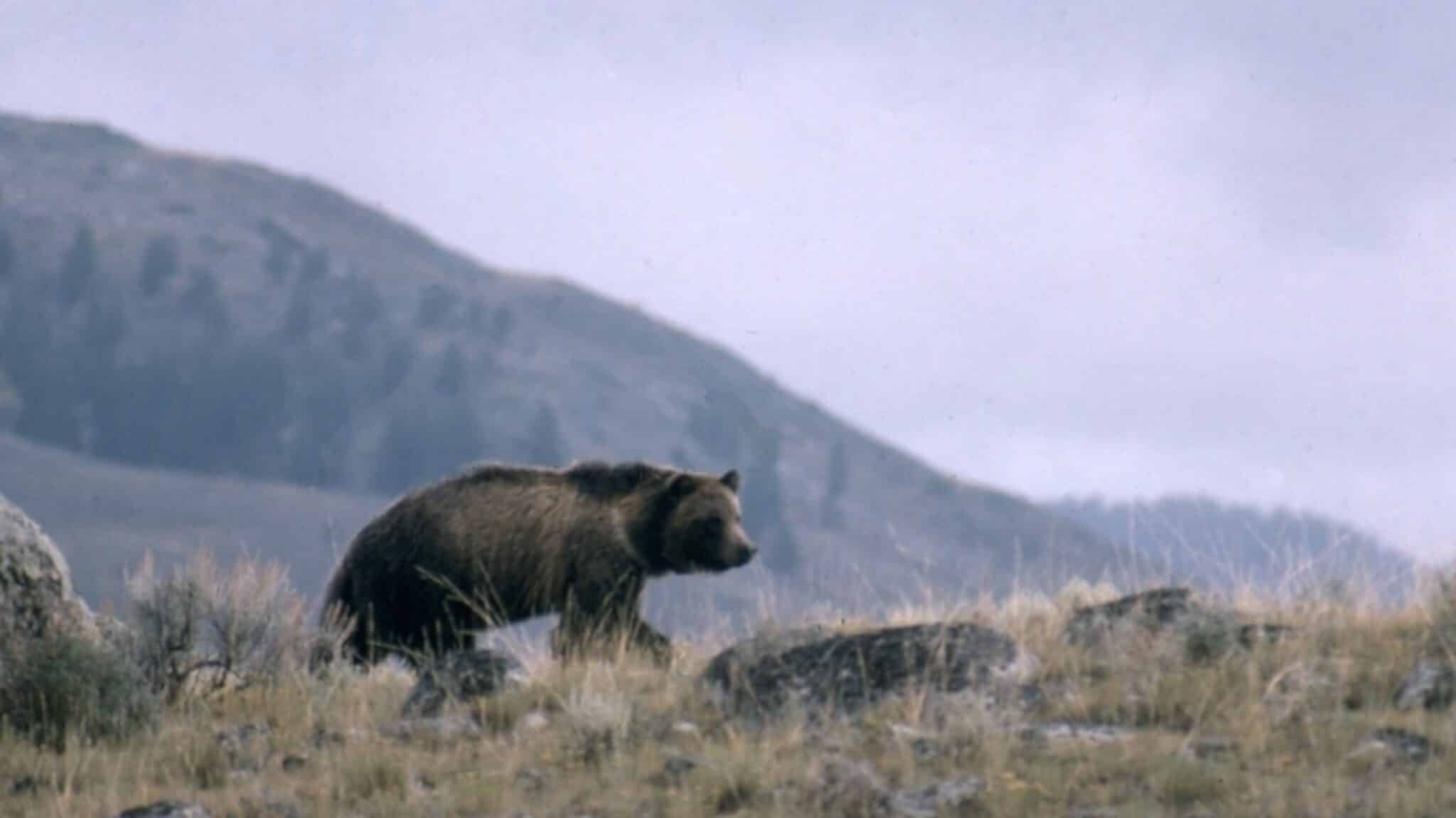
Spring has officially sprung in Grand Teton National Park, a welcome signal that winter’s icy grip is loosening and life is stirring anew in the majestic Wyoming landscape. However, this awakening heralds not only the vibrant return of flora but also the emergence of the park’s formidable ursine inhabitants from their dens. Grizzly and black bears, having endured months of dormancy, are now active, mobile, and driven by a primal urge to replenish their depleted energy reserves. The presence of lingering snow on trails should not be misconstrued as a sign of continued hibernation; these apex predators are indeed awake and actively seeking sustenance.
This annual emergence presents a critical juncture for both wildlife and park visitors. While the opportunity to witness these magnificent creatures in their natural habitat can be a profound and unforgettable experience, it is paramount that such encounters are managed with the utmost caution and respect for the animals’ well-being and the safety of all individuals. Park officials are emphasizing a proactive approach to bear safety, urging visitors to implement stringent practices to prevent unintended and potentially dangerous interactions.
The core of this safety imperative lies in understanding and mitigating the risk of habituation. When bears become accustomed to human presence and, more importantly, to human food sources, the consequences can be severe. An accidental reward, even a seemingly minor one like an unsecured snack wrapper or an improperly stored garbage bag, can set in motion a dangerous cycle. Bears that learn to associate human camps or trails with readily available food are more likely to approach people and developed areas, increasing the risk of conflict.
The Perilous Cycle of Food-Conditioned Bears
This learned behavior, often termed "food conditioning," is a primary driver of negative bear-human interactions. Once a bear has been rewarded with human food, its natural foraging instincts can be overridden by the perceived ease of obtaining these high-calorie meals. This can lead to bears exhibiting bold behavior, approaching campsites, vehicles, and even individuals directly.
The implications of such habituation are far-reaching and tragic. For the bear, a food-conditioned animal often poses an unacceptable risk to public safety. Park managers are faced with the difficult decision of managing these bears, and in many cases, the only recourse to ensure visitor safety is to remove the animal from the wild. This can involve relocation, but frequently, especially with grizzlies that have demonstrated aggressive behavior towards humans, euthanasia is deemed necessary. This outcome, while heartbreaking for the animal, is almost entirely preventable and underscores the vital importance of responsible food storage and waste management by all park visitors.
Timeline of Bear Activity and Seasonal Considerations
The awakening of bears in Grand Teton National Park typically begins in early to mid-spring, often as early as March, depending on snowmelt and temperature. Grizzlies, in particular, are known to emerge from their dens and begin foraging on new vegetation, roots, and carrion from winter-killed animals. Black bears tend to emerge slightly later but follow a similar pattern of seeking out food sources.
As spring progresses into summer, bear activity intensifies. This is a period of significant foraging as bears prepare for the reproductive season and build up fat reserves for the following winter. Visitors during the peak summer months are most likely to encounter bears, especially in areas with abundant food sources like berry patches and along riparian corridors.
Autumn brings another surge in foraging activity as bears attempt to maximize their caloric intake before entering their winter dens. This period can also see increased bear activity as they seek out late-season food sources. Understanding these seasonal patterns is crucial for visitors to gauge the potential for encounters and adjust their safety strategies accordingly.
Essential Bear Safety Practices for Visitors
To ensure a safe and enjoyable experience for everyone, park officials and wildlife biologists strongly advocate for adherence to a comprehensive set of bear safety protocols. These measures are designed to minimize the chances of an encounter and to equip visitors with the knowledge and tools to respond appropriately if one does occur.
1. Stay Alert and Make Noise: When hiking, especially on trails, it is imperative to remain aware of your surroundings. Engage in conversation, sing, or clap your hands periodically to alert bears to your presence. Bears generally prefer to avoid humans, and the sound of approaching hikers can prevent surprise encounters. Avoid wearing headphones, as they can significantly diminish your ability to detect approaching wildlife.
2. Hike in Groups: Traveling in groups of three or more is a recommended safety practice. Larger groups tend to make more noise and appear more formidable to bears, thus reducing the likelihood of an aggressive response.
3. Maintain a Safe Distance: Never approach wildlife, including bears, regardless of how docile they may appear. The instinct to capture the perfect photograph can lead to dangerous proximity. Maintain a minimum distance of 100 yards (91 meters) from bears and 25 yards (23 meters) from other wildlife. Use binoculars or a telephoto lens for observation.
4. Secure All Food and Scented Items: This is arguably the most critical aspect of bear safety. All food, garbage, toiletries (including toothpaste and sunscreen), and any other items with an odor must be stored properly.
- Bear-Resistant Food Lockers: Utilize the bear-resistant food storage lockers provided at designated campsites and trailheads.
- Hard-Sided Vehicles: When not in a designated campsite, store all scented items in a hard-sided vehicle with doors locked and windows closed. Ensure that no food or scented items are visible from the outside.
- Never in Tents or Soft-Sided Vehicles: Tents, sleeping bags, and soft-sided campers offer no protection against determined bears and should never be used for food storage.
5. Carry and Know How to Use Bear Spray: Bear spray is a highly effective deterrent when used correctly. It is not a repellent and should only be deployed when a bear is approaching aggressively.
- Accessibility: Carry your bear spray on your hip or chest harness, not buried deep in your backpack. It must be readily accessible.
- Practice: Familiarize yourself with the safety mechanism and how to deploy the spray before you need it. Consider practicing with inert training canisters.
- Expiration Date: Check the expiration date of your bear spray and replace it as needed.
6. Respect Wildlife Closures: Pay attention to any temporary or permanent closures of trails or areas due to bear activity. These closures are implemented for the safety of both visitors and wildlife.
Supporting Data and Expert Analysis
Studies on bear behavior consistently highlight the critical role of food availability in influencing bear movements and interactions with humans. Research conducted in Yellowstone and Grand Teton National Parks has documented a direct correlation between the improper storage of food and an increase in bear-related incidents. For example, data from the National Park Service has shown that a significant percentage of negative bear encounters stem from bears accessing human food and garbage.
Bear biologists often analyze bear-human conflict data to identify patterns and inform management strategies. These analyses frequently reveal that bears exhibiting problematic behaviors have a history of accessing human food sources. This underscores the park’s emphasis on visitor education and adherence to strict food storage regulations as the most effective preventative measures.
Furthermore, the effectiveness of bear spray has been well-documented in numerous studies and anecdotal reports. When used appropriately, bear spray has been shown to be highly effective in deterring aggressive bears, often de-escalating potentially dangerous encounters. The park service strongly encourages visitors to carry and be proficient in its use.
Official Responses and Educational Initiatives
Grand Teton National Park is committed to providing visitors with the resources and information necessary to practice bear safety. The park offers a wealth of information through various channels:
- Online Resources: The official Grand Teton National Park website (nps.gov/grte) features a comprehensive "Bear Safety" section. This online portal provides detailed information on bear identification, behavior, safety guidelines, and food storage requirements. The park also often links to broader bear safety resources from the National Park Service and other wildlife agencies.
- Visitor Centers and Ranger Programs: Park visitor centers are staffed with knowledgeable rangers who can answer questions and provide personalized safety advice. Ranger-led programs, including campfire talks and guided walks, often incorporate bear safety education, offering practical demonstrations and insights.
- Informational Signage: Throughout the park, at trailheads, campgrounds, and picnic areas, visitors will find clear and concise signage detailing bear safety protocols. These visual reminders serve as important touchpoints for reinforcing safe practices.
A spokesperson for Grand Teton National Park, speaking on condition of anonymity due to park policy regarding media statements, reiterated the park’s proactive stance. "Our primary goal is to ensure that both our visitors and our wildlife can coexist safely," the spokesperson stated. "The emergence of bears from their dens signifies a period of heightened activity. We implore every visitor to take personal responsibility for their safety and the safety of these magnificent animals by strictly adhering to our bear safety guidelines, particularly concerning food storage and maintaining a safe distance. Preventable incidents have serious consequences for both people and bears."
Broader Impact and Implications
The ongoing management of bear populations and human-bear interactions in Grand Teton National Park has broader implications for conservation efforts across the Greater Yellowstone Ecosystem. The park serves as a crucial habitat for a significant population of grizzly bears, a species listed as threatened under the Endangered Species Act. Successful management strategies that prioritize human safety while protecting the bears contribute to the long-term viability of these populations.
The educational initiatives implemented by Grand Teton National Park also serve as a model for other bear country destinations. By consistently communicating the importance of bear awareness and providing practical guidance, the park fosters a culture of responsible outdoor recreation that benefits wildlife and enhances the visitor experience.
Ultimately, the awakening of Grand Teton’s bears is a powerful reminder of the wild nature that defines this iconic landscape. By embracing a proactive and informed approach to bear safety, visitors can contribute to a harmonious coexistence, ensuring that these majestic creatures continue to thrive for generations to come, and that every encounter remains a safe and awe-inspiring one. The responsibility lies with each individual to be bear aware, for their safety and for the preservation of the wild spirit of Grand Teton.

