
The Uninvited Invitational, a pivotal event in the women’s snowboarding calendar, concluded its three-day spectacle with Himari Takamori of Japan claiming the top prize of $15,000, alongside the coveted Best Trick award. Hosted on a meticulously crafted course by Ben Bilocq, the competition drew 70 elite riders representing 17 nations, all vying for a spot in the finals through two intense qualifier days. This year’s event underscored its unique judging philosophy, prioritizing control, innovative style, strategic trick selection, technical difficulty, and an elusive "wow" factor, emphasizing the seamless flow and sustained energy throughout a rider’s run. This approach distinguishes the Uninvited Invitational from many traditional contests, fostering an environment where artistic expression and individual flair, characteristic of video-part heavy riders, can truly flourish. The result was a captivating display of progressive snowboarding that celebrated creativity as much as raw athleticism, even as the event contended with unexpectedly challenging weather, including a full-blown lightning storm.
The Genesis and Philosophy of The Uninvited Invitational
The Uninvited Invitational stands as a testament to the evolving landscape of competitive snowboarding, particularly within the women’s segment. Conceived as a platform to elevate and celebrate the distinctive styles and progressive talents often showcased in video parts rather than purely contest-oriented runs, the event has rapidly carved out a niche for itself. It represents a significant departure from formats that might inadvertently encourage a narrower, more technical approach, instead championing the holistic artistry of snowboarding. This philosophy is crucial for nurturing the sport’s cultural roots, which are deeply embedded in individual expression and creative lines. By bringing together riders from a diverse international cohort, the Invitational not only showcases top-tier talent but also fosters a global community of female snowboarders who are pushing the boundaries of what’s possible on snow. The event’s reputation for fostering a vibrant, supportive, and fiercely competitive atmosphere, even in the face of adverse conditions, has cemented its status as a critical fixture for both athletes and enthusiasts eager to witness the cutting edge of women’s snowboarding. Its emphasis on the "how" over just the "what" in trick execution resonates deeply with the core ethos of snowboarding, making it a favorite among purists and a vital platform for innovation.
A Challenging Yet Electrifying Chronology of Competition
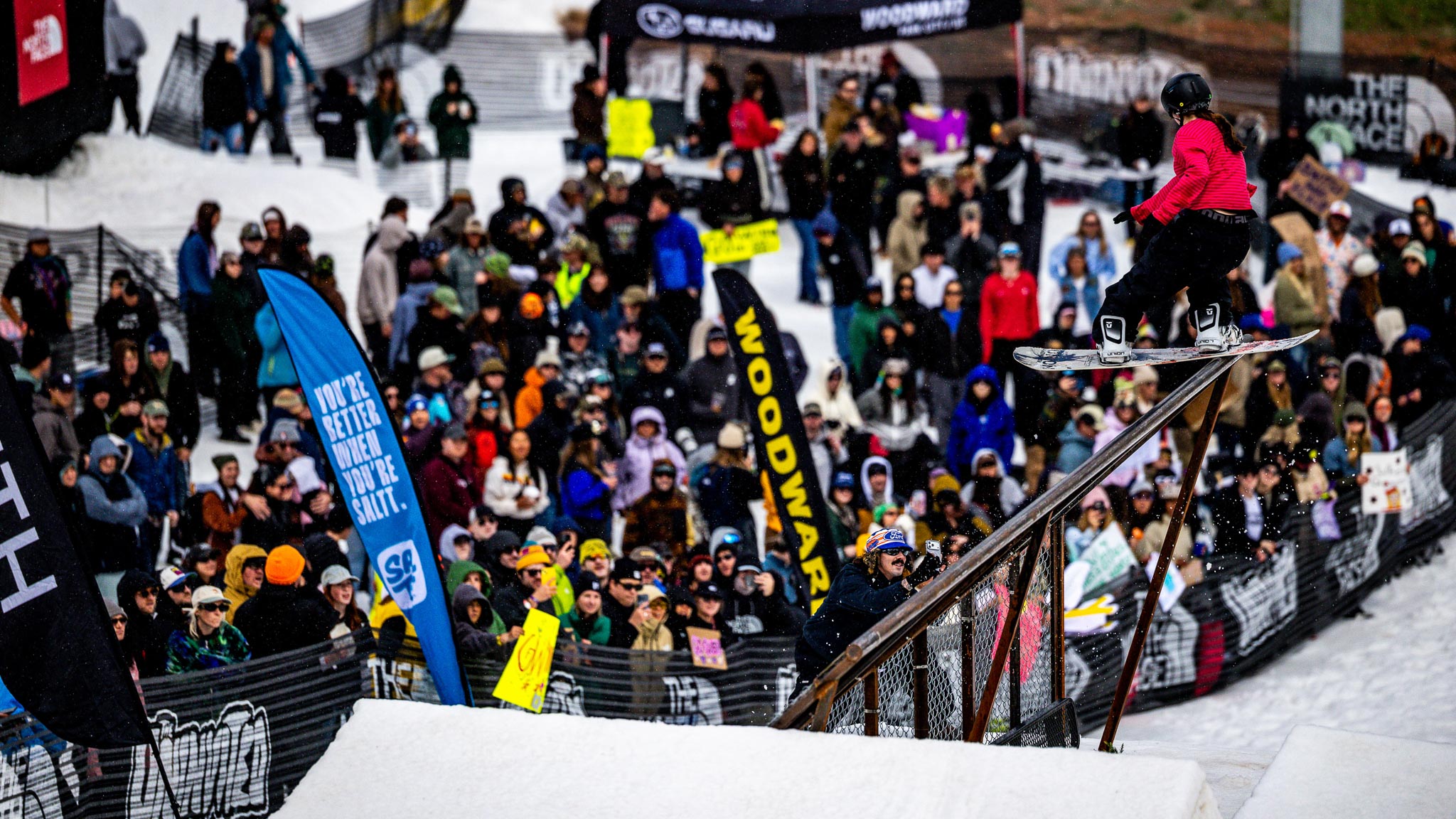
The Uninvited Invitational unfolded over three dynamic days, each presenting its own set of challenges and triumphs. The initial two days were dedicated to the qualifiers, where a deep field of 70 riders from across the globe—including contingents from Japan, the United States, various European nations, and beyond—battled for limited spots in the highly anticipated finals. These qualification rounds were not merely about landing tricks; they were about demonstrating mastery of the course, showcasing unique stylistic signatures, and maintaining an engaging flow. Riders were under immense pressure to deliver runs that not only met the technical benchmarks but also captured the judges’ attention with their inherent creativity and "wow" factor. The YETI Standouts from these initial days highlighted the depth of talent, with Himari Takamori, Marie Kuhlmann, and Jess Perlmutter excelling on Day 1, and Mela Stalker, Henna Ikola, and Midori Oshima making significant impressions on Day 2, each earning a $500 bonus for their standout performances. These preliminary rounds were critical in setting the stage, identifying those riders who possessed the unique blend of skill and style that the Invitational champions.
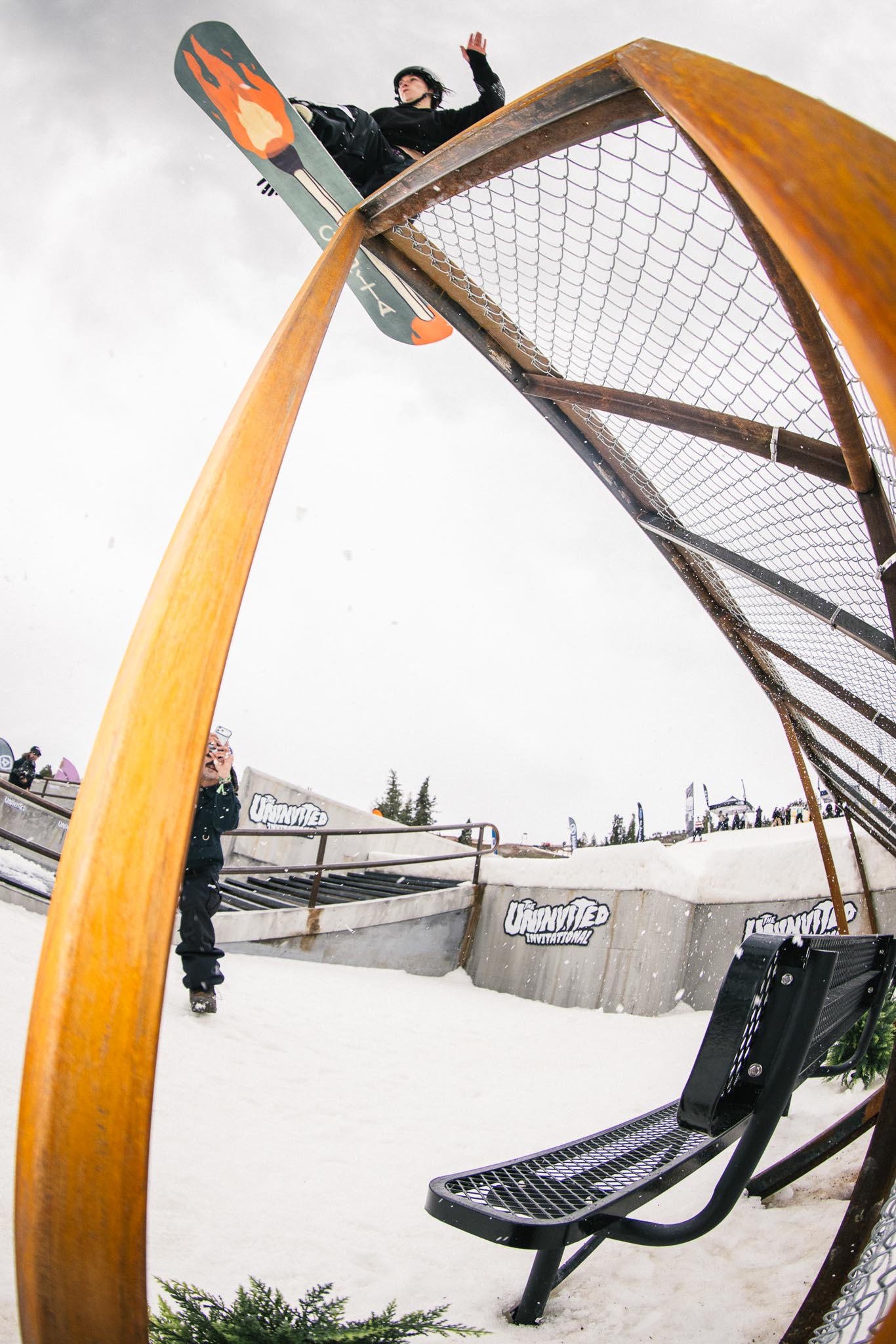
The course itself, a masterpiece designed by the renowned Ben Bilocq, played a central role in shaping the competition. Bilocq’s vision for the Uninvited Invitational course is to create a canvas that allows for endless creative lines and encourages riders to interact with features in unconventional ways. This year saw the highly anticipated return of a fan favorite: the "Batting Cage," affectionately nicknamed "Nicolas Cage." This iconic feature was reimagined in two distinct forms—a formidable wallride and a versatile rail feature. What truly set these features apart was their intentionally raw and worn aesthetic, characterized by a satisfying layer of rust and wear. This design choice imbued the entire setup with a genuinely "street-ready" feel, a deliberate nod to urban snowboarding and its influence on contemporary park riding. The Batting Cage’s dual nature provided riders with diverse options for expression, allowing them to choose between powerful wallride maneuvers and intricate rail slides, pushing the boundaries of their creativity and technical execution. The integration of such features is pivotal to the event’s identity, providing a playground where riders can showcase their street-influenced techniques within a competitive setting, directly aligning with the judging criteria that rewards originality and energy.
The final day brought the competition to a thrilling climax, albeit under less-than-ideal meteorological circumstances. Despite forecasts predicting challenging weather, including the dramatic onset of a full-blown lightning storm, the spirit of the event remained undeterred. A large, enthusiastic crowd gathered, their smiling faces and palpable excitement mirroring the hyped-up energy of the snowboarders. This collective resilience in the face of adverse conditions spoke volumes about "the magic of the Uninvited Invitational." It highlighted a community deeply invested in the sport, willing to brave the elements to witness high-caliber snowboarding and support their peers. The challenging weather, far from dampening spirits, seemed to amplify the sense of camaraderie and determination among riders and spectators alike, forging an unforgettable atmosphere that underscored the event’s unique character.
Himari Takamori’s Masterclass and the Podium of Excellence
Himari Takamori’s dominant performance was the undeniable highlight of the Uninvited Invitational. Her ability to consistently deliver runs that combined flawless execution with unparalleled style set her apart from a highly competitive field. Takamori’s victory, securing her the $15,000 grand prize, was a testament to her mastery of the diverse judging criteria. Beyond her overall win, she also claimed the coveted Best Trick award, earning an additional $2,000 for her remarkable backtail back 270 executed flawlessly on the dugout feature. This particular trick exemplified her technical precision and creative approach, showcasing her capacity to blend complex maneuvers with the effortless flow that defines true style. Her performance was widely regarded as a "style masterclass," embodying the very essence of what the Uninvited Invitational aims to celebrate.
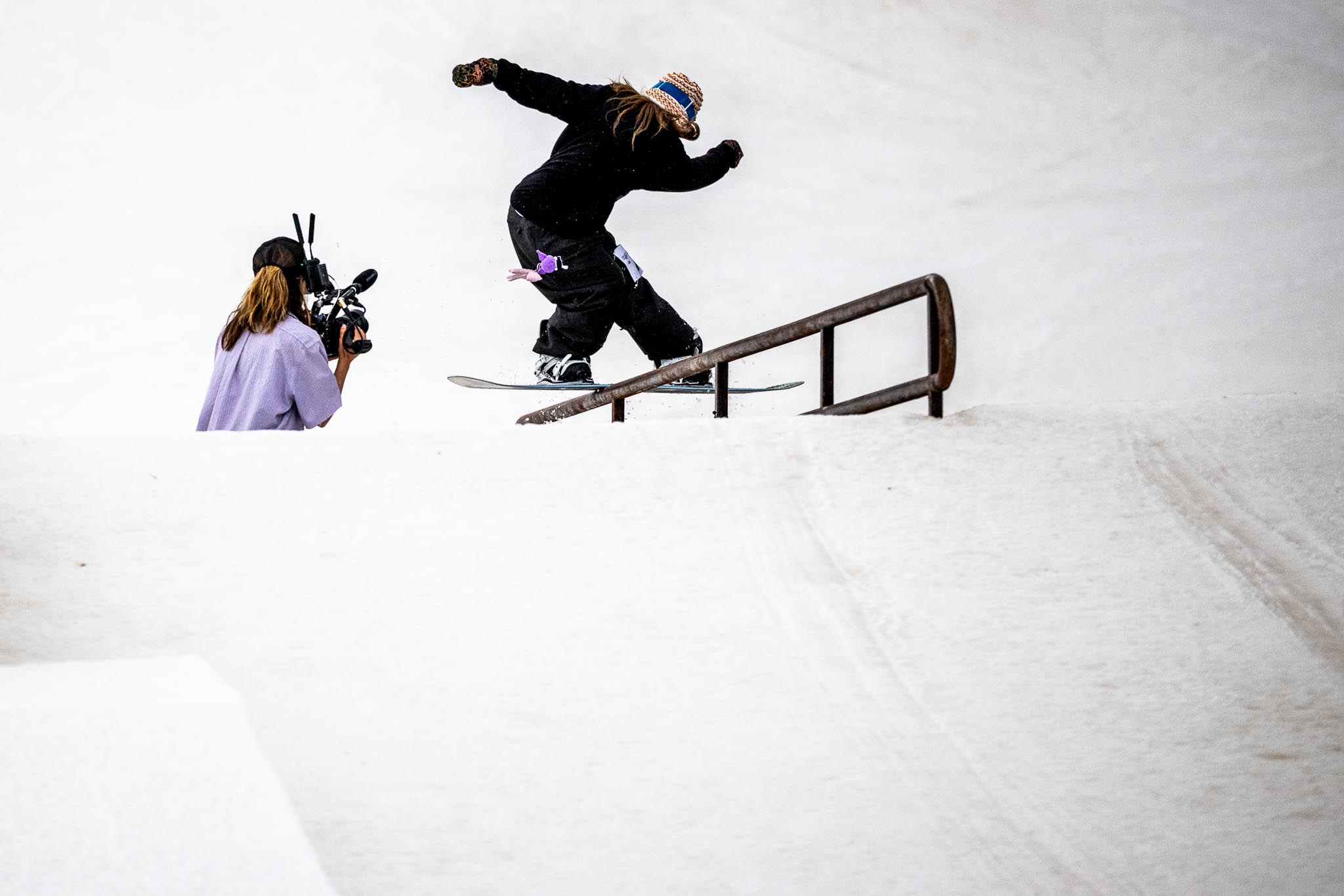
The podium was a showcase of international talent, with riders from different backgrounds demonstrating exceptional skill and dedication. Jess Perlmutter secured a well-deserved second place, taking home $11,000. Her consistent, powerful, and stylish runs captivated judges throughout the competition, proving her versatility and ability to perform under pressure. Livia Tannò rounded out the top three, earning $8,000 with her distinct approach to the course, characterized by creative lines and a strong command of her board. Hinano Sakamoto placed fourth, receiving $6,000, while Bella Warren completed the top five, earning $4,000. Each of these athletes delivered memorable performances, contributing significantly to the high standard of competition and illustrating the depth of talent present in women’s snowboarding today. The prize money, totaling over $50,000 for the main podium alone, underscores the growing professionalism and recognition within the sport, providing substantial incentives for athletes to push their limits.
A Spectrum of Achievements: Recognizing Diverse Talents
Beyond the main podium, the Uninvited Invitational distinguished itself by offering a comprehensive array of special awards, each designed to recognize specific facets of snowboarding excellence and the spirit of the event. This approach ensures that a wider spectrum of talents and contributions are celebrated, fostering a more inclusive and appreciative competitive environment.
- Quarterpipe Nicolas Cage Award: Stefi Luxton received $2,000 for her exceptional performance on the iconic Batting Cage feature. Her command of the quarterpipe, executing innovative lines and tricks, highlighted her specialized skill set and fearless approach to one of the course’s most challenging elements.
- YETI Rookie Award: Miyu Oishi was recognized with $1,500, marking her as a promising new talent in the scene. This award is crucial for encouraging emerging athletes and providing them with a platform and recognition early in their careers.
- The North Face Never Stop Award: Yuri Takizawa earned $1,500, celebrated for her relentless drive and unwavering commitment throughout the competition. This award speaks to the perseverance and indomitable spirit required to excel in professional snowboarding.
- Livestream People’s Champ & Style Boss: Henna Ikola was a dual recipient, taking home $1,500 for each award. Her popularity among the livestream audience, combined with her undeniable stylistic flair, underscored her ability to connect with fans and embody the event’s core values. Her runs were consistently smooth, creative, and aesthetically pleasing, making her a clear favorite.
- Switch Boss: Selin Lakatha’s mastery of switch maneuvers earned her $1,500, highlighting the technical difficulty and control required to execute tricks from the less dominant stance. This award celebrates specialized skill and technical precision.
- Dark Horse: Mela Stalker was awarded $1,500, recognized for her unexpected and impactful performances that surprised and impressed judges and spectators alike. This category champions riders who might not be in the spotlight but deliver exceptional runs.
- Baldface Stoke Award: Midori Oshima received a highly coveted trip to Baldface Lodge, a testament to her infectious positive attitude and the sheer joy she brought to her riding. This award embodies the spirit of snowboarding—fun, passion, and camaraderie—beyond just competition. The prize, likely a trip to Baldface Lodge for a unique backcountry experience, offers an invaluable opportunity for a rider who exemplifies the true stoke of the sport.
These diverse accolades collectively paint a picture of an event that values not only competitive success but also the underlying passion, unique skills, and community spirit that define snowboarding.
Industry Implications and the Future of Women’s Snowboarding
The Uninvited Invitational serves as more than just a competition; it is a significant barometer for the health and direction of women’s snowboarding. The event’s robust international participation, drawing 70 riders from 17 countries, highlights the global growth and increasing professionalism within the sport. This international appeal underscores the necessity of platforms that cater to diverse styles and skill sets, fostering a truly global community. The substantial prize money, coupled with a wide array of special awards, signifies a growing investment in female athletes, recognizing their talent and providing crucial financial support for their careers. This investment is vital for ensuring sustainability and continued progression in the sport.
The presence of major sponsors like The North Face (presenting sponsor), YETI, Subaru USA, Woodward Park City, Nidecker, Fat Tire, CAPiTA Snowboards, Union Binding Co., Sun Bum, SALTT, Smith Optics, Coal Headwear, Baldface Lodge, and Slush Magazine, further solidifies the event’s credibility and impact. Their involvement speaks to a broader industry recognition of the Uninvited Invitational’s unique value proposition—promoting authentic, style-driven snowboarding that resonates with the core demographic. This collaboration between athletes, organizers, and brands is crucial for creating a supportive ecosystem that allows women’s snowboarding to thrive.
The event’s emphasis on style, control, and overall "wow" factor, rather than a sole focus on technical difficulty, reflects a broader trend in snowboarding culture. It champions the artistry and individual expression that often gets sidelined in more mainstream, high-stakes competitions. By valuing "how you do it" and the energy carried through a run, the Uninvited Invitational is actively shaping the aesthetic standards for competitive snowboarding, encouraging riders to develop well-rounded skills that translate seamlessly from contest runs to video parts. This approach helps bridge the gap between competitive snowboarding and its freeride and street counterparts, creating a more holistic vision for the sport.
In conclusion, the Uninvited Invitational has once again proven its significance as a groundbreaking event for women’s snowboarding. Despite battling adverse weather conditions, the event successfully delivered a spectacle of top-tier talent, innovative course design, and a judging philosophy that champions creativity and style. Himari Takamori’s stellar performance set a new benchmark for excellence, while the diverse array of award winners highlighted the breadth of talent and the vibrant spirit of the global women’s snowboarding community. As the industry continues to evolve, events like the Uninvited Invitational are instrumental in shaping its future, providing essential platforms for athletes, fostering cultural authenticity, and inspiring the next generation of riders worldwide. The full livestream remains available for those wishing to relive the magic and witness the extraordinary performances that defined this year’s Uninvited Invitational, presented by The North Face and supported by its dedicated partners.

