
The summer training season is officially underway across North America, heralding one of the most pivotal periods for aspiring junior alpine ski racers: the opportunity to test next season’s cutting-edge equipment months before winter snows officially arrive. As athletes converge on high-altitude glacier camps and elite training venues, major alpine racing brands are rolling out extensive testing programs for the 2026-27 season, providing unparalleled access to the same caliber of gear used by World Cup champions.
This annual ritual of summer equipment testing has evolved into an indispensable component of offseason preparation for developing racers. It offers a crucial window for athletes to compare different brands and models, fine-tune their setups, and build confidence on skis, boots, and bindings designed for peak performance. From the iconic slopes of Mt. Hood in Oregon to the meticulously groomed pistes of Ski Club Vail, young talents and their coaches will engage directly with the latest innovations from industry titans such as HEAD, Stöckli, Nordica, and Atomic. This proactive approach to equipment selection is vital in a sport where marginal gains can significantly impact results, progression, and ultimately, a racer’s trajectory towards elite competition.
The Strategic Importance of Early Equipment Access
For junior athletes aiming to climb the ranks in alpine racing, equipment selection is far more than a preference; it’s a strategic decision that directly influences performance, safety, and development. The early access provided by these summer testing programs allows racers to understand how different ski geometries, flex patterns, and boot characteristics interact with their individual skiing style and physical attributes. This hands-on experience, often under the guidance of brand experts and seasoned coaches, helps athletes make informed choices that can translate into tangible advantages on race day.
The competitive landscape of junior alpine racing has intensified considerably over the past decade. With hundreds of thousands of registered alpine racers globally, and significant participation in North America through organizations like US Ski & Snowboard and Alpine Canada, the pursuit of excellence begins at a young age. Securing the right equipment early in the preparation cycle enables athletes to integrate new gear seamlessly into their training regimens, adapting their technique and building muscle memory with the chosen setup well in advance of competitive races. This pre-season acclimatization is crucial for maximizing performance when the race season commences.
Furthermore, these testing opportunities serve as a critical bridge between junior development and the professional circuit. World Cup athletes spend countless hours testing and refining their equipment, a process that is increasingly being mirrored at the junior level. By exposing young racers to this professional-grade methodology, brands are not only fostering future champions but also cultivating a deeper understanding of equipment technology and its impact on performance, mirroring the scientific approach seen in other high-performance sports.
Leading Brands Unveil 2026-27 Race Fleets
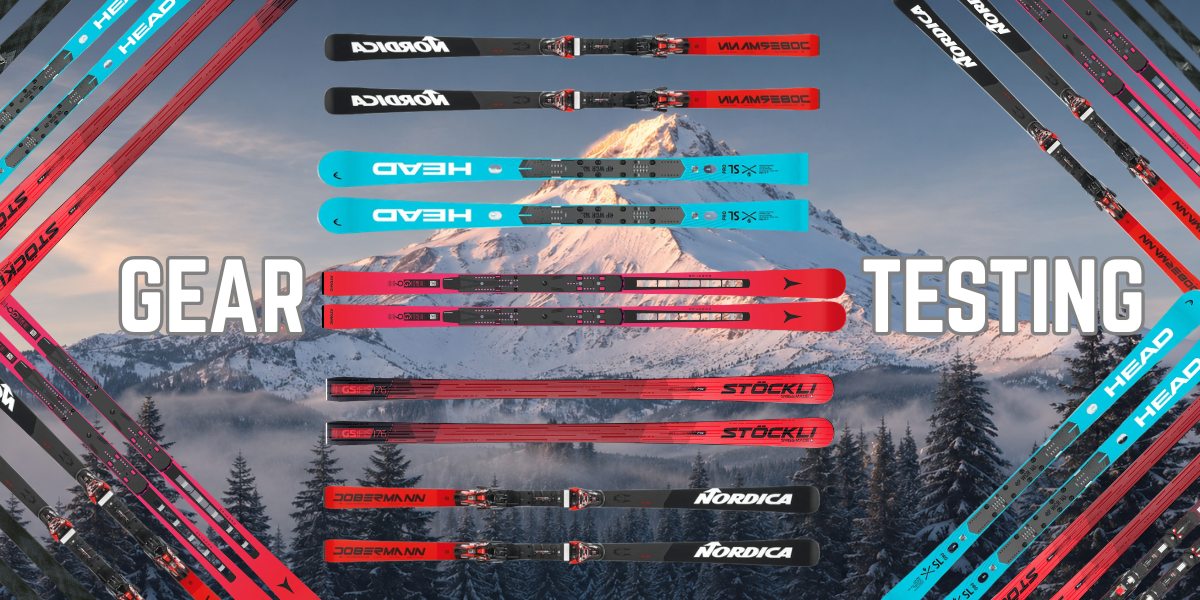
The summer of 2026 sees a robust presence from the sport’s leading manufacturers, each bringing their latest innovations to key training hubs. These programs are meticulously planned to coincide with the busiest periods of summer glacier training, ensuring maximum accessibility for junior athletes from various clubs and programs across the continent.
HEAD: Continuing World Cup Dominance into Junior Ranks
Fresh off yet another commanding World Cup season, HEAD, a brand synonymous with top-tier performance, is launching its 2026 Spring Race Testing Program. This initiative grants junior athletes direct access to the highly anticipated 2026-27 HEAD race skis throughout the summer training period. The HEAD World Cup Rebels consistently demonstrate their superiority on the global stage, and now, developing athletes have the unique chance to experience the same race-driven technology that propels their heroes to victory. This continuity of innovation from the elite level down to junior development underscores HEAD’s commitment to nurturing future talent.
The primary hub for HEAD’s testing efforts will be its Mt. Hood Race Demo Center, operating daily from June 12-29, 2026, at the Mt. Hood Alpine Racing Center in Government Camp, Oregon. This location is a traditional cornerstone for summer ski training, drawing athletes from across the globe. Beyond Mt. Hood, HEAD is expanding its reach by providing full race fleets at strategically chosen race centers across the U.S., including the esteemed Ski and Snowboard Club Vail and various Sport Thoma locations throughout the East Coast. This widespread availability ensures that a broader spectrum of junior racers can benefit from HEAD’s advanced equipment.
HEAD Testing Information:
- Mt. Hood, Oregon: June 12–29, 2026, daily from 12:30 p.m.–4:30 p.m. at the Mt. Hood Alpine Racing Center, Government Camp, OR.
- Additional fleet access: Available through Ski and Snowboard Club Vail and Sport Thoma locations (East Coast).
- More information: https://www.mthoodarc.com/
Stöckli: Swiss Precision Meets North American Ambition
Following a highly successful inaugural presence last summer, Stöckli, renowned for its meticulous Swiss-built precision and formidable World Cup pedigree, is returning to Mt. Hood with the re-establishment of the Stöckli Test Center. The brand, a favorite among elite athletes like Marco Odermatt, Thomas Tumler, and Alexis Monney, continues to solidify its footprint within the North American junior racing community. This expansion reflects Stöckli’s strategic vision to provide developing athletes with direct access to elite-level equipment, complemented by expert race staff support.
The Stöckli Test Center will operate from June 14–28, 2026, conveniently located in the Cascade Ski Club & Lodge parking lot. This setup allows athletes to effortlessly demo a comprehensive range of Stöckli race skis, directly compare different setups, and engage in invaluable discussions with dedicated Stöckli representatives. The direct interaction with brand experts is a significant advantage, offering insights into the nuanced design and performance characteristics of their handcrafted skis.
Stöckli Test Center Information:
- Dates: June 14–28, 2026
- Hours: Daily, 12 p.m.–4 p.m.
- Location: Cascade Ski Club & Lodge Parking Lot, 30510 E Blossom Trail Rd., Government Camp, OR 97028
- Pre-Registration: https://demotool.stockli.co/info (Athletes under 18 require parent/guardian registration.)
- Contact: Max Wingard, [email protected], 802-560-4265
Nordica: Integrated Testing for Enhanced Athlete Development
Nordica is significantly expanding its race testing opportunities for the 2026-27 season, focusing on increased accessibility for junior athletes both at critical Mt. Hood summer camps and through its robust partnership with Ski Club Vail during the winter season. This dual approach aims to integrate testing seamlessly into athletes’ existing training schedules.

For those attending camps at Mt. Hood, Nordica will make its 2026-27 race test fleet readily available throughout the summer. This access is facilitated through coordinated reservations with coaches and program directors, a logistical approach designed to maximize convenience for training groups. While Nordica representatives will not maintain a constant physical presence at Mt. Hood camps, the ability for programs and coaches to reserve equipment in advance ensures that athletes can still access and compare the latest Nordica race equipment within their normal training environments. This model allows for uninterrupted training while still providing crucial equipment comparison.
In a complementary effort, Nordica is reinforcing its enduring partnership with Ski Club Vail. A comprehensive fleet of race skis will be available for reservation and testing throughout the season, contingent on weather and snow conditions. Notably, unlike the Mt. Hood program, Ski Club Vail testing opportunities may include direct support from Nordica representatives, offering an additional layer of expertise alongside coaches and athletes. This combination of integrated camp support and direct representative interaction provides a versatile testing framework.
Nordica Testing Information:
- Mt. Hood Summer Camps: Equipment available through advance coordination and reservation via coaches/programs.
- Ski Club Vail: Full race fleet available throughout the season (conditions permitting), potentially with direct Nordica representative support.
- To reserve equipment or coordinate testing: Cam Heald, [email protected]
Atomic: World Cup Technology for the Next Generation
Atomic, a perennial powerhouse in alpine racing, returns to Mt. Hood this summer, offering on-snow access to its most recent race equipment at the Mt. Hood Alpine Racing Center. Athletes engaged in glacier training will have the invaluable opportunity to test Atomic race skis throughout June, with daily demo access readily available. For those whose training extends beyond June, additional appointments can be scheduled after June 30, ensuring continued access to the brand’s cutting-edge offerings.
Atomic consistently maintains a significant presence in alpine racing development, effectively bringing World Cup-inspired race technology directly to junior athletes. This direct transfer of technology during one of the most crucial training periods of the offseason is a testament to Atomic’s commitment to fostering the sport’s future. Their comprehensive approach ensures that young racers can experience the benefits of equipment engineered at the highest echelons of competitive skiing.
Atomic Testing Information:
- Dates: June 12–30, 2026 (After June 30 by appointment)
- Hours: Open daily, 12 p.m.–4 p.m.
- Location: Mt. Hood Alpine Racing Center, Government Camp, OR 97028
- Contact: Bob Olsen, 541-399-2382, [email protected]
The Broader Impact: Nurturing Talent and Driving Innovation
These extensive summer testing programs represent more than just product demonstrations; they are critical pillars in the ecosystem of alpine ski racing. For the athletes, they are a pathway to informed decision-making, performance enhancement, and injury prevention. Properly fitted and chosen equipment can reduce fatigue, improve technique, and ultimately lead to faster times and greater enjoyment of the sport. For parents and guardians, who often bear significant financial costs in junior racing, these programs provide confidence that their investment is optimized for their child’s development.

For the brands, these programs are a vital mechanism for market research, talent identification, and cultivating brand loyalty from an early age. Direct feedback from aspiring racers and their coaches provides invaluable insights that feed back into product development cycles, ensuring that future generations of skis, boots, and bindings continue to push the boundaries of performance. Furthermore, supporting junior racing initiatives helps to secure the future of the sport, fostering a new generation of enthusiasts and competitors.
Economically, these events also provide a significant boost to local communities surrounding training venues like Government Camp, Oregon. The influx of athletes, coaches, and families generates demand for accommodation, dining, retail, and other services, contributing to the local economy during the summer months.
Optimizing the Gear Testing Experience: A Racer’s Guide
To truly capitalize on these unparalleled testing opportunities, athletes and coaches must approach them with a structured and analytical mindset. Simply taking a few runs on new skis is often insufficient; a methodical approach yields far greater insights.
1. Test Back-to-Back: Isolating Performance Variables
The most effective equipment comparisons occur when athletes can switch directly between their current setup and a new brand or model under consistent conditions. Alternating skis within the same training session minimizes the impact of changing snow conditions, fatigue, or other external variables. This allows for a more direct and accurate assessment of subtle differences in stability, turn shape, edge grip, energy return, and overall feel on snow. Athletes should aim for 3-5 runs on each pair to get a comprehensive feel before switching.
2. Maintain Detailed Notes: Capturing Nuances
After a few runs, the specific sensations and performance characteristics of different skis can quickly blur. Writing down immediate impressions is crucial. Notes should cover objective observations (e.g., "turn radius feels tighter," "more stable at high speed") and subjective feelings (e.g., "feels powerful," "more forgiving"). Key areas to record include:
- Stability: How the ski handles speed, rough terrain, and varying snow surfaces.
- Responsiveness: How quickly the ski reacts to input.
- Edge Grip: Confidence on hard-packed snow and ice.
- Turn Shape/Initiation: How easily the ski enters and exits turns, and its natural arc.
- Energy/Rebound: How much "pop" or acceleration the ski provides out of a turn.
- Dampness/Vibration Absorption: How well the ski absorbs chatter and maintains smoothness.
3. Evaluate Across Diverse Conditions: A Holistic View
A ski that performs exceptionally well in pristine, perfect morning conditions might behave entirely differently once the snow surface softens, becomes chopped up, or transitions to ice. Testing throughout the day, as conditions evolve, provides a much more complete and realistic picture of a ski’s versatility and performance envelope. Athletes should observe how the ski responds to varying snow types, changes in pitch, and gate spacing. This comprehensive evaluation is critical for selecting a setup that will perform consistently across a range of race day scenarios.
4. Engage with Coaches and Brand Representatives: Leveraging Expertise
Coaches possess invaluable insights into an athlete’s technique, strengths, and areas for development, making their observations on equipment fit crucial. Brand representatives, on the other hand, are intimately familiar with the intricate design, construction materials, flex patterns, sidecuts, and recommended setup parameters of their equipment. Engaging in dialogue with both groups can unlock a deeper understanding of how specific skis are engineered to perform and how they might best complement an athlete’s individual skiing style. They can explain the "why" behind certain sensations and help troubleshoot any issues.

5. Prioritize Performance and Feel Over Aesthetics: The Core Principle
It is a common pitfall to be swayed by the newest graphics, the latest model, or the specific skis used by a favorite World Cup athlete. However, the fastest and most effective setup for an individual racer is not necessarily the flashiest or the most popular. The ultimate goal of testing is to identify equipment that genuinely builds confidence, enhances consistency, and fosters trust on snow. This means focusing on how the skis feel underfoot, how they enable optimal technique, and how they contribute to overall performance, rather than succumbing to external influences or superficial appeal. The right equipment empowers the athlete; the wrong equipment can hinder progress.
6. Consider Boot-Binding Synergy: A Complete System
While skis are often the primary focus, the interplay between boots and bindings is equally critical. Ensure that the boots being used for testing are well-fitted and appropriate for racing. Bindings, too, have specific characteristics (release values, stack height, ramp angle) that can impact ski performance. Discussing the integrated system with coaches and reps ensures that all components work harmoniously to maximize control and power transmission.
7. Understand Your Goals: Tailoring the Test
Before stepping onto the snow, athletes should clarify what they hope to achieve with the testing. Are they looking for a more stable giant slalom ski, a quicker slaloms ski, or a boot that offers better power transmission? Having specific objectives helps to focus the testing process and ensures that the athlete is evaluating equipment against relevant criteria.
The summer of 2026 marks another significant chapter in the continuous evolution of junior alpine ski racing. By providing unparalleled access to the latest equipment and fostering a culture of informed decision-making, these testing programs are not merely preparing athletes for the 2026-27 season; they are shaping the future champions of the sport.

