
The International Ski & Snowboard Federation (FIS) confirmed on October 9, 2026, that Markus Waldner, the veteran Men’s Chief Race Director, will not return to the helm for the upcoming World Cup season. The announcement arrives just over two weeks before the traditional season opener in Sölden, Austria, scheduled for October 25, 2026, marking a significant leadership transition within the governing body of international alpine skiing.
Waldner, who has served as the primary authority for men’s alpine competition for over a decade, has cited the mounting pressures of the position as the primary catalyst for his decision. While he is stepping away from the operational intensity of race-day management, he will remain with FIS throughout the 2026/27 season to facilitate a smooth transition for his successor and to explore potential new roles within the federation’s broader structure.
A Legacy of Technical Oversight and Crisis Management
During his twelve-year tenure, Markus Waldner became synonymous with the rigorous demands of the men’s World Cup circuit. The role of Chief Race Director is arguably one of the most high-pressure positions in winter sports. It requires a singular individual to balance the logistics of international travel, the delicate science of snow preparation, the complex politics of broadcasting schedules, and the paramount responsibility of athlete safety.
Waldner’s oversight included the technical management of the Men’s Alpine World Cup, as well as the high-stakes coordination of men’s alpine events during the Winter Olympic Games and FIS World Championships. His tenure was defined by a commitment to maintaining the integrity of courses in an era of rapidly changing climatic conditions. He frequently found himself in the public eye during contentious decisions regarding race postponements or cancellations, balancing the desires of television rights holders and resort operators against the fundamental requirement of a safe, fair field of play.
Reflecting on his departure, the 63-year-old official emphasized the personal toll of the position. "Being in charge of Alpine Skiing at the highest level is a privilege, but it is also a position that entails an incredible amount of pressure," Waldner stated. "Through the years, as FIS and the sport have changed and grown, this pressure has been accumulating, to the point that now I feel like I would not have the energy and the mindset to go through another full season as I would have liked to."
The Immediate Transition Plan
The timing of the announcement necessitates an urgent reconfiguration of the FIS operational structure. With the Sölden opener looming, FIS has confirmed that Peter Gerdol, the current Chief Race Director for Alpine Women, will assume the responsibility of overseeing competitions for both genders during the initial phase of the 2026/27 Audi FIS World Cup season.
This consolidation of duties is intended to provide stability while the federation initiates a formal recruitment process for a permanent replacement. FIS leadership has indicated that they will provide further updates regarding the search for a new director in the coming weeks. The transition plan ensures that the institutional knowledge Waldner has cultivated over the past twelve years will not be lost immediately, as he remains in an advisory capacity to assist his successor in navigating the complex demands of the World Cup calendar.
Institutional Recognition and Impact
The response from within the FIS hierarchy highlights the profound impact Waldner has had on the sport. Janne Leskinen, the FIS Alpine Director, acknowledged the difficulty of replacing a figure of Waldner’s stature. "For the last 12 years in this role, Markus has been a true reference point for Alpine Skiing and FIS’ strong presence on the ground. This carries an immeasurable value," Leskinen noted.
Leskinen further expressed optimism regarding the transition, stating, "While his knowledge and expertise will certainly be missed, I am happy that Markus will stay on our side for the next steps of this transition and, I hope, with a new role beyond that."
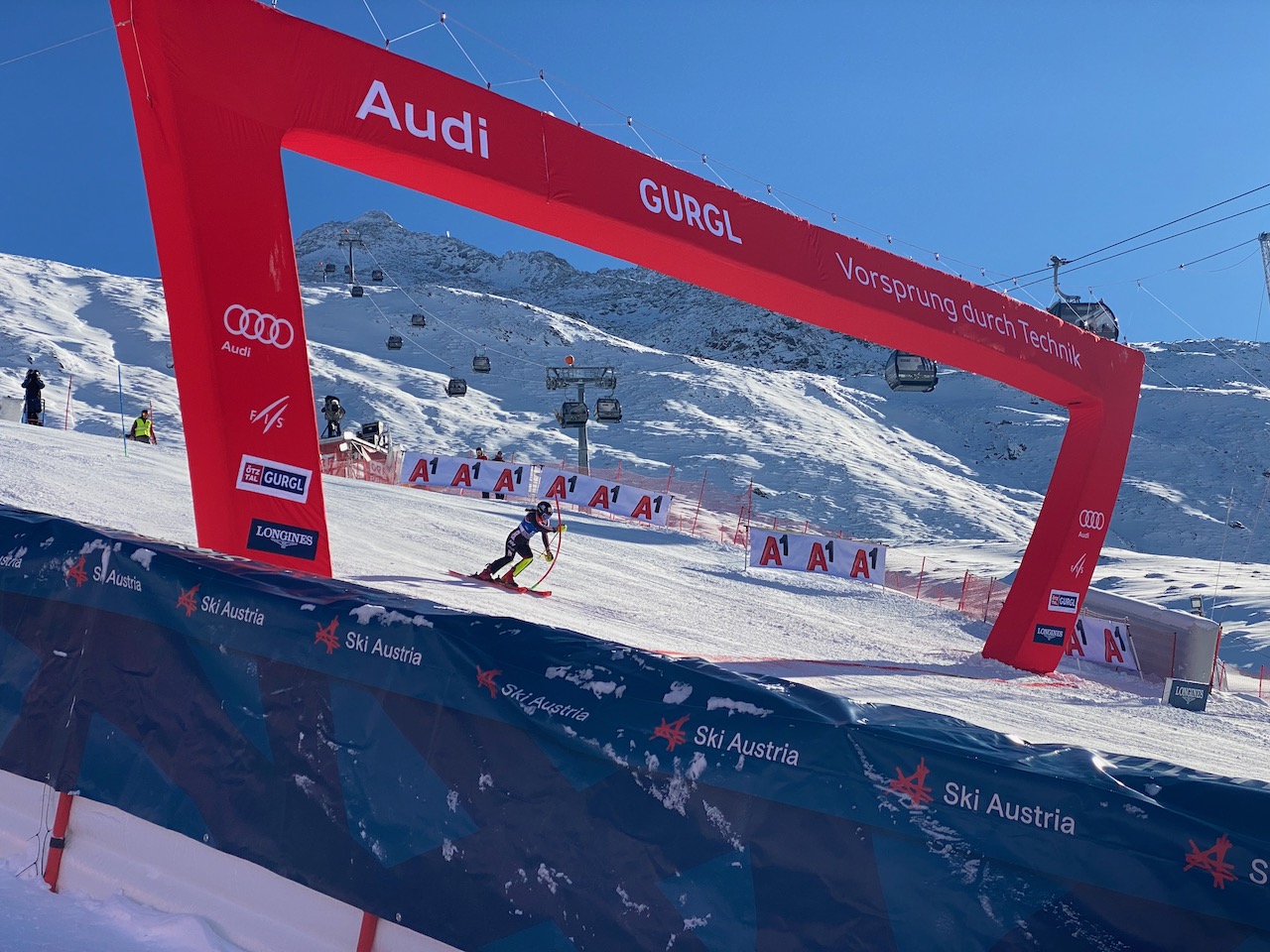
This sentiment reflects the broader internal view that Waldner’s departure is not merely a retirement, but a strategic repositioning of human capital within the federation. His ability to synthesize the technical requirements of the sport with the diplomatic needs of stakeholders has been a cornerstone of his career, and the federation appears keen to retain that expertise in a capacity that carries less day-to-day operational strain.
The Evolution of the World Cup Circuit
Waldner’s departure coincides with a period of evolution for alpine skiing. The sport has faced increasing scrutiny regarding environmental sustainability, particularly concerning the use of snow-making technology and the logistics of global travel. Over the last decade, Waldner had to navigate the increasing frequency of weather-related cancellations, forcing the FIS to become more agile in rescheduling events and more transparent in its communication with teams and media.
The 2026/27 season is expected to bring further challenges. The FIS has been under pressure to modernize the sport, increase audience engagement, and harmonize the racing calendar. The incoming Chief Race Director will inherit a structure that is more data-driven than ever before, utilizing advanced meteorological tracking and real-time monitoring of course conditions. The shift in leadership at this juncture allows the federation to re-evaluate its operational procedures and perhaps implement fresh perspectives on how race safety and fairness are balanced against the commercial requirements of the World Cup tour.
Broader Implications for the Alpine Community
The departure of a figure as central as the Men’s Chief Race Director inevitably sends ripples through the alpine community. Athletes, coaches, and national federations have long relied on Waldner’s consistent, albeit strict, application of FIS regulations. His reputation as a "no-nonsense" arbiter provided a sense of predictability, even in the most volatile conditions.
The upcoming months will serve as a testing ground for the FIS administrative team. The dual-oversight model, with Peter Gerdol managing both circuits, is a short-term solution, but it highlights the lean nature of the current FIS operational staff. The pressure to recruit a successor who possesses both the technical engineering background required for slope preparation and the soft skills required for crisis negotiation is significant.
Furthermore, the industry will be watching to see if the new leadership maintains the trajectory of recent safety innovations or if there will be a pivot toward different operational priorities. The technical requirements of modern alpine skiing, including the evolution of gate technology, protective netting, and the strict adherence to FIS safety guidelines, demand a successor with both extensive experience and the resilience to withstand the intense scrutiny of the global sporting press.
Looking Toward the Future
As the circus moves to Sölden on October 25, the focus will briefly shift from the leadership transition to the athletes themselves. However, the absence of Waldner in the finish area will be a notable change for those accustomed to seeing him at the center of the action.
The FIS has signaled that its priority is to ensure that the 2026/27 season proceeds without interruption. By retaining Waldner as a consultant during the transition, the federation is hedging against the risks associated with such a high-profile leadership change. The success of this transition will be measured by the fluidity of the upcoming race schedule and the seamless integration of the new director once the appointment is made.
Ultimately, Markus Waldner’s tenure represents an era of significant professionalization in alpine skiing. His departure marks the end of a chapter defined by long-term stability and a firm hand on the tiller during some of the most difficult seasons in the sport’s history. As the FIS prepares for the next phase of its development, the challenges of climate adaptation, commercial growth, and athlete safety remain, but the foundational systems established under Waldner’s leadership provide a robust framework for his successor to build upon.
The coming weeks will be crucial as the global ski community awaits news of the new appointment. For now, the focus remains on the transition of power and the continuation of a legacy that has helped shape the current landscape of professional men’s alpine skiing. The appointment of a successor will be the next major milestone in the FIS calendar, one that will define the strategic direction of the sport as it moves toward the latter half of the decade.

