
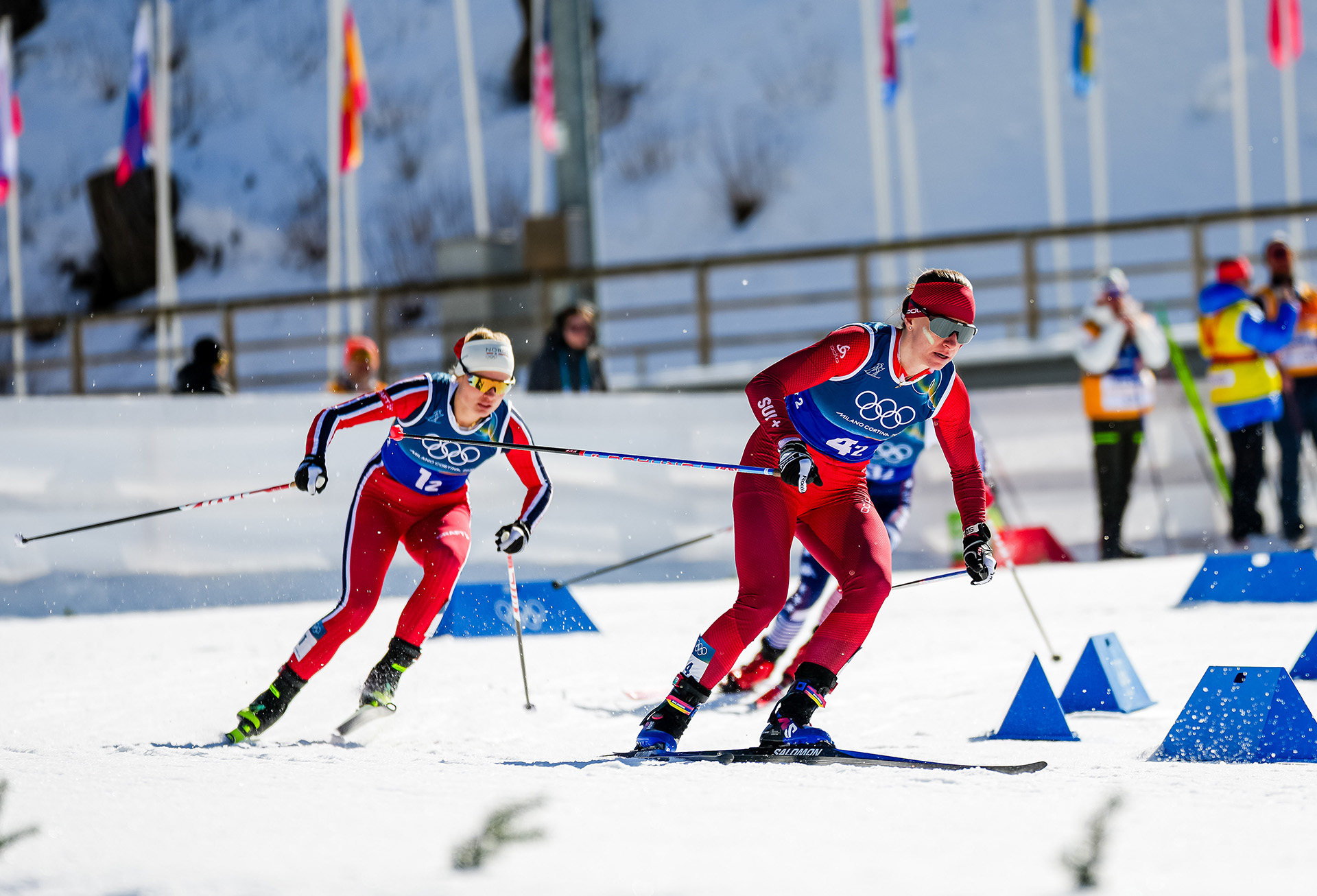
Nadine Fähndrich, a formidable presence in the world of cross-country skiing and a consistent challenger to Nordic dominance in sprint disciplines, has announced her retirement from the sport. The 30-year-old Swiss athlete, after over a decade competing at the highest level, will hang up her skis with a career marked by numerous World Cup victories and a long-sought Olympic medal, though the elusive World Championship gold remains a notable absence. Fähndrich’s decision to retire comes after a season that saw her secure a significant Olympic silver medal, a fitting, albeit bittersweet, culmination to a career defined by grit, determination, and a relentless pursuit of excellence.
A Season of Reflection and Recognition
The festive Easter period provided Fähndrich with a welcome respite from the intense demands of professional competition. She was observed enjoying leisurely ski trips with her parents in the northern reaches of Finland, a stark contrast to the pressure cooker environment of race days. This period of transition also saw her celebrated alongside fellow Olympic medalists, including Einar Hedegart and Maja Dahlqvist, at an event hosted by her ski brand, Salomon, in Annecy, France. This recognition underscores her significant contributions to the sport and her status as a respected figure within the cross-country skiing community. The pressure of elite competition has now lifted, paving the way for a new chapter in the life of an athlete who has amassed an impressive 17 national titles in her native Switzerland, a testament to her sustained success in a nation with a rich skiing heritage.
The Journey to Olympic Silver: A Career Highlight
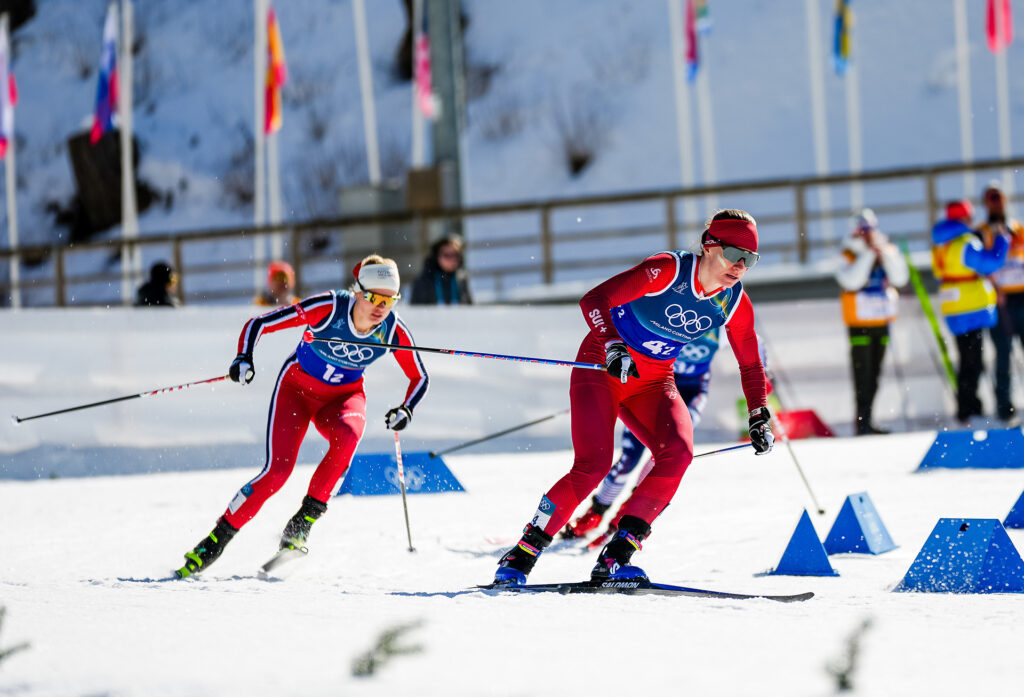
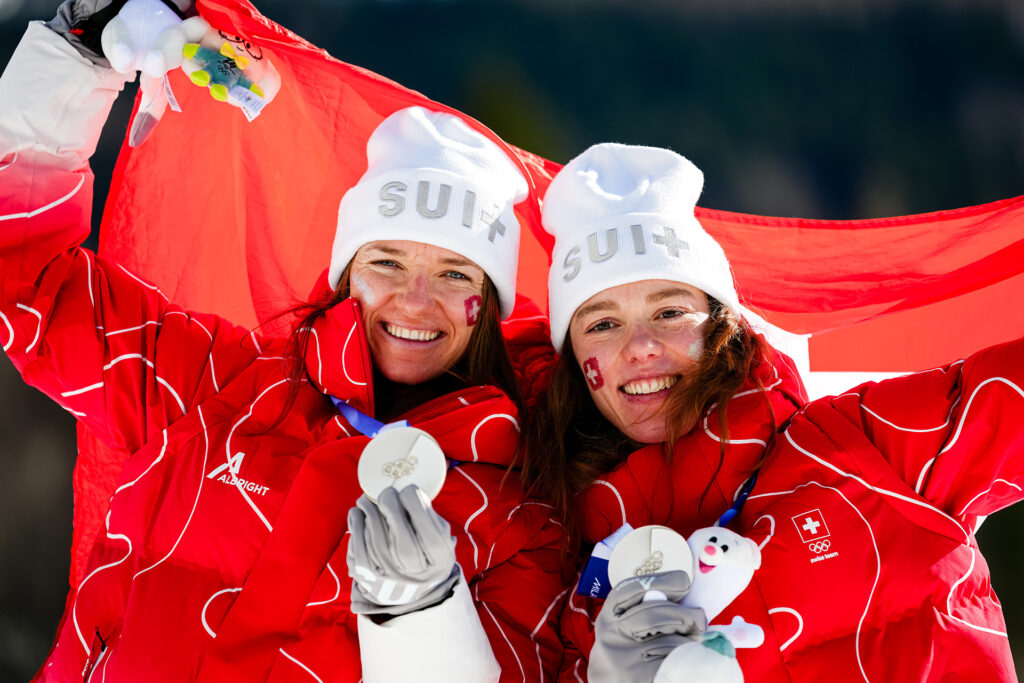
Fähndrich’s final years as an active competitor were not without their challenges and strategic shifts. She opted to pursue her career outside the national team structure during her last season, a decision that ultimately proved fruitful. It was indeed in her final two years that Fähndrich achieved some of her most significant results, culminating in the Olympic silver medal she had long strived for. The individual sprint event at the recent championships in Val di Fiemme proved disappointing, but the team sprint offered redemption. Partnering with Nadja Kälin, Fähndrich secured a hard-fought silver medal, finishing behind the dominant Swedish duo. This performance at the World Championships in Val di Fiemme represented a significant achievement, adding a prestigious medal to her already impressive list of accolades. Her success also extended to the 2025 World Championships in Trondheim, where she claimed bronze medals in both the sprint and team sprint events. Prior to these recent triumphs, her most notable World Championship success was a silver medal in the team sprint at the 2021 World Championships in Oberstdorf.
Statistical Achievements and a Controversial World Cup Moment
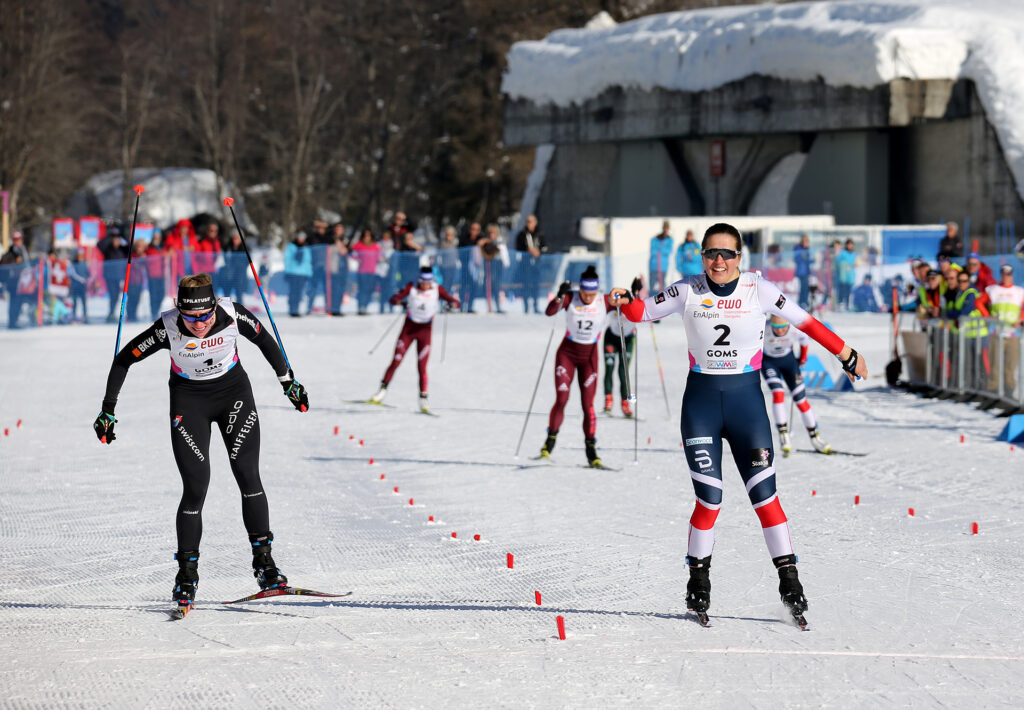
As the 30-year-old Swiss athlete transitions into retirement, her career statistics paint a picture of consistent high performance. She boasts four World Cup victories and three second-place finishes in the sprint World Cup standings. One particularly memorable and controversial moment in her career occurred in 2023. During a fiercely contested sprint World Cup race in Lahti, Fähndrich was in contention for the overall sprint title. In a move that sparked considerable debate, Swedish skier Maja Dahlqvist’s club teammate, Moa Ilar, slowed down significantly on the final stretch, appearing to deliberately impede Fähndrich and allowing Dahlqvist to cross the finish line first and secure the crystal globe. This incident highlighted the intense rivalries and strategic maneuvering that often characterize elite cross-country skiing.
Early Promise and a Legacy Beyond Medals
Fähndrich’s talent was evident from an early age. She claimed her first Swiss Championship title in the 5 km classic race in 2014. Her junior career was also marked by success, as she secured medals at the U23 World Championships in both 2016 and 2018. While the ultimate prize of a senior World Championship gold medal eluded her, Fähndrich can look back with immense satisfaction on a career that has been exceptionally successful and impactful. The Fähndrich family, hailing from Horw near Lucerne, has a deep connection to the sport of cross-country skiing. Her younger brother, Cyril, continues to carry the family’s sporting legacy on the snow, ensuring that the Fähndrich name remains a significant presence in Swiss cross-country skiing, even as Nadine steps away from competitive racing.
Broader Context: The Evolving Landscape of Women’s Sprint Skiing
Nadine Fähndrich’s career unfolded during a period of intense competition and evolving dynamics in women’s cross-country skiing, particularly in sprint disciplines. For years, the sport has been dominated by Scandinavian athletes, with Sweden and Norway consistently producing top talent. Fähndrich emerged as one of the most prominent challengers to this established order, consistently pushing the boundaries and demonstrating that athletes from outside the traditional powerhouses could vie for podium places and victories. Her success not only brought recognition to Swiss skiing but also inspired a new generation of athletes from smaller skiing nations.
The controversies, such as the one involving Maja Dahlqvist and Moa Ilar, also reflect the increasing stakes and pressures within the World Cup circuit. These incidents, while debated, underscore the fine margins and intense rivalries that define elite sport. The strategic decisions, sometimes bordering on controversial, become part of the narrative and contribute to the broader story of athletic competition.
Fähndrich’s decision to compete independently of the national team in her final season is also a reflection of a broader trend in professional sports. As athletes gain more agency and resources, some choose to build personalized training and support structures that they believe will best serve their individual goals. This approach, while sometimes leading to friction with national federations, can also be a strategic move for athletes seeking to optimize their performance and career trajectory.
The Future for Nadine Fähndrich
While the start number will no longer be a regular fixture in Nadine Fähndrich’s life, her passion for skiing is unlikely to wane. The mention of her enjoying long ski tours with her parents suggests a continued love for the sport in its purest form. The transition from elite athlete to a new phase of life is a significant one, and Fähndrich appears to be embracing it with a sense of accomplishment and anticipation. Her impact on Swiss skiing and her reputation as a tenacious competitor will undoubtedly leave a lasting legacy. The ski-loving Fähndrich family from Horw will likely continue to play a role in the sport, and it will be interesting to observe the future endeavors of this accomplished athlete, whose career, though without a World Championship gold, has been undeniably brilliant.

