
Mika Vermeulen, the Austrian cross-country skier who trains in Lillehammer, has been labelled the season’s biggest disappointment by Finnish media. The 26-year-old, who achieved a career-first World Cup podium early in the season, has since struggled to replicate that success, leading to this unflattering designation. In a candid interview with Langrenn.com, Vermeulen addressed the criticism, offering his perspective on the situation and even naming his own candidates for the "biggest flop" title.
The Finnish media outlet, identified as iltalehti.fi, has crowned Vermeulen as the season’s foremost flop. When asked for his reaction, Vermeulen surprisingly agreed with the assessment, stating, "Well, I’m quite in agreement, actually." However, his agreement comes with a nuanced understanding of the term "flop." He believes that while his own performance has fallen short of expectations after a strong start, the title of biggest disappointment might be more fitting for another athlete.
Vermeulen pointed to Swedish skier William Poromaa as his personal pick for the season’s biggest disappointment. Poromaa, who achieved significant success last season by securing a silver medal in the 50km race at the World Championships, finishing just two seconds behind Johannes Høsflot Klæbo, has had a notably quieter season. His participation in World Cup events has been limited, and his Olympic performance did not live up to his previous achievements. Vermeulen elaborated on his reasoning by presenting his own "worst performers" list, placing Poromaa at the top, himself at second, and a tie between Friedrich Moch and Iivo Niskanen for third.
This self-assessment and the designation by Finnish media stem from a stark contrast in Vermeulen’s season trajectory. The 2023-2024 season began with a career highlight for the Austrian. In the World Cup opener, Vermeulen secured his first-ever podium finish, trailing only the dominant Johannes Høsflot Klæbo by a mere two seconds. In a remarkable follow-up performance just two days later, he managed to defeat Klæbo in a mass start event, finishing fifth after leading for a significant portion of the race alongside the emerging sensation Einar Hedegart. Following this strong opening weekend in Ruka, Finland, expectations soared, and Vermeulen was widely anticipated to be a significant contender and a potential challenger to established stars in the upcoming Olympic Games.
However, the momentum gained in Ruka seemed to dissipate quickly. After that initial burst of success, Vermeulen struggled to maintain his form. He failed to register a single top-ten finish for the remainder of the season. The Olympic Games proved to be a particularly disappointing affair, with a 41st place in the skiathlon and a 27th place in the 10-kilometer classic race. These results reflected a broader trend throughout the season, as his performances consistently hovered in a similar range since the third World Cup round.
Despite the "disappointment" label, Vermeulen maintains a remarkably calm and pragmatic attitude. He views the criticism not as a personal indictment but as a testament to the incredibly high level of competition in men’s cross-country skiing. "When being the biggest disappointment of the season means you achieve a World Cup podium, then you’ve at least done something right," he commented. This perspective suggests a mature understanding of the sport’s demanding nature and the fine margins that separate success from perceived failure.
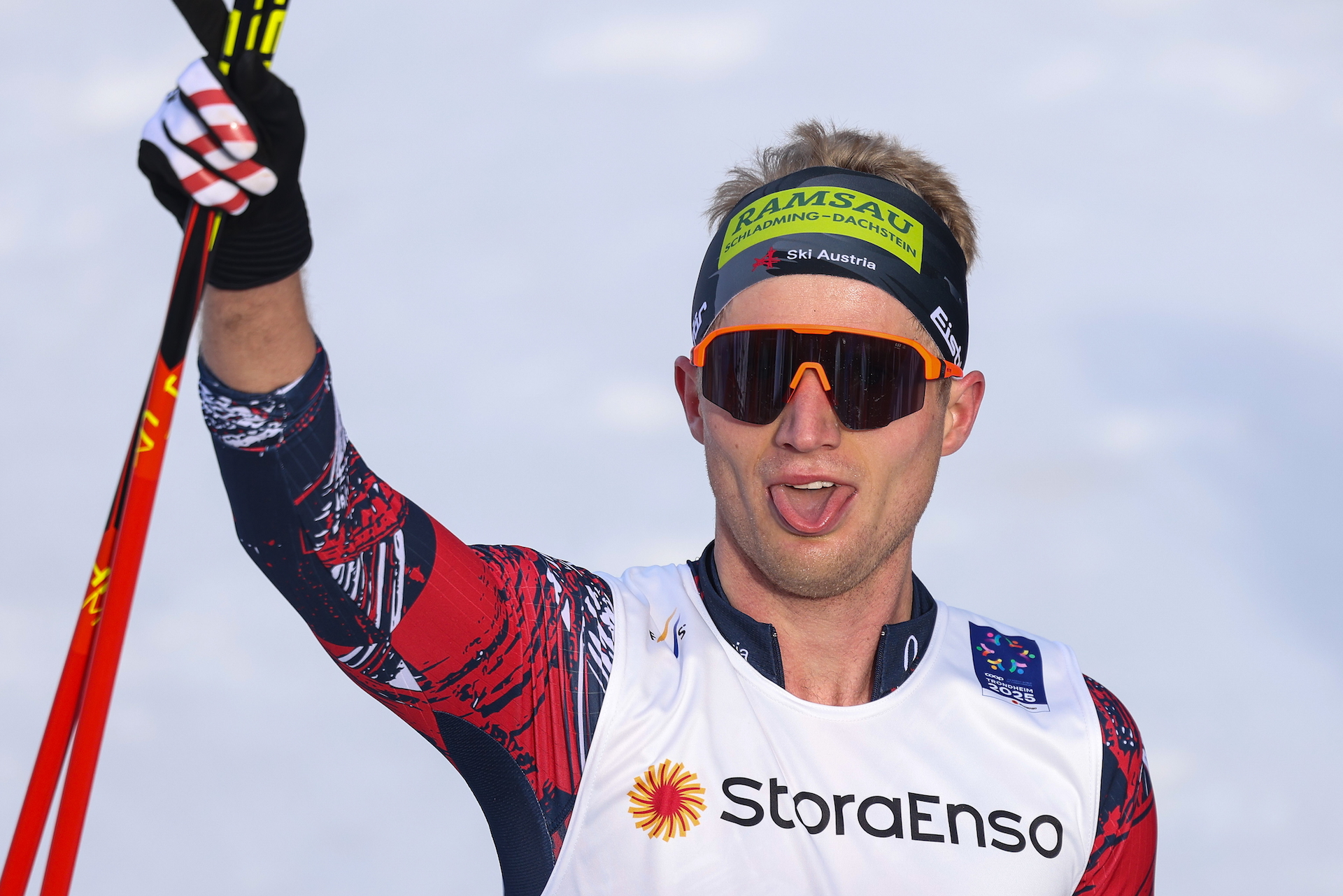
Vermeulen’s introspection is further illuminated by his reflections on past performances. He recalled being extremely disappointed with his own results at the previous year’s World Championships in Trondheim, despite achieving two top-10 finishes and a 13th place. At that time, he vowed that such a level of personal dissatisfaction would not be repeated. This past experience likely informs his current measured response to the season’s outcome, highlighting a commitment to continuous improvement.
The informal "awards" were compiled by Finnish media, with expert commentary from former World Champion Pirjo Muranen. Muranen also identified Tiril Udnes Weng of Norway as the biggest disappointment on the women’s side. The 29-year-old Norwegian experienced a difficult start to the season, which led to her losing her World Cup team spot. She only returned to the top level in March, receiving a wildcard entry as the winner of the Scandinavian Cup. Muranen’s assessment was blunt: "The former World Cup winner is miles away from where she used to be."
The runner-up for the women’s biggest disappointment was Germany’s Katharina Hennig-Dotzler. In stark contrast, Johannes Høsflot Klæbo was unsurprisingly named the season’s best male skier. On the women’s side, the competition for the top honor was reportedly close between Jessie Diggins of the United States and Frida Karlsson of Sweden.
Beyond the disappointments, the Finnish media also recognized the season’s most improved athletes. Einar Hedegart and Lars Heggen were singled out for their significant progress on the men’s side, while Nadja Kählin from Switzerland received similar recognition in the women’s field.
The context of these designations is crucial. The World Cup season in cross-country skiing is notoriously competitive, with athletes vying for points and prestige across a demanding calendar of events. The season typically kicks off in late November in Ruka, Finland, followed by a series of races in Scandinavia, Central Europe, and often concludes with events in North America or back in Europe in March. This season, like many before it, has seen a rapid evolution of talent, with new stars emerging and established athletes facing intense pressure to maintain their dominance.
The Ruka World Cup weekend, where Vermeulen achieved his breakthrough, is a critical early-season indicator. Strong performances here often set the tone for an athlete’s entire season and can significantly impact their confidence and World Cup standing. Vermeulen’s initial success at Ruka placed him in an elite group, generating considerable anticipation for his subsequent performances. The subsequent drop in form, therefore, represents a significant narrative arc within the season.
William Poromaa’s situation also warrants a closer look. His silver medal at the 2023 World Championships in Planica was a landmark achievement, positioning him as a leading contender for major titles. His relative quietness this season could be attributed to various factors, including injury, a change in training regimen, or simply a period of rebuilding. The intense scrutiny faced by athletes at this level means that any deviation from expected performance is often amplified.
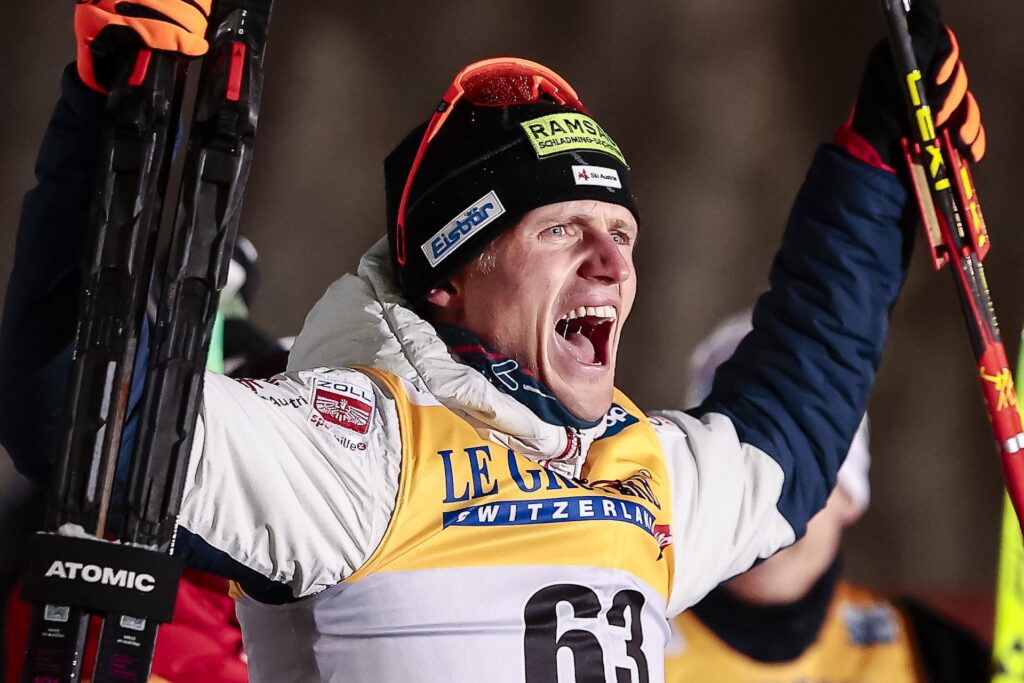
The "disappointment" label, while harsh, reflects the high expectations placed upon athletes who have demonstrated exceptional talent and achieved significant results in the past. For Vermeulen, the journey from a career-best podium to being labelled a disappointment underscores the volatile nature of elite sports. It highlights the fine line between peak performance and a dip in form, and the immense pressure athletes face to consistently deliver at the highest level.
The broader implications of these designations extend beyond individual athletes. They reflect the growing global interest in cross-country skiing and the increasing depth of talent within the sport. The emergence of new stars like Einar Hedegart and the continued dominance of established figures like Klæbo create a dynamic and compelling narrative for fans. Conversely, the struggles of athletes like Vermeulen and Poromaa also contribute to the storylines, reminding audiences of the challenges and unpredictability inherent in competitive sports.
The analysis of Vermeulen’s season can also be viewed through the lens of training and adaptation. His relocation to Lillehammer, a renowned training hub for cross-country skiing, suggests a commitment to optimizing his preparation. However, the transition to a new environment and training philosophy can sometimes take time to yield results, and occasionally, it may lead to unexpected challenges. The success of his initial races indicates that his training was effective, but the subsequent decline suggests that other factors may have come into play, such as illness, minor injuries, or a need for tactical adjustments.
The Finnish media’s assessment, while perhaps blunt, is not without its basis in performance data. The stark contrast between Vermeulen’s early-season success and his later results provides quantifiable evidence for their designation. Similarly, the comparison of Poromaa’s current season with his previous triumphs offers a clear basis for Vermeulen’s counter-argument.
In conclusion, Mika Vermeulen’s candid response to being named the season’s biggest disappointment highlights the complexities of elite cross-country skiing. While acknowledging his own performance drop-off, he offers a broader perspective that places the "disappointment" title in context. His willingness to engage with the criticism and offer his own insights provides a valuable glimpse into the mindset of an athlete navigating the highs and lows of a demanding professional career. The season’s narrative, as shaped by these informal designations, underscores the relentless pursuit of excellence and the unforgiving nature of elite competition.

