
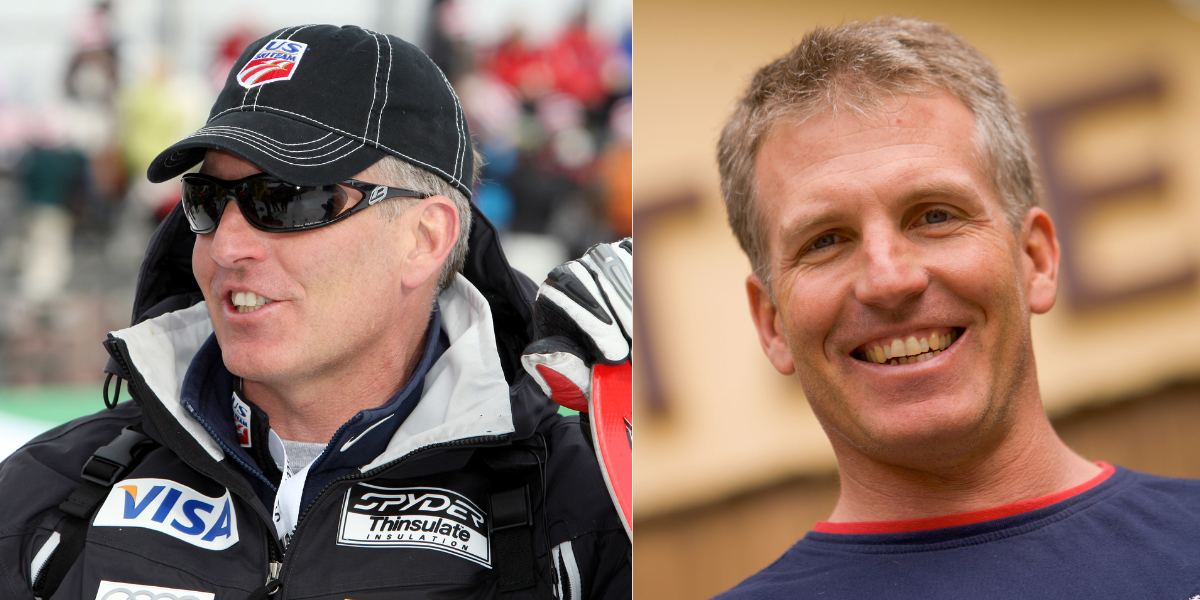
The Stifel U.S. Alpine Ski Team has announced a significant leadership change, welcoming back a familiar and highly respected figure to spearhead its men’s alpine program. U.S. Ski & Snowboard officially named Phil McNichol as the men’s alpine head coach on Wednesday, with his appointment effective immediately. This move marks a noteworthy return for McNichol to the American program, where he previously served as head coach during a period widely recognized as one of the most successful in the history of the U.S. men’s World Cup team, fostering an environment that produced multiple global stars and consistent podium finishes. His reappointment is anticipated to inject renewed vigor and strategic direction into the team, drawing upon his deep understanding of the U.S. system coupled with recent international experience.
A Proven Track Record: McNichol’s First Stint and Its Legacy
Phil McNichol’s name is synonymous with a golden era for U.S. men’s alpine skiing. During his initial tenure as head coach for the Stifel U.S. Ski Team men from 2002 to 2008, the program experienced an unprecedented surge in performance on the international stage. This six-year stretch was characterized by remarkable depth and individual brilliance, with seven different athletes achieving World Cup podium finishes. This was not merely a fleeting success; it represented a fundamental shift in the competitiveness of American male skiers. Athletes like Bode Miller, Daron Rahlves, and Ted Ligety blossomed under his guidance, becoming household names in the ski racing world.
Miller, a prodigious talent, secured multiple World Cup overall titles and Olympic medals, often showcasing a daring and unconventional style that captivated audiences. Rahlves, a formidable speed specialist, consistently challenged the European dominance in downhill and super-G, earning numerous World Cup victories. Ligety, who would later become a giant slalom legend, began his ascent during this period, laying the groundwork for his future Olympic and World Championship triumphs. Beyond these marquee names, McNichol’s leadership also saw strong performances from athletes such as Steven Nyman, a perennial threat in downhill, Marco Sullivan, Erik Schlopy, and Scott Macartney, all of whom contributed to the team’s impressive World Cup results.
A testament to the collective strength and depth of the program under McNichol, the U.S. men’s team twice finished second in the prestigious Nations Cup standings during his tenure. The Nations Cup is a comprehensive ranking system that awards points based on the collective performance of all athletes from a given nation across all disciplines and events throughout the World Cup season. Achieving second place twice against traditionally dominant alpine nations like Austria, Switzerland, and France underscored the robust and broad-based success that McNichol cultivated, reflecting not just individual brilliance but a cohesive and high-performing team structure. This era set a new benchmark for American alpine skiing and continues to be referenced as a model for sustained excellence.
The Journey Back: International Experience and Continued Development
Following his departure from U.S. Ski & Snowboard, McNichol did not step away from elite alpine racing. His career trajectory saw him continue to contribute significantly to the sport, most notably by serving as the Alpine Director for Alpine Canada from 2019 to 2023. This role provided him with invaluable experience managing a national program from a broader, strategic perspective, overseeing both men’s and women’s teams. His time in Canada allowed him to gain fresh insights into different organizational structures, athlete development pathways, and coaching methodologies within another prominent alpine nation. This period undoubtedly enriched his understanding of the global ski racing landscape, equipping him with a broader toolkit of leadership and management strategies that he now brings back to the U.S. program. The challenges and successes encountered while leading Alpine Canada’s alpine contingent will undoubtedly inform his approach as he reassumes the reins of the U.S. men’s team, offering a fresh perspective while leveraging his deep-seated knowledge of the American system.
A Leader for the Future: Vision and Philosophy
Stifel U.S. Ski Team Alpine Director Sasha Rearick, who himself has a rich history with the U.S. program, expressed immense enthusiasm for McNichol’s return. "I’m extremely excited to welcome Phil’s leadership back to the men’s team," Rearick stated in the official announcement. "He’s a true team builder who creates an environment where athletes and staff can grow both individually and together as a high-performing group. Phil brings a genuine care for people, great energy and a lot of fun to the daily process of getting better."
Rearick’s comments highlight key aspects of McNichol’s leadership philosophy that are particularly valued in high-performance sports environments. The emphasis on "team building" suggests a focus on fostering strong internal relationships, mutual support, and a collective pursuit of goals rather than solely individual achievements. Creating an environment where "athletes and staff can grow" speaks to a commitment to holistic development, recognizing that sustained success requires continuous improvement not just in athletic performance but also in personal and professional capacities. The mention of "genuine care for people" and "great energy" points to a leadership style that is both empathetic and motivating, crucial for navigating the demanding and often high-pressure world of elite ski racing. Such an approach helps to cultivate trust and psychological safety, allowing athletes to take risks and learn from failures without fear.
U.S. Ski & Snowboard further elaborated on McNichol’s reputation within the alpine skiing community, describing him as a leader known for an athlete-centered approach. This style is characterized by prioritizing the well-being and development of the athletes, fostering trust, promoting collaboration among team members and staff, instilling accountability, and building strong, enduring relationships. These principles are foundational for developing resilient athletes and a cohesive team culture, essential ingredients for long-term success in a sport as demanding and individualized as alpine skiing. His extensive international coaching experience, spanning multiple World Cup cycles with both the American team and Alpine Canada, provides him with a unique breadth of knowledge regarding diverse competitive landscapes and athlete needs.
Shifting Focus: Momentum and Future Aspirations
McNichol himself conveyed a clear sense of purpose and excitement about his new role. "I’m genuinely honored to return to the Stifel U.S. Ski Team and support these athletes in their pursuit of excellence and world-class performance," he commented in the U.S. Ski & Snowboard release. His statement reflects a deep commitment to the athletes and a recognition of the progress already made within the organization. "U.S. Ski & Snowboard has built tremendous momentum, and I’m excited to help contribute to the next chapter by creating an environment where athletes and staff can thrive and perform at their best."
This sentiment underscores a forward-looking perspective, acknowledging the current positive trajectory of the program while aiming to elevate it further. His focus on creating an environment where athletes and staff "thrive and perform at their best" suggests a comprehensive strategy that goes beyond mere training routines, encompassing mental fortitude, physical conditioning, technical mastery, and a supportive team culture.
As the men’s alpine head coach, McNichol’s responsibilities will be multifaceted, involving close collaboration with coaches, athletes, and support staff across the entire Stifel U.S. Ski Team program. According to U.S. Ski & Snowboard, his primary role will be to continue strengthening the American men’s alpine program, with an explicit focus on pursuing long-term success on the World Cup circuit and beyond. This long-term vision encompasses not only consistent podium finishes and crystal globes but also sustained competitiveness at major events such as the Olympic Games and FIS World Championships. His leadership will be critical in developing the next generation of American alpine stars while maximizing the potential of current top performers.
The Current Landscape and the Road Ahead
McNichol returns to a U.S. men’s alpine program that has seen its share of fluctuations since his initial departure. While the team has continued to produce remarkable talents like two-time Olympic medalist Mikaela Shiffrin on the women’s side, the men’s program has worked diligently to maintain a consistent presence at the very top of the World Cup standings across all disciplines. Recent years have seen strong performances from athletes such as Ryan Cochran-Siegle, who earned an Olympic silver medal in super-G in 2022, and River Radamus, a promising talent in the technical disciplines. Other athletes like Luke Winters, Isaiah Nelson, and George Steffey represent the current depth and future potential of the squad.
The challenges facing McNichol are significant. Alpine skiing remains a sport dominated by well-funded and deeply entrenched European nations. Building a consistent pipeline of talent from junior ranks to the World Cup requires substantial resources, meticulous planning, and a culture of continuous innovation. His experience at Alpine Canada, dealing with similar national program complexities, will be invaluable. He will need to assess the current strengths and weaknesses of the U.S. program, identify areas for improvement in athlete development, coaching strategies, and support systems, and implement a clear vision that resonates with athletes and staff.
Opportunities abound as well. The U.S. has a strong legacy of producing independently-minded, highly skilled skiers. McNichol’s athlete-centered approach could further empower these individuals, fostering greater self-reliance and strategic thinking on the part of the racers. His return also comes at a time when the broader U.S. Ski & Snowboard organization is investing in long-term strategic initiatives to enhance performance across all disciplines, providing a supportive framework for his efforts. The synergy between his established leadership and the current team’s talent base holds considerable promise.
Broader Implications and Community Reception
The re-appointment of Phil McNichol has been met with widespread optimism within the American alpine skiing community. His previous success engenders confidence, and his international experience is seen as a distinct advantage. Observers believe that his return signals a commitment by U.S. Ski & Snowboard to stability and a proven methodology, rather than pursuing entirely new and unproven approaches. This could lead to a period of consolidation and focused growth for the men’s team. Athletes, both current and aspiring, are likely to view his return as a positive development, offering a clear leadership path and a coaching philosophy that prioritizes their development and well-being.
His role will be pivotal in shaping the team’s trajectory towards future major competitions, including the 2026 Olympic Winter Games in Milan Cortina. The strategic decisions made under his guidance in the coming seasons will directly impact the competitiveness of American male skiers on the global stage. McNichol’s ability to blend his historical knowledge of the U.S. system with the fresh perspectives gained from his time abroad positions him uniquely to lead the Stifel U.S. Alpine Ski Team men into a new chapter of sustained excellence and world-class performance, building upon the "tremendous momentum" he has identified and striving for continued growth and success.

