
The long-anticipated future of celebrated biathlon coach Siegfried Mazet has been officially clarified, with the architect of Norway’s recent golden era now stepping into the pivotal role of head coach for the French men’s national biathlon team. This significant appointment, confirmed by the French Ski Federation, concludes a period of considerable speculation following Mazet’s departure from his highly successful tenure with the Norwegian team. His move to a directorship within the French setup, a nation often considered Norway’s fiercest rival in the sport, marks a strategic realignment within international biathlon coaching circles and signals France’s ambitious plans for the upcoming competitive cycles, particularly with an eye on the 2024 Paris Olympics.
A Decade of Dominance and a Bold New Chapter
Siegfried Mazet, widely lauded as the "gold coach" for his instrumental role in nurturing the exceptional talents of Norwegian biathletes such as the Bö brothers (Tarjei and Johannes), Vetle Sjåstad Christiansen, Johannes Dale-Skjevdal, and Sturla Holm Lægreid, had been the subject of intense speculation regarding his next career move since announcing his departure from the Norwegian national team at the conclusion of the Olympic season. For nearly a decade, Mazet’s innovative training methodologies and keen eye for talent had been synonymous with Norwegian biathlon’s unparalleled success on the global stage. His influence was credited with elevating multiple athletes to World Cup victories, World Championship titles, and Olympic medals, solidifying Norway’s position as a dominant force in the sport.
While it was known that Mazet would assume a significant position within the French national setup, the exact nature of his role remained undefined for a period. Rumors had circulated, with many anticipating he might take charge of the French women’s team, a unit that had faced coaching uncertainties. However, the official announcement clarifies that the 48-year-old French national will indeed lead the men’s elite squad. This appointment also coincides with the integration of promising talent such as Gaetan Paturel, who recently clinched the IBU Cup overall title, into the French system, indicating a strategic investment in both established stars and emerging potential.
France’s Ambitious Elite Squads for 2026-2027 Season
The French Ski Federation unveiled its national team compositions for the 2026-2027 season on Monday, a presentation that highlighted a robust and strategically assembled set of athletes for both the men’s and women’s disciplines. The men’s elite team, under Mazet’s directorship, is a formidable collection of talent. It comprises seven athletes, including the half-Norwegian World Cup winner Eric Perrot, the experienced veteran Quentin Fillon-Maillet, the Claude brothers (Emilien and Fabien), Oscar Lombard, and Emilien Jacquelin.
Under the new coaching structure, Siegfried Mazet will serve as the head coach, with Simon Fourcade, a former French biathlete himself, focusing on shooting technique. This dual leadership aims to harness Mazet’s renowned overall coaching acumen and Fourcade’s specialized expertise in marksmanship.
However, the French men’s team faces a significant temporary setback with the announcement that Emilien Jacquelin, a prominent figure in recent seasons, will be taking an indefinite leave of absence. Jacquelin intends to pursue a career as a professional road cyclist, aiming to compete in the Tour de France with the Decathlon AG2R La Mondiale team. This move, while a personal ambition for Jacquelin, presents a considerable challenge for the French men’s team as they navigate the immediate future without one of their key performers.
Coaching Stability and Strategic Appointments for the Women’s Team
While the spotlight has been on Mazet’s new role, the French Ski Federation has also resolved the coaching situation for the women’s team. After a period of deliberation, Cyril Burdet has committed to continuing his role as head coach, focusing on physical conditioning alongside Patrick Favre, who will lead the shooting training. This continuity in coaching staff for the women’s team provides a stable environment for a squad that boasts significant talent.
The women’s elite national team for the 2026-2027 season includes six athletes: World Cup overall champion Lou Jeanmonnot, Julia Simon, Justine Braisaz-Bouchet, Océane Michelon, Jeanne Richard, and Camille Bened. This roster represents a blend of seasoned champions and rising stars, poised to compete at the highest levels under Burdet and Favre’s guidance.
The Olympic Factor: A Catalyst for Mazet’s Move
Beyond the immediate competitive landscape, Siegfried Mazet has openly expressed that the prospect of participating in an Olympic Games hosted on home soil was a significant motivating factor in his decision to join the French team. The 2024 Paris Olympics, he stated, had already generated a positive international perception of France. Being part of a national team that is hosting such a monumental event, he believes, offers a unique and unparalleled experience. While not the sole determinant, this patriotic element added considerable weight to his consideration.
"I saw that the 2024 Olympics in Paris contributed to creating a positive image of France," Mazet remarked. "To be part of the team hosting the Olympics will be something very special. It’s not the most decisive factor, but it helps to tip the scales in favor." This sentiment underscores the broader impact of hosting major sporting events and their ability to attract and retain top talent within national sporting federations.
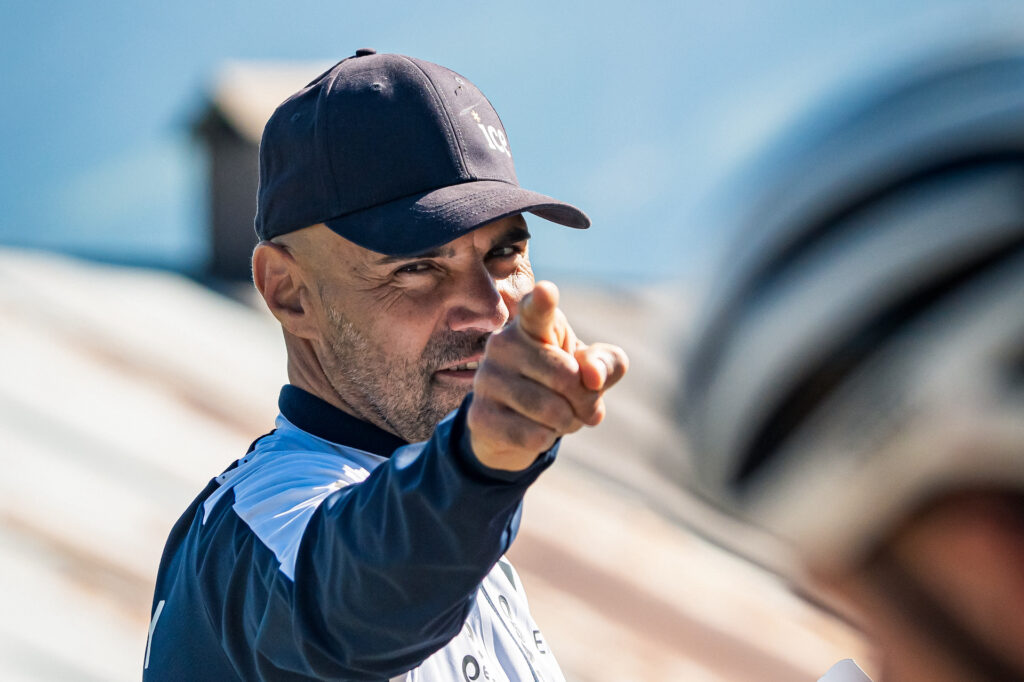
Chronology of Mazet’s Departure and French Appointment
The initial announcement of Siegfried Mazet’s departure from the Norwegian national team sent ripples through the biathlon community. He revealed his decision in August, just prior to the commencement of the Blink Festival biathlon competitions in Sandnes, Norway. This timing undoubtedly impacted several Norwegian athletes, with whom Mazet had forged deep professional and personal bonds. His departure was not merely a professional transition but also a personal one, as evidenced by his previous public statements emphasizing the profound significance of his relationships with athletes like Johannes and Tarjei Bö, who "meant everything" to him.
The subsequent period was marked by intense speculation within the sports media and among fans about his destination. While a move to France was widely anticipated, the specifics of his role remained a subject of conjecture until the official confirmation from the French Ski Federation. The timeline of these events highlights a carefully managed transition, allowing both Mazet and the federations involved to prepare for the changes.
Background and Strategic Implications
Siegfried Mazet’s success with Norway was built on a foundation of rigorous training, meticulous preparation, and a profound understanding of the psychological aspects of elite sport. He is known for his innovative approach to training, often incorporating diverse methods and a strong emphasis on mental resilience. His ability to connect with athletes and tailor training programs to individual needs has been a hallmark of his coaching philosophy.
France, a nation with a rich history in biathlon and a strong desire to reclaim its position among the sport’s elite, sees Mazet’s appointment as a strategic masterstroke. The French men’s team has produced exceptional talent over the years, but consistency at the very highest level has sometimes been elusive. By bringing in a coach with Mazet’s proven track record of developing champions and fostering winning cultures, France aims to bridge that gap.
The rivalry between Norway and France in biathlon is intense and long-standing. Mazet’s move to coach the French team directly challenges Norway’s established dominance and sets the stage for compelling future encounters. His intimate knowledge of Norwegian training strategies and athlete profiles will undoubtedly provide France with a significant competitive advantage. This shift also represents a potential redistribution of coaching expertise at the highest echelons of international biathlon, a sport increasingly reliant on specialized and experienced coaching staff.
Furthermore, the integration of IBU Cup winner Gaetan Paturel into the elite squad signals a commitment to long-term development. Mazet’s experience in identifying and nurturing young talent will be crucial in integrating Paturel and other emerging athletes into the demanding World Cup circuit.
Analysis of the New Coaching Structure
The division of responsibilities between Mazet and Simon Fourcade within the French men’s team is a clear indication of a specialized coaching approach. Mazet, with his holistic coaching background, will likely oversee the overall training regimen, athlete development, and strategic planning. Fourcade’s focus on shooting, a critical and often differentiating skill in biathlon, allows for dedicated expertise in this area. This structure mirrors successful coaching models in other endurance sports, where specialized coaching roles are common.
The departure of Emilien Jacquelin, while a personal choice, presents a tactical challenge. The French team will need to adapt its strategies and redistribute the workload among the remaining athletes. This could also provide an opportunity for other athletes on the roster to step up and demonstrate their capabilities. The depth of talent within the French men’s team suggests they possess the potential to absorb such a loss, but Jacquelin’s absence will undoubtedly be felt.
The continued tenure of Cyril Burdet and Patrick Favre with the women’s team provides a sense of continuity and stability. The French women’s team has consistently been a strong contender, and with athletes like Lou Jeanmonnot and Julia Simon, they are well-positioned for continued success. The focus will be on building upon their existing strengths and further refining their performance under established leadership.
Broader Impact and Future Outlook
Siegfried Mazet’s move to France is more than just a coaching appointment; it is a significant event that could reshape the competitive dynamics of international biathlon. His influence on the Norwegian team was profound, and his ability to replicate that success with a rival nation will be closely watched. The French Ski Federation’s investment in Mazet signifies their clear ambition to be at the forefront of the sport, not just domestically but on the global stage.
The upcoming seasons will be a test of Mazet’s adaptability and his capacity to integrate into a new system and culture. The French athletes will benefit from his expertise, but success will ultimately depend on the collective effort and the athletes’ ability to implement his strategies. The rivalry between Norway and France is set to intensify, offering fans thrilling competitions and a compelling narrative as the biathlon world adjusts to this new coaching landscape. The coming years promise to be pivotal for French biathlon, with the hope of achieving new heights under the guidance of one of the sport’s most respected coaches.

