
Following a decade shaping Norway’s dominant biathlon program, Siegfried Mazet has officially transitioned to lead France, his new charge, signaling a profound shift in training philosophy and strategic planning. Mazet, widely regarded as one of the most influential coaches in modern biathlon, has publicly declared a departure from his previous approach, driven by a re-evaluation of the biathlon circuit’s evolving landscape. "From now on, it will be a completely different approach," Mazet stated in an interview with the International Biathlon Union (IBU). This recalibration is not merely a stylistic change; it is a direct response to the diminishing emphasis on high-altitude competitions in the upcoming major championships, a factor that necessitates a fundamental restructuring of the season’s preparation.
The core of Mazet’s new philosophy centers on optimizing training camp locations and the quality of work performed at these sites, rather than solely preparing for specific championship events. "Hereafter, the focus will be on the choice of locations for our training camps and the quality of the training work we can accomplish there, rather than preparing for a specific championship like the Olympics in Anterselva," he explained. This marks a significant departure from previous methodologies, where extensive acclimatization periods for high-altitude events were paramount.
The Shifting Altitude of Competition
The impetus for this strategic pivot is multifaceted, with the geographical locations of future championships playing a pivotal role. Following the Winter Olympics in Anterselva (2020) and the Beijing 2022 Olympics, both held at elevations exceeding 1,700 meters, the biathlon calendar is set to feature a series of major events at significantly lower altitudes. The upcoming World Championships in Otepää (Estonia), Kontiolahti (Finland), and Oslo (Holmenkollen, Norway), along with the potential Olympic Games in the French Alps in 2030 (Le Grand Bornand), are all situated below 1,000 meters. This stark contrast in venue elevation has direct implications for training strategies.
"Our training camps will no longer be as long. Previously, we had to arrive much earlier because we needed time to acclimatize properly before the high-altitude championships," Mazet elaborated. The reduced need for prolonged acclimatization at extreme altitudes allows for a more focused approach on high-intensity training sessions. This means that training blocks can be shorter, more concentrated, and potentially more dynamic, enabling athletes to reach peak performance more efficiently within the competitive window. The IBU’s recent decisions regarding venue selections reflect a broader trend in endurance sports, acknowledging the physiological stresses and logistical challenges associated with consistently high-altitude racing. Data from previous seasons indicate that athletes who struggled with acclimatization often experienced diminished performance, particularly in the latter stages of races, where oxygen availability becomes a critical factor.
A Different Starting Point for French Athletes
Mazet also highlights a fundamental difference in the starting point of his French athletes compared to the Norwegian contingent he coached for a decade. While many Norwegian biathletes primarily reside and train in low-lying regions, a significant number of French athletes have adopted a lifestyle centered around high-altitude living and training. "Many of the French athletes live and train at over 1,200 meters year-round," Mazet noted. For these athletes, being at altitude is their norm, not an exceptional physiological challenge that requires extensive preparatory measures. This inherent advantage means that the French team can leverage their existing physiological adaptations, potentially allowing for a more aggressive training regimen without the same acclimatization hurdles faced by athletes who are less accustomed to altitude.
This difference in athlete baseline physiology is a crucial factor in Mazet’s strategic recalibration. It suggests that the traditional model of bringing athletes to altitude camps specifically for acclimatization may be less relevant for the French team. Instead, the focus can shift towards optimizing their already high-altitude trained bodies for specific race conditions and intensity demands, regardless of the competition venue’s altitude. This could also lead to a more integrated approach, where the athletes’ year-round training environment aligns more closely with the demands of the competition circuit.
The Holistic Approach: Every Element Matters
Mazet’s coaching philosophy has always emphasized a holistic approach, recognizing that success in biathlon is a complex interplay of numerous factors. He remains steadfast in his belief that every element is critical, stating, "Everything is important. It doesn’t matter if you have the best skis if you are not in shape. And the world’s best shape cannot compensate for bad skis." This statement underscores a commitment to meticulous attention to detail across all facets of biathlon, from physical conditioning and technical skill to equipment optimization and mental fortitude.
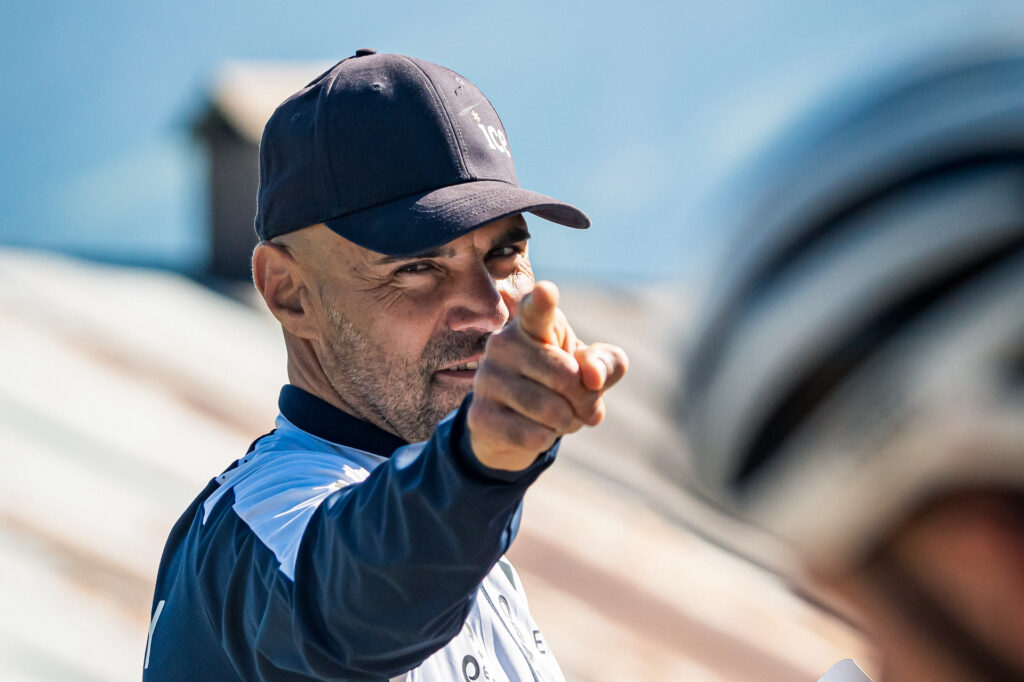
The implications of this all-encompassing philosophy are significant for the French team. It suggests that Mazet will not only focus on athletic performance but also on the intricate details of equipment, nutrition, recovery, and sports psychology. In a sport where margins are incredibly fine, and races can be decided by fractions of a second, neglecting any single aspect can prove detrimental. The success of the French team under his leadership will likely hinge on the seamless integration of these diverse elements, creating a unified and robust performance ecosystem. This also implies a collaborative approach with ski technicians, sports scientists, and other support staff, ensuring that all components are working in unison to achieve the ultimate goal.
Sustained Performance Throughout the Season
A key objective for Siegfried Mazet in his tenure with the French team is to ensure that the athletes achieve peak performance not just for the World Championships but throughout the entire competitive season. He believes that sustained excellence is crucial for building confidence and momentum, which are vital for success in major championships. "One of my most important priorities is to ensure that the athletes deliver from January onwards," Mazet stated. "Achieving good results early builds confidence and security before the medal battles commence."
This strategic focus on early-season success contrasts with a common tendency in some sports to "peak" solely for the most significant event of the year. By aiming for consistent high-level performances from the outset of the season, Mazet intends to foster a winning mentality within the team. Early victories and strong placings can have a profound psychological impact, boosting athlete morale, reinforcing training methodologies, and creating a positive competitive environment. Furthermore, a strong early season performance can provide valuable data and insights into the athletes’ form and the effectiveness of their training, allowing for necessary adjustments to be made well in advance of the crucial championship races. This approach also recognizes the importance of accumulating World Cup points, which contribute to overall rankings and seedings for future competitions, potentially offering strategic advantages.
Broader Context and Potential Implications
Siegfried Mazet’s move to France marks a significant shift in the international biathlon coaching landscape. His decade-long tenure with Norway saw him play an instrumental role in solidifying their status as a dominant force, nurturing talents like Johannes Thingnes Bø and Tarjei Bø. His departure from this powerhouse program and his subsequent appointment with France, a nation with a rich biathlon history and a burgeoning pool of talent, has generated considerable anticipation.
The French biathlon federation has been actively seeking to elevate its standing on the world stage, and Mazet’s appointment is a clear indication of their ambition. His proven track record of developing elite athletes and implementing successful training programs makes him an invaluable asset. The strategic adjustments he is introducing are not merely about adapting to new competition venues; they represent a forward-thinking approach that could redefine how elite biathletes prepare for and compete in the modern era.
The implications of Mazet’s new philosophy extend beyond the French team. Other nations will undoubtedly be observing his methods closely, seeking to understand the effectiveness of training programs that de-emphasize extreme high-altitude acclimatization and prioritize consistent, high-intensity training throughout the season. The success of his new approach could influence training paradigms across the sport, potentially leading to a more standardized, yet adaptable, model for athlete preparation.
The International Biathlon Union (IBU) has also been proactive in adapting the sport’s calendar, with a greater diversity of venue altitudes becoming more common. This reflects a broader understanding of athlete welfare and the desire to create a more equitable competitive environment. Mazet’s strategic foresight in anticipating and responding to these changes demonstrates his deep understanding of the sport’s dynamics and his ability to innovate.
As the biathlon world looks ahead, the performance of the French team under Siegfried Mazet’s guidance will be a key narrative. His departure from Norway, a nation that has set the benchmark for success, and his commitment to forging a new path with France, presents an intriguing chapter in the ongoing evolution of this demanding and captivating sport. The coming seasons will undoubtedly reveal the full impact of his strategic overhaul and whether France can indeed ascend to challenge the established order, powered by Mazet’s transformative vision. The dedication to consistency, combined with a nuanced understanding of altitude and intensity, positions the French team as a formidable contender, poised to make a significant mark on the global biathlon stage.

