
A rapidly expanding wildfire, identified as the Cottonwood Fire, continues to consume vast tracts of the Fishlake National Forest in central Utah, posing an existential threat to the Eagle Point Ski Resort and the surrounding mountain communities. As of the latest reports on June 28, 2026, the blaze has scorched approximately 56,613 acres of timber and brush. Despite the mobilization of local, state, and federal firefighting resources, officials have confirmed that the fire remains at zero percent containment. The incident, which began in a popular recreational area, has triggered a cascade of emergency measures, including mandatory evacuations, regional power outages, and the closure of critical transportation arteries.
Origin and Rapid Escalation of the Cottonwood Fire
The Cottonwood Fire was first reported on June 23, 2026, originating near the Cottonwood Campground, located off State Route 153. This area serves as a primary gateway to the high-altitude recreation zones of the Fishlake National Forest. While the specific ignition source remains under active investigation by fire marshals and law enforcement, the U.S. Forest Service has officially categorized the blaze as "human-caused." This classification excludes natural triggers such as lightning strikes, which are common in the Tushar Mountains during the summer monsoon season.
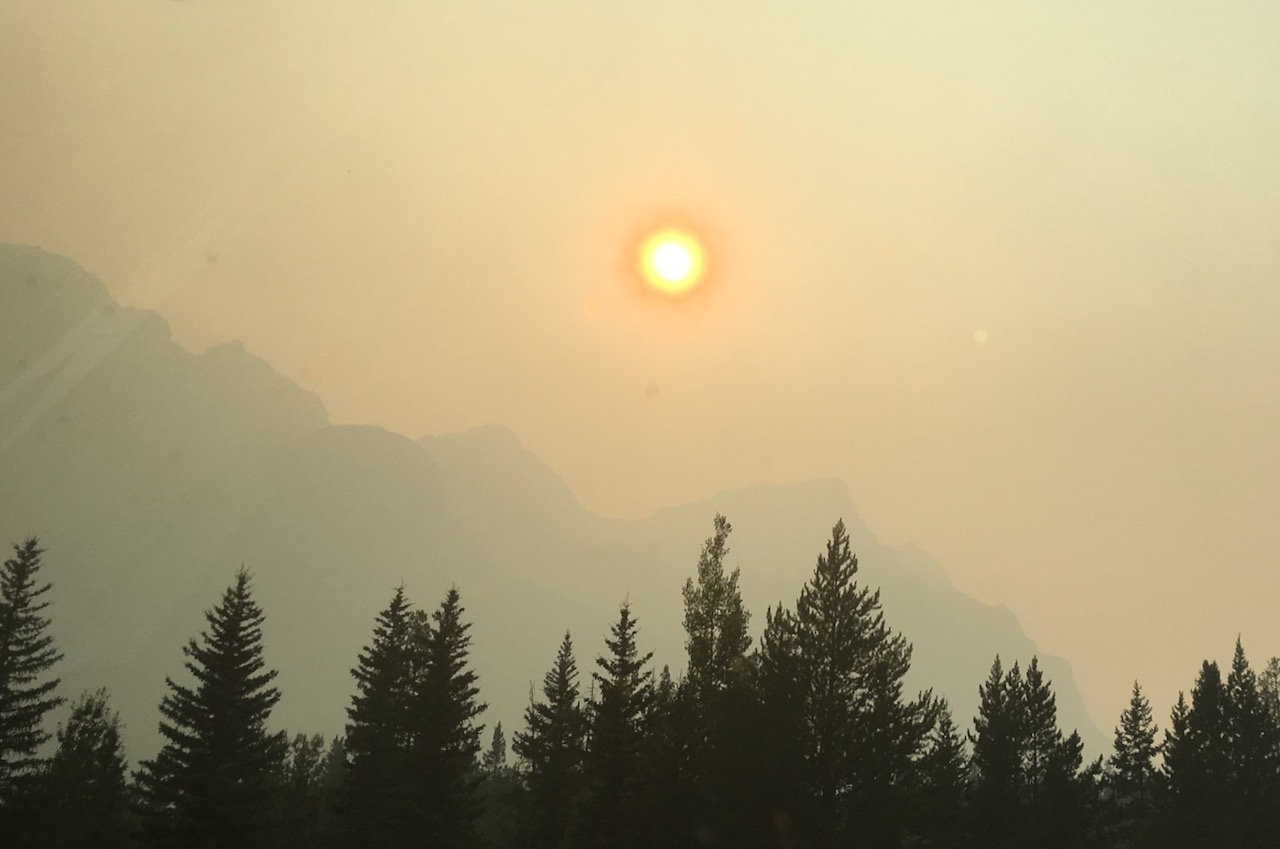
Initial response teams encountered extreme fire behavior driven by a combination of dense fuel loads, steep topography, and erratic wind patterns. Within the first 48 hours, the fire exhibited a "blow-up" phase, nearly doubling in size as it crested ridges and moved through canyons toward the Eagle Point Ski Resort. The rapid rate of spread overwhelmed early attempts at direct attack, forcing crews to pivot toward structure protection and the establishment of defensive perimeters. By mid-week, the smoke plume from the Cottonwood Fire was visible from over 100 miles away, impacting air quality across the Sevier Valley and parts of southern Utah.
Impact on Eagle Point Ski Resort and Infrastructure
The Eagle Point Ski Resort, a cornerstone of the Beaver County tourism economy, has found itself in the direct path of the inferno. Situated high in the Tushar Mountains, the resort is known for its high-elevation terrain and secluded atmosphere. Reports confirmed by KUTV2 News and resort management indicate that the fire has breached the resort’s boundaries, resulting in the destruction of several structures. While a full assessment of the damage is currently impossible due to ongoing fire activity and safety concerns, the loss includes outbuildings and potentially some guest accommodations.
Eagle Point, which originally opened in the 1970s as Mt. Holly and later operated as Elk Meadows, underwent a significant revitalization under current ownership. Spanning 650 acres with 43 runs and five lifts, the resort represents a significant capital investment in the region. The threat to this infrastructure is not only a blow to the winter sports community but also to the year-round residential population that maintains homes within the resort’s footprint.
In a formal press release, resort management emphasized their commitment to safety: “The safety of our guests, homeowners, employees, and community remains our highest priority. Eagle Point Resort has fully complied with evacuation orders and is working closely with emergency management officials and responding agencies as the situation continues to evolve.” Shane Gadbaw, the owner of Eagle Point, expressed profound gratitude for the first responders, noting that their "dedication and bravery on the front lines" were instrumental in preventing even greater losses during the initial surge of the fire.
Chronology of Events: June 23 – June 28
The progression of the Cottonwood Fire illustrates the volatility of modern wildfire seasons in the Intermountain West.
- June 23: The fire ignites near Cottonwood Campground. Emergency services arrive to find the fire spreading through dry undergrowth. State Route 153 is closed to all non-emergency traffic.
- June 24: High temperatures and low humidity fuel a massive run. The fire expands to nearly 30,000 acres. Mandatory evacuation orders are issued for the Eagle Point Resort area and nearby summer homes.
- June 25: The blaze nearly doubles in size again, reaching the 56,000-acre mark. Reports emerge of structural losses within the resort perimeter. Power companies de-energize lines in the canyon to prevent further ignitions and protect firefighters.
- June 26-27: Heavy smoke prevents consistent aerial suppression efforts. Ground crews focus on creating fuel breaks along the eastern flank to protect the town of Beaver.
- June 28: Containment remains at zero percent. Firefighters face a "red flag" warning as wind speeds increase, threatening to push the fire into previously unburned sectors of the Fishlake National Forest.
Environmental and Geographical Challenges
The Tushar Mountains present a formidable environment for wildland firefighting. As the third-highest mountain range in Utah, with peaks exceeding 12,000 feet, the terrain is characterized by vertical cliffs, deep-seated canyons, and limited access roads. The Fishlake National Forest, which encompasses this range, is home to diverse ecosystems, including Engelmann spruce, subalpine fir, and vast stands of aspen.
The current fire behavior is exacerbated by years of accumulated "ladder fuels"—dead trees and brush that allow fire to climb from the forest floor into the canopy. Once a fire becomes a "crown fire," it moves much faster and is significantly harder to extinguish. Furthermore, the high altitude limits the effectiveness of certain aerial tankers, as the thinner air affects aircraft lift and the accuracy of retardant drops.
The zero percent containment figure reflects the difficulty of establishing a "line" around the fire that is cleared of all flammable material down to the mineral soil. In the Tushar Mountains, building these lines often requires manual labor with chainsaws and hand tools, as the slopes are too steep for bulldozers or heavy machinery.
Community and Economic Implications
The Cottonwood Fire has paralyzed the local economy in Beaver County. Beyond the immediate threat to life and property, the closure of State Route 153 has cut off a vital artery for the region’s summer tourism. The road is a popular scenic byway used by hikers, mountain bikers, and anglers seeking the cooler temperatures of the high country.
The power outages necessitated by the fire have affected not only the evacuation zones but also outlying ranches and agricultural operations. For the town of Beaver, which serves as a service hub for travelers on Interstate 15, the fire represents a significant loss of seasonal revenue.
The long-term implications for Eagle Point Resort are also concerning. Even if the primary lodges and lifts are spared, the "burn scar" left behind can lead to secondary disasters such as mudslips and debris flows during the summer rains. Such geological instability can damage ski runs and access roads, potentially delaying the winter season or requiring millions of dollars in remediation.

Official Responses and Public Safety Information
State and federal agencies have mobilized a Type 1 Incident Management Team to oversee the suppression efforts. This designation is reserved for the most complex and high-priority fires in the nation. Resources currently deployed include:
- Multiple "Hotshot" crews (elite ground firefighters).
- A fleet of Type 1 and Type 2 helicopters for water drops.
- Fixed-wing air tankers dropping Phos-Chek retardant.
- Local volunteer fire departments providing structure protection in the lower canyons.
The Utah Department of Transportation (UDOT) has maintained a strict closure of State Route 153, advising the public that there is no estimated time for reopening. Residents in surrounding areas have been told to remain in a state of "Ready" or "Set" (pre-evacuation) as wind patterns remain unpredictable.
Guests who held reservations at Eagle Point Resort for the summer season have been instructed to contact the resort’s administrative offices. Due to the power outages and the evacuation of administrative staff, the resort has requested patience as they work through rescheduling and cancellations.
Analysis of the Wildfire Crisis in the Intermountain West
The Cottonwood Fire is a stark reminder of the increasing vulnerability of the "Wildland-Urban Interface" (WUI)—areas where human structures meet undeveloped forest land. As more developments like Eagle Point expand into high-risk zones, the complexity of firefighting increases exponentially. The focus must often shift from extinguishing the forest fire to defending individual homes and commercial buildings, a tactic that is both resource-intensive and dangerous.
The "human-caused" nature of this fire also highlights a persistent challenge for forest management. Despite widespread public education campaigns and seasonal fire restrictions, human negligence remains a leading cause of catastrophic wildfires. In Utah, where the climate has become increasingly arid over the last decade, a single spark in a campground can result in the loss of tens of thousands of acres of pristine wilderness and millions of dollars in property damage.
As the Cottonwood Fire continues to burn through the end of June, the priority remains the establishment of containment lines and the protection of the remaining infrastructure at Eagle Point. The recovery process for the Fishlake National Forest will likely take decades, as the high-altitude ecosystem is slow to regenerate. For now, the eyes of the state remain on the Tushar Mountains, hoping for a break in the weather that will allow firefighters to finally gain the upper hand against this relentless blaze.

