
Little Cottonwood Canyon, Utah – Despite a season that officially logged 305 inches of snowfall, significantly below Snowbird’s average of over 500 inches, the resort is framing the 2025-2026 winter as one of resilience and unexpected triumphs. The reduced snowfall led to a later-than-anticipated opening and an earlier-than-desired closure, conditions that could be perceived as detrimental. However, Snowbird’s perspective, as highlighted in their recent video recap, emphasizes that even a “down” year offered considerable skiing opportunities and substantial on-mountain development, painting a picture of a season that defied initial expectations.
A Season of Contrasts: Below Average, Yet Still Abundant
The 2025-2026 winter season at Snowbird presented a stark contrast to the resort’s typically snow-laden reputation. Official tallies reported 305 inches of snowfall, a figure that, when compared to the resort’s historical average of over 500 inches, clearly marks it as a below-average year. This scarcity directly impacted operational timelines, forcing Snowbird to delay its opening date and conclude its season sooner than many anticipated. For a resort synonymous with deep powder and extended ski seasons, such a snowfall deficit typically signals a challenging period.
However, Snowbird’s management and marketing teams are choosing to focus on the positives, framing the season not as a failure, but as a testament to the resort’s enduring appeal and the inherent value of its infrastructure, even in drier conditions. The 305 inches of snow, while below average for Snowbird, remains a substantial accumulation that many other ski resorts, particularly those in regions less accustomed to heavy snowfall, would consider a highly successful winter. This perspective shifts the narrative from one of deficit to one of enduring quality.

Overcoming Challenges: The Strength of a Solid Base and Spring Skiing
The impact of a less-than-average snowfall season is often amplified by prevailing weather patterns. Across the Western United States, the 2025-2026 winter was characterized by warmer temperatures and inconsistent snow cycles in many areas, leading numerous resorts to face premature closures or severely limited operations. In this context, Snowbird’s ability to maintain a strong base for a significant portion of the season, even with reduced accumulations, proved to be a critical advantage.
When the expected winter storms did eventually arrive, Snowbird was in a prime position to capitalize on them. The resort was able to offer a robust spring skiing season, a period often characterized by sunny skies and firm snow conditions. This allowed skiers and snowboarders to continue enjoying the mountain well into the later months, providing a valuable extension to the season that might not have been possible at resorts less equipped to handle variable snow conditions. The late-season snowfalls, combined with the resort’s consistent grooming and snow management practices, ensured that the skiing experience remained enjoyable and rewarding.
Significant On-Mountain Enhancements Bolster the Experience
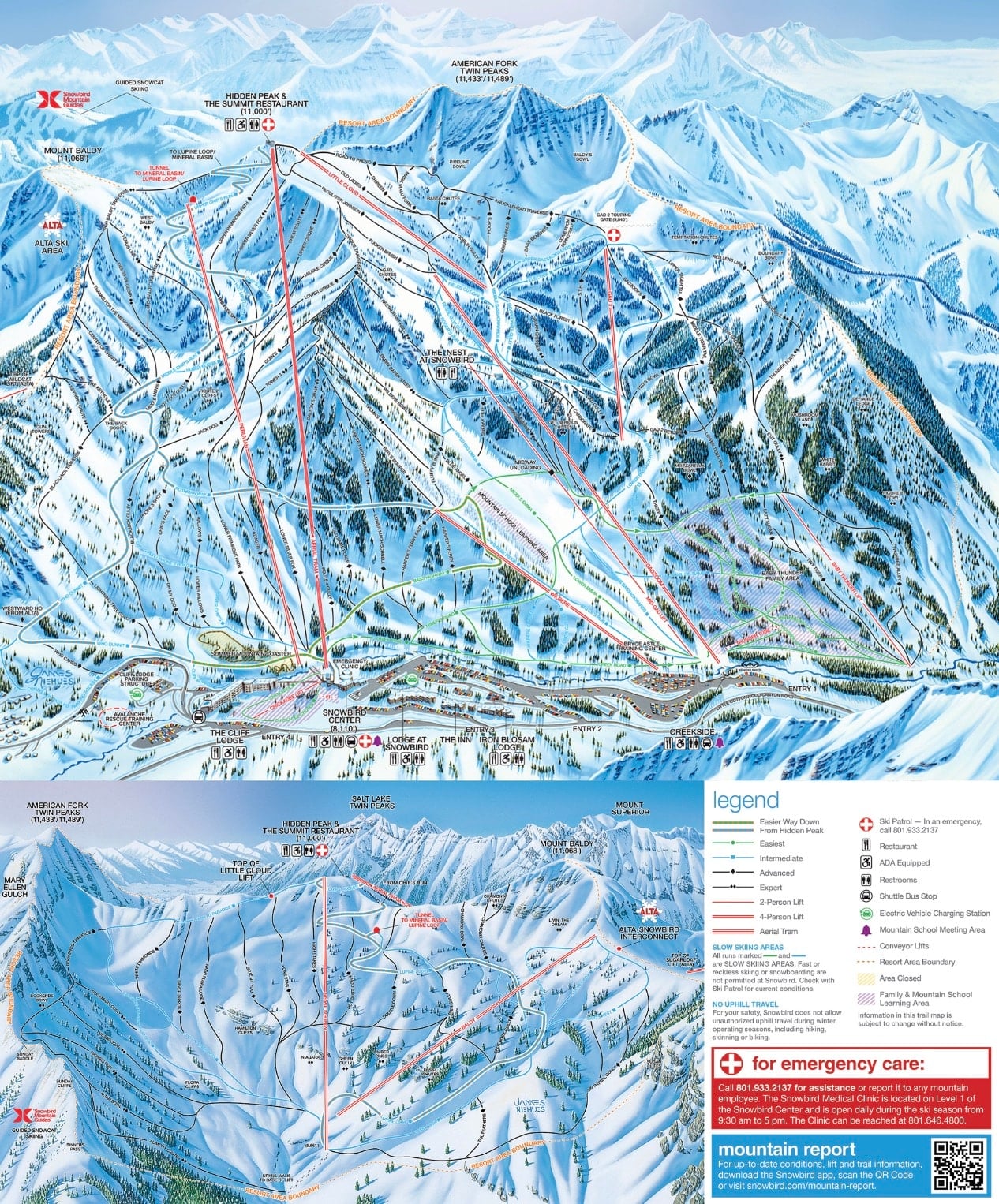
Beyond the natural snowfall, the 2025-2026 season was marked by significant capital improvements that enhanced the overall guest experience. A notable development was the grand opening of The Nest, a new mid-mountain restaurant. This culinary addition provided a much-needed dining and relaxation hub at a strategic location on the mountain, offering skiers and snowboarders a convenient and upscale option for refueling and taking in the panoramic views. The successful launch of The Nest represents a tangible investment in the resort’s infrastructure and guest amenities, contributing to the positive highlights of the season.
Furthermore, Snowbird has continued its commitment to modernizing its lift infrastructure. Preparations and work are currently underway for the off-season, which includes the replacement of the aging Chickadee chairlift. The new lift will be a SkyTrac fixed-grip quad chairlift, a modern upgrade designed to improve efficiency and capacity for skiers accessing beginner terrain. This ongoing investment in lift technology underscores Snowbird’s dedication to long-term operational excellence and enhancing the mountain experience for all skill levels. The introduction of new lifts and facilities demonstrates a forward-thinking approach, ensuring that Snowbird remains competitive and appealing even when facing natural challenges.

A Look Back: Key Moments and Enduring Appeal
Snowbird’s video recap, which serves as the basis for this reporting, visually encapsulates the spirit of the 2025-2026 season. It showcases moments of skiing and snowboarding, interspersed with the natural beauty of the Little Cottonwood Canyon. While the footage may depict fewer powder days than in a banner year, it effectively conveys the joy and exhilaration of engaging with the mountain environment. The accompanying imagery, including the provided photographs, highlights the picturesque landscapes and the active pursuit of winter sports that define Snowbird.
The narrative presented by Snowbird suggests a strategic approach to managing perceptions during a less-than-ideal snow year. By focusing on the total snowfall received, the quality of the spring season, and the successful launch of new amenities, the resort aims to demonstrate that a "worst season ever" can still be a season of achievement and positive development. This perspective is crucial for maintaining skier confidence and attracting visitors for future seasons. The resort’s ability to pivot from a narrative of scarcity to one of resilience and progress is a key element of its communication strategy.
Broader Implications for the Ski Industry
The experience at Snowbird offers valuable insights into the broader challenges and opportunities facing ski resorts in an era of climate change. As weather patterns become more unpredictable, resorts are increasingly reliant on robust snowmaking capabilities, efficient snow management, and diversified revenue streams beyond just lift tickets and season passes. Investments in on-mountain dining, summer activities, and other year-round attractions are becoming more critical for financial stability.
Snowbird’s approach of highlighting capital improvements and the extended spring season, even with reduced natural snowfall, demonstrates a proactive strategy for mitigating the impacts of climate variability. This focus on infrastructure and the overall guest experience, rather than solely on snow accumulation, provides a model for other resorts facing similar conditions. The resort’s success in turning a potentially negative narrative into one of resilience and continued investment is a testament to effective management and a deep understanding of its customer base.
The long-term implications of such seasons for the ski industry are significant. Resorts will need to continue innovating, investing in sustainable practices, and adapting their business models to ensure long-term viability. Snowbird’s ability to navigate the 2025-2026 season with a positive outlook and tangible improvements suggests that even in challenging years, the spirit of skiing and the commitment to providing exceptional mountain experiences can prevail. The resort’s focus on capital projects, such as the new Chickadee chairlift, signals a commitment to continued improvement and a long-term vision for the future of skiing in Little Cottonwood Canyon.

