
Nestled approximately 24 miles north of its bustling neighbor Mammoth Mountain in California’s dramatic Eastern Sierra, June Mountain presents a compelling paradox in the world of ski resorts. Boasting 925 skiable acres and offering some of the most breathtaking panoramic vistas in the state, June Mountain has recently been the subject of an in-depth analysis by PeakRankings, a prominent entity in ski resort evaluation. Their findings, disseminated through a detailed video review, reveal a complex character for the resort, one that often diverges from its publicly perceived identity as a family-friendly destination. The assessment highlights a unique blend of strengths and weaknesses that collectively shape June Mountain’s distinct appeal, challenging conventional expectations for a resort of its stature and location.
A Canvas of Unrivaled Natural Beauty
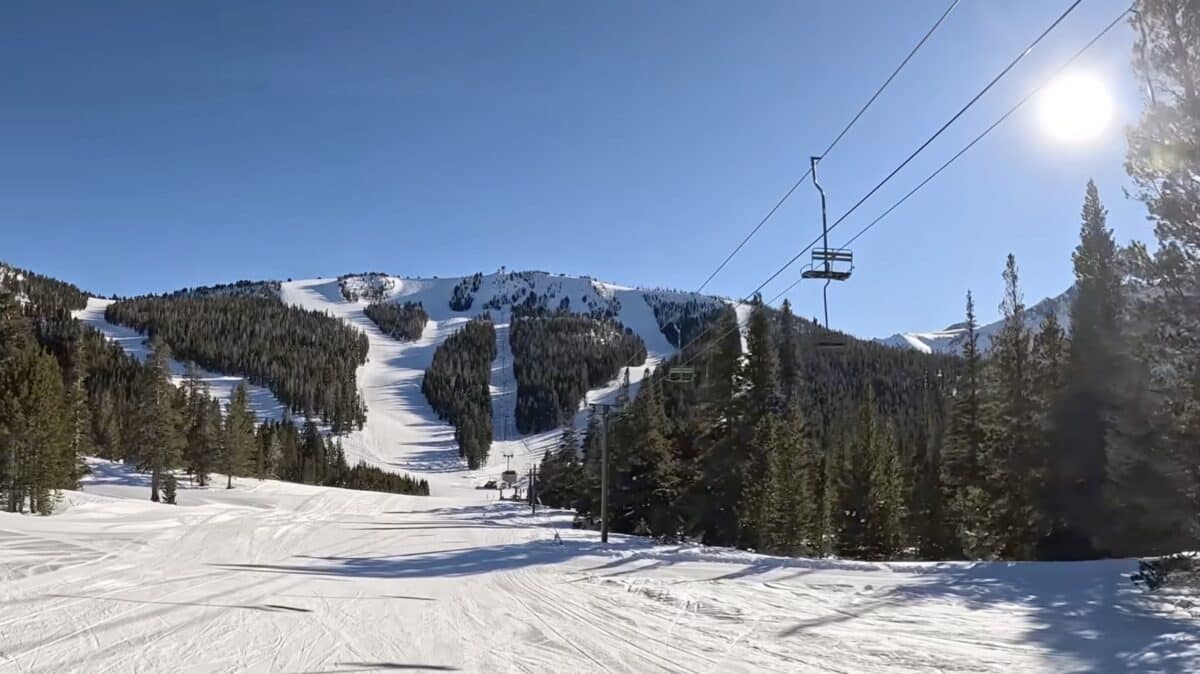
The most consistently lauded aspect of June Mountain is its extraordinary aesthetic. PeakRankings awarded the resort a near-perfect score of 8 out of 10 for mountain aesthetics. This high rating is attributed to the resort’s commanding presence within the Eastern Sierra range, offering sweeping, unobstructed views of surrounding peaks and the serene, eponymous June Lake. This dramatic backdrop imbues the skiing experience with a sense of grandeur that is seldom found in the Sierra Nevada. The visual expanse, extending to above-treeline ridgelines, cultivates an illusion of greater scale and ruggedness than the resort’s actual acreage might initially suggest. Such visual splendor not only enhances the skier’s experience but also positions June Mountain as a destination for those who prioritize natural beauty alongside their alpine pursuits.
Challenging Terrain for the Discerning Skier
Contrary to its family-friendly marketing, June Mountain possesses a surprising depth of challenging terrain that caters to advanced and expert skiers. The resort features genuinely steep, ungroomed double black diamond runs, complete with challenging cornice drops in select areas. The J7 lift pod, in particular, is noted for its consistent offering of expert-level descents that incorporate technical challenges. Furthermore, a strategically placed gate at the summit of J7 provides access to backcountry terrain, significantly expanding the available skiable area for those who are properly equipped and possess the requisite backcountry skills. This element of advanced terrain suggests a dual personality for June Mountain, appealing to both novice families and seasoned adventurers.
A Unique Family Affordability Proposition
One of June Mountain’s most distinctive advantages, and a significant draw for families, is its unparalleled pricing structure for younger skiers. Children aged 12 and under receive complimentary lift access, a policy unmatched by any other major ski resort in California. This generous offering transforms June Mountain into a genuinely budget-conscious option for families looking to introduce their children to skiing or snowboarding without incurring prohibitive costs. This policy underscores the resort’s commitment to fostering a new generation of skiers and snowboarders, aligning with its family-oriented brand while providing a tangible financial benefit.
Snow Quality and Crowd Avoidance
The resort also garners positive remarks for its snow quality, receiving a score of 7 out of 10 in PeakRankings’ evaluation. June Mountain benefits from its geographical positioning, which often shields it from the most severe weather impacts during major storm cycles, leading to more consistent snow conditions. Moreover, a notable advantage of June Mountain is its relative obscurity compared to larger, more popular destinations in the region. This translates to significantly fewer crowds on the slopes, offering a more serene and unhurried skiing experience. For individuals or families seeking an authentic, less commercialized mountain getaway, June Mountain emerges as a compelling alternative to the more heavily trafficked resorts.

Background and Context: A Legacy of Passion
June Mountain’s story is intrinsically linked to the broader narrative of the Eastern Sierra’s ski culture. Established in 1962, it was originally conceived as a more intimate and accessible alternative to the burgeoning Mammoth Mountain. For decades, it served as a beloved local spot, known for its friendly atmosphere and stunning scenery. In 2000, the resort was purchased by Mammoth Resorts, the same entity that operates Mammoth Mountain. This acquisition initially brought hopes of revitalization and improved infrastructure. However, in recent years, June Mountain has operated on a more limited schedule, often opening only for specific periods or on weekends, a decision that has been attributed to various factors, including operational costs, staffing challenges, and a strategic focus on Mammoth Mountain’s more extensive offerings.
This fluctuating operational status has contributed to the perception of June Mountain as a resort that "defies logic." Its substantial acreage and undeniable natural beauty are often juxtaposed with its intermittent operational calendar and less developed amenities compared to its larger neighbor. Despite these challenges, the resort has maintained a loyal following, drawn by its unique character and the promise of an uncrowded, scenic experience. The PeakRankings analysis, therefore, serves to articulate and validate the sentiments of those who have long appreciated June Mountain’s distinct charm, while also providing new insights for potential visitors.
Supporting Data and Comparative Analysis
To further contextualize June Mountain’s appeal, it is beneficial to compare its offerings with other California ski resorts. While California boasts a diverse range of ski areas, from the vast terrain of Heavenly and Palisades Tahoe to the more family-focused Bear Mountain and Snow Valley, June Mountain occupies a unique niche. Its 925 skiable acres place it in the mid-tier category in terms of size, significantly smaller than Mammoth Mountain (3,500 acres) or Palisades Tahoe (6,000 acres), but larger than many smaller, regional resorts.
The free skiing for children 12 and under is a standout feature. For comparison, many resorts offer discounts for children, but few provide entirely free access for this age group across the board. For instance, some resorts might offer free skiing for children under five, or discounted rates for specific age brackets up to 12 or 13. June Mountain’s policy is a direct and significant cost-saving measure for families.
In terms of snow quality, while specific annual snowfall data varies, the Eastern Sierra generally receives substantial snow. Mammoth Mountain, for example, typically averages over 400 inches of snowfall annually. June Mountain, due to its proximity and similar elevation profile, benefits from this generally snowy climate. However, its more sheltered location, as noted by PeakRankings, can lead to more consistent conditions even when larger storms impact neighboring areas differently.
Official Responses and Stakeholder Perspectives
While direct statements from current June Mountain management regarding the PeakRankings analysis were not immediately available for this report, the resort’s operational decisions and marketing efforts offer indirect insights. The continued emphasis on its family-friendly appeal, particularly the free skiing for children, suggests a strategic focus on attracting families who value affordability and a less overwhelming environment. The resort’s operational schedule, often dictated by conditions and demand, reflects a pragmatic approach to managing a smaller operation within a larger, dominant ski area.
Past statements from Mammoth Resorts have often highlighted the complementary nature of June Mountain to Mammoth Mountain, positioning it as an option for a different type of skier or for those seeking a quieter experience. The continued investment in essential infrastructure, even if not on the scale of larger resorts, indicates a commitment to maintaining its operational viability. The PeakRankings review, by validating the resort’s strengths in aesthetics and advanced terrain, may serve as a catalyst for further discussion about its potential and strategic positioning within the competitive California ski market.
Broader Impact and Implications
The analysis of June Mountain by PeakRankings has several implications for the broader ski industry and for skiers considering their options. Firstly, it underscores the enduring appeal of authentic, less commercialized mountain experiences. In an era where many resorts are focusing on mega-resort development and extensive amenities, June Mountain’s charm lies in its simplicity and natural beauty. This resonates with a growing segment of the outdoor recreation market that seeks genuine experiences over manufactured entertainment.
Secondly, the findings highlight the importance of niche markets. By catering exceptionally well to families through its free skiing policy and providing challenging terrain for experts, June Mountain effectively serves two distinct groups. This dual appeal, while perhaps appearing contradictory, is a testament to the resort’s ability to offer something unique to a diverse set of skiers.
Finally, the case of June Mountain raises questions about the future of smaller ski resorts in the shadow of larger, corporate-owned counterparts. The success of June Mountain in maintaining its character and appeal, despite its operational complexities, suggests that strategic focus on specific strengths, rather than attempting to compete directly on scale, can be a viable path to longevity. The resort’s ability to "defy logic" by offering a compelling experience despite its apparent limitations is a narrative that could inspire other smaller resorts striving to carve out their own identity in a consolidating industry. The continued popularity of such destinations indicates a persistent demand for variety and authenticity in the ski industry, proving that size and scope are not the only metrics for success. The allure of June Mountain, therefore, extends beyond its physical attributes; it lies in its spirit and its ability to offer a distinct, memorable mountain adventure.

