
The landscape of British winter sports is undergoing a profound transformation as the traditional seven-day package holiday model gives way to a more diversified, frequent, and technologically driven travel culture. According to the 2026 Slope Report, a comprehensive analysis published by the travel platform WeSki, the UK ski market is not merely recovering from the economic fluctuations of the early 2020s; it is expanding into new demographics, regions, and seasonal windows. Based on an extensive dataset encompassing 4.2 million holiday searches, the behavioral patterns of over 100,000 skiers, and 2,400 survey responses, the report outlines a permanent shift in how British travellers interact with the mountains.
A Data-Driven Analysis of the 2024–2026 Ski Seasons
The 2026 edition of The Slope Report serves as a dual-season retrospective, meticulously documenting the nuances of the 2024/25 and 2025/26 ski seasons. By aggregating booking data across more than 300 international resorts, the report provides an empirical window into the decision-making processes of modern skiers. This period marks a departure from post-pandemic uncertainty, highlighting a structural realignment in the industry.
The data suggests that skiing has transcended its status as a niche, once-a-year luxury pursuit. Instead, it is becoming a highly flexible, multi-trip activity. Perhaps the most significant indicator of this change is the dramatic rise in repeat visitation. The number of British skiers opting for two or more trips per winter season surged by 11.7% in a single year, shifting the demographic from approximately one in five skiers to more than one in three. This trend signals a transition toward a more "season-long" engagement with snow sports, bolstered by improved accessibility and the diversification of travel products.
The Geographical Redistribution of the Alps
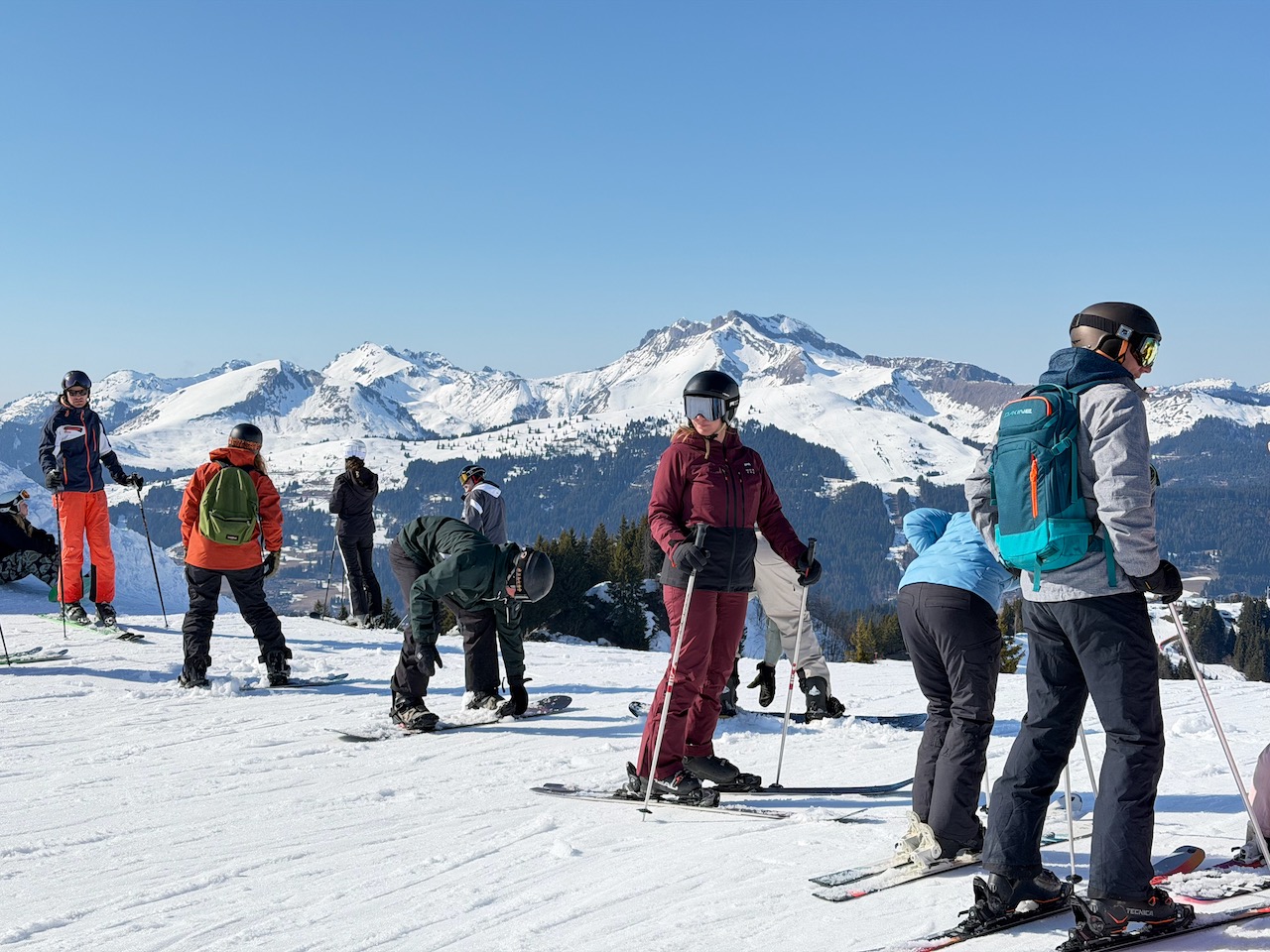
While the European Alps remain the central pillar of the British ski industry—capturing over 80% of the market share—the internal map of these destinations is shifting. France has historically maintained its position as the primary destination for UK skiers; however, the data reveals a clear trend of redistribution.
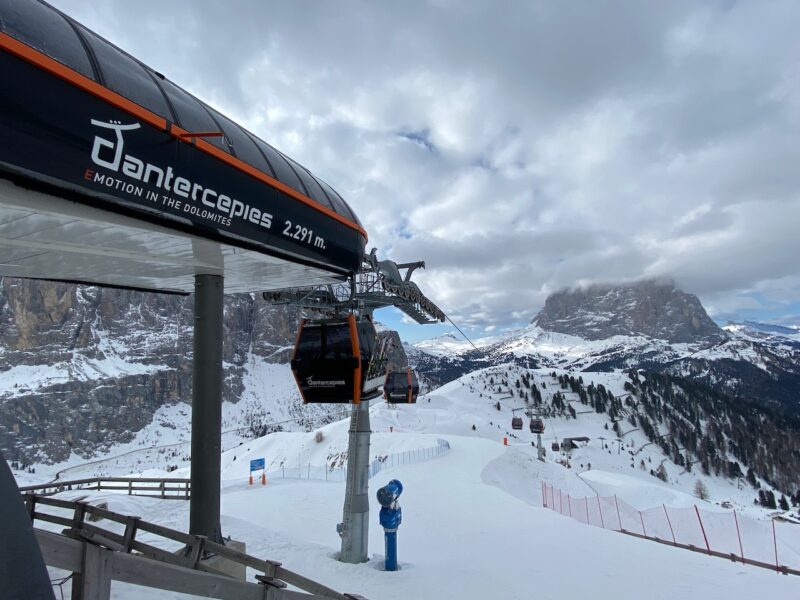
Italy, in particular, has emerged as the standout performer of the 2025/26 season. The report identifies a sustained correlation between search volume and confirmed bookings for Italian resorts over the last two years, suggesting this is a permanent shift rather than a temporary trend. Austria and Switzerland are also experiencing a measurable growth in popularity. Industry analysts suggest that this redistribution is driven by a combination of competitive pricing, improved infrastructure in regions like the Dolomites, and a desire among experienced skiers to explore beyond the traditional "Big Three" French resorts.
The Rise of the Northern Hubs and Infrastructure Improvements
One of the most notable findings in the 2026 report is the geographical shift in domestic departure points. The North of England and the Midlands are witnessing a faster growth rate in ski bookings than any other region in the UK. This localized boom is largely attributed to the introduction of new direct flight routes from regional hubs. Manchester has officially overtaken its competitors to become the second-largest ski departure airport in the country, trailing only the major London terminals.
The democratization of air travel to the Alps has effectively lowered the barrier to entry for millions of potential skiers. As regional airports increase their capacity for direct routes, the reliance on long-haul transit to London airports has diminished, reducing the overall travel time and making short-duration trips more feasible for families and time-poor professionals.
The Evolution of Accommodation: The Hotel Renaissance
The report highlights a significant shift in accommodation preferences, with hotel bookings rising by 15.7% in a single season. This is the most pronounced accommodation trend identified in the study. Historically, the British ski market was dominated by self-catered apartments and catered chalets. The recent move toward hotels reflects a broader trend toward "hassle-free" travel.
Modern ski hotels have adapted to meet this demand by pivoting toward an all-encompassing service model. Today’s premier ski hotels are no longer merely places to sleep; they are integrated lifestyle destinations. Features such as in-house spas, refined dining, ski concierge services, and sophisticated kids’ clubs have become standard expectations rather than optional amenities. For families and solo travellers, the hotel provides a level of predictability and service that aligns with the modern traveler’s preference for convenience and luxury.
Temporal Shifts: The Festive and Early Season Surge
The traditional calendar of the ski season is also being rewritten. While the classic seven-day trip remains the bedrock of the industry, there is a clear trend toward diversifying the duration of stays. The "bookends" of the season—short breaks and extended trips—are seeing the most rapid growth.
Furthermore, the "festive ski weekend" has transitioned from a niche concept to a mainstream travel trend. The data indicates that January is the fastest-growing travel month, with bookings up by 3.3%, while December has seen a 1.9% increase. Collectively, these two months now account for nearly 40% of the annual ski travel volume. This reflects a strategic effort by travellers to capitalize on early-season snow conditions and the desire to integrate skiing into the holiday season.
Industry Perspectives and the Role of AI
Yotam Idan, CEO of WeSki, interprets these trends as a direct result of market accessibility. "We started WeSki because booking a ski holiday was harder than it should be," Idan stated. "What this data tells us is that the demand was always there—it just needed unlocking. More families, more cities, more destinations, more of the year. Skiing isn’t a niche pursuit anymore; it’s becoming something much more interesting."
The industry is responding to this complexity with technological innovation. In March 2026, WeSki launched an AI-driven trip planner designed to automate the complexities of itinerary building, from flights and transfers to equipment rentals and lift passes. This development acknowledges that as the ski market grows more diverse, the friction involved in planning complex, multi-component trips must be removed to maintain growth.
David Benzimra, Co-Founder and CFO/COO of WeSki, reinforced the point regarding the evolution of the hotel sector. "The ski hotel has changed enormously. The best ones now compete with the mountain itself for your attention. It’s not surprising that more British skiers are choosing hotels. The product has genuinely got better, and it suits the way more people want to travel."
Implications for the Future of Snow Sports
The 2026 Slope Report paints a picture of an industry in the midst of a maturation process. The "democratization of the slopes" is no longer an aspirational goal but a lived reality, characterized by increased frequency of travel, more diverse destination choices, and a preference for high-service accommodation.
For resort operators and tourism boards, these findings offer a roadmap for future investment. The data suggests that success in the coming years will depend on:
- Infrastructure Flexibility: Resorts must cater to a more diverse range of trip lengths, moving beyond the rigid Saturday-to-Saturday model that has defined the industry for decades.
- Technological Integration: As the consumer journey becomes increasingly digital, the ability to offer seamless, AI-assisted booking experiences will be a primary competitive advantage.
- Regional Connectivity: The continued expansion of regional airport routes is a critical factor in maintaining the momentum of the northern and midlands markets.
- Service-Oriented Hospitality: The shift toward hotels indicates that the modern consumer prioritizes time-saving and holistic experiences, rewarding properties that offer comprehensive on-site amenities.
As the industry looks toward the 2026/27 season, the trends identified by WeSki suggest a robust outlook. The British market has proven resilient, adapting its habits to suit a fast-paced, digital-first world. By moving away from the traditional, rigid structures of the past and embracing a more flexible and tech-enabled future, the ski industry is ensuring its relevance for a new generation of winter sports enthusiasts. The map is not only changing; it is expanding, ensuring that the Alps—and indeed, global mountain destinations—remain at the forefront of the British travel consciousness.

