
The high-performance winter apparel market has undergone a significant technical evolution, driven by advanced weatherproofing demands and the explosive growth of side-country and backcountry touring. Selecting the appropriate outerwear for a winter excursion is no longer a matter of merely finding a waterproof shell; modern winter sports enthusiasts require sophisticated balance points between thermal efficiency, moisture-vapor transmission rates, and ergonomic mobility.
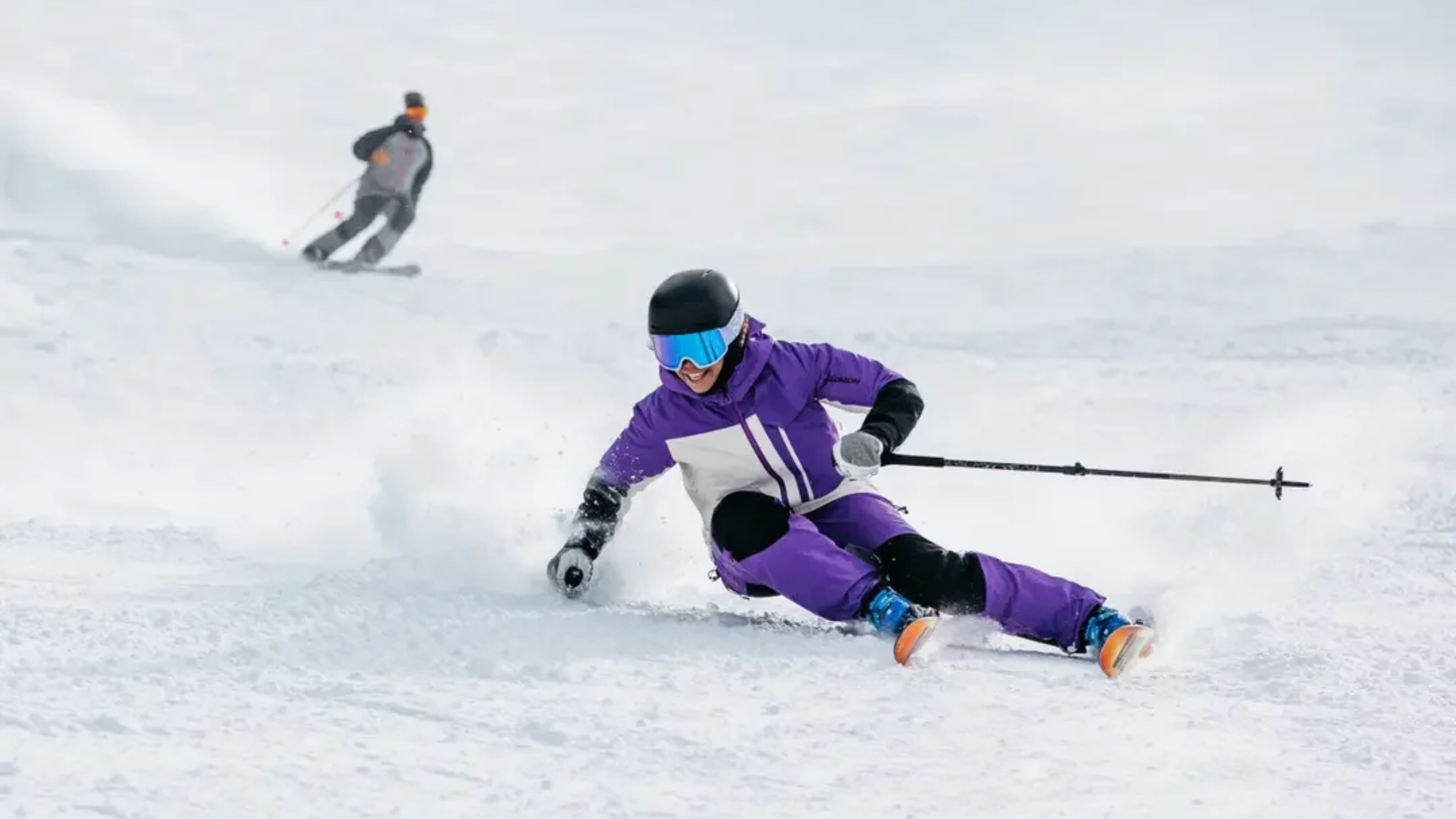
To determine the absolute best options available for the upcoming winter season, an exhaustive field evaluation was conducted by a panel of ten expert reviewers, including professional ski patrollers, certified instructors, and industry veterans. Over the course of a full winter season, this team evaluated 41 distinct women’s ski jackets across nine states and three international countries, logging hundreds of hours in environments ranging from the deep powder fields of the Pacific Northwest and the cold, wind-scoured steeps of Colorado to spring corn cycles and technical backcountry tours in Iceland’s northern fjords.
The resulting comprehensive analysis categorizes the market leaders into specialized segments, providing consumers with objective data regarding shell technology, synthetic insulation, price-to-performance metrics, and ergonomic sizing options.
Main Findings and Editors’ Choices
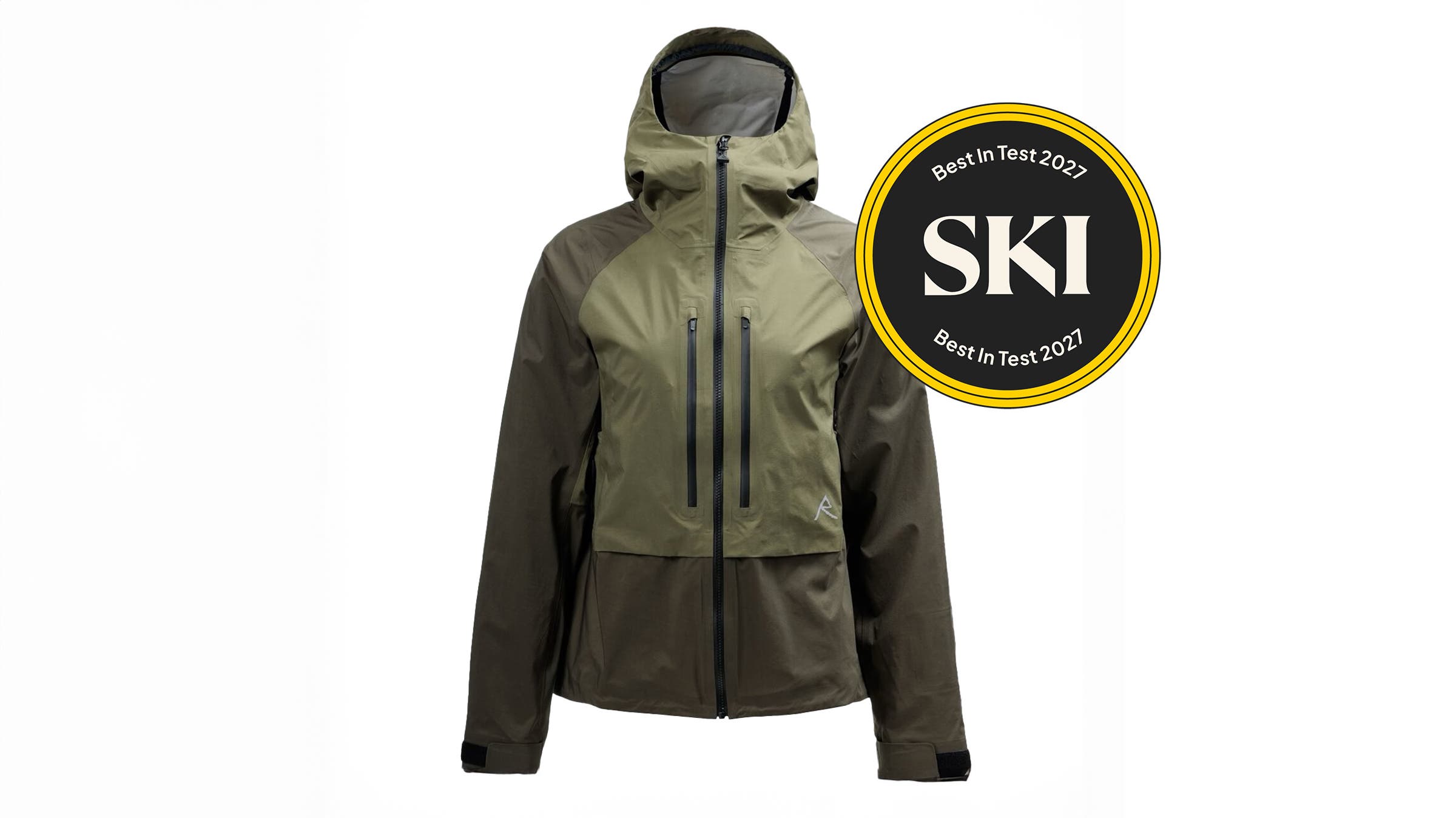
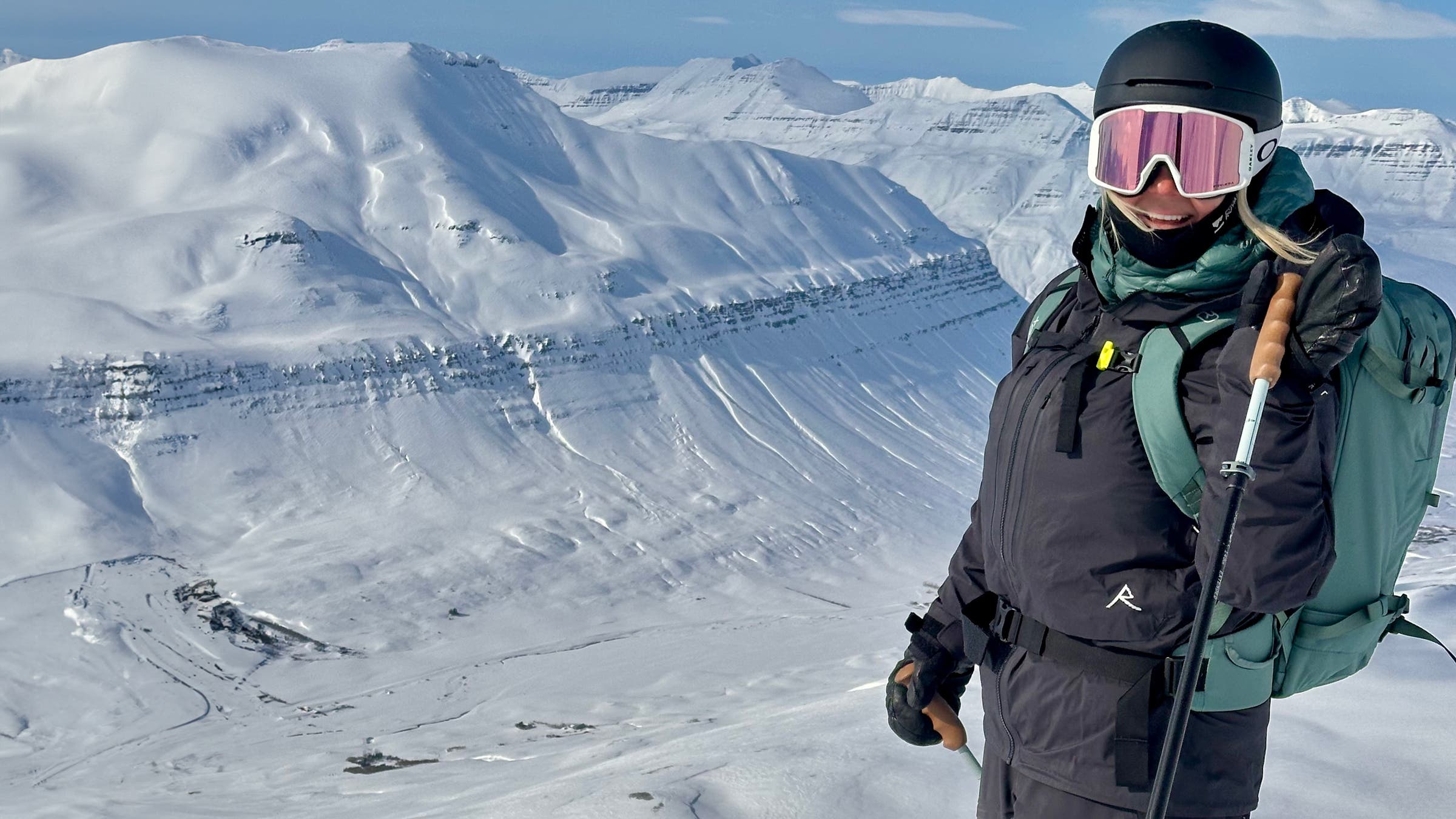
The exhaustive testing protocol yielded clear standouts across various use cases, prioritizing real-world durability, fabric breathability, and mechanical stretch. Leading the pack as the overall Editors’ Choice is the Raide Women’s TourTech Shell, which captured top honors following rigorous trials in Iceland. Designed specifically with the uphill traveler in mind, the TourTech utilizes Raide’s proprietary TourShell-01, a three-layer fabric engineered to maximize breathability during high-output aerobic ascents while maintaining robust weather resistance against sudden alpine squalls. Weighing a mere 358 grams in a size small, the jacket packs down to the volume of a grapefruit, making it an ideal choice for fast-and-light touring enthusiasts who demand uncompromised mobility.
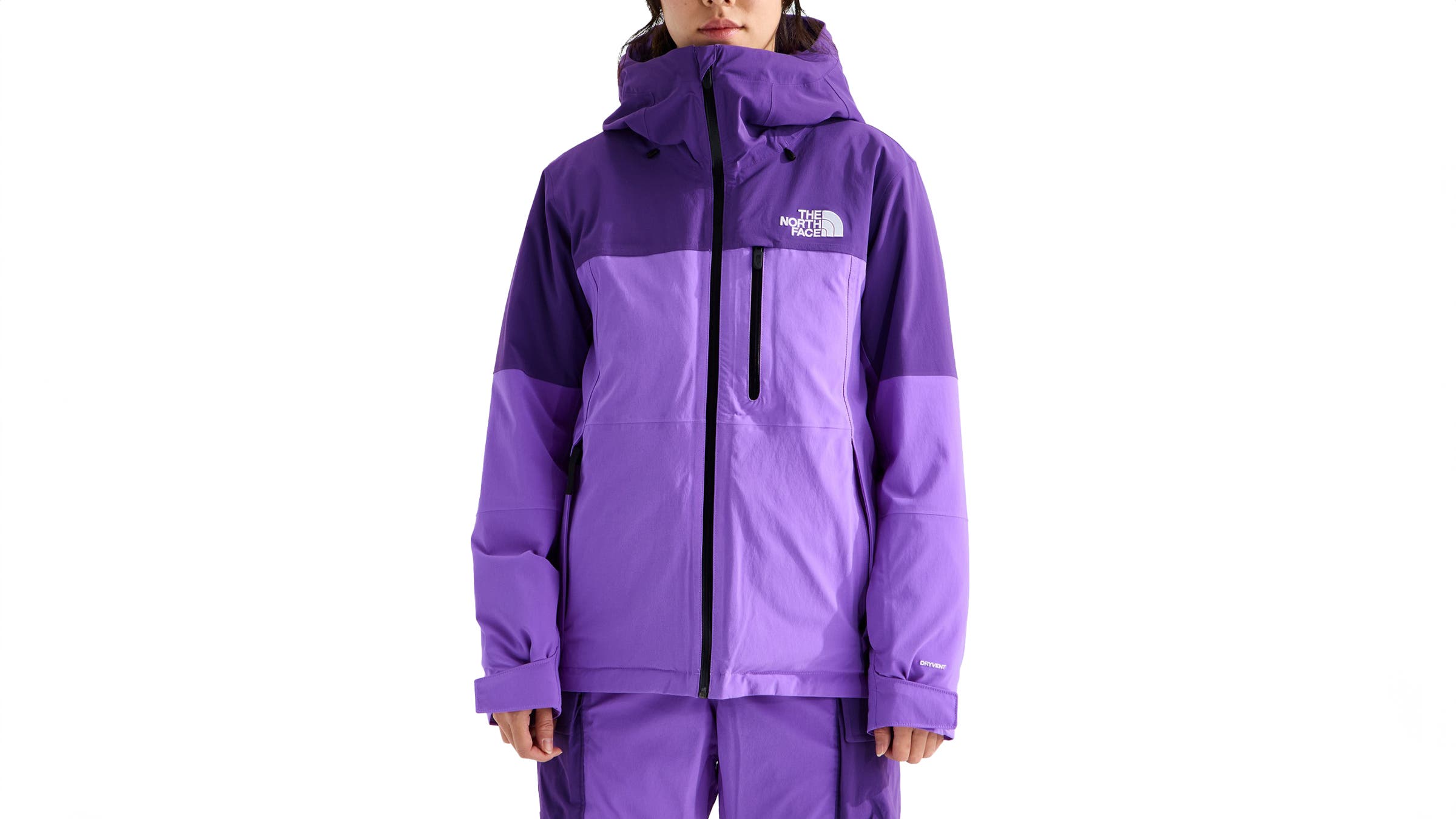
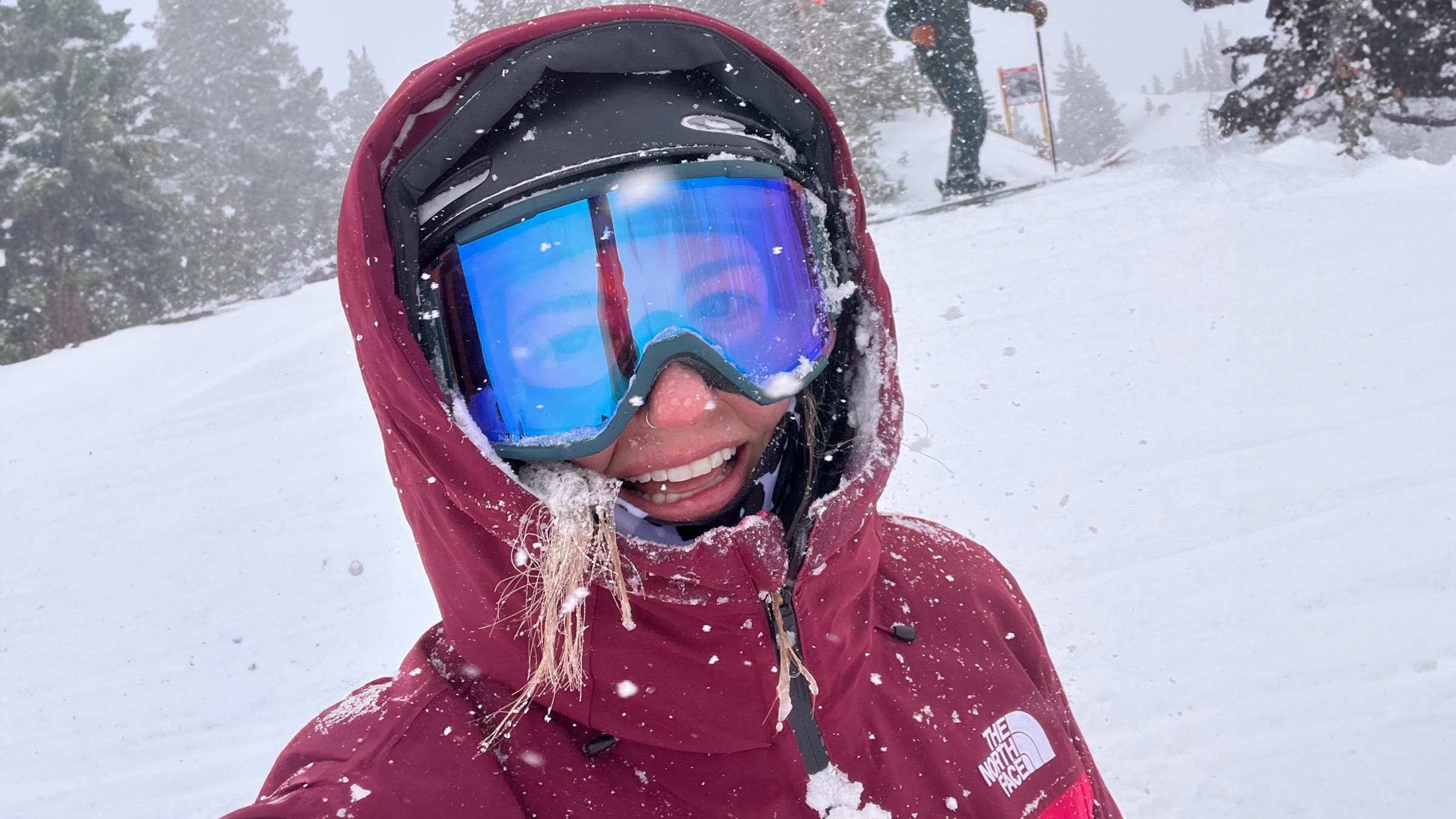
For budget-conscious resort skiers seeking maximum thermal performance without incurring a prohibitive financial burden, The North Face Freedom Insulated Jacket was crowned the Best Value selection. Retailing at $380, the Freedom combines plush synthetic insulation with a generous, accommodating fit that easily accommodates additional midlayers. While its underarm venting system relies on smaller, mesh-lined zips that tend to retain heat during aggressive mogul skiing, its exceptional warmth on frigid chairlift rides makes it an indispensable tool for resort-centric skiers operating in cold climates.
Chronology and Evolution of Ski Outerwear Testing
The testing initiative began in the early months of the previous winter season, systematically tracking how various materials performed under fluctuating barometric pressures, heavy wet snowstorms, and sub-zero wind chills.
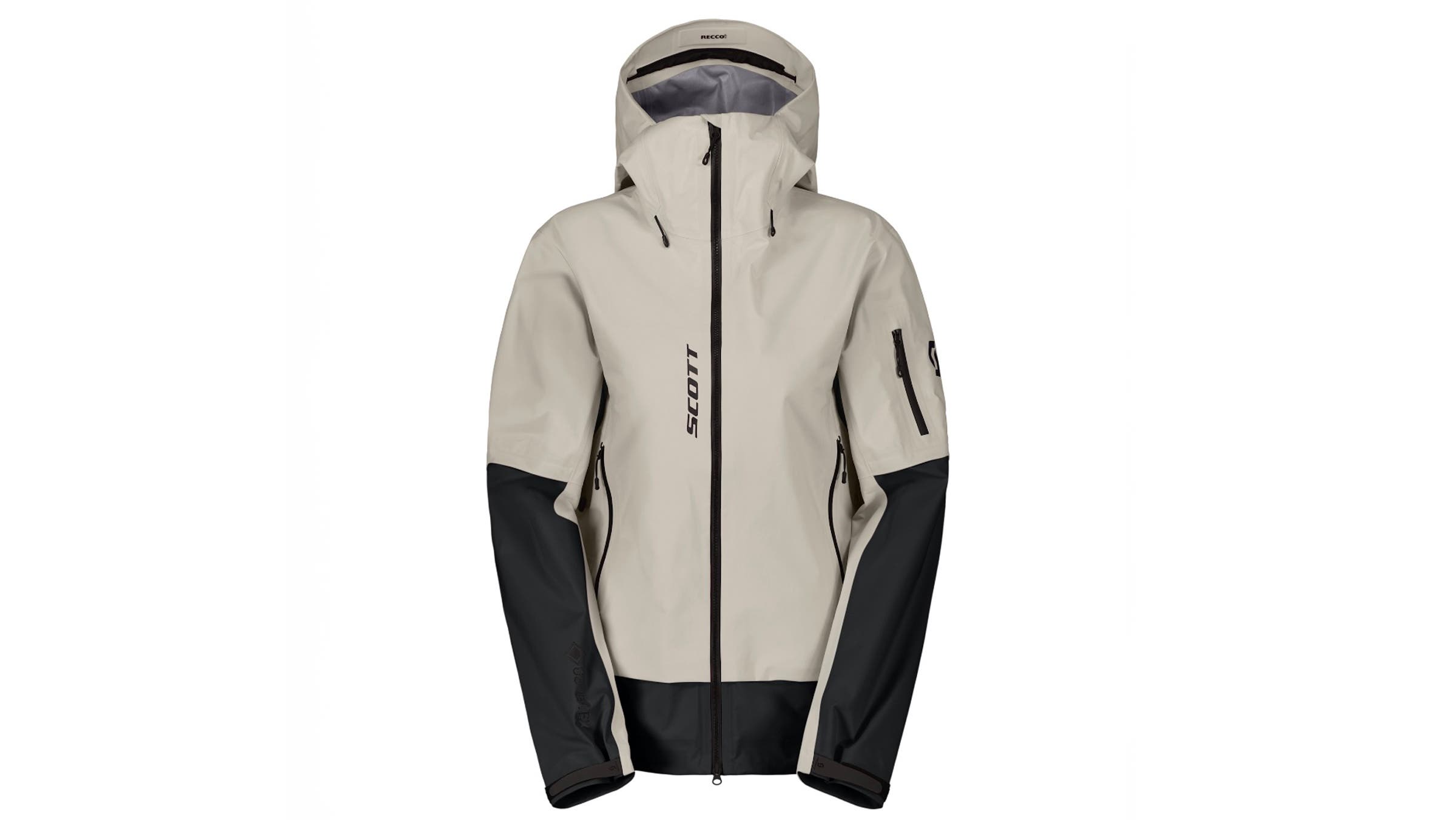
Phase one of the evaluation cycle focused on East Coast storm days at locations such as Ragged and Sunapee, where wet, heavy precipitation tests the absolute limits of Durable Water Repellent (DWR) coatings and membrane impermeability. During this phase, jackets like the SCOTT Explorair Gore-Tex 3 Layer proved their mettle. Utilizing a GTX Performance 3L construction, the Explorair successfully repelled moisture-loaded winds while offering glove-friendly zippers and a detachable powder skirt, cementing its status as the premier dedicated shell for unpredictable maritime climates.
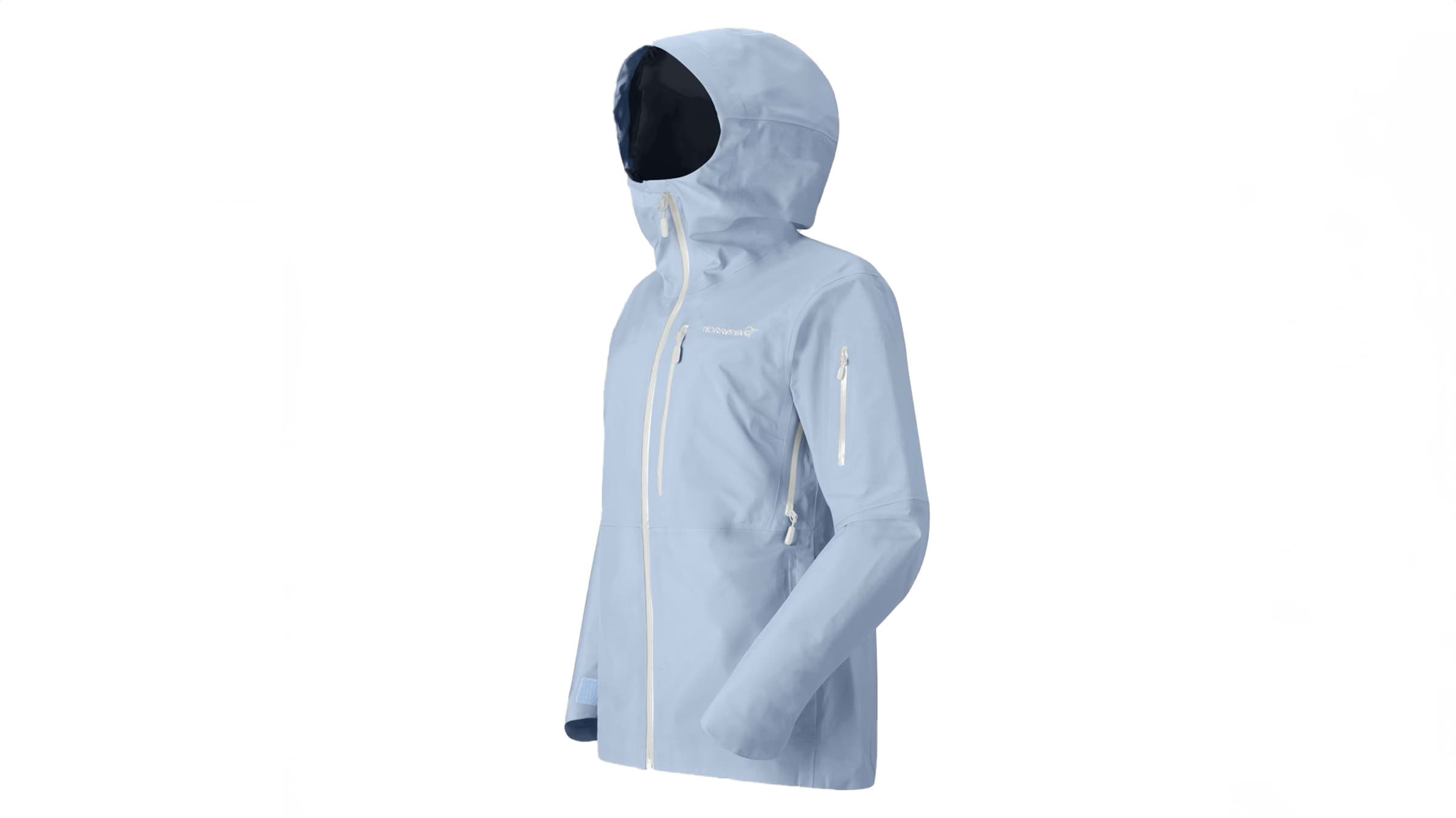
Phase two transitioned to the high-altitude resorts of Colorado, where testers evaluated insulated options designed to combat dry, piercing cold. The Norrøna Lofoten Gore-Tex Thermo80 emerged as the premier insulated selection for mid-winter resort days. By incorporating 80g/m² of synthetic insulation in the body and 60g/m² in the hood and sleeves, Norrøna eliminated the need for complex layering systems, allowing skiers to maintain core warmth with a single base layer. Similarly, the Black Diamond Recon Insulated Shell was recognized as the warmest option in the test group, providing zoned insulation and interior mesh stash pockets for accessories, though its high thermal retention rendered it impractical for high-output backcountry touring.
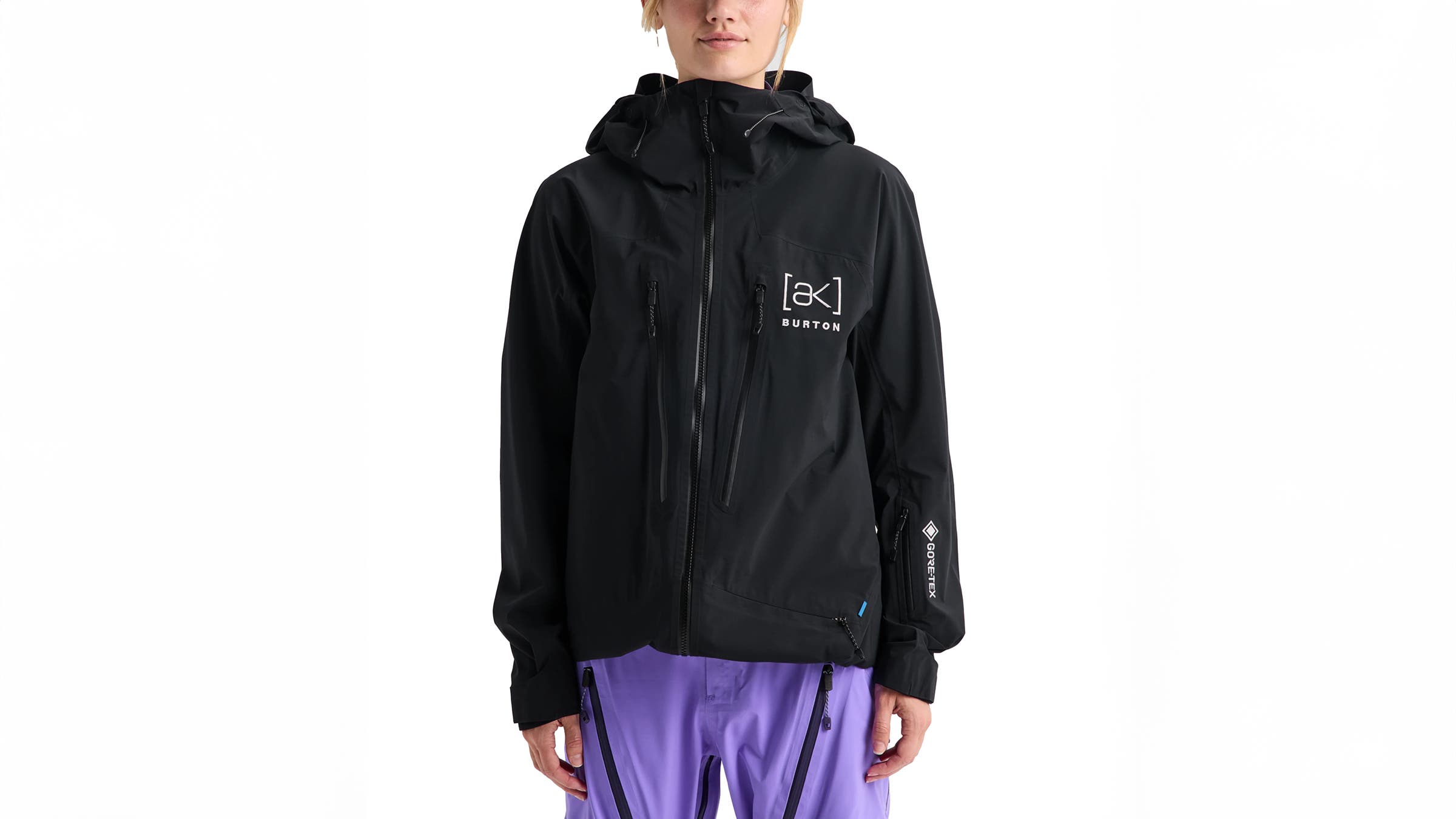
Phase three culminated in expedition-style testing in the San Juan Mountains and Iceland, evaluating packability, weight distribution, and functional storage. The Burton [ak] Tuvak Gore-Tex C-Knit 3L stood out in the soft shell category, utilizing a three-layer construction that is softer and significantly more packable than traditional hard shells while retaining full alpine-grade waterproofing.
Comparative Data and Technical Specifications
To assist consumers in navigating the complex landscape of technical outerwear, the evaluated jackets have been benchmarked across price, sizing inclusivity, construction type, and primary performance metrics:
- Raide TourTech Shell: $599 | Sizes: XS–L | Type: Shell | Highlights: Exceptionally breathable, highly packable, dedicated backcountry features; requires careful layering on extreme storm days.
- The North Face Freedom Insulated: $380 | Sizes: XS–XXL | Type: Insulated | Highlights: High thermal output, generous pocket configuration; restricted ventilation during strenuous exertion.
- SCOTT Explorair Gore-Tex 3L: $550 | Sizes: XS–XL | Type: Shell | Highlights: Fully windproof, reliable waterproof ratings, glove-friendly mechanics; slightly oversized torso cut.
- Norrøna Lofoten Gore-Tex Thermo80: $649 | Sizes: XS–XL | Type: Insulated | Highlights: Eliminates bulky midlayers, helmet-compatible articulated hood; runs too warm for spring conditions.
- Burton [ak] Tuvak C-Knit 3L: $870 | Sizes: XS–XL | Type: Shell | Highlights: Soft hand-feel, excellent packability, relaxed mobility; requires technical midlayers in sub-zero temperatures.
- Black Diamond Recon Insulated: $549 | Sizes: XS–XL | Type: Insulated | Highlights: Maximum warmth-to-weight ratio, interior mesh storage; unsuited for uphill touring due to excessive heat retention.
- Columbia Roffe Ridge Down Heat Seal: $330 | Sizes: XS–XXL | Type: Insulated | Highlights: 650-fill RDS down, flattering cropped cut, effective pit zips; features a non-removable powder skirt.
- Halfdays Lawrence Jacket: $395 | Sizes: XXS–2X | Type: Insulated | Highlights: Industry-leading size inclusivity, AquaGuard zippers, premium feminine tailoring; fixed powder skirt and hood limit versatility.
Industry Implications and Design Shifts
The findings from this extensive multi-state testing period highlight several broader trends within the outdoor apparel manufacturing sector. First, brands are increasingly moving away from the historical industry standard of "shrink it and pink it"—the practice of simply resizing men’s patterns for female consumers. Companies like Halfdays and Wild Rye have demonstrated that intentional ergonomic grading, specifically tailored waist tapers, and inclusive sizing ranges spanning from XXS to 2X significantly improve user comfort and performance on the mountain.
Second, the market bifurcation between dedicated backcountry tourers and resort loyalists continues to widen. Uphill travelers are prioritizing breathability metrics, measured in Moisture Vapor Transmission Rate (MVTR), alongside ultra-lightweight constructions that minimize bulk inside alpine backpacks. Conversely, resort skiers are demanding integrated warmth, specialized media pockets, pass-through ski pass storage, and weather-sealed hardware that withstands prolonged exposure to chairlift rides and inclement weather.
Methodology and Expert Oversight
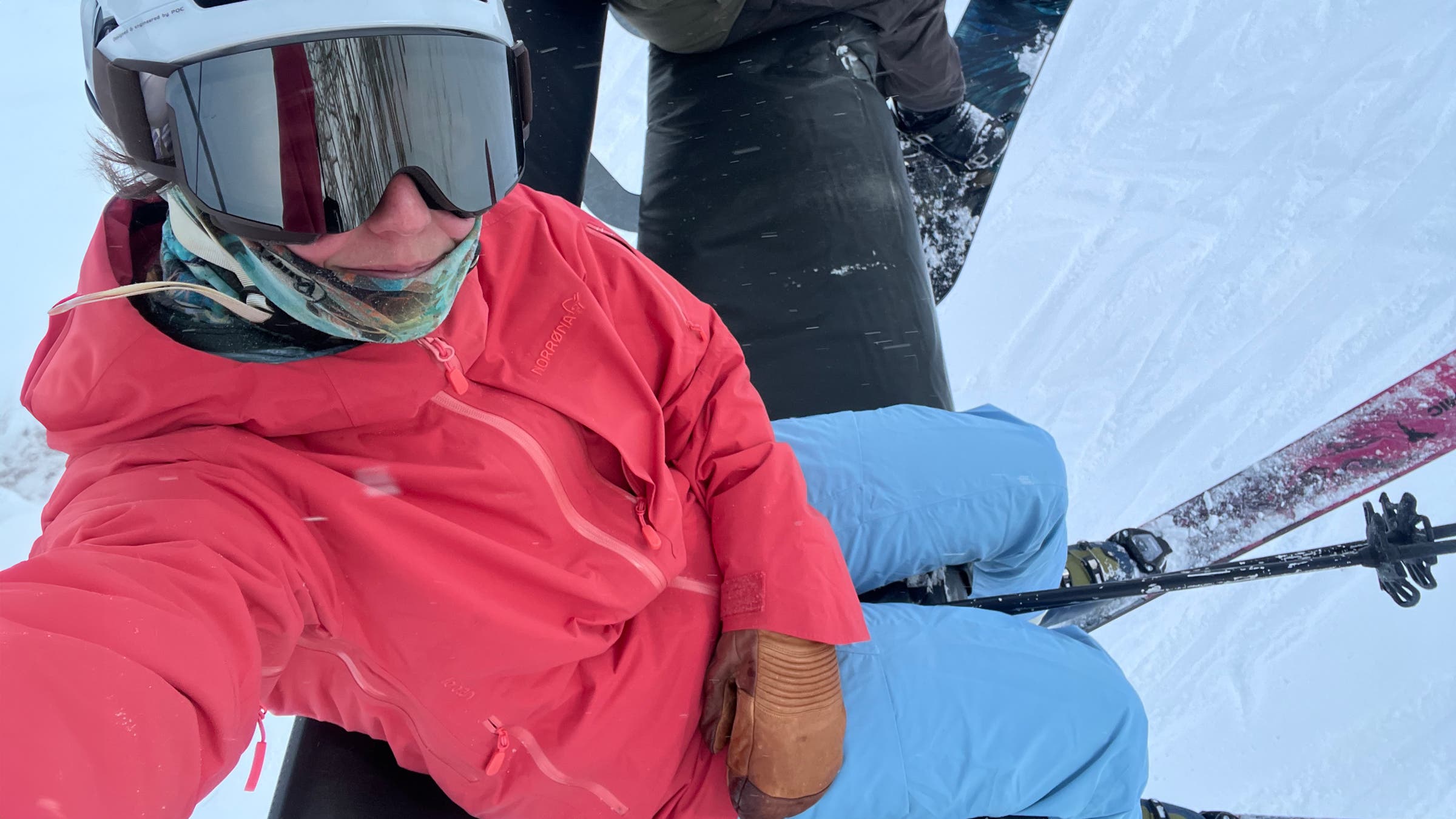
The integrity of these evaluations relies entirely on field-testing protocols rather than manufacturer specifications. Every garment submitted for review was subjected to identical environmental stressors by professionals whose daily routines demand absolute reliability from their equipment. Lead tester Skylar Kraatz, a seasoned industry professional based in Crested Butte, Colorado, emphasized that apparel must prove its utility across varying meteorological conditions before receiving endorsement.
"A spec sheet can tell you a fabric’s hydrostatic head rating, but it cannot tell you how a zipper functions with frozen fingers at 12,000 feet, or whether a hood obscures your peripheral vision when checking for hazards on a steep descent," said Kraatz. "Our testing protocol ensures that every recommendation has survived the realities of extended mountain use."
Economic Analysis and Consumer Guidance
Investing in a high-end winter sports jacket requires a calculated financial commitment, with prices ranging from $300 for value-oriented options to upwards of $800 for premium, technical three-layer laminates. Market analysts note that while premium price points generally correlate with superior waterproof membranes, enhanced durability, and refined tailoring, consumers must evaluate their specific skiing frequency and environmental exposure before purchasing.
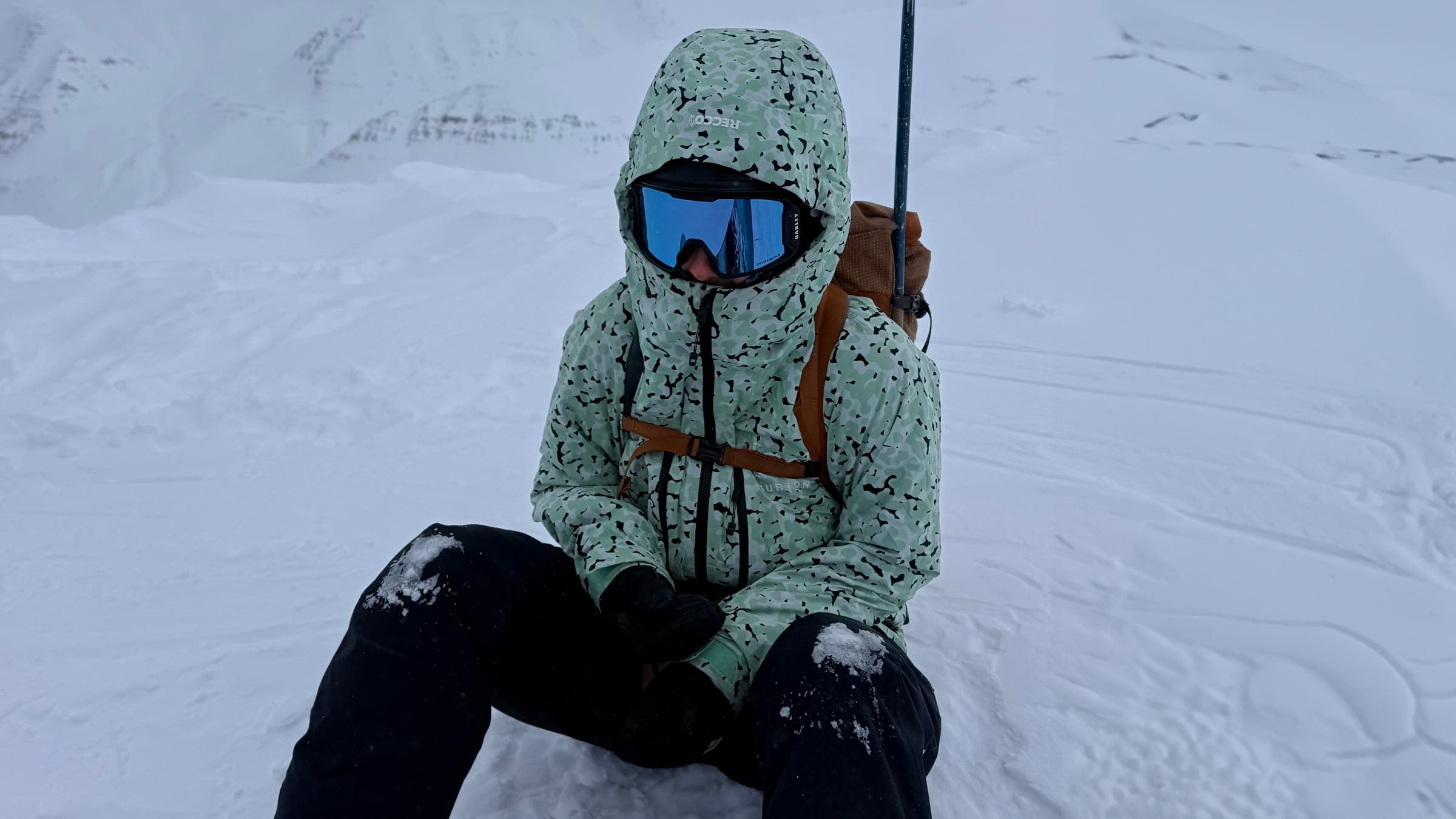
For individuals who ski fewer than ten days per season primarily on groomed resort runs, mid-tier insulated jackets provide sufficient weather protection and thermal comfort without unnecessary expenditures. However, for dedicated enthusiasts, patrollers, and backcountry guides who encounter severe alpine elements on a weekly basis, investing in high-end shell technology paired with modular layering systems yields superior long-term value and performance flexibility.

