
Just four years ago, a bold prediction echoed through the ski industry: "Four-Buckle Boots Are About to Become a Relic of the Past." Published in 2022, this forecast envisioned a swift obsolescence for the traditional closure system that had dominated ski boot design for decades. Fast forward to June 30, 2026, and the landscape is undeniably altered, yet the prophecy of total extinction for the classic four-buckle boot remains largely unfulfilled. While traditional buckles are far from obsolete, the introduction of BOA dials to alpine ski boots during the 2023-24 season has undeniably instigated a profound transformation across the industry, fundamentally reshaping how manufacturers conceive, engineer, market, and retail ski boots.
The initial launch of BOA-equipped ski boots was met with a potent mix of excitement and skepticism. As the novelty has matured into established technology, it’s timely to assess the true impact of this "BOA revolution." Has it achieved peak adoption? How have skiers’ perceptions of closure systems evolved? And now that the initial fervor has subsided, does the skiing public genuinely embrace dial-based systems? The answers emerging from the past three seasons are proving far more intricate and multi-faceted than many anticipated, even just one World Cup season ago. This analysis delves into the journey of BOA in ski boots, tracing its evolution, market penetration, challenges, and its indelible imprint on the future of ski gear.
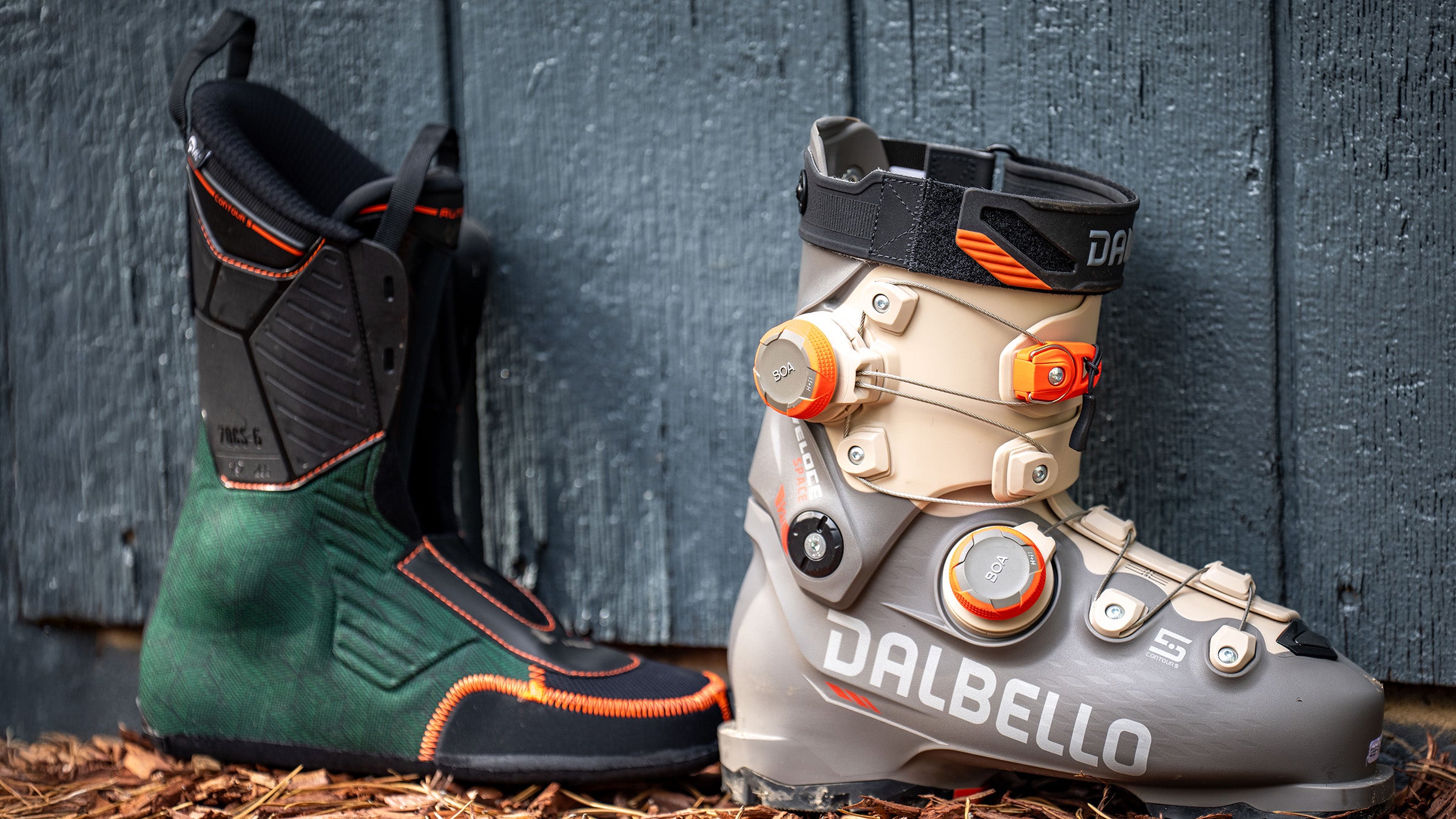
A New Chapter in Ski Boot Technology: The Advent of BOA
For decades, the standard for ski boot closure systems revolved around a series of aluminum or plastic buckles, often complemented by a power strap at the cuff. This design, while robust and familiar, presented inherent limitations in terms of micro-adjustability and pressure distribution. Traditional buckles, while reliable, offered limited increments of adjustment, often leaving skiers to choose between a fit that was too loose or uncomfortably tight. Enter BOA Technology, a company that had already revolutionized closure systems in diverse fields such as snowboarding, cycling, golf, and even medical bracing, with its innovative wire-and-dial mechanism. The core promise of BOA was precise, even pressure distribution and on-the-fly micro-adjustability, offering a fit experience previously unattainable with traditional buckles. The system, typically consisting of a steel lace, nylon guides, and a mechanical reel, allowed for incremental tightening and loosening with a simple twist, providing a truly customizable wrap around the foot.
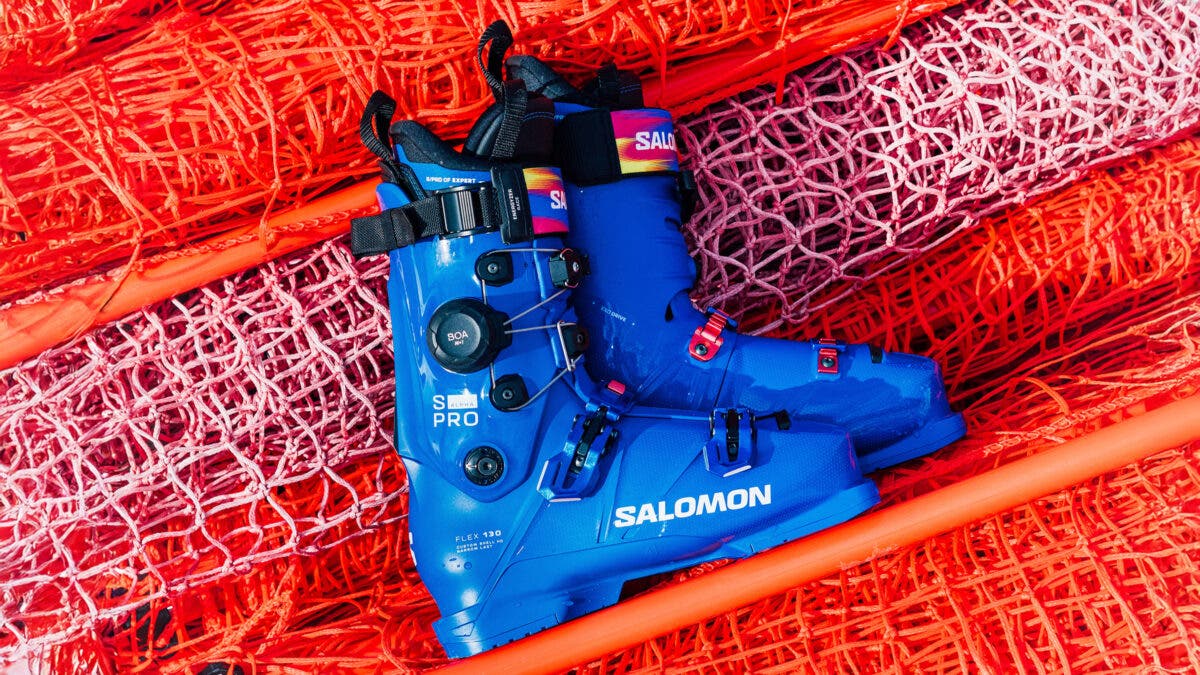
The pivotal moment for alpine skiing arrived with the 2023-24 season, when a consortium of industry giants—Salomon (with its S/Pro Alpha BOA), Atomic (Hawx Ultra XTD BOA), K2 (Recon and Anthem BOA), and Fischer (RC4 BOA)—simultaneously unveiled their new lines featuring the BOA H+i1 dial integrated into the lower cuffs of their all-mountain and high-performance boots. This coordinated launch was a strategic move, signaling a unified belief in BOA’s potential to redefine the skier’s connection to their equipment. The industry buzzed with anticipation. Marketing campaigns highlighted unprecedented comfort, enhanced performance, and effortless adjustability, promising a snug, pressure-point-free fit that could be fine-tuned on the fly.
However, this fanfare was not without its counterpoint of skepticism, particularly concerning the concept of a "multi-last boot." Critics questioned how a single standard heel pocket could effectively accommodate the varying foot volumes and shapes that a BOA-equipped lower shell purported to support. Traditional boot fitting emphasized the critical importance of the last (the mold around which the boot is built) in defining volume and fit. Introducing a closure system that could dramatically alter the lower shell’s volume raised questions about the integrity of the underlying last and whether such adaptability might compromise the foundational fit principles long held sacred by boot fitters and expert skiers. The debate underscored the ski community’s deep-seated adherence to established paradigms and its cautious approach to radical technological shifts. Many seasoned skiers expressed concerns about the "feel" of a wire system compared to the solid lock-down of buckles, and questions arose regarding durability and repairability in remote backcountry or resort settings.
The Science of Connection: Redefining Power Transfer
Central to BOA’s argument for its H+i1 dials was not merely comfort or convenience, but a revolutionary claim regarding power transfer. For generations, the conventional wisdom in ski boot design posited that the upper cuff was the primary conduit for power transmission from the skier to the ski, with the lower shell largely responsible for securing the foot and providing comfort. This understanding often led to designs prioritizing cuff stiffness and a tight upper closure to maximize leverage. BOA challenged this long-held theory, presenting a new perspective on how power is generated and transferred through the entire boot structure.
Dan Feeney, Vice President of Innovation and Development at BOA, articulated this paradigm shift in an interview, stating, "What we found is that when you apply BOA dials, that wrapping allows you to have more precision to how you apply that power." He elaborated, "People just say, ‘Cuff equals power,’ whereas we’re saying, ‘Hey, you’re taking all that power and you’re applying it really well.’" BOA’s internal studies, which were widely circulated to industry partners and media, suggested that the precise, circumferential wrapping achieved by their dial system in the lower shell significantly improved the skier’s ability to transfer energy to the ski’s edge. This was attributed to a more consistent and adaptable fit around the foot, minimizing dead spots and maximizing the surface area of contact between the foot and the shell. The uniform pressure distribution, rather than localized pinch points, allowed for a more harmonious engagement between the foot and the boot, translating to a more efficient and responsive power transfer. The implication was clear: the lower cuff, far from being a passive element, could actively contribute to enhanced performance through optimized power application, providing a more direct and nuanced connection between skier and ski. This scientific backing provided a compelling narrative for manufacturers to adopt the technology and for consumers to reconsider their understanding of boot dynamics.
Rapid Innovation and Market Experimentation
Once the BOA H+i1 technology hit the market, the pace of innovation accelerated dramatically. Brands, having invested heavily in the new molding required for BOA integration, began to explore various configurations and applications. The initial success spurred a creative flurry, transforming the industry landscape in just a few short seasons, marking a period of intense experimentation and diversification.
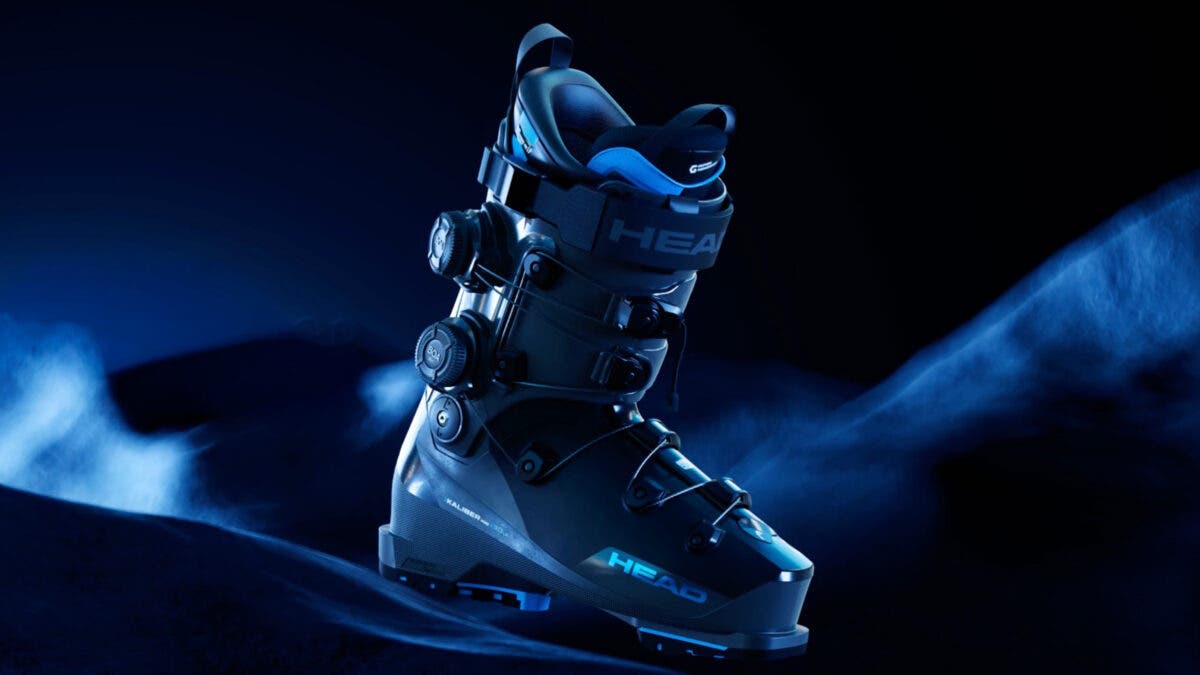
One of the earliest and most notable evolutions was the introduction of dual BOA dials. K2, with its Cortex series, was among the pioneers, placing two dials on the boot to provide even greater granular control over the fit of the lower shell. This concept quickly proliferated across the industry, with brands like Dalbello (e.g., Quantum Free BOA) and Head (e.g., Kaliber Pro) integrating dual BOA systems into their premium offerings. The rationale was simple: if one dial provided enhanced adjustability, two could offer an even more customized and secure wrap, particularly for skiers with challenging foot shapes or those seeking ultimate precision in different zones of the foot and lower leg. This allowed for independent tensioning of the forefoot and instep areas, addressing a wider range of fit issues.
Another significant innovation came from Nordica, which launched its Speedmachine 130S with a distinct hybrid approach. This boot featured a BOA dial on the upper cuff for precise shin and calf wrap, but retained traditional buckles on the lower shell. This configuration was quickly, and affectionately (or derisively, depending on one’s purist leanings), nicknamed "Mullet BOA" – business in the front (traditional, robust lower), party in the back (innovative, adjustable cuff). The "Mullet BOA" represented a strategic compromise, attempting to capture the benefits of BOA’s micro-adjustability in the critical cuff area, while assuaging concerns about the durability or traditional feel of dials in the high-impact lower shell. This diversification showcased the industry’s willingness to experiment and tailor BOA integration to specific performance profiles and consumer preferences, rather than a

