
The recent surge in baggage fees across major U.S. airlines is poised to significantly impact skiers and snowboarders planning their travel, particularly as they consider trips for the upcoming 2026-2027 winter season following a less-than-ideal previous year. This trend, initially highlighted by changes at Southwest Airlines, has rapidly expanded to encompass nearly every major carrier, reflecting a confluence of rising operational costs and strategic adjustments in airline revenue models. The heightened fees are directly linked to escalating global fuel prices, notably influenced by geopolitical instability in critical shipping lanes such as the Strait of Hormuz, which is expected to keep airfare and ancillary charges elevated for the foreseeable future.
A Shifting Landscape of Airline Ancillary Fees
What began as a critique of Southwest Airlines’ new baggage fee structure has evolved into a comprehensive overview of a widespread industry trend. Over the past few weeks, a cascade of increases has been announced by carriers like Alaska Airlines, American Airlines, Delta Air Lines, JetBlue, and United Airlines. These adjustments, primarily affecting domestic flights, signal a new normal for travelers, especially those who rely on checking luggage for their snow sports equipment.
Airline-Specific Fee Adjustments and Their Implications for Skiers
Alaska Airlines: On April 9th, Alaska Airlines implemented an increase in its checked baggage fees. The cost for the first checked bag on a one-way domestic flight rose from $40 to $45, while the second bag increased from $45 to $55. For those checking a third bag, the fee jumped from $150 to $200. Given Alaska’s significant presence in the Pacific Northwest, a region with numerous ski destinations, these changes are directly relevant to a substantial segment of skiers. However, the airline is expected to maintain its popular "Ski Free" promotion, which often includes complimentary lift tickets to various mountains, potentially offering some mitigation for affected travelers.
American Airlines: American Airlines followed suit on April 9th, also adjusting its baggage fees. The initial checked bag now costs $45, with a second bag priced at $55. A notable addition to their policy is an additional $5 fee per bag if checked at the airport rather than in advance online, incentivizing earlier planning from passengers. This move impacts travelers flying into key ski hubs served by American, such as Denver and Salt Lake City.
Delta Air Lines: Effective April 7th, Delta Air Lines increased its baggage fees by $10 across the board. Consequently, the first checked bag is now $45, and the second checked bag is $55. With Salt Lake City International Airport (SLC) serving as a major hub for Delta, these increased costs are a significant consideration for skiers traveling to Utah’s renowned slopes.
JetBlue: JetBlue has implemented some of the more nuanced fee increases, varying based on peak and non-peak travel periods. Fees have risen by $4 for non-peak travel and $9 for peak periods. The cost for a first checked bag now ranges from $39 to $49, and a second bag from $59 to $69. Similar to American Airlines, JetBlue imposes an additional $10 fee for bags checked at the airport without prior online check-in. These adjustments are particularly relevant for travelers utilizing JetBlue’s services to destinations like Bozeman, Denver, Steamboat Springs, and Salt Lake City, given the carrier’s strong presence in the Northeast market, including Boston and New York City.
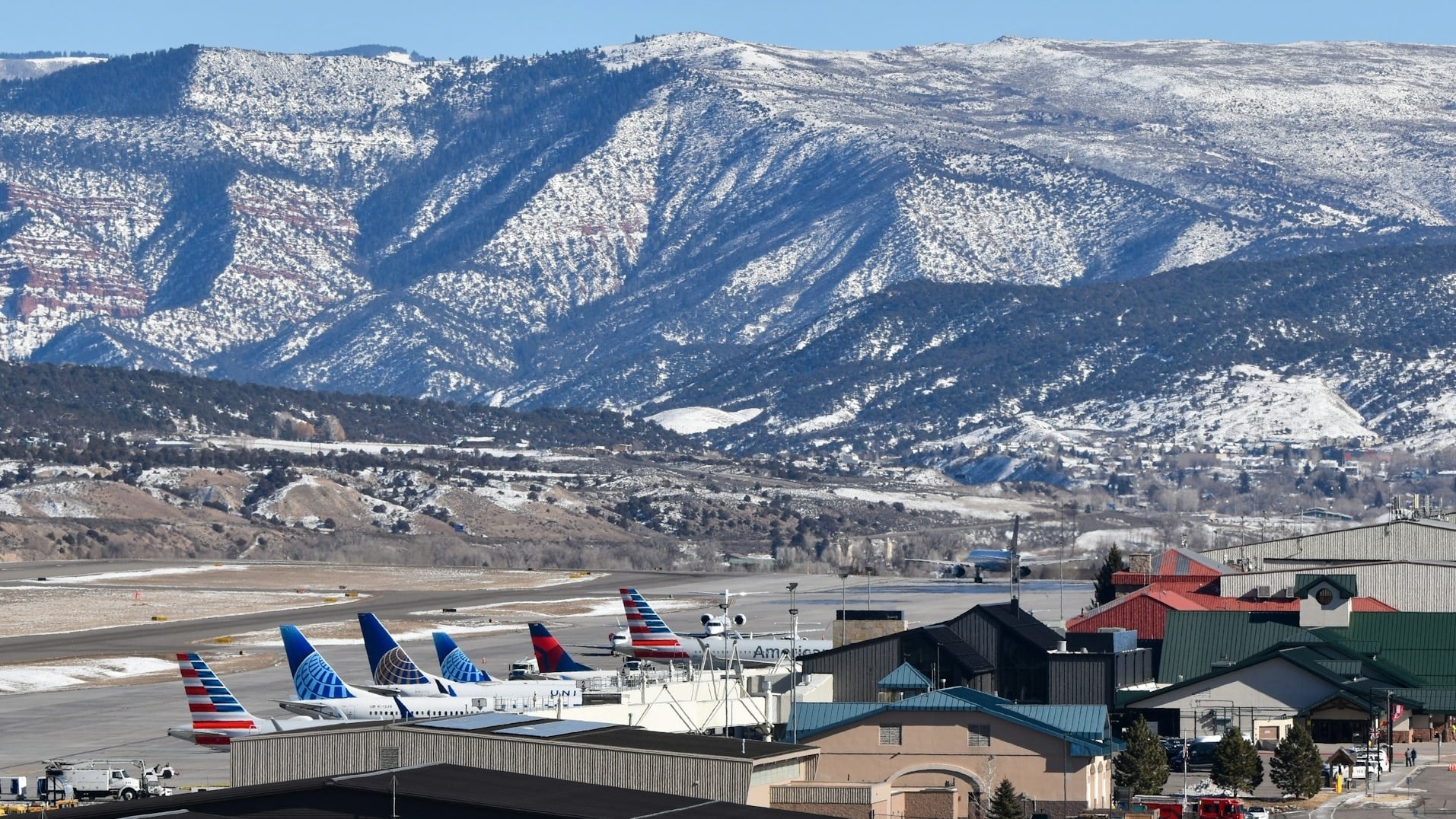
Southwest Airlines: Southwest Airlines, which historically offered a generous two-bags-fly-free policy, has now revised its baggage fee structure. As of last week, fees increased by $10. The first checked bag now costs $45, and the second is $55. This change erodes a significant competitive advantage for Southwest, particularly for skiers traveling from its hub market in Denver, effectively aligning its pricing with other major carriers and diminishing its former appeal as a budget-friendly option for snow sports enthusiasts.
United Airlines: United Airlines also revised its baggage fees on April 3rd, with a $10 increase across the board. The first checked bag now costs $45, and the second is $55. An additional $5 fee is applied for bags checked at the airport without prior online check-in. These financial pressures on United come amidst broader economic challenges, reportedly leading to discussions about a potential merger with American Airlines, a development that could further reshape the competitive landscape for air travel.
The Impact on Skiing and Snowboarding Travel
The cumulative effect of these baggage fee hikes is a substantial increase in the overall cost of ski vacations. For individuals and families who typically travel with their own equipment, the added expense of checking multiple bags, especially bulky ski or snowboard bags, can significantly alter travel budgets. Historically, airlines have considered a ski and boot bag as a single item, a policy that largely remains in place. However, for travelers who opt to bring additional luggage for clothing and other necessities, the increased fees will directly translate to higher travel expenditures.
Broader Economic Factors Driving Fee Increases
The current wave of baggage fee hikes is not an isolated phenomenon but rather a symptom of broader economic pressures affecting the airline industry. The primary driver cited by airlines is the surge in fuel prices. The geopolitical situation in the Middle East, particularly the increased tension and potential closure of key maritime routes like the Strait of Hormuz, has led to a significant spike in the global cost of oil, a critical component of aviation fuel.
Timeline of Fee Increases:
- Early April 2026: United Airlines initiates a round of baggage fee increases.
- April 7, 2026: Delta Air Lines announces its $10 baggage fee hike.
- April 9, 2026: Alaska Airlines and American Airlines simultaneously reveal their revised baggage fee structures.
- Mid-April 2026: Southwest Airlines implements its baggage fee adjustments, ending its previous advantage.
These coordinated increases across multiple carriers within a short period suggest a strategic alignment within the industry to offset rising operational costs and potentially enhance ancillary revenue streams. Industry analysts have noted that baggage fees have become an increasingly vital component of airline profitability, often exceeding revenue from ticket sales alone.
Analysis of the "Straight of Hormuz" Impact
The Strait of Hormuz is a critical chokepoint for global oil transport, with a significant percentage of the world’s crude oil passing through its narrow waters. Any disruption or perceived threat to this waterway can lead to immediate and substantial increases in oil prices. For airlines, which are highly sensitive to fuel costs, this translates directly into higher operational expenses. These costs are then often passed on to consumers through increased ticket prices and ancillary fees, such as baggage charges. The current geopolitical climate, characterized by heightened tensions and trade disputes, has created a sustained period of elevated fuel prices, forcing airlines to make difficult financial decisions.
Exploring Alternatives and Mitigation Strategies for Ski Travelers
While the increased baggage fees present a financial challenge, skiers and snowboarders have several potential strategies to mitigate these costs and enhance their travel experience.
Gear Rental Programs: A Growing Alternative
The quality and accessibility of ski and snowboard rental programs have seen significant improvements in recent years. Major companies like My Epic Gear and Ski Butlers (owned by Alterra) now offer a wider range of high-quality, often personalized rental equipment. For many skiers, particularly those who do not travel with their own gear frequently or who wish to try out different models, renting equipment at the destination can be a cost-effective and convenient alternative to paying for checked baggage. This option also eliminates the need to transport heavy and awkward ski gear through airports.
Shipping Services: Convenience with a Premium
Another viable option is shipping skis and snowboards directly to the destination resort. Services such as Ship Skis offer a streamlined process for sending equipment ahead of travel, thereby avoiding airline baggage fees and the hassle of transporting gear through airports. While this service typically incurs its own costs, which can be higher than checking a bag on the plane, it provides a significant convenience factor. It is important to note that these shipping companies are also reliant on transportation networks that can be affected by fuel prices, so their rates may also see adjustments in the future. A comprehensive review by Ski Magazine highlighted various shipping options and their comparative advantages.
The Role of Resorts and Lodging Companies
In response to a potentially challenging ski season and the broader economic climate affecting travel, ski resorts and lodging companies are likely to increase their efforts to attract visitors through promotional deals and packages. Following a winter with less-than-ideal snow conditions in many regions, these businesses will be eager to fill their capacity for the upcoming season. Travelers may find more opportunities for discounted lift tickets, accommodation rates, and bundled travel packages that can offset some of the increased flight costs.
Low-Cost Carriers and Their Trade-offs
While major carriers have uniformly increased baggage fees, low-cost carriers such as Frontier Airlines have not yet announced similar hikes. However, these airlines often employ a different fee structure, with numerous add-on charges for various services. Skiers who prefer to travel light might find these carriers to be a more economical option, especially considering Frontier’s hub in Denver. Nonetheless, the overall cost-effectiveness depends on the individual traveler’s baggage needs and willingness to navigate the complex pricing models of these airlines.
Conclusion: Navigating the Evolving Travel Landscape
The recent escalation of baggage fees by major U.S. airlines marks a significant shift in the economics of air travel for ski enthusiasts. Driven by a confluence of rising fuel costs and evolving airline revenue strategies, these increases necessitate a reevaluation of travel planning and budgeting for ski vacations. By exploring alternatives such as equipment rental and shipping services, and by staying informed about potential deals from resorts, skiers and snowboarders can still find ways to enjoy their time on the slopes without being unduly burdened by increased travel expenses. The industry’s response to these economic pressures will undoubtedly continue to shape the travel experience for snow sports enthusiasts in the seasons to come.
Image Credits:
David Syphers (Eagle County Airport, Colorado)
DJ’s Aviation (YouTube video)

