
The first weekend of June, marked by the King’s Birthday holiday, has long been synonymous with the traditional commencement of the Australian ski season. This annual event, eagerly anticipated by snow enthusiasts, serves as a crucial barometer for the health of the alpine tourism industry. However, the opening weekend of 2026 presents a familiar yet increasingly pertinent challenge: the variability of natural snowfall and the reliance on artificial snowmaking capabilities to kickstart operations. While some resorts are reporting promising conditions, the overall outlook remains a delicate balance between natural bounty and technological intervention.
A Lukewarm Start to the 2026 Alpine Season
This year’s opening weekend has been met with a mixed bag of weather conditions across Australia’s alpine regions. While pockets of natural snow have graced some higher elevations, the temperatures have been sufficiently cold in select areas to facilitate the crucial process of artificial snowmaking. This dual approach is becoming the norm, a testament to the industry’s adaptation to a changing climate and the desire to provide a consistent experience for early-season visitors. The question on many minds is: how many resorts will be able to throw open their gates and offer viable skiing and snowboarding experiences? The initial indications suggest that while some may struggle, others, bolstered by significant investments, are poised to offer at least partial access to their slopes.
Early reports indicate that the primary beneficiaries of these early-season conditions will likely be the nursery slopes and beginner areas. These gentler inclines are more forgiving of shallower snow bases and are often the first to become operational, catering to novice skiers and snowboarders eager to hit the snow. For seasoned riders, the availability of advanced terrain will depend heavily on the success of natural snowfall events in the coming weeks and the sustained efficiency of snowmaking operations.
Resorts Investing in Snow-Reliability
Several key players in the Australian ski industry have made substantial investments in snowmaking technology in recent years, a strategic move to mitigate the risks associated with unpredictable natural snowfall. Thredbo, Corin Forest, and Mt Buller stand out in this regard. These resorts have recognized the importance of snow reliability and have poured resources into expanding and upgrading their snowmaking infrastructure. This proactive approach allows them to supplement natural snow and ensure a more consistent opening and operational period, even in years with less than ideal natural conditions.
Thredbo, a perennial favourite known for its challenging terrain and vibrant village atmosphere, has consistently demonstrated its commitment to snowmaking. The resort’s ability to generate artificial snow provides a crucial buffer, ensuring that its iconic runs can be opened to the public as early as possible. Similarly, Corin Forest, located closer to the nation’s capital, Canberra, has also focused on enhancing its snowmaking capabilities to offer a reliable winter experience for a broader demographic. Mt Buller, a popular destination for Melburnians, has also been at the forefront of snowmaking innovation, aiming to provide a dependable ski season for its loyal patrons.
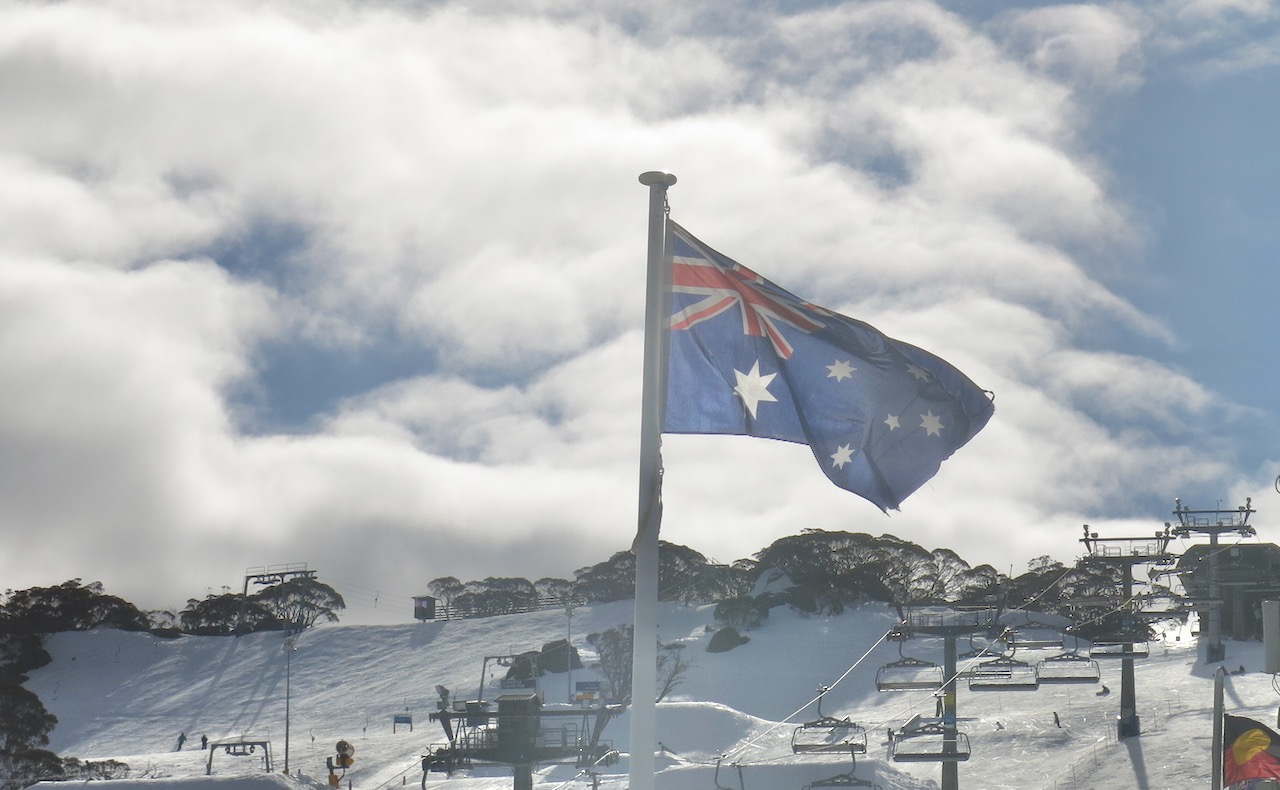
The provided Instagram reels offer a visual glimpse into the efforts being made. Thredbo’s reel, though without a specific date in the provided text, likely showcases the resort’s efforts to prepare its slopes, potentially highlighting snowmaking operations or early-season grooming. The reel from Perisher, posted on June 1st, provides a more concrete snapshot of the conditions just days before the official opening. These visual updates are crucial for potential visitors, offering a tangible sense of the snow depth and operational readiness of the resorts.
Falls Creek: Optimism Amidst Preparation
Falls Creek, another prominent Australian ski resort, is expressing cautious optimism for the upcoming season. Betony Pitcher, the Manager of Brand and Experience at Falls Creek, conveyed a sense of anticipation and hard work within the resort community. "Alongside snowmaking whenever conditions allow, our mountain team is working around the clock to prepare for the season," she stated. This statement underscores the dual strategy employed by the resort: leveraging natural snow when available and actively supplementing it with artificial snowmaking. The commitment of the mountain team, working tirelessly behind the scenes, is fundamental to ensuring a smooth and enjoyable opening for guests.
Pitcher further elaborated on the atmosphere within the resort village, highlighting the growing excitement as the opening weekend approaches. "The village is coming to life, excitement is building, and we can’t wait to welcome guests back this weekend," she added. This sentiment reflects the broader economic and social significance of the ski season’s opening. For many businesses in and around the alpine regions, the ski season is their primary economic driver, and the successful launch of operations is crucial for their livelihoods. The anticipation of welcoming guests back signifies a return to normalcy and a hopeful outlook for the months ahead.
The Broader Context: Climate Change and the Future of Australian Skiing
The challenges faced by Australian ski resorts in opening their seasons are not unique. Globally, ski destinations are grappling with the impacts of climate change, including warmer winters and less predictable snowfall. The Australian Alps, while experiencing some unique microclimates, are not immune to these broader trends. Average temperatures in the Australian Alps have been rising, leading to shorter snow seasons and a greater reliance on artificial snow.
Data and Trends: A Shifting Landscape
Historical data from the Bureau of Meteorology and various snow reporting agencies consistently show fluctuations in snowfall patterns over the past few decades. While year-to-year variability is a natural phenomenon, there is a discernible trend towards warmer temperatures and reduced snow depth in some regions. For instance, studies have indicated a decrease in the number of days with snow cover in certain areas. This has spurred a significant increase in investment in snowmaking technology across the Australian ski industry. Resorts are now equipped with sophisticated systems that can produce snow efficiently at higher temperatures than previously possible, but these systems are energy-intensive and require consistent cold nights to operate at peak capacity.
The economic implications of a delayed or compromised ski season are substantial. The alpine tourism sector contributes significantly to local and regional economies through direct spending on lift passes, accommodation, food, and retail, as well as indirect spending on transport and other services. A poor start to the season can have a ripple effect, impacting employment, business viability, and regional development.
Official Responses and Industry Adaptations
The proactive approach taken by resorts like Thredbo, Corin Forest, and Mt Buller, with their heavy investments in snowmaking, is a clear response to these environmental shifts. This strategy not only aims to ensure an earlier opening but also to extend the ski season and provide a more reliable experience for visitors. The development of advanced snow guns, improved water management systems for snowmaking, and the use of weather forecasting technologies are all part of a sophisticated effort to combat the challenges posed by climate change.
Furthermore, resorts are increasingly focusing on diversification of their offerings. While skiing and snowboarding remain the core attractions, many are enhancing their summer and shoulder-season activities, such as mountain biking, hiking, and cultural events, to create a more resilient tourism model that is less solely dependent on winter snow conditions.
Looking Ahead: A Weekend of Assessment
As the King’s Birthday weekend unfolds, PlanetSKI will be closely monitoring the situation across the Australian ski fields. Updates will be provided throughout the weekend to offer the most current information on resort openings, snow conditions, and any unforeseen developments. The success of this opening weekend will be a crucial indicator of what lies ahead for the 2026 Australian ski season, highlighting the industry’s ongoing efforts to adapt and thrive in the face of environmental change. The dedication of resort staff, combined with technological advancements and the enduring passion of snow sports enthusiasts, will undoubtedly shape the coming months on the slopes.
PlanetSKI: Number 1 for digital ski news
Your digital platform for ski news, resort information, travel, equipment rental, sport, money-saving deals, and everything connected with snowsports – website, social media & more.

