
The world of ski equipment is vast and complex, yet a fundamental aspect, often overshadowed by discussions of ski length or boot flex, remains critically misunderstood by many skiers, even seasoned veterans: the intricate relationship between foot volume and boot fit. This oversight, as recently highlighted by a senior editor at a prominent ski publication, underscores a widespread challenge within the industry and among enthusiasts, impacting performance, comfort, and long-term engagement with the sport. The revelation that an individual deeply immersed in ski culture for decades was unknowingly wearing incorrectly sized boots for their foot volume brings into sharp focus the need for greater awareness and the adoption of advanced bootfitting methodologies.
The Silent Impediment: Decoding Ski Boot Volume
For generations, the primary focus in ski boot selection has revolved around shell size (length) and flex rating (stiffness). While these metrics are undoubtedly crucial, they represent only part of the equation. Boot volume, which encompasses the overall space inside the boot liner and shell – specifically addressing foot width, instep height, and heel pocket circumference – is often an afterthought. This neglect can lead to subtle yet persistent issues that prevent skiers from reaching their full potential or enjoying the sport without discomfort.
The human foot is remarkably diverse, with significant variations in shape and volume even among individuals with the same foot length. A "low-volume" foot, for instance, is typically narrower with a lower instep and a slender heel, requiring a boot designed to cradle these contours snugly. Conversely, a "high-volume" foot is broader, has a higher instep, and a fuller heel, demanding a boot with more internal space to avoid painful pressure points. When a low-volume foot is placed in a high-volume boot, even if the length is correct, the skier may experience excessive movement, leading to inefficient energy transfer, a lack of control, and increased fatigue. Conversely, a high-volume foot forced into a low-volume boot will inevitably suffer from painful compression and circulation issues.
The inherent design of ski boots contributes to this confusion. Unlike conventional footwear, ski boots are engineered to be highly form-fitting, creating a rigid connection between the skier’s leg and the ski. This tight sensation is a fundamental characteristic, making it challenging for individuals to discern whether a boot’s "snugness" is ideal or merely indicative of a general, albeit potentially incorrect, tightness. Many skiers mistakenly equate overall tightness with a good fit, failing to recognize that a boot can be tight in some areas while still having too much volume in others, leading to slop and compromised performance. Data from various ski industry studies suggest that a significant percentage of recreational skiers, potentially as high as 60-70%, are skiing in boots that are not optimally fitted, with volume being a primary culprit. This often manifests as chronic foot pain, numbness, or a persistent inability to initiate turns with precision.
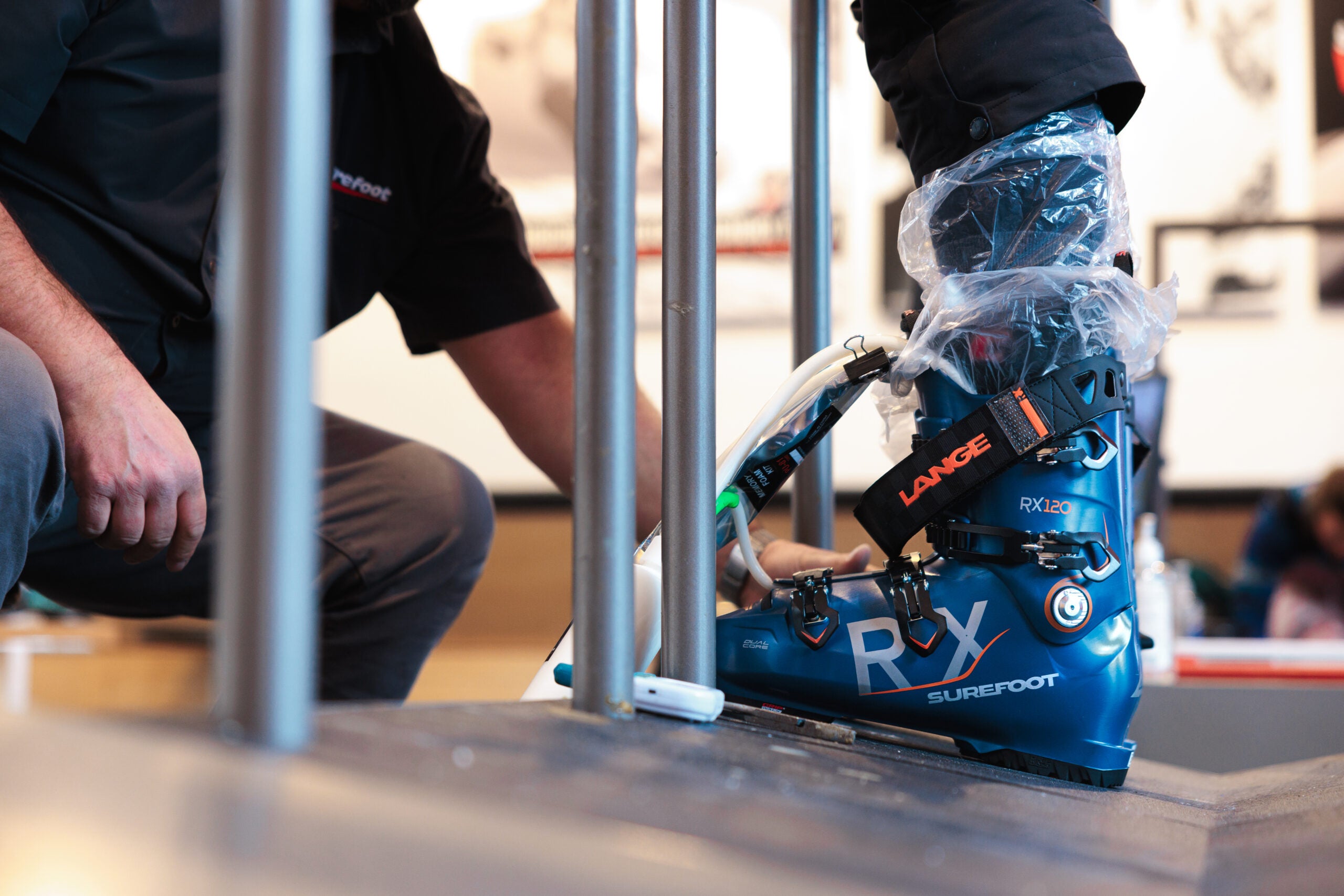
A Veteran’s Wake-Up Call: The SKI Executive Editor’s Journey
The recent experience of SKI Magazine’s Executive Editor serves as a compelling case study. With a lifetime of skiing, decades of industry experience, and having overseen countless gear reviews and bootfitting guides, the editor’s revelation of wearing the wrong boot volume for decades underscores the pervasive nature of this issue. Despite consistently seeking a "firm, perfect fit" and experimenting with various models, including advanced BOA-closure systems designed to enhance heel hold, a persistent feeling of inadequate control lingered. This highlights a critical point: even the most sophisticated modern boot technologies cannot fully compensate for an inherently mismatched boot volume.
The editor’s journey to enlightenment began when seeking solutions for perceived control issues with a new pair of boots. Rather than simply accepting the status quo, the decision to consult a specialized bootfitter at Surefoot in Vail, Colorado, marked a pivotal moment. This move, driven by a desire to "level up" performance rather than merely alleviate pain, points to a broader trend of skiers increasingly seeking professional intervention beyond basic retail fitting.
Surefoot’s Pioneering Approach: A Timeline of Customization
The solution to such pervasive fitting challenges often lies in specialized technology and expertise, a realm where companies like Surefoot have long been innovators. Founded in 1982 by brothers Bob and Russ Shay in Park City, Utah, Surefoot emerged from a personal need to address the chronic discomfort and performance limitations imposed by ill-fitting ski boots. Both lifelong skiers and competitive racers, the Shay brothers understood intimately the critical link between boot fit and on-snow performance. They recognized that the industry’s then-standard "one-size-fits-all" or basic sizing approach was fundamentally flawed, particularly for athletes pushing the limits of the sport.
Chronology of Surefoot’s Innovation:
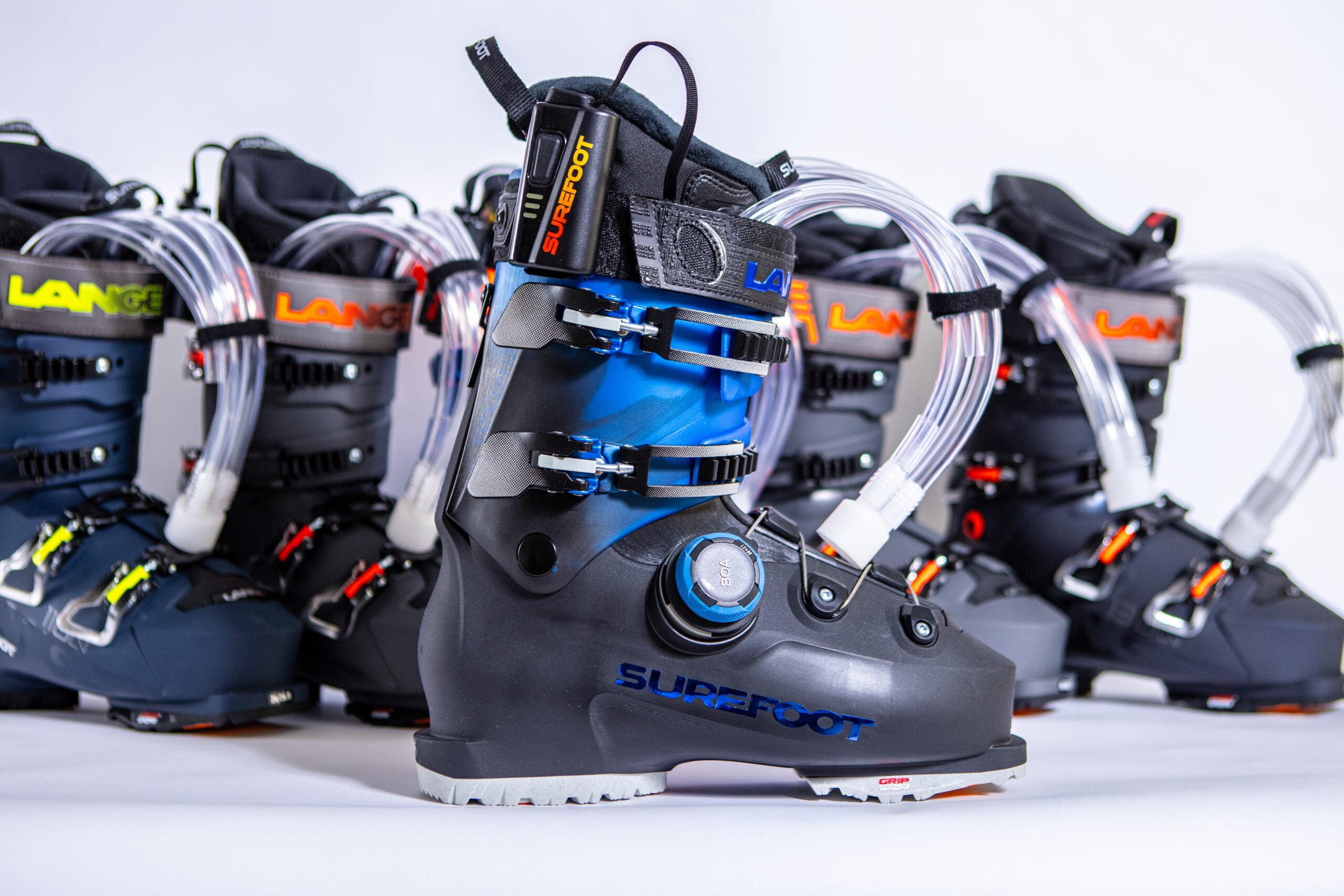
- Early 1980s: Bob and Russ Shay, frustrated with existing boot solutions, begin experimenting with custom fitting techniques. Their initial focus is on improving comfort and performance for themselves and their peers.
- 1982: Surefoot is formally established in Park City, Utah. The core philosophy is built around the belief that ski boots require personalized customization rather than off-the-shelf solutions. They begin developing proprietary methods for custom insoles and foam-injected liners.
- 1980s-1990s: Surefoot refines its custom bootfitting process, gaining a reputation among professional racers and serious recreational skiers. They introduce early versions of foot scanning and measurement tools, moving beyond traditional manual methods.
- Early 2000s: The company expands its reach, opening more locations across major ski resorts in North America and Europe. Investment in digital technologies, including 3D foot scanning, begins to revolutionize their fitting accuracy.
- 2010s onwards: Surefoot integrates advanced 3D scanning technology as a cornerstone of its process, allowing for highly precise measurements of foot length, width, instep height, and arch type. This data-driven approach solidifies their position as a leader in custom bootfitting. The company now operates over 30 stores globally, maintaining a consistent, high-standard methodology across all locations.
The Surefoot Process: A Deep Dive into Precision Fitting
The Surefoot bootfitting experience, as described by the SKI Executive Editor, exemplifies a comprehensive, multi-step approach designed to eliminate guesswork and achieve an unparalleled fit. This process is built upon three critical stages:
-
Digital Scan and Foot Evaluation: This initial step is foundational. A state-of-the-art 3D scanner captures a precise digital model of the skier’s foot. This scan goes far beyond simple length and width measurements, mapping the entire topography of the foot, including arch height, instep volume, and the exact contours of the heel and forefoot. This objective data provides the bootfitter with an accurate profile of the skier’s foot volume, identifying whether it is low, medium, or high, and revealing any asymmetries or unique anatomical features. It was this precise scan that definitively revealed the editor’s low-volume feet with narrow heels, a detail overlooked for decades. This diagnostic phase often includes a gait analysis and a discussion of the skier’s specific goals, prior issues, and preferred terrain, providing a holistic understanding of their needs.
-
Creation of a Custom Insole: Once the foot data is analyzed, a custom insole (or footbed) is meticulously crafted. This is a critical component often underestimated by skiers. Unlike generic insoles that offer minimal support, a custom insole precisely mirrors the arch and contours of the individual’s foot. Its primary functions are to stabilize the foot, prevent excessive pronation (rolling inward) or supination (rolling outward), and evenly distribute pressure across the sole. This stabilization is paramount for improving balance, enhancing energy transfer to the ski, and reducing fatigue. For the SKI Executive Editor, this custom insole would have provided a stable platform, optimizing foot position within the boot shell before the liner molding began. The ability to transfer these custom insoles to other performance footwear also adds significant value, extending comfort and support beyond the ski slopes.
-
Molding of the Boot Liner: The final and perhaps most distinctive step in the Surefoot process is the custom molding of the boot liner. Surefoot utilizes a unique chemical foam injection process. After the foot, with its new custom insole, is placed into the boot shell, a specialized, expanding foam is injected into the liner, meticulously filling every void around the foot and lower leg. As the foam cures, it creates a perfectly customized liner that precisely matches the unique anatomy of the skier. This eliminates pressure points while simultaneously providing a snug, responsive fit that maximizes energy transmission. The result is a boot that feels like an extension of the skier’s body, offering unparalleled control and comfort. The editor’s experience confirms this, noting how the new boots conform "perfectly to the lumps, bumps, and unique features of my feet."
Industry Perspectives and Broader Implications

The insights gained from such advanced bootfitting services resonate throughout the ski industry. Leading boot manufacturers are increasingly recognizing the importance of volume, offering a wider range of shells categorized not just by length and flex, but also by last width (a proxy for volume). For instance, many brands now produce boots in 98mm, 100mm, and 102mm last widths, catering to low, medium, and high-volume feet respectively, often with specific instep and heel pocket designs. However, even with these advancements, a truly personalized fit often requires the expertise and technology found in dedicated bootfitting centers.
Expert bootfitters universally agree that a proper fit is the single most important factor for a skier’s enjoyment and progression. "Many skiers come to us complaining of pain or lack of control, often after years of struggling," notes a veteran bootfitter from a prominent Colorado resort. "They’ve bought multiple pairs of boots, thinking the issue was the brand or model, when in fact, it was simply the wrong volume for their foot type. Once we address that, it’s transformative."
The implications extend beyond just comfort and performance:
- Enhanced Performance: A perfectly fitted boot ensures optimal energy transfer from the skier’s body to the ski, leading to quicker edge engagement, more precise turning, and improved responsiveness in varied terrain. The SKI Executive Editor’s observation of "never had more control over my skis in dicey or tough terrain" directly illustrates this benefit.
- Reduced Fatigue: When the foot is properly supported and secured, muscles work more efficiently, reducing strain and fatigue. This allows skiers to enjoy longer days on the slopes and maintain technique throughout.
- Injury Prevention: Ill-fitting boots are a common cause of ski-related injuries, including shin bang, blisters, nerve impingement, and even knee pain due to compromised body mechanics. A custom fit minimizes these risks by ensuring proper alignment and support.
- Increased Confidence: Feeling truly connected to the skis through a perfect boot fit instills confidence, encouraging skiers to tackle more challenging terrain and push their skill boundaries. The editor’s renewed belief in being able to "level up" and ski for "another 25 years" is a testament to this psychological boost.
- Long-Term Engagement: When skiing is comfortable and enjoyable, individuals are more likely to continue participating in the sport for many years. Conversely, chronic discomfort can lead to frustration and eventually, abandonment of the activity.
The Future of Skiing: Personalization as the Standard
The experience of the SKI Executive Editor, moving from decades of an adequate-but-not-optimal fit to a truly custom solution, serves as a powerful reminder for all skiers. It highlights that even those with extensive knowledge can overlook subtle yet critical aspects of their gear. The evolution of bootfitting technology, epitomized by services like Surefoot, has transformed what was once a subjective and often painful process into a precise, data-driven science.
As the ski industry continues to innovate, the trend towards personalization is undeniable. From custom ski constructions to individually tuned bindings, the focus is increasingly on tailoring equipment to the unique needs and biomechanics of each skier. In this landscape, advanced bootfitting stands as a cornerstone, offering not just a better day on the mountain, but a renewed passion and potential for progression in the sport. For any skier experiencing persistent discomfort, a plateau in skill, or simply seeking to maximize their on-snow experience, a professional bootfitting consultation that thoroughly addresses boot volume and foot anatomy is no longer a luxury but a fundamental necessity. The investment in a custom fit is an investment in countless future days of confident, comfortable, and controlled skiing.

