
Published April 15, 2026 10:01AM
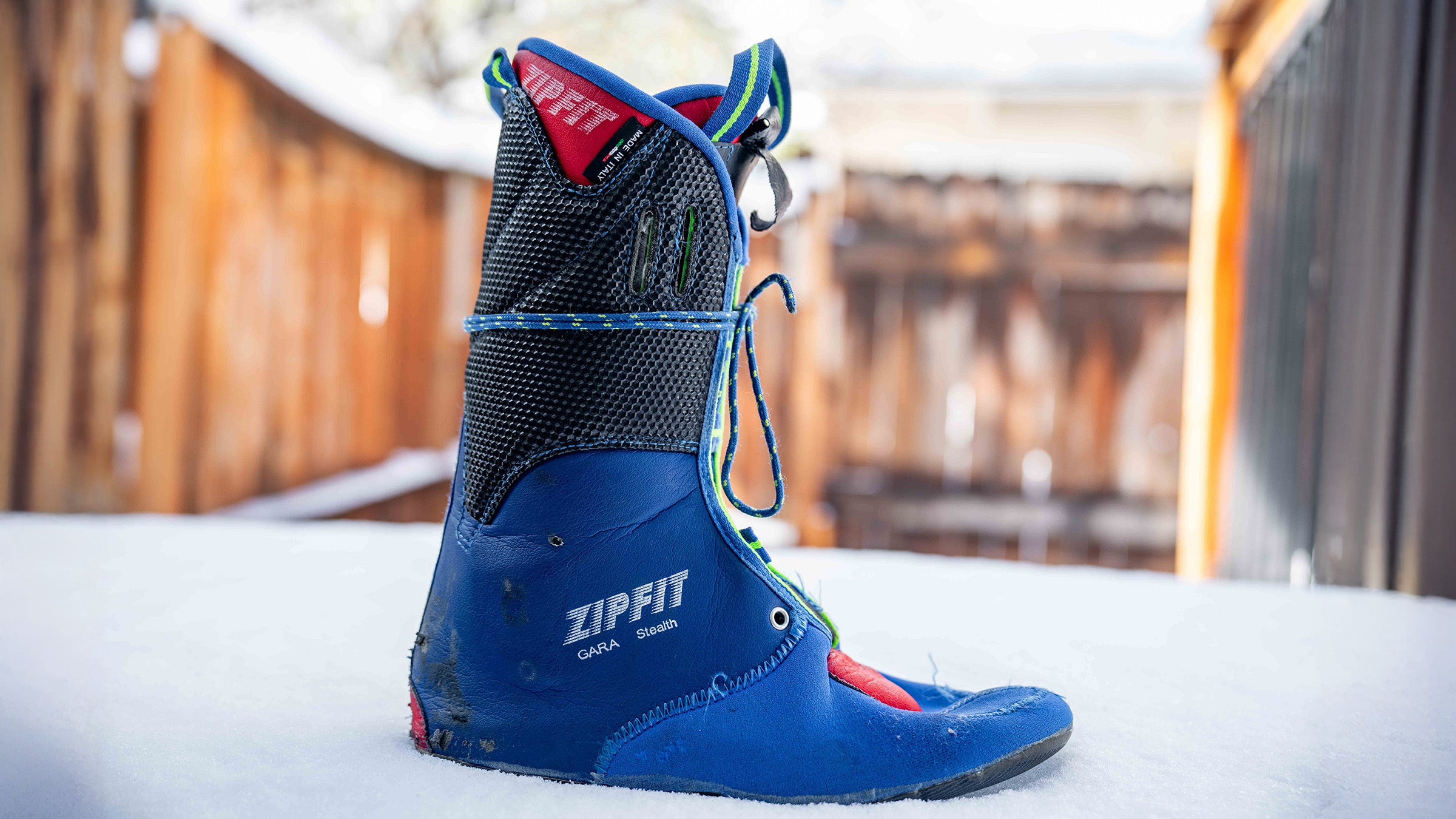
The pursuit of the perfect ski boot fit has long been a holy grail for enthusiasts, often fraught with compromise between comfort and performance. However, a recent personal account highlights a significant disruption to this traditional narrative: the enduring legacy of Zipfit custom ski boot liners. After over 200 days on the slopes, a dedicated skier recently retired a pair of beloved Tecnica Mach1 LV 130 boots, their orange plastic whitened and nearing structural fatigue. Yet, instead of discarding the entire system, the core of the skier’s connection to the snow – a trusty pair of aftermarket Zipfit Gara LV liners – was carefully extracted and transferred into a new shell, the Armada AR ONE 130. This marks the third set of outer boots these exceptional liners have called home, a testament to their unparalleled longevity and adaptability in an industry often characterized by planned obsolescence. This ongoing performance, spanning well over six seasons and hundreds of ski days, underscores Zipfit’s unique value proposition: a premium investment that delivers consistent, high-level performance and significant environmental benefits over an extended lifespan.
The Genesis of an Innovation: Sven Coomer and the Bootfitting Revolution
The story of Zipfit liners is inextricably linked to the visionary work of Sven Coomer, a figure whose contributions to ski boot design are etched into the sport’s history. Coomer, who was inducted into the U.S. Ski and Snowboard Hall of Fame in 2021, co-founded Mammoth’s Footloose Sports in 1979. This iconic bootfitting shop quickly became a hub for innovation, addressing the myriad of fit issues that plagued skiers with mass-produced boots. Before Coomer’s interventions, skiers frequently contended with discomfort, pressure points, and a lack of precision, often compromising performance or even leading to injury. Early custom solutions, while attempting to improve fit, often relied on materials like toxic foams that posed health risks and had inherent limitations in durability and reusability.
Coomer’s early experiments included using ground-up Birkenstock cork to create custom footbeds, a pioneering step in personalized ski gear. This fascination with cork’s unique properties laid the groundwork for his most significant innovation in liners. In 1989, he officially founded Zipfit, introducing the first custom liner that eliminated the need for toxic, single-use foams. This marked a paradigm shift, offering skiers a safer, more effective, and ultimately, a more sustainable alternative. Coomer’s influence extends far beyond Zipfit; his design principles are evident in high-performance racing plug boots, popular all-mountain lines like the Atomic Hawx, and progressive cabrio designs found in brands such as Full Tilt and K2 Fl3x. His work consistently focused on optimizing the interface between the skier’s foot and the ski, maximizing power transfer and comfort. The development of Zipfit liners emerged from a critical need to provide a customizable and enduring solution to a perennial problem in skiing, moving beyond temporary fixes to offer a truly integrated "inner boot" experience.
Unpacking the Zipfit Advantage: Engineering for Endurance and Performance
The enduring success of Zipfit liners, largely unchanged in their fundamental design since their inception, is a testament to the robust engineering principles behind them. Unlike conventional foam liners, which gradually compress and "pack out" over time, Zipfit liners are constructed from a blend of durable materials including leather, neoprene, and wool. These materials are chosen not only for their resilience but also for their ability to conform and provide long-lasting comfort. The real innovation, however, lies within their internal structure: bladders strategically placed in the tongue and ankle pockets. These bladders are filled with OMFit cork, a proprietary mixture of cork granules suspended in oil.
The unique properties of OMFit cork are central to Zipfit’s performance. Unlike foam, which permanently deforms under pressure, cork redistributes. When warmed by the skier’s body heat, the oil in the OMFit mixture becomes more fluid, allowing the cork particles to shift and precisely mold around the contours of the foot and ankle within the ski boot shell. As the liner cools, the cork holds this custom shape. This dynamic adaptability means that the liner continually remolds to the skier’s foot, adapting to subtle changes over the course of a day or even a season. Crucially, because the cork redistributes rather than compresses, the liner maintains its structural integrity and supportive qualities over hundreds of ski days. This characteristic is what makes Zipfits uniquely remoldable and, most significantly, transferable between multiple ski boot shells – a feature unheard of with traditional liners. This design philosophy positions Zipfit not merely as a liner, but as an "inner boot," a complete, anatomically optimized interface designed to be the consistent element in a skier’s setup, providing a firm, yet forgiving, connection that maximizes both control and comfort.
Transformative On-Snow Experience: Precision, Power, and Comfort
For many skiers, the experience of upgrading to Zipfit liners is nothing short of transformative. The initial breaking-in period, typically involving at least five days of skiing before any additional cork is added by a professional bootfitter, is essential for the OMFit cork to fully settle and conform. This process, while requiring patience, is an investment that yields profound returns. The author of the original account noted that nothing else had changed their skiing experience as significantly. This sentiment is echoed by countless skiers who have made the transition from traditional liners.
Once fully broken in, the liners create an unparalleled connection between the foot and the ski boot shell. The exceptional heel hold provided by the custom-molded cork eliminates micro-movements, a common source of energy loss and discomfort in stock liners. This secure anchor point allows for far more efficient and immediate power transfer from the skier’s leg directly to the ski, translating into quicker edge engagement, more precise turn initiation, and sustained pressure through the entire arc of a turn. This heightened sensitivity means skiers can feel the snow surface and react with greater nuance, improving control across varied conditions. Industry data suggests that improved power transmission from a precise boot-to-foot interface can enhance responsiveness by up to 15-20%, leading to a noticeable improvement in ski control and reduction in skier fatigue over extended periods.
Beyond performance, comfort is dramatically enhanced. The structured support around the ankle and heel, combined with the unstructured toe box, addresses a frequent paradox in bootfitting. In low-volume boots like the Tecnica Mach1 LV series, the forefoot often feels cramped despite a snug heel. Zipfits resolve this by providing ample, pressure-free space for the toes while maintaining an ironclad heel lock. This unique combination allows the skier’s toes to splay naturally, improving circulation and reducing cold spots, without sacrificing control. This balance of a secure heel and a relaxed forefoot is a cornerstone of optimal ski boot fit, directly contributing to longer, more enjoyable days on the mountain.
The adaptability of Zipfit liners across a range of shell types further solidifies their value. The author experienced seamless transitions from ultra-low-volume race boots, such as the 96mm-lasted Tecnica Firebird 130R, to more accommodating cabrio designs like the 100mm Armada AR ONE. This versatility means skiers can choose boot shells based on desired flex and features, confident that their Zipfits will provide a consistent, high-performance fit. The superior heel hold allows some skiers to even "size up" slightly in shell volume, gaining additional warmth and comfort without compromising the crucial connection to the ski. Off-piste, the secure fit aids balance, allowing for more aggressive and controlled skiing through bumps, deep powder, and challenging steeps. The integrated lacing system, often customized by users, provides an additional layer of fine-tuning, ensuring the foot remains precisely positioned for optimal drive and responsiveness, making Zipfit liners a truly versatile performance enhancer for any serious skier.
Navigating Ownership: Customization, Maintenance, and Practicalities
Owning Zipfit liners involves a unique relationship of customization and ongoing maintenance that differs significantly from traditional liners. The initial fit by a skilled bootfitter is crucial, ensuring the base cork fill is appropriate for the skier’s foot and chosen shell. Following the recommended breaking-in period of approximately five days, minor adjustments, such as adding more OMFit cork, can be made to refine the fit further. This iterative process allows the liner to perfectly conform to the skier’s unique foot mechanics over time.
Users often discover personal preferences for modifying their liners. The author, for instance, chose to remove the integrated power straps, finding they added unnecessary bulk and created a slight gap between the liner’s tongue and the boot cuff. While these straps are a feature Zipfit promotes as contributing to the "inner boot" concept, their removal highlights the customizable nature of the product. Similarly, the lacing system is frequently personalized. The author adopted a technique suggested by a Zipfit employee, Jeff Colt, skipping the bottom two eyelets to relieve instep pressure and then wrapping the laces around the back of the liner before tying them high on the tongue. This method, often referred to as "World Cup" lacing, provides a highly secure and customized fit, though it requires lacing the liner onto the foot before stepping into the boot shell. This specific adjustment helps to distribute pressure more evenly and lock the heel more effectively for some skiers.
This "World Cup" entry method is often cited as a minor inconvenience, particularly for skiers with mobility limitations. It requires a slightly more involved process than simply sliding into a boot. However, as the author noted, users quickly adapt, and techniques like using a shoehorn can significantly ease the entry, even in cold conditions where plastic shells become less pliable. The minor effort is generally considered a worthwhile trade-off for the superior fit and performance. Bootfitters often provide demonstrations and tips to streamline this process, making it a quick habit for dedicated users.
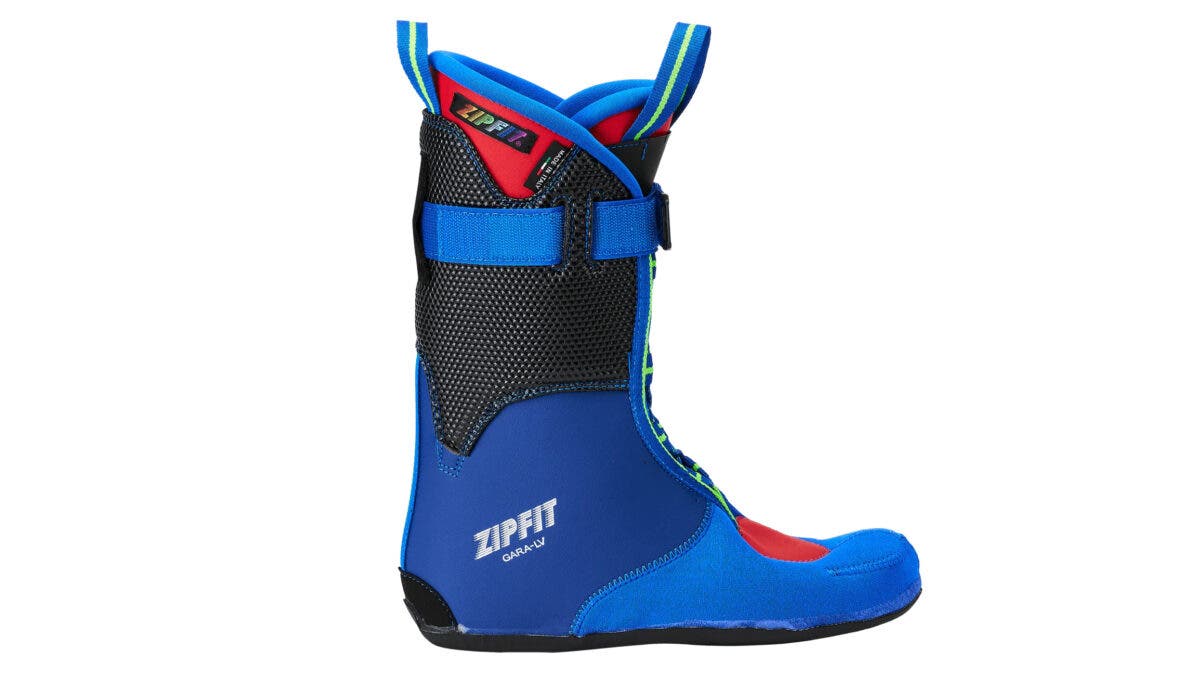
A key aspect of Zipfit’s longevity is the ability to replenish the OMFit cork. While the material redistributes rather than compresses, over many seasons and hundreds of days, it can spread thin in certain areas, particularly the ankle pockets and tongue. The author reported not needing to add cork until their third year of ownership and only starting to consider another refill in their sixth season. This periodic replenishment, performed by a certified bootfitter, effectively "resets" the liner’s performance, bringing it back to its optimal, snug fit. This ability to refresh the core material stands in stark contrast to foam liners, which once packed out, offer no viable path to restore their original performance. The cost of a cork refill is significantly less than a new liner, further contributing to the overall economic advantage of Zipfits.
Sustainability and Economic Value: A Long-Term Investment
In an era where "sustainability" is often a marketing buzzword for new products, Zipfit liners offer a tangible and profound example of genuine environmental responsibility. The product’s inherent durability and reparability directly address the issue of waste in the outdoor industry. Traditional foam liners typically offer a peak performance window of only 50 to 75 ski days before significant packing out occurs, even if their theoretical lifespan is longer. This often leads skiers to replace liners, or even entire boots, far more frequently. The environmental impact of discarding these liners, often composed of non-recyclable synthetic foams, contributes to growing landfill waste.
Zipfit liners, with their capacity for cork replenishment and construction from robust materials, can easily last for six seasons or more, accumulating hundreds of ski days (the author’s liners are nearing 500 days). This extended lifespan has significant environmental implications, reducing the volume of worn-out gear heading to landfills. By allowing skiers to extend the life of their boot shells significantly – as the author attests to having purchased "one fewer pair of boots in the last few years" – Zipfits contribute to a circular economy model where components are reused and maintained rather than discarded. This approach aligns with broader ecological movements advocating for products designed for longevity and repair, rather than rapid consumption.
From an economic perspective, while the upfront cost of Zipfit liners is undeniably higher than that of stock or even some aftermarket foam liners, the long-term value proposition is compelling. Skiers can amortize the cost over many years and multiple boot shells, effectively reducing their per-day cost of a high-performance fit to a fraction of that incurred with disposable liners. When considering the cost of replacing foam liners every few seasons (typically $150-$300 per pair) or purchasing new boots prematurely due to liner failure (typically $500-$1000 per pair), Zipfits often prove to be a more economical choice in the long run, despite an initial investment that can range from $300-$500. This aligns with a growing consumer trend towards investing in high-quality, durable goods that offer extended utility and reduced environmental impact, shifting away from a disposable consumption model. The value proposition of Zipfit liners transcends mere performance, extending to significant economic and ecological benefits for the conscientious skier.
Market Perspective and Expert Insights
Within the specialized world of ski bootfitting, Zipfit liners hold a respected, albeit niche, position. Bootfitting professionals often recommend Zipfits to skiers who prioritize long-term performance, comfort, and durability, especially those who ski frequently or have persistent fit issues. These experts understand that while foam-injected liners can provide an incredibly precise, albeit temporary, peak fit, the unique characteristics of Zipfit’s cork-oil blend offer a sustained, adaptable precision that foam cannot match over time.
"The beauty of Zipfits," an industry veteran bootfitter might explain, "is that they don’t just fit your foot; they evolve with it. When a foam liner packs out, you’re done. With Zipfit, we can add cork, fine-tune the fit again,

