
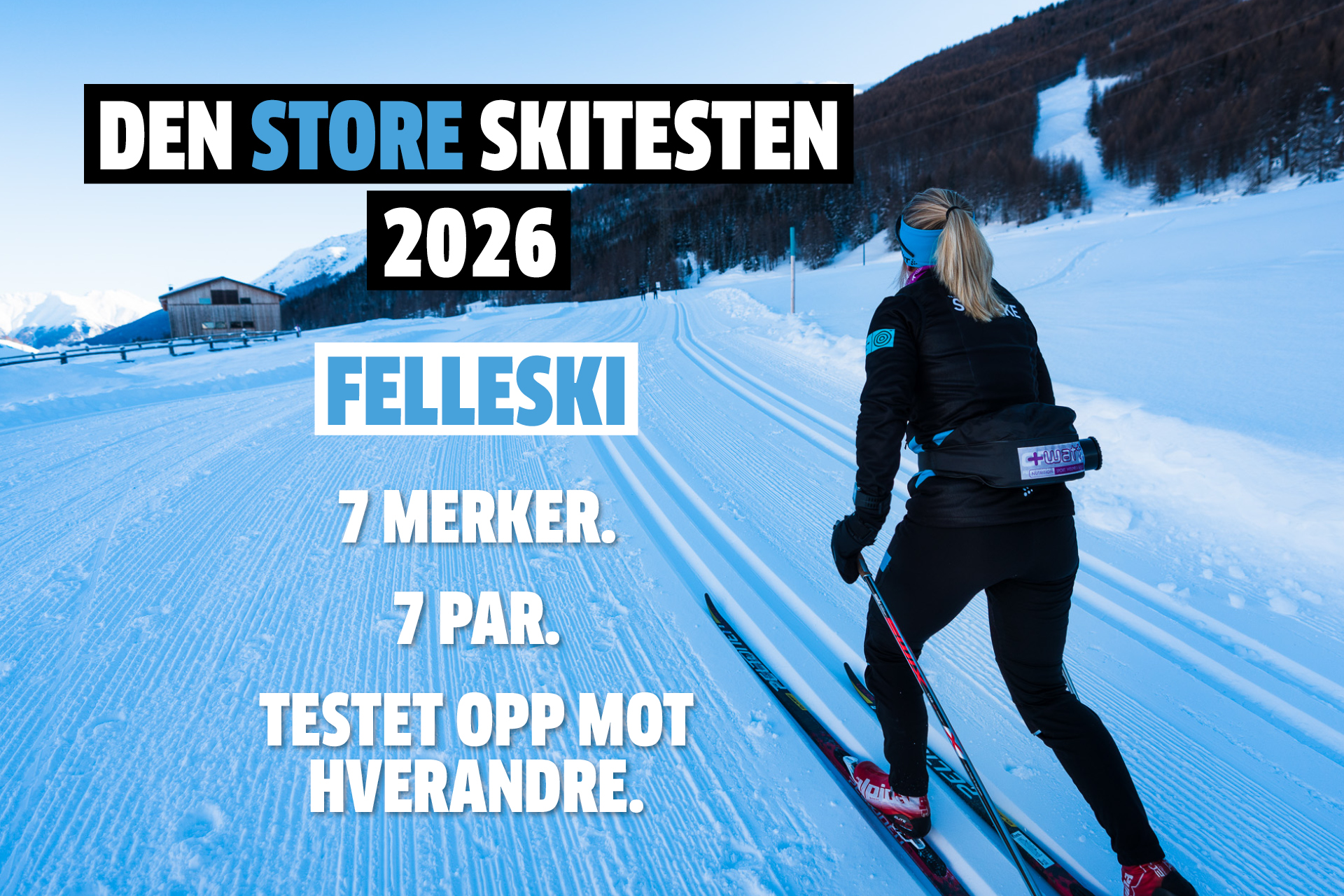
As the winter season approaches, the demand for high-performance, low-maintenance cross-country equipment has reached a new peak. The 2026 edition of the annual Great Ski Test, conducted in the controlled environment of the Torsby Skidtunnel in Sweden, has officially concluded its first phase. This year’s analysis focuses exclusively on the skin ski segment—a category that has revolutionized the sport for recreational athletes and elite trainers alike by eliminating the need for traditional kick wax. Over the course of a rigorous testing period, seven models from the industry’s leading manufacturers were evaluated to determine their efficacy in terms of grip, glide, and maneuverability.
Background and Testing Methodology
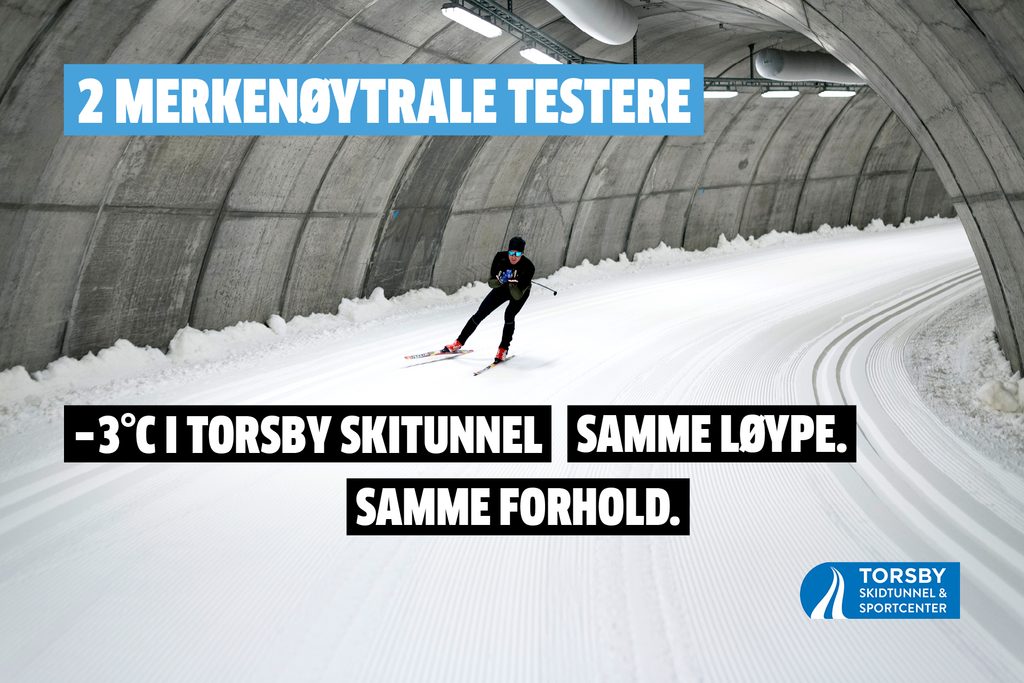
The selection of Torsby Skidtunnel as the testing ground in September 2026 was a strategic decision aimed at eliminating the variables of fluctuating weather. In an outdoor setting, humidity, snow crystallization, and fluctuating air temperatures can drastically alter the performance of a ski base or a synthetic skin. By utilizing the tunnel, where temperatures remain a constant -3 degrees Celsius and wind is nonexistent, the testers were able to isolate the mechanical performance of each ski design.
The evaluation process spanned several weeks, involving two highly experienced testers—Madelene Halvardsson and Maja Eriksson—both of whom bring years of elite-level experience in long-distance and traditional cross-country disciplines. Each ski was subjected to 10 to 12 minutes of continuous usage across varied terrain within the tunnel. To ensure objectivity, the final ratings represent the mathematical average of the independent scores provided by both testers. They evaluated three core pillars of performance: grip (the ease of achieving traction), release (the efficiency of the kick and glide during double-poling), and maneuverability (the ease of handling the ski during turns and lane changes).
The Evolution of Skin Technology
Skin skis have come a long way since their introduction. Initially criticized for being heavy and sluggish, modern iterations now utilize advanced materials, such as 100% mohair, to mimic the properties of natural wax while offering durability. The 2026 models demonstrate a significant shift toward "racing-lite" construction, where manufacturers are attempting to blend the stability of a touring ski with the speed of a professional racing tool. This transition is largely driven by the segment of the market consisting of "ambitious recreationalists"—skiers who participate in long-distance events like the Vasaloppet or Birkebeinerrennet and require a ski that performs reliably for hours without requiring mid-race maintenance.
Comparative Performance Breakdown
Atomic C8: The Benchmark
The Atomic C8 emerged as the standout performer of the 2026 test, securing an overall score of 4.7 out of 5. By leveraging the company’s signature Skintec technology, the C8 provides a sensation that closely mirrors that of a traditional wax-pocket ski. Its primary advantage lies in the integration of its geometry; the ski offers a secure, reliable grip without the drag often associated with skin friction. With a retail price of approximately 5,800 NOK including bindings, it represents a premium but highly effective investment for those seeking a singular, all-purpose ski.

Salomon Equipe Pro Skin
Securing second place with a 4.4 rating, the Salomon Equipe Pro is clearly aimed at the performance-oriented market. Its Innowave core provides a dynamic, responsive feel that appeals to faster skiers. While the ski is exceptionally fast, testers noted that it requires a more precise technique, as it has a tendency to "bite" or catch if the skier’s weight transfer is not perfectly centered during double-poling.
Fischer Twin Skin Speedmax 70
Fischer remains a titan in the industry, and the Speedmax 70 holds its position in the middle-to-high tier of the 2026 lineup. Scoring 4.3, the ski is praised for its stability and the consistency of its Twin Skin technology. While it provides excellent grip, the testers noted a slight limitation in glide efficiency during high-cadence double-poling, suggesting that the skin may have a slightly higher surface area contact than some of its racing-focused counterparts.

Peltonen Astra Skin
At a price point of roughly 3,300 NOK, the Peltonen Astra Skin is the most accessible high-performance option. Scoring 4.2, it is a testament to the fact that lightweight construction is no longer reserved for the most expensive models. The Astra is exceptionally easy to maneuver, making it a strong candidate for skiers who prioritize agility and weight-savings over pure speed. However, it does sacrifice some glide performance compared to the more expensive racing models.
Rossignol X-IUM and Madshus Endurace
The Rossignol X-IUM (3.75) and the Madshus Endurace (3.7) occupy the specialized segment of the market. The X-IUM, utilizing a honeycomb core, is designed for power-oriented skiers. It is stable but demands significant physical effort to handle at speed. The Madshus Endurace, conversely, is an excellent entry-point for the premium category. It is stable and forgiving, which makes it ideal for those transitioning from recreational skiing to more intensive training, though it currently struggles with the "braking" effect during double-poling that plagues many entry-level skins.

Kästle XP20 Classic Skin
The Kästle model faced the most difficulty in the testing environment, finishing with a 3.25. While the ski is structurally sound and easy to maneuver, it struggled with the balance between grip and glide, with testers reporting that the skin caused significant friction during the glide phase. This suggests that the model may require a very specific skier profile or further refinement to meet the high standards of the 2026 competitive field.
Industry Implications and Market Trends
The findings from the 2026 Great Ski Test highlight a clear trend: the "perfect" skin ski is becoming a moving target. As manufacturers refine their dampening systems and core materials, the differences between "touring" and "racing" skis are blurring.

For the average consumer, this report serves as a warning against purchasing based on brand prestige alone. The data suggests that stability and maneuverability are often sacrificed for speed. Skiers must assess their own physical strength and technical proficiency before selecting a model. For instance, a heavier, more powerful skier might find the Rossignol X-IUM superior, while a lighter, more nimble skier would likely find the Peltonen Astra to be a more efficient tool.
Furthermore, the involvement of Torsby Skidtunnel as a long-term partner for these tests underscores the industry’s shift toward data-driven development. By moving away from subjective, "feel-based" reviews conducted in unpredictable outdoor weather, the industry is forcing a higher standard of transparency. Manufacturers are now pressured to produce equipment that performs consistently in standardized conditions, which ultimately benefits the consumer who expects high-quality performance right out of the box.

Future Outlook
As we look toward the remainder of the 2026 season, the next phases of the Great Ski Test—covering skating skis, staking skis, and a comprehensive review of poles—will further clarify which brands are leading the technological charge. The industry is currently witnessing an unprecedented era of equipment accessibility. Where once only elite athletes had access to custom-ground, hand-picked skis, the current generation of skin skis provides 90% of that performance to anyone willing to invest in a premium model.
Ultimately, the choice of equipment remains a personal one, influenced by technique, budget, and the specific terrain one intends to frequent. However, with the 2026 testing data now available, consumers are better equipped than ever to navigate the complex landscape of modern cross-country gear. The clear winner, the Atomic C8, sets a high bar for the industry, emphasizing that the ideal ski is one that manages the delicate trade-off between the security of a firm kick and the fluidity of a fast glide. As winter approaches, the data suggests that for the vast majority of skiers, the era of compromising on performance for the sake of convenience is officially over.

