
The highly anticipated Skarverennet, a popular and star-studded long-distance ski race, has been compelled to implement significant changes to its course just one day before its scheduled start on Saturday, April 18th. Organizers announced Friday afternoon that adverse weather conditions, characterized by sleet, rain, and poor visibility, have necessitated the use of a reserve route, fundamentally altering the event’s traditional course. This marks the third consecutive year the race has faced last-minute disruptions due to environmental factors, raising concerns about the reliability of outdoor sporting events in the face of increasingly unpredictable weather patterns.
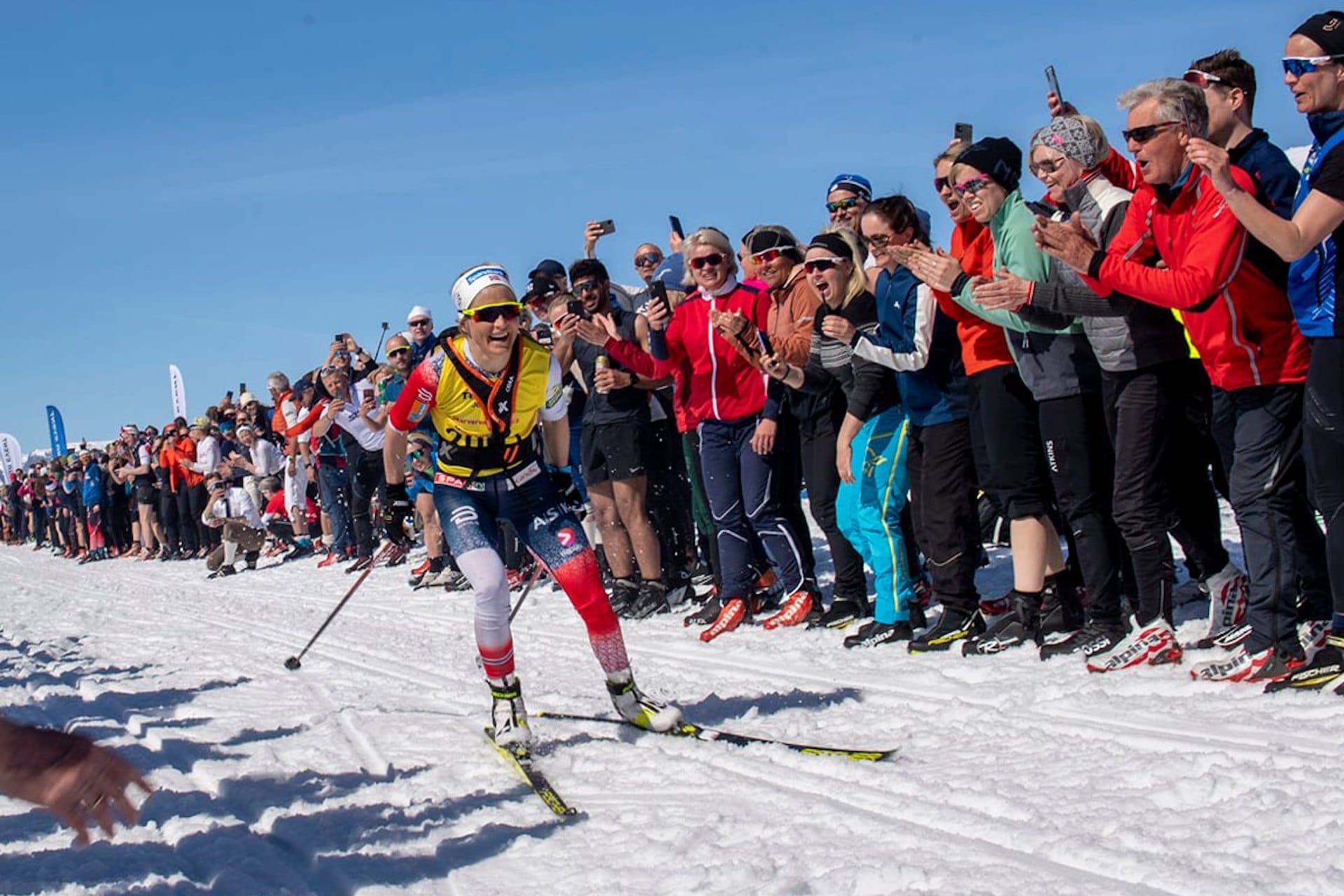
Weather Woes Force Course Alteration
The decision to reroute the Skarverennet was made with the paramount concern for the safety of the approximately 9,000 participants. Race director Ola Uthus stated in a press release that the challenging mountain weather, including a combination of sleet and rain along with severely limited visibility, presented an unacceptable risk for competitors. Consequently, the traditional start at Finse and the finish at Ustaoset have been relocated. For this year’s event, all participants will commence their race from Haugastøl, with the finish line now established at Ustaoset. Despite the course change, organizers have confirmed that all scheduled start times and associated train transportation for participants will proceed as planned.
A History of Weather-Related Challenges
This year’s disruption is not an isolated incident for the Skarverennet. The event, which has been a staple of the Norwegian skiing calendar since 1974, has a recent history of being affected by weather. In the previous year, a lack of snow forced organizers to cancel or make last-minute adjustments. Two years prior, the race was completely canceled due to strong winds and snow squalls. In that instance, elite skiers demonstrated remarkable resilience and camaraderie by organizing an impromptu "Emergency Skarverennet" in Geilo, highlighting the dedication of the athletes and the spirit of the event even in the face of adversity. These recurring challenges underscore the growing vulnerability of traditional outdoor sporting events to climate variability.
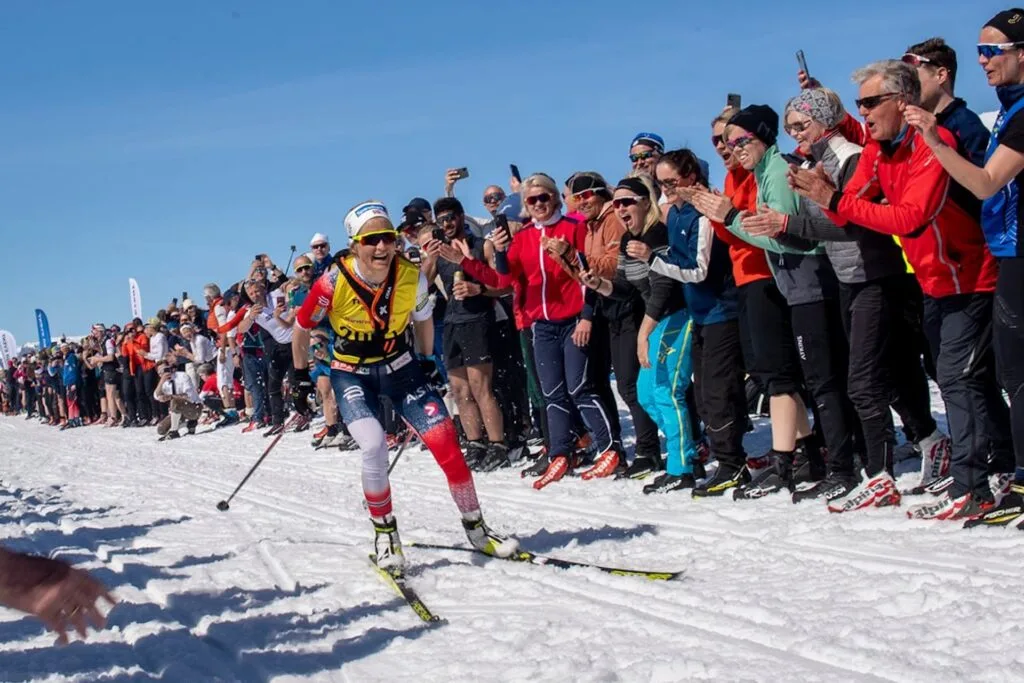
Star-Studded Field Expected Despite Changes
Despite the logistical challenges posed by the course alteration, the Skarverennet is still expected to draw a formidable field of approximately 9,000 participants. This includes a significant contingent of world-class athletes from various disciplines, including biathlon, cross-country skiing, and long-distance ski racing. Notably, several Olympic champions from the current year are slated to compete, underscoring the race’s prestige. Among the notable participants is Einar Hedegart, who will be making his debut in the Skarverennet. His participation, alongside other top athletes, is expected to add considerable excitement to the event, even with the modified course. The presence of such a high caliber of athletes often elevates the profile of long-distance ski races, attracting broader media attention and inspiring amateur participants.
Background and Significance of Skarverennet
The Skarverennet, translating to "The Cormorant Race," is a significant event in Norwegian long-distance skiing. Held annually in April, it traverses a scenic and challenging route through the Norwegian mountains, typically between Finse and Ustaoset. The race has a long-standing tradition and is highly regarded for its demanding terrain and its ability to attract both elite professionals and a large number of recreational skiers. Its timing in late April often positions it as a concluding event for the ski season, offering a final opportunity for skiers to test their endurance and skill before the warmer months. The event’s popularity is a testament to Norway’s deep-rooted skiing culture and its passion for outdoor endurance sports. The route, historically, has offered participants breathtaking views of the Hardangervidda plateau, one of Europe’s largest mountain plateaus.

The choice of Finse as a traditional starting point is significant. Finse is a remote mountain village situated at an elevation of 1,222 meters (4,009 feet) above sea level, accessible only by train. It is known for its harsh, Arctic-like climate and its iconic status in Norwegian literature and film, often representing isolation and the raw power of nature. The ski from Finse traditionally follows the Bergen railway line before diverging onto mountain trails. The finish at Ustaoset, a smaller settlement also on the Bergen railway line, offers a more accessible point for participants and spectators.
Analysis of Implications
The recurring weather-related disruptions to the Skarverennet raise broader questions about the future of outdoor endurance events. As climate change continues to manifest in more extreme and unpredictable weather patterns, organizers of such events face increasing challenges in planning and execution. This can lead to significant financial losses due to cancellations, rerouting, and logistical complications. Furthermore, the unpredictability can impact participant morale and the overall appeal of events that rely on consistent environmental conditions.

For the Skarverennet specifically, the repeated need for course modifications or cancellations could potentially affect its long-term reputation and economic viability if these issues persist. While the event has a strong legacy and a dedicated following, consistent disruptions might deter some participants, particularly those who travel significant distances or make substantial training investments. The decision to use a reserve route, while a pragmatic solution, signifies a deviation from the established and iconic course that many participants look forward to.
The reliance on reserve routes or alternative venues, as seen in previous years, highlights the adaptability of event organizers. However, it also points to a need for more robust long-term strategies to mitigate the impacts of climate change. This could involve exploring alternative event dates, investing in weather forecasting technology, or even considering indoor or less weather-dependent venues, though the latter would fundamentally alter the nature of events like the Skarverennet.

The involvement of top athletes, while a draw, also means that their training schedules and competitive plans can be significantly disrupted by last-minute changes. For professional skiers, these events are crucial for maintaining form, gaining competitive experience, and securing sponsorship opportunities. Unexpected cancellations or significant course alterations can impact their preparation for subsequent races.
Official Statements and Participant Reactions (Inferred)
While the press release from race director Ola Uthus provides the official reasoning for the course change, it is logical to infer the sentiments of various stakeholders. The organizers, while undoubtedly disappointed by the necessity of the change, would prioritize participant safety above all else. Their statement emphasizes the difficult decision-making process, aiming to convey transparency and responsibility.

Elite athletes, like Einar Hedegart, who are preparing for their debut, might experience a mix of emotions. While eager to compete, the change in course could mean adjusting their race strategy. However, seasoned professionals are accustomed to adapting to varying conditions and often view such challenges as part of the sport. Their primary concern would likely be the fairness and safety of the competition.
For the thousands of amateur participants, the news of a course change might bring disappointment, especially if they had trained specifically for the original route. However, the confirmation that the event is proceeding, albeit with modifications, is likely to be met with a sense of relief and continued enthusiasm. The spirit of participation and the camaraderie of the event are often as important as the specific course for many recreational skiers. Online forums and social media are likely to be abuzz with discussions, ranging from logistical adjustments to expressions of understanding and continued anticipation for the race.

Looking Ahead: Sustainability and Future Events
The recurring challenges faced by the Skarverennet serve as a microcosm of a larger issue facing the global outdoor sports industry. As the effects of climate change become more pronounced, event organizers worldwide will need to increasingly factor in environmental volatility into their planning. This could involve:
- Enhanced Weather Monitoring and Forecasting: Investing in advanced meteorological services to provide more accurate and longer-term forecasts, allowing for earlier decision-making.
- Development of Contingency Plans: Creating detailed plans for a range of adverse weather scenarios, including pre-determined alternative routes or dates.
- Climate Change Adaptation Strategies: Exploring how events can be made more resilient to changing environmental conditions, potentially through infrastructure adjustments or modified event formats.
- Collaboration and Knowledge Sharing: Fostering cooperation among sports organizations to share best practices and research on climate adaptation in sports.
The Skarverennet, with its rich history and dedicated following, has demonstrated resilience in the face of adversity. Its ability to adapt, even with last-minute changes, speaks to the enduring spirit of long-distance skiing. However, the consistent pattern of weather-related disruptions underscores the urgent need for proactive measures to ensure the sustainability of such events in a changing climate. The information provided on the official Skarverennet website, which has been hosting the event since 1974, will be crucial for participants seeking the latest updates and logistical details.

