
For many dedicated skiers and snowboarders, the typical ski season has drawn to a close, with the final snowflakes melting away weeks, if not months, ago. However, a resilient contingent of enthusiasts continues to seek out the dwindling snowpack, eager to extend their time on the slopes. As the season gracefully winds down across North America, a select few resorts are still offering opportunities for late-season shredding. Canada’s ski season, though nearing its conclusion, will see its final three operational resorts cease operations after Monday, May 18th, coinciding with Victoria Day. Meanwhile, in the United States, eight resorts remain open, with three scheduled to close their doors after this upcoming weekend. Consequently, this Saturday and Sunday present a final, precious window for the majority of skiers and snowboarders across the continent to carve turns at one of these eleven remaining operational ski areas.
The Final Frontier of Spring Skiing
The extended ski season is a testament to both the dedication of resort operators and the unique microclimates that can sustain snow long into the spring. This year, a combination of late-season snowfalls and strategic snowmaking efforts has allowed a handful of resorts to defy the conventional end-of-season timeline. For those who have meticulously tracked the conditions and planned their spring getaways, this weekend offers a final chance to experience the joy of skiing or snowboarding before the mountains transition fully into their summer attire. The allure of spring skiing often lies not just in the extended season, but also in the unique conditions it presents: softer, more forgiving snow in the mornings, often followed by corn snow in the afternoons, and the palpable sense of camaraderie among those who have managed to hold onto the winter spirit.
Key Resorts Maintaining Operations
The following eleven resorts represent the last bastions of on-resort skiing and snowboarding for the season across North America. Their operational status, as of the reporting period, highlights the diverse geographical and climatic factors that influence the length of a ski season.
United States:
-
Arapahoe Basin, Colorado: Renowned for its high elevation and commitment to extending the season, Arapahoe Basin was slated to close on May 17th. This Colorado gem has historically been one of the last open resorts in the U.S., often remaining operational into June. Its consistent performance in late spring is attributed to its lofty summit and extensive snowmaking capabilities, allowing it to maintain a substantial snow base well into warmer months. The resort’s “Last Chair” celebrations are a significant event for the local ski community, marking the unofficial end of the season for many.
-
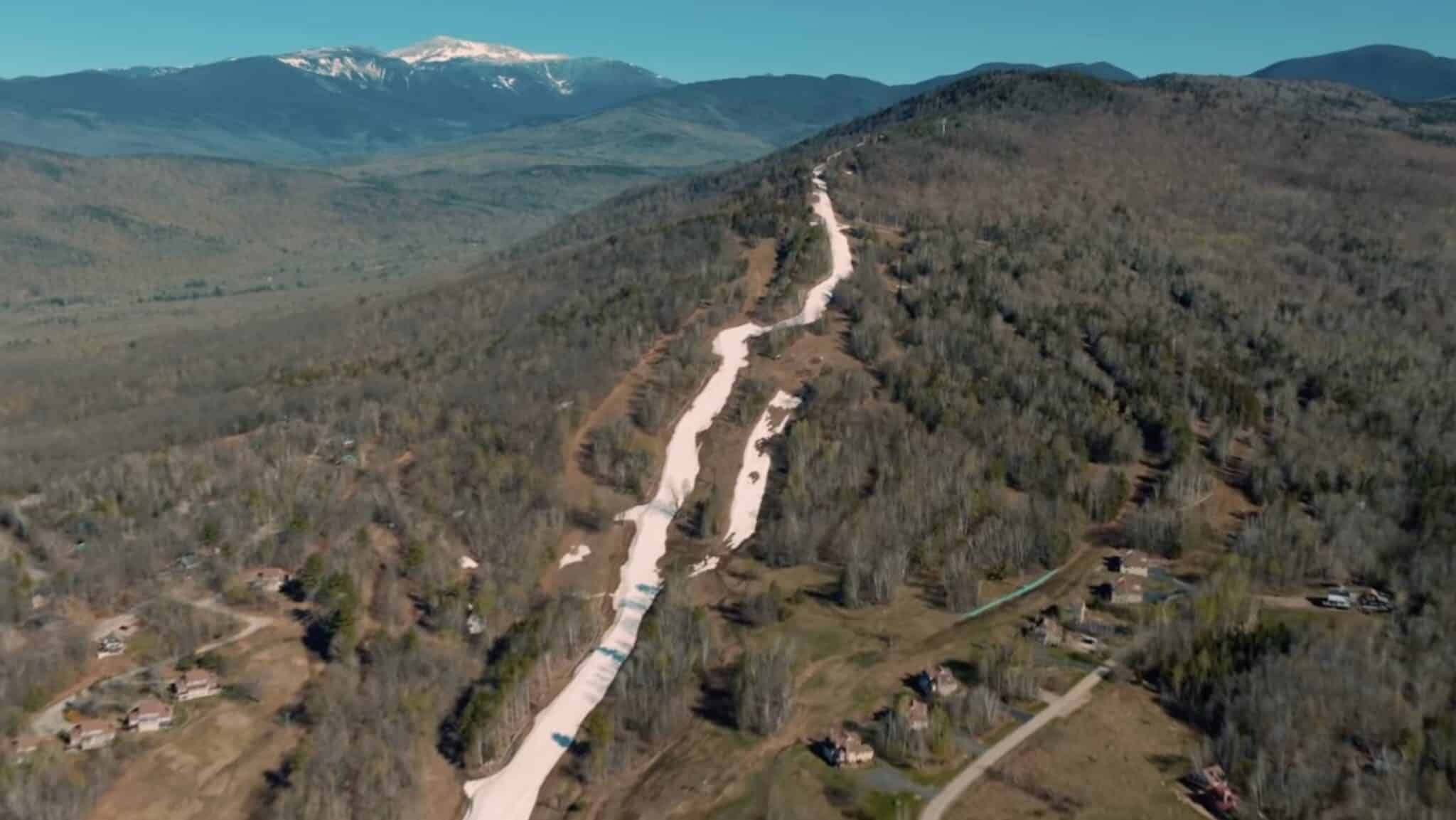
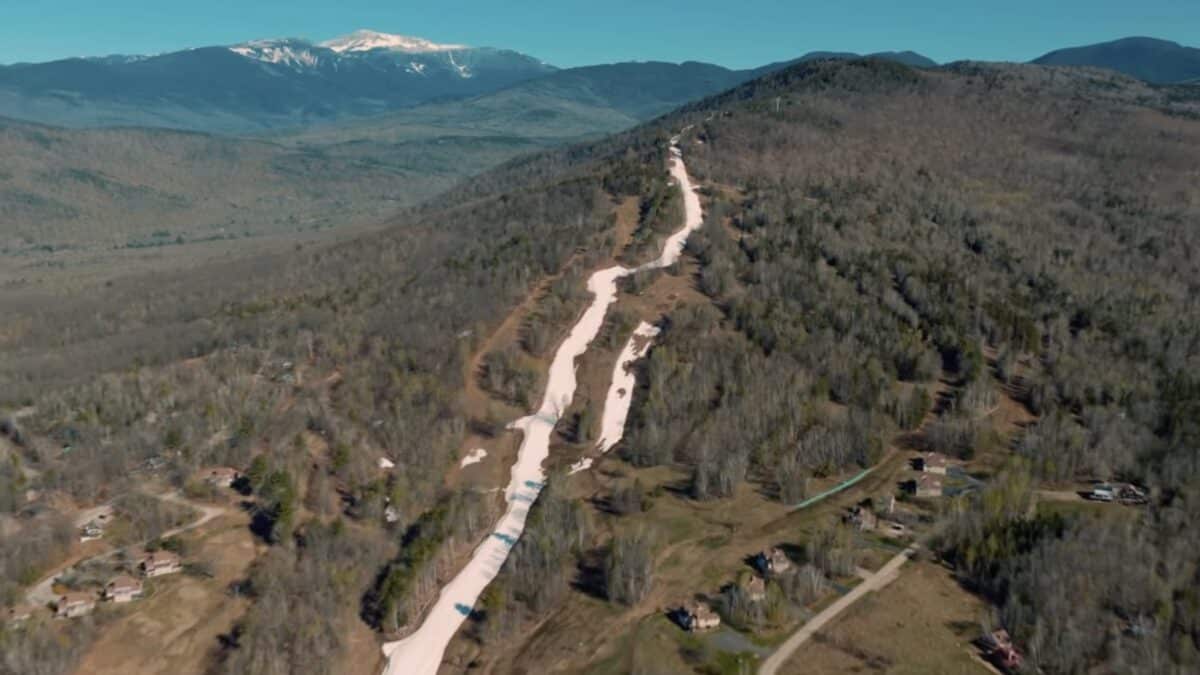
Black Mountain, New Hampshire: As one of the few remaining open resorts in the Eastern United States, Black Mountain was scheduled to close on May 17th. Its continued operation this late in the season is a point of pride for the small, family-owned mountain. Black Mountain has a long history of providing accessible skiing and snowboarding, and its late-season operation offers a unique opportunity for East Coast skiers to extend their season without traveling far west.
-
Boyne Mountain, Michigan: Located in the Midwest, Boyne Mountain was aiming for a Memorial Day closing, with the exact date to be determined. This ambitious target reflects the resort’s commitment to its patrons and its ability to manage its snow resources effectively. Boyne Mountain is a popular destination for families and offers a variety of terrain, making its extended season a significant draw for regional visitors.
-
Jay Peak, Vermont: A favorite among East Coast skiers for its abundant snowfall and challenging terrain, Jay Peak was set to close on May 17th. The resort’s reputation for receiving some of the highest snowfall totals in the Eastern U.S. often allows it to remain open longer than many of its neighbors. Its proximity to Canada also makes it a convenient option for those looking to maximize their late-season ski days.
-
Killington Resort, Vermont: Often dubbed the “Beast of the East,” Killington Resort was targeting a Memorial Day closing, with its final operational date to be announced. Killington’s vast terrain and sophisticated snowmaking infrastructure have historically enabled it to host some of the longest ski seasons in the Eastern United States. Its ability to remain open through late May is a significant achievement, drawing skiers from across the Northeast.
-
Mammoth Mountain, California: With a closing date set for May 31st, Mammoth Mountain offers one of the longest seasons on the West Coast. Its high elevation and the sheer volume of its annual snowfall are key factors in its extended operational period. Mammoth is a premier destination, known for its challenging steeps, bowls, and vast expanse, attracting a dedicated following eager to ski into June.
-
Palisades Tahoe, California: This iconic California resort was scheduled to close on May 24th. Palisades Tahoe, formerly Squaw Valley and Alpine Meadows, is celebrated for its challenging terrain and significant snowfall. Its late-season operations are a testament to the Sierra Nevada’s snow-retaining capabilities, and the opportunity to ski there in late May is a highly anticipated event for many.
-
Timberline Lodge, Oregon: Located on Mount Hood, Timberline Lodge was operating with a closing date to be determined. Its unique position on one of the most snow-laden mountains in the Cascades allows for consistently long seasons. Timberline is not only a popular ski destination but also a historic landmark, offering a picturesque setting for late-season turns.
Canada:
-
Banff Sunshine Village, Alberta: This Canadian Rockies gem was scheduled to close on May 18th. Sunshine Village is renowned for its high elevation and consistent snowfall, which allows it to remain open later than many other Canadian resorts. Its closing day often coincides with significant celebrations among its loyal clientele.
-
Sommet Saint-Sauveur, Quebec: Operating in Eastern Canada, Sommet Saint-Sauveur was set to close on May 18th. This resort is known for its challenging terrain and its ability to adapt to varying snow conditions, making its late-season operation a noteworthy achievement for the region.
-
Whistler Blackcomb, British Columbia: As one of North America’s largest ski resorts, Whistler Blackcomb was scheduled to close its main operations on May 18th. However, its high-alpine areas, particularly on Blackcomb Mountain, often receive substantial snowfall, enabling some terrain to remain open for an extended period, sometimes into July for glacier skiing. The May 18th closure typically signifies the end of the main season for the majority of its lifts.
The Economics and Logistics of Extended Seasons
The decision to extend a ski season beyond the typical March or April closing is a complex one, driven by a confluence of factors. Snowfall Totals and Snowpack Stability: Resorts in higher elevations or those that receive exceptionally heavy snowfall are naturally better positioned to offer extended seasons. Analyzing historical snowfall data and current snowpack depth is crucial. For instance, resorts like Arapahoe Basin and Mammoth Mountain consistently benefit from their geographical advantages. Operational Costs: Maintaining lifts, grooming slopes, and staffing a resort incurs significant costs. Operators must weigh these expenses against potential revenue from late-season visitors. Visitor Demand: A dedicated base of skiers and snowboarders willing to travel and purchase lift tickets in the spring is essential for the economic viability of an extended season. The demographic of late-season skiers often includes those who prioritize the experience over peak season conditions. Marketing and Appeal: Resorts that successfully extend their seasons often market the unique appeal of spring skiing – warmer temperatures, softer snow, and a more relaxed atmosphere. Events and promotions can further incentivize late-season visits.
Broader Implications for the Ski Industry
The presence of these eleven resorts operating late into the spring season has several implications for the broader ski industry.
-
Climate Change Adaptation: As climate change presents challenges to traditional ski seasons, resorts that can reliably offer extended operations become valuable assets. Their success can serve as a model for other resorts looking to adapt to changing weather patterns. The ability of resorts like Killington and Boyne Mountain to aim for Memorial Day, a holiday traditionally associated with summer, showcases an innovative approach to maximizing operational windows.
-
Consumer Expectations: The availability of late-season skiing can influence consumer expectations. Dedicated skiers may plan their vacations around these extended seasons, impacting travel and accommodation patterns.
-
Economic Impact: For the communities surrounding these resorts, the extended season translates to continued employment and revenue generation. Local businesses, from lodging to restaurants, benefit from the influx of visitors.
-
Sustainability and Snow Management: Resorts that successfully manage their snow resources for extended periods often employ advanced snowmaking and grooming techniques. Their practices can offer insights into sustainable snow management in the face of warming temperatures.
A Glimpse into the Future of Skiing
The continued operation of these select ski areas provides a valuable opportunity for skiers and snowboarders to savor the last moments of winter. It also offers a compelling narrative about the resilience and adaptability of the ski industry in the face of evolving environmental conditions. As the days grow longer and the sun gains strength, these eleven resorts stand as beacons for those who refuse to let the season end, offering one final chance to experience the thrill of the mountains before they fully embrace the warmth of summer. The commitment of these resorts underscores the enduring passion for snow sports and the innovative spirit that defines the North American ski landscape.

