
Just months after a devastating collapse at the Milan-Cortina 2026 Winter Olympics, Italian biathlon star Tommaso Giacomel has once again been sidelined indefinitely due to a shoulder injury. The 26-year-old athlete’s promising return to training was abruptly halted during the national team’s first training camp of the season, marking yet another significant blow to his career trajectory.
The latest incident occurred shortly before the weekend, when Giacomel slipped on moss during a training session, resulting in a dislocated shoulder. The news was shared by the athlete himself via social media, where he expressed his frustration, stating, "2026 continues to surprise. I slipped on the moss during a training session and dislocated my shoulder. I am fed up with this nonsense now." This setback means Giacomel will be out of competition for an undetermined period, casting a shadow over his immediate future in the sport.
A History of Heartbreak: The Olympic Incident
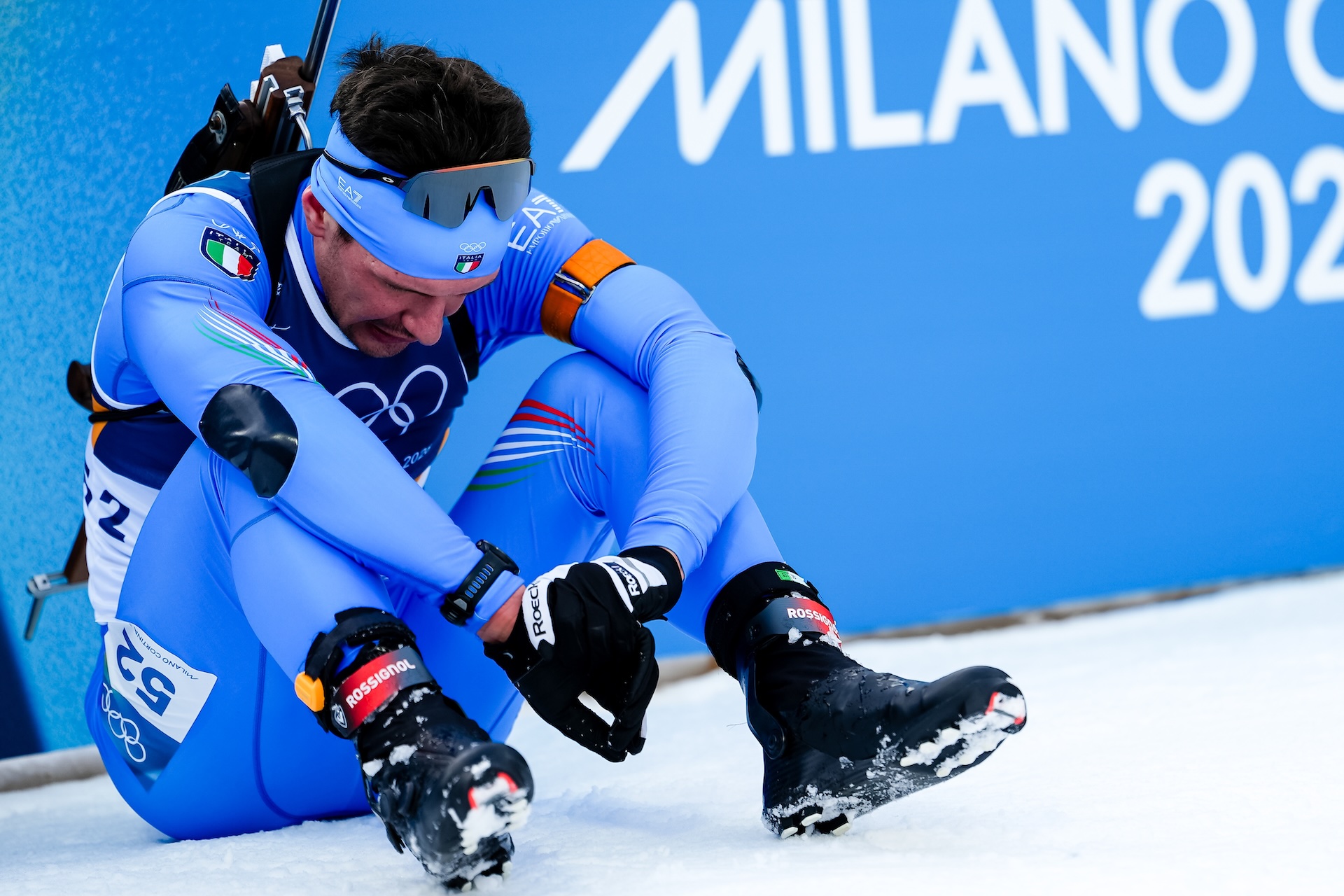
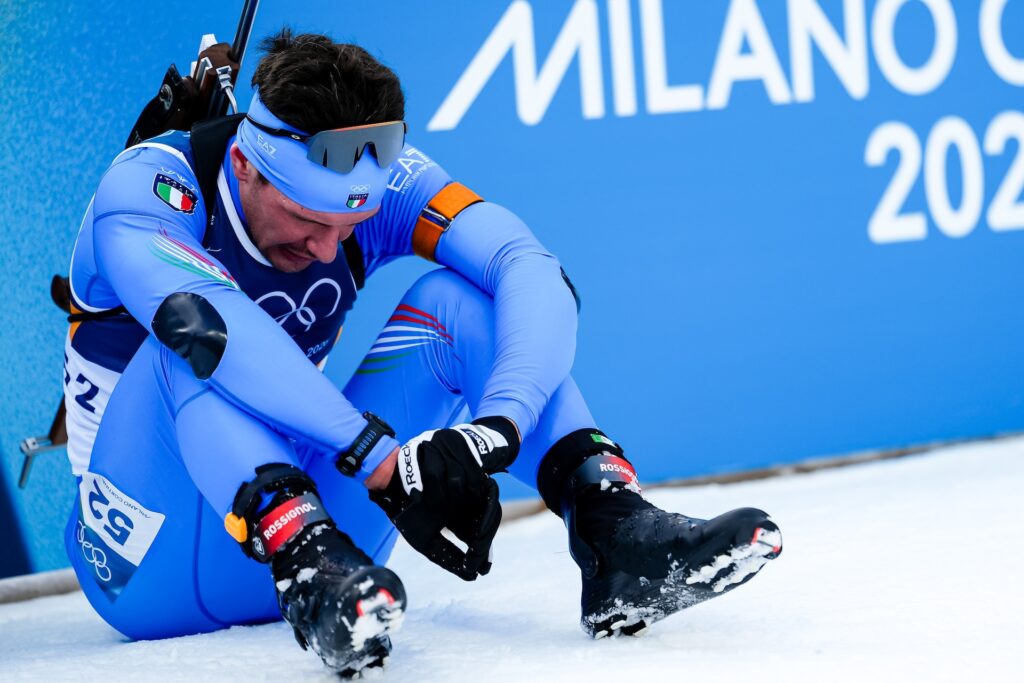
Giacomel’s current struggles are compounded by the traumatic events of the Milan-Cortina 2026 Winter Olympics. In what was described as a potential "race of his life" on home soil, Giacomel experienced acute respiratory problems during the men’s mass start event. He was leading the race, competing in front of a passionate Italian crowd, when he was forced to withdraw, disappearing into the forest.
The emotional toll of this Olympic exit was profound. Giacomel later described the experience as "the worst feeling I have ever experienced in my life so far. A lot is going through my head right now… frustration, anger, disappointment… It’s crushing. It’s crushing to have to withdraw, but there was nothing I could do."
Medical Diagnosis and Recovery Efforts
Following the Olympic race, medical investigations revealed that Giacomel’s collapse was due to heart problems. This led to him undergoing surgery, which subsequently ended his competitive season prematurely. Despite the setback, Giacomel remained resolute, expressing his determination to return and compete in the 2030 Winter Olympics in France. His statement at the time conveyed a fighting spirit: "This was absolutely not the end to the Games I had hoped for, but I will never give up. Four years go by quickly, and I will try again in France."
The Chronology of Giacomel’s Recent Challenges

- February 10, 2026: Tommaso Giacomel leads the men’s individual biathlon event at the Milan-Cortina 2026 Winter Olympics.
- During the Olympic Mass Start Event (Date unspecified, shortly after the individual event): Giacomel experiences acute respiratory distress while in the lead and is forced to withdraw.
- Post-Olympic Medical Assessment: Heart problems are diagnosed as the cause of the collapse.
- Post-Olympic Surgery: Giacomel undergoes surgery for his heart condition.
- Rest of the 2025-2026 Season: Giacomel is sidelined from competition due to his recovery.
- Early Season Training Camp (Date unspecified, prior to the current news): Giacomel begins full training, showing signs of recovery and readiness for the upcoming season.
- Recent Training Session (Date unspecified, prior to the news): Giacomel slips on moss and dislocates his shoulder, leading to his current indefinite absence.
Supporting Data and Context
Biathlon, a sport that combines cross-country skiing and rifle shooting, demands exceptional physical and mental fortitude. Athletes must maintain high levels of cardiovascular fitness for the skiing segments while also possessing the calm precision required for shooting at the range. Respiratory health is paramount, as any compromise can significantly impact an athlete’s ability to perform under strenuous conditions.
Heart conditions, while rare, can manifest in athletes due to the extreme physiological demands placed on the cardiovascular system. Conditions like arrhythmias or structural heart abnormalities can be exacerbated by intense physical activity, leading to potentially dangerous situations. Giacomel’s case highlights the critical importance of thorough medical screening and ongoing monitoring for elite athletes.
The Milan-Cortina 2026 Winter Olympics, hosted in Italy, represented a significant moment for Giacomel, particularly competing on home ice. The pressure and excitement of a home Olympics can amplify both the highs and lows for athletes. His strong performance leading up to the mass start indicated his peak form, making the subsequent collapse even more dramatic and disappointing for both him and his supporters.
Potential Implications and Athlete Well-being
The recurrence of significant health issues and injuries for Tommaso Giacomel raises serious concerns about his long-term career prospects and overall well-being. Repeatedly facing such challenges can lead to:
- Psychological Strain: The mental toll of persistent setbacks can be immense, impacting an athlete’s confidence, motivation, and enjoyment of their sport. Giacomel’s expressed frustration is a clear indicator of this.
- Physical Recovery Challenges: Each injury or medical procedure requires a period of rehabilitation. Multiple such events can complicate recovery and increase the risk of further complications.
- Career Uncertainty: Indefinite absences make it difficult for athletes to maintain their competitive edge and can lead to a decline in rankings and sponsorship opportunities.
- Decision-Making on Future Participation: The cumulative impact of these issues may force Giacomel to re-evaluate his future in biathlon, considering the risks versus the rewards.
Broader Impact and Reactions
While official statements from the Italian Biathlon Federation or Giacomel’s coaching staff have not been detailed in the provided text, it is reasonable to infer that they would be closely monitoring his condition and providing support. The biathlon community, known for its camaraderie, is likely to offer messages of encouragement to the young Italian star.
The focus on athlete safety and health in elite sports has intensified in recent years. Giacomel’s situation underscores the complex interplay between peak physical performance and individual health, reminding stakeholders of the need for robust medical support systems and a proactive approach to athlete welfare. The sport will be watching to see how Giacomel navigates this latest challenge and whether he can make a successful return to the biathlon circuit. His resilience in the face of such adversity will be a defining aspect of his athletic journey moving forward.

