
The newly inked UK-Switzerland trade agreement promises a significant uplift for travellers and economic ties, introducing expedited border processing, the return of free mobile roaming, and potentially a surge in employment opportunities within popular ski resorts. This comprehensive accord, poised to be signed by the end of 2026, marks a pivotal moment in bilateral relations, aiming to simplify both business and leisure journeys while fostering deeper economic integration between the two nations.
Key Provisions and Travel Enhancements
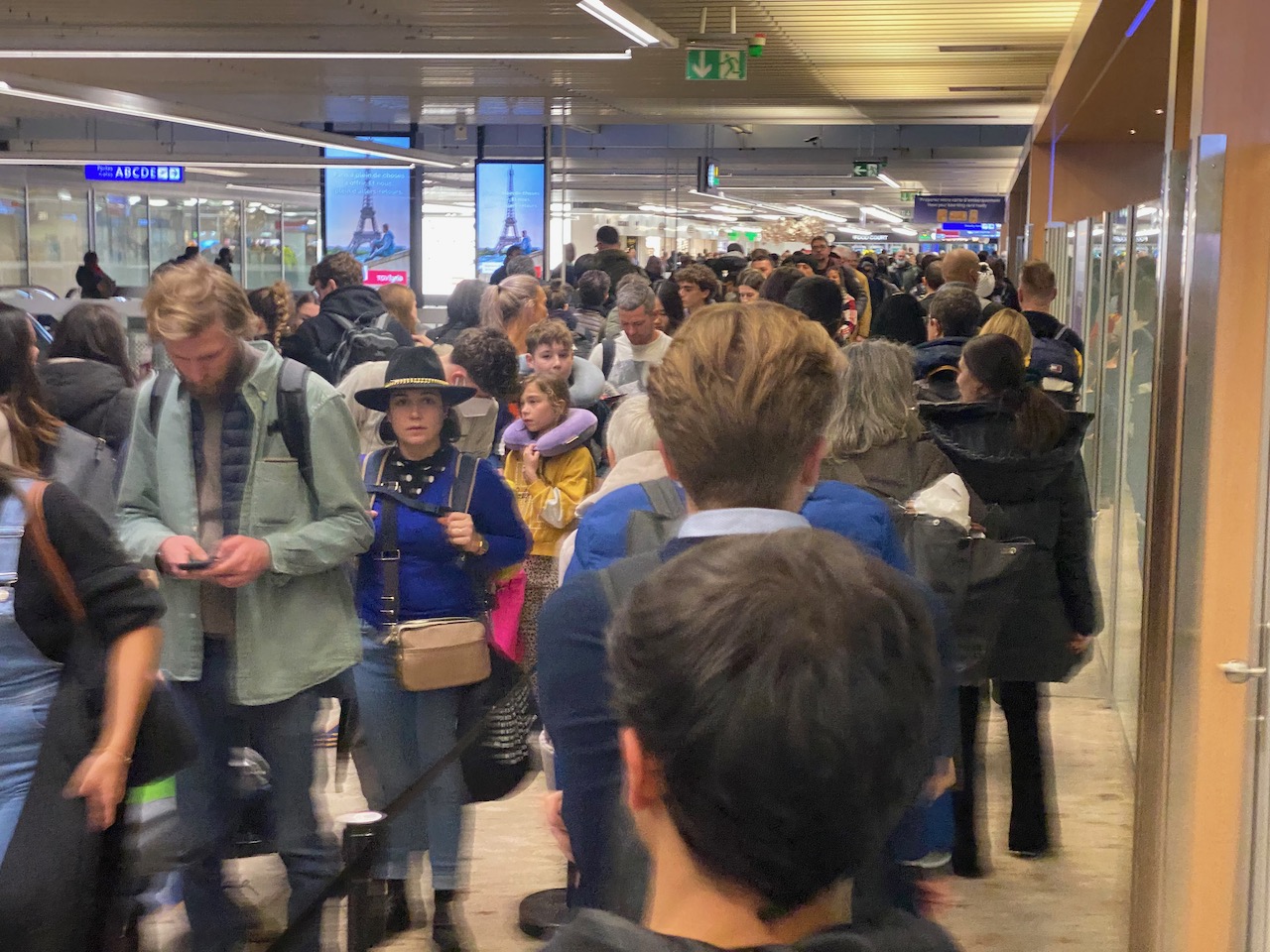
Central to the agreement are measures designed to streamline the travel experience for British citizens visiting Switzerland. The most prominent change for holidaymakers and business travellers alike will be the phased implementation of automated passport e-gates for British passport holders. This initiative is slated to commence later in 2026 at Zurich Airport, a crucial gateway for accessing the renowned ski regions of central and eastern Switzerland. The rollout will then extend to Basel Airport in 2027, further facilitating access to these alpine destinations. Geneva Airport, a major hub for those travelling to western Switzerland and a gateway to numerous French ski areas, will also see the introduction of these e-gates in 2027.
The introduction of e-gates represents a significant technological upgrade aimed at reducing waiting times and enhancing border security. This move aligns with broader global trends in border management, where automated systems are increasingly being adopted to handle growing passenger volumes efficiently. For the UK, this signifies a continued effort to enhance international travel ease following its departure from the European Union, establishing new frameworks for mobility with key international partners.
Revitalising Ski Resort Employment and Economic Opportunities
Beyond streamlined travel, the agreement holds substantial promise for the tourism sector, particularly in the Swiss Alps. A key provision allows UK employees to transfer to work in Switzerland for up to five years without undergoing stringent economic needs tests. While the precise details are still being clarified, this is expected to significantly ease the path for UK nationals seeking seasonal employment in Swiss ski resorts. This includes crucial roles such as bar and hotel staff, ski instructors, and other hospitality professionals who contribute to the vibrant winter tourism economy.
The ability for UK workers to more readily take up employment in Swiss resorts addresses a potential labour shortage that can often arise during peak seasons. This reciprocal arrangement fosters a more dynamic labour market, benefiting both Swiss businesses and UK workers seeking international experience and employment. For many in the UK’s tourism and leisure sector, this opens up attractive new career avenues in some of the world’s most desirable destinations.
The Return of Free Mobile Roaming: A Welcome Development
Another significant and highly anticipated benefit of the new trade agreement is the cessation of mobile roaming charges between the UK and Switzerland. This measure will undoubtedly be a welcome development for the substantial number of British skiers and snowboarders who frequent Swiss resorts each year. The ability to use mobile phones for communication, navigation, and sharing experiences without incurring exorbitant fees has long been a point of contention for international travellers.
While the exact timing of implementation and the specific mobile operators that will participate are yet to be confirmed, the commitment to ending roaming charges is a clear indication of the agreement’s focus on enhancing the everyday experience of travellers. This move mirrors similar agreements made within the EU, recognising the importance of seamless connectivity for modern travel. For the Swiss tourism industry, this could also translate into increased visitor satisfaction and a greater willingness among British tourists to stay connected while enjoying their holidays.
Facilitating Short-Term Business Activities
The agreement also addresses the needs of professionals engaged in short-term business activities. UK service professionals will be granted visa-free entry into Switzerland for up to 90 days per year for such purposes. This reciprocal arrangement allows Swiss companies to send their staff to the UK for short-term contract work without the need for visas, also for stays of up to 90 days.
This provision is crucial for fostering business-to-business relationships and facilitating the smooth operation of companies that rely on cross-border expertise. It simplifies engagements for consultants, engineers, technicians, and other professionals whose work often involves short, intensive periods on-site in a foreign country. The reduction in bureaucratic hurdles associated with short-term business travel can lead to increased efficiency, reduced costs, and a more agile approach to international project delivery.
Background and Chronology of Negotiations
The journey towards this comprehensive trade agreement has been a multifaceted process, reflecting the evolving relationship between the UK and Switzerland in the post-Brexit era. Following the UK’s departure from the European Union, both nations recognised the need to establish new frameworks for their economic and diplomatic interactions. Switzerland, while not a member of the EU, has historically maintained close ties with the bloc and has a complex web of bilateral agreements. The UK, in seeking to forge its own path on the global stage, has prioritised establishing robust trade relationships with key international partners.
Negotiations for this specific agreement likely involved extensive discussions on a range of issues, from trade in services and goods to visa arrangements and digital connectivity. The emphasis on travel facilitation, employment mobility, and consumer benefits like roaming suggests a strategic approach aimed at directly impacting citizens and businesses. The timeline for finalisation, with an aim for signing by the end of 2026, indicates a deliberate and thorough process of legal review and domestic approval within both countries. This phased approach ensures that the agreement is legally sound and effectively implemented.
Supporting Data and Economic Context
To fully appreciate the significance of this agreement, it is important to consider the existing economic ties between the UK and Switzerland. Switzerland is a significant trading partner for the UK, with substantial flows of goods and services. In 2023, bilateral trade in goods and services between the UK and Switzerland was valued at approximately £30 billion, with Switzerland being a key destination for UK financial services and manufactured goods. The UK, in turn, is a significant market for Swiss watches, pharmaceuticals, and financial services.
The tourism sector also plays a vital role in the economic relationship. Prior to the COVID-19 pandemic, hundreds of thousands of British tourists visited Switzerland annually, contributing significantly to the Swiss economy. The restoration of free mobile roaming and easier border crossings are expected to encourage a resurgence in this vital sector. Furthermore, the ability for UK nationals to work in Swiss ski resorts can alleviate potential labour shortages, which can impact the operational capacity and service quality of these businesses. For instance, a report by the Swiss tourism board in 2022 highlighted a need for skilled seasonal workers, particularly in hospitality. This agreement offers a direct solution to such challenges.

Analysis of Implications and Broader Impact
The UK-Switzerland trade agreement represents a forward-looking approach to bilateral relations, prioritising practical benefits for citizens and businesses. The focus on simplifying travel and enhancing connectivity underscores a commitment to fostering closer economic and social ties.
For the UK, this agreement reinforces its strategy of forging independent trade deals and demonstrating its ability to facilitate international travel post-Brexit. It offers tangible benefits to its citizens, particularly those in the tourism and service sectors. The potential for increased employment opportunities in Swiss ski resorts could provide a much-needed boost for sectors that have faced challenges in recent years.
For Switzerland, the agreement solidifies its position as an attractive destination for international visitors and a hub for business. The influx of skilled UK workers could enhance the competitiveness of its tourism industry, while the simplified business travel provisions will support its strong service-based economy. The end of roaming charges is also a consumer-friendly measure that enhances the overall visitor experience.
The successful negotiation and signing of this agreement by the end of 2026 will set a positive precedent for future bilateral discussions. It demonstrates that pragmatic solutions can be found to facilitate trade and travel, even in a complex global landscape. The focus on specific sectors, such as tourism and professional services, highlights a targeted approach to maximising mutual benefit.
Official Responses and Future Outlook
While specific official statements from government representatives were not included in the original brief, it can be inferred that both the UK and Swiss governments would have welcomed this agreement. Typically, such announcements are accompanied by expressions of optimism regarding strengthened economic ties, increased prosperity, and enhanced citizen mobility. Ministers of trade, foreign affairs, and tourism would likely have highlighted the mutual benefits and the positive impact on their respective economies and citizens.
The successful finalisation of the agreement will depend on the completion of the necessary domestic approval procedures in both countries. This often involves parliamentary scrutiny and ratification, ensuring that the terms are legally binding and fully integrated into national legislation. Once signed and ratified, the implementation of these measures will be closely watched by businesses, travellers, and industry stakeholders. The phased introduction of e-gates and the confirmation of mobile operator participation will be key milestones to monitor.
In conclusion, the UK-Switzerland trade agreement is a significant development poised to reshape travel and economic engagement between the two nations. By addressing practical concerns such as border processing and mobile roaming, while simultaneously opening doors for employment and business opportunities, it lays a strong foundation for a more prosperous and connected future. The ski resort industry, in particular, stands to benefit from a renewed influx of visitors and a more accessible workforce, signalling a positive outlook for the winter tourism season and beyond.

