
Christof Innerhofer, the esteemed Italian speed specialist, is embarking on a significant chapter in his illustrious career, announcing a strategic move to HEAD ski equipment for the upcoming 2027 World Cup season. This decision marks the conclusion of a long and highly successful partnership with Rossignol, a collaboration that spanned more than two decades and saw Innerhofer achieve numerous accolades on the global stage. At 41 years old, Innerhofer’s brand change is not merely an equipment adjustment but a bold statement of intent, signaling a renewed pursuit of competitive excellence and a desire for fresh motivation late in his professional journey.
The announcement, which has reverberated through the professional ski racing community, sees Innerhofer bring his vast experience and championship pedigree to a brand renowned for its dominance in alpine skiing. His career is punctuated by six World Cup victories, multiple Olympic medals, and a coveted World Championship gold. This high-profile signing for HEAD follows another notable offseason acquisition earlier this spring: the transfer of Norwegian technical titan Henrik Kristoffersen. Such strategic recruitments underscore HEAD’s ambition to bolster its already formidable roster across various disciplines, leveraging both seasoned veterans and established stars.
A New Chapter Driven by Unwavering Ambition
Innerhofer’s decision to transition from Rossignol was, by his own account, not born out of dissatisfaction or frustration with his long-standing partner, but rather a profound desire to seek a new competitive stimulus. In an interview with Ski Racing Media, Innerhofer articulated his motivation, stating, "I had many good years with Rossignol. But I still wanted a new challenge and new motivation. With HEAD, the feeling from the first training sessions felt really good." This sentiment highlights a crucial aspect of elite sports: the continuous search for an edge, both physical and psychological, even for athletes who have achieved so much. The immediate positive feedback from initial testing sessions with HEAD equipment appears to have solidified his conviction that this late-career change is the right path forward.
For an athlete of Innerhofer’s stature and age, such a significant equipment overhaul carries inherent risks. Ski racing, especially in the speed disciplines of downhill and super-G, demands an incredibly precise synergy between the skier and their equipment. The slightest variation in ski flex, binding setup, or boot alignment can have profound effects on performance, control, and, crucially, safety at speeds exceeding 130 km/h. Therefore, the reported immediate comfort and positive "feeling" with HEAD equipment are paramount, suggesting a smooth integration process and promising outlook for the rigorous demands of the World Cup circuit. Innerhofer himself emphasized, "It’s never too late for new goals, new motivation and new dreams," a powerful declaration that resonates with his enduring passion for the sport. He is determined to continue contributing his experience and enthusiasm, showcasing that age is but a number when fueled by an unyielding drive for success.
HEAD’s Strategic Vision and Veteran Acumen
The acquisition of Christof Innerhofer is a significant coup for HEAD, a brand synonymous with success in alpine ski racing. HEAD boasts a rich history of innovation and a stable of world-class athletes across all disciplines. Rainer Salzgeber, HEAD Racing Director, expressed his enthusiasm for the new partnership, stating, "The passion Christof Innerhofer has for this sport makes him a perfect match for our team. I am very pleased that he has decided to join HEAD. He is the perfect addition to our team as part of our activities in Italy." This statement not only acknowledges Innerhofer’s competitive spirit but also hints at HEAD’s broader strategic initiatives, particularly in strengthening its presence and connection within the vital Italian ski market, a nation with a deep passion for alpine racing.
For HEAD, bringing in a veteran like Innerhofer offers multiple benefits beyond immediate competitive results. His two decades of World Cup experience provide invaluable feedback for equipment development and refinement. An athlete who has navigated changing snow conditions, evolving course designs, and technological advancements for so long possesses an unparalleled understanding of what works under pressure. This deep institutional knowledge can be leveraged not only for his own performance but also to benefit younger athletes on the HEAD team, fostering a culture of excellence and continuous improvement. The move underscores a growing trend in ski racing where experienced athletes, even in the twilight of their careers, are highly valued for their expertise and ability to inspire.
A Career Defined by Grit and Glory
Christof Innerhofer’s career has been nothing short of spectacular, marked by a blend of raw speed, technical prowess, and an often-daring style that has captivated fans worldwide. His most significant career triumph arrived at the 2011 World Championships in Garmisch-Partenkirchen, where he delivered a performance for the ages. On the challenging Kandahar venue, Innerhofer clinched a remarkable super-G gold medal, complemented by downhill silver and combined silver, solidifying his status as one of the sport’s elite speed specialists. This triple-medal haul at a single World Championship event is a testament to his versatility and ability to perform under the most intense pressure.
Four years later, at the 2014 Sochi Winter Olympics, Innerhofer once again showcased his mettle on the grandest stage. He earned an Olympic downhill silver medal, demonstrating his consistent ability to contend for top honors in the sport’s blue-ribbon event. He further added a bronze medal in the combined, reinforcing his all-around skiing capabilities. Over his extensive career, Innerhofer has accumulated six World Cup victories across various speed venues, including iconic races in Bormio, Beaver Creek, Garmisch-Partenkirchen, and Wengen. His tally of 18 World Cup podiums across 355 World Cup starts over two decades speaks volumes about his longevity, resilience, and consistent high-level performance in one of the most physically demanding sports. These achievements were predominantly secured on Rossignol equipment, forging a deep historical bond between the athlete and the brand, making this transition even more poignant.
The Intricate Dance of Equipment and Athlete
The decision to switch equipment brands in professional ski racing is a complex one, particularly for a veteran athlete. It involves more than just selecting a new pair of skis; it encompasses a complete system—skis, boots, bindings, and even poles—all meticulously tuned to the individual athlete’s style, physiology, and preferences. The "feeling" Innerhofer described from his initial training sessions with HEAD is not a trivial detail; it is the bedrock of confidence and performance. Athletes spend countless hours in offseason testing, experimenting with different setups, flex patterns, and sidecuts to find the optimal combination that allows them to push the limits of speed and control.
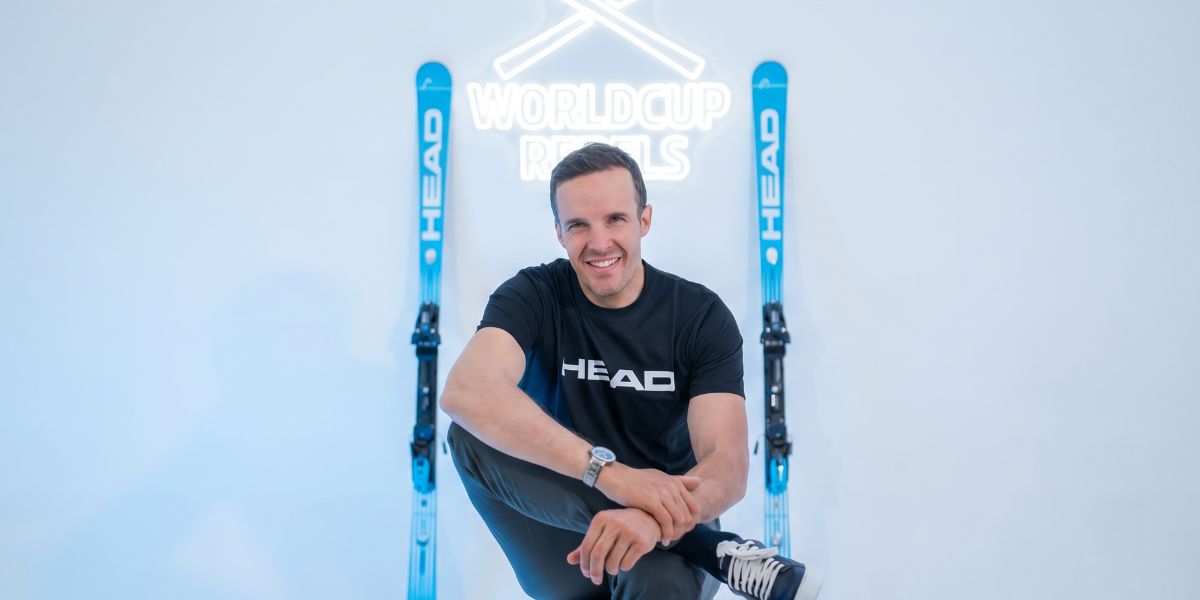
Innerhofer’s positive early impressions suggest that HEAD’s technical team has been highly responsive and collaborative. He noted to Ski Racing Media, "They welcomed me with open arms. They already gave me super good skis and they were happy with my feedback. It feels good." This collaborative atmosphere, where athlete feedback is not just heard but actively incorporated into equipment adjustments, is crucial. It fosters a sense of partnership and trust, essential for navigating the high-stakes environment of World Cup racing. The 2011 super-G world champion further elaborated, "This is exactly the atmosphere that gives me motivation and makes me feel that I am in the right place. I am looking forward to the challenges ahead, to new successes together, and to continuing to contribute my experience and enthusiasm with all my energy." This statement underscores the psychological boost derived from feeling valued and supported by a new team, which can be as impactful as any technical advantage.
Defying the Calendar: Age as a Catalyst, Not a Constraint
At 41, with his 42nd birthday approaching in December on the day of final training in Val Gardena, Christof Innerhofer is entering a phase of his career where many of his peers have long since retired. His continued presence and, more importantly, his renewed ambition, challenge conventional wisdom about athletic longevity in high-impact sports like ski racing. The physical toll of decades of training, racing, and inevitable injuries is immense. Yet, Innerhofer is not just participating; he is aiming for a return to the podium.
This ambition draws parallels with other remarkable veterans in the sport. The most immediate comparison is France’s Johan Clarey, who famously defied age by securing a Kitzbühel downhill podium at 42. Clarey’s achievement set a new benchmark for veteran performance, demonstrating that experience, precise technique, and careful physical management can indeed lead to top results even in one’s forties. Innerhofer’s pursuit of similar feats speaks volumes about his dedication and self-belief. While many within the sport might question the prudence of such a significant equipment change at this late stage of a career, Innerhofer’s conviction, reinforced by positive early testing, suggests a calculated risk. "Many people were surprised," Innerhofer admitted, "But I’m really happy that I made the change." This personal satisfaction is a powerful motivator for an athlete seeking to extend their competitive life.
The Pursuit of the Podium: A Renewed Objective
The explicit goal underpinning Innerhofer’s move to HEAD is a return to the World Cup podium. His last podium finish dates back to December 2018, a testament to the brutal competitiveness of the speed disciplines and the constant influx of younger talent. However, his consistent presence in the top ranks for over two decades, including victories at some of the tour’s most prestigious races, indicates that the underlying skill and competitive fire remain. The challenge now is to translate the positive equipment feel into tangible race results.
Rainer Salzgeber, echoing Innerhofer’s ambition, made it clear that this goal is shared by the HEAD team: "Given his past achievements, our goal is to help him reach the podium once again. Christof Innerhofer has felt at home with us right from the start; he puts his heart and soul into it. We are going to focus on putting his ideas and enthusiasm into practice and making them reality." This alignment of athlete and brand objectives is critical for success. It signifies that HEAD is not merely signing a legacy athlete but investing in his future competitive potential, providing the resources and support necessary to achieve his ambitious targets.
The "transfer window" in ski racing, a period of intense athlete movement and brand switching, has seen numerous shifts this spring. Innerhofer’s move to HEAD stands out as one of the most significant, particularly given his veteran status and the depth of his career. It signifies that even established stars are willing to take bold steps to reignite their careers and chase new heights.
Broader Implications for the World Cup Circuit and Ski Industry
Innerhofer’s brand switch carries implications that extend beyond his personal career trajectory. For Rossignol, the departure of such a long-standing and successful ambassador represents the loss of a prominent figurehead, particularly in the speed disciplines where Innerhofer commanded significant attention. While brands constantly evolve their rosters, losing an athlete with Innerhofer’s history and name recognition necessitates a strategic response, perhaps by investing further in emerging talents or reinforcing other established stars.
For HEAD, the addition of Innerhofer solidifies its position as a dominant force in ski racing. Combined with the earlier acquisition of Henrik Kristoffersen, HEAD is making a strong statement about its intent to attract and support top-tier talent across all disciplines. Such moves often lead to increased brand visibility, enhanced credibility through association with champions, and potentially valuable technical insights that can trickle down into consumer product lines. The narrative of an experienced champion finding new motivation and success with HEAD equipment can be a powerful marketing tool.
Furthermore, Innerhofer’s continued presence and renewed drive send a powerful message to the entire World Cup circuit. It highlights the potential for longevity in professional sports, provided athletes maintain their physical condition, mental fortitude, and a burning desire to compete. His example can inspire younger athletes to view their careers with a long-term perspective, emphasizing sustainable training practices and the importance of adapting to change. In an era where athlete brand loyalty can sometimes be fleeting, Innerhofer’s thoughtful transition, driven by competitive hunger rather than dissatisfaction, offers a nuanced perspective on the athlete-sponsor relationship.
As the 2027 World Cup season approaches, all eyes will be on Christof Innerhofer. His transition to HEAD is more than a change of equipment; it is a testament to an enduring passion for ski racing, a belief in personal growth, and an unwavering commitment to competitive excellence. Whether he can replicate the feats of his veteran peers and once again stand on a World Cup podium remains to be seen, but his journey with HEAD is set to be one of the most compelling narratives of the upcoming season.

