
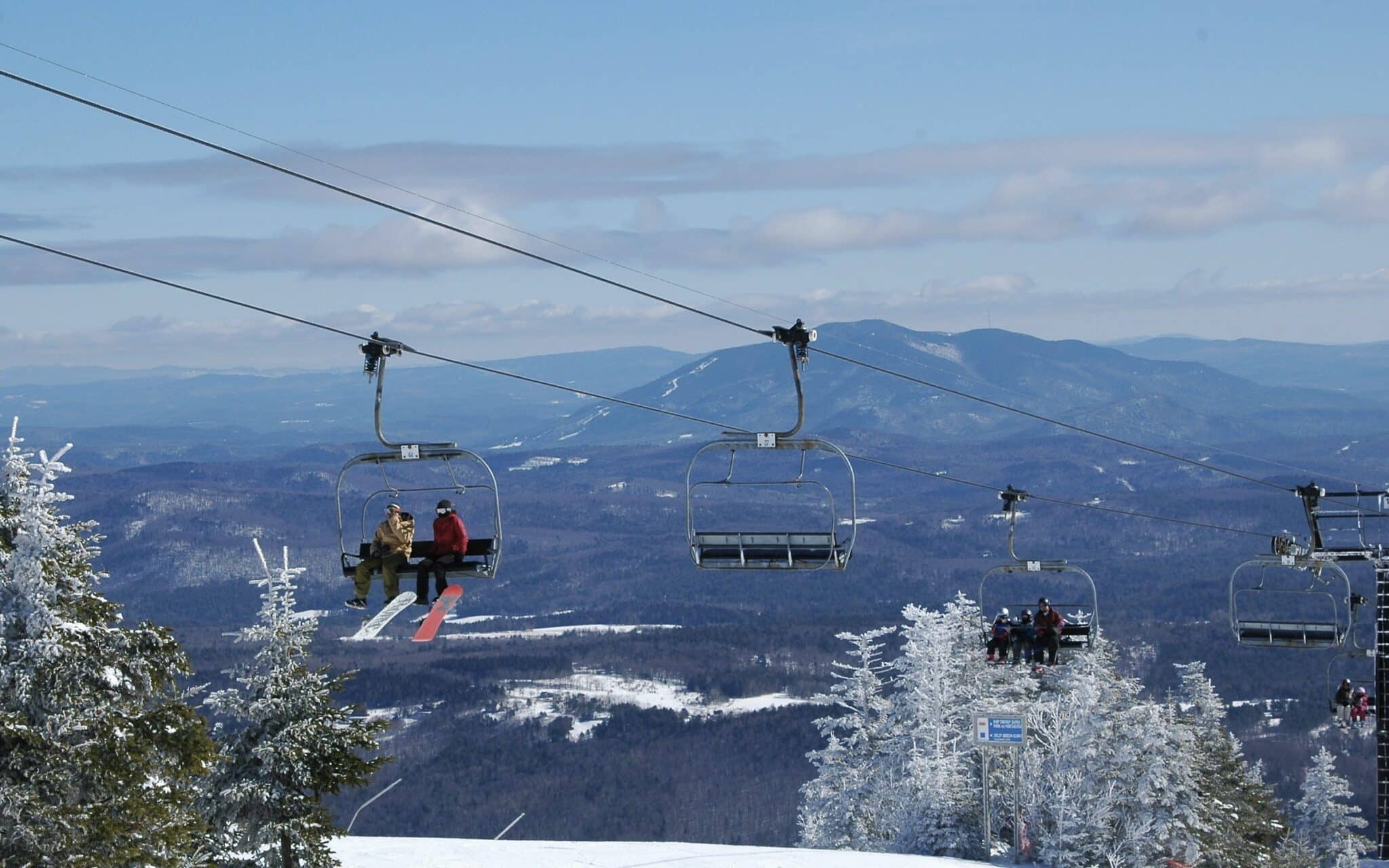
The burgeoning El Niño phenomenon, officially declared by NOAA’s Climate Prediction Center in June, is casting a long shadow over New England’s cherished ski season. As the tropical Pacific warms, signals suggest a departure from the robust, snow-laden winters that typically define the region’s mountainous terrain across Vermont, New Hampshire, and Maine. Experts are closely monitoring the developing climate pattern, which historical data indicates is likely to bring warmer temperatures and reduced snowfall to the Northeast, posing potential challenges for the region’s lucrative winter sports industry.
NOAA Confirms El Niño’s Building Strength
The National Oceanic and Atmospheric Administration (NOAA) officially announced the formation of El Niño in June 2026, marking the beginning of a new climate cycle. This declaration was based on sustained increases in sea surface temperatures in the equatorial Pacific Ocean, exceeding established thresholds for the phenomenon. Forecasters at NOAA’s Climate Prediction Center (CPC) have projected a significant probability, estimated at 63%, that the current El Niño will strengthen into a “very strong” event by late fall. This would be characterized by sea surface temperatures in the crucial Niño 3.4 region rising above 2.0 degrees Celsius. The likelihood of this pattern persisting through the upcoming winter months is exceptionally high, with CPC giving it a 96% to 98% chance of continued influence.
El Niño is a naturally occurring climate pattern characterized by the warming of sea surface temperatures in the central and eastern tropical Pacific Ocean. It occurs roughly every two to seven years and can have far-reaching impacts on weather patterns across the globe, including North America. The phenomenon influences atmospheric circulation, leading to predictable shifts in temperature and precipitation. The current development suggests a departure from the cooler, wetter conditions often associated with La Niña, its counterpart.
Historical Data Reveals a Consistent Pattern for New England
Decades of climate data meticulously analyzed by government agencies paint a consistent, albeit concerning, picture for New England during El Niño winters. A comprehensive review of El Niño events from 1959 through 2023 by NOAA’s Climate.gov revealed a distinct trend of diminished snowfall across interior New England, the Great Lakes region, and the northern Rocky Mountains. This reduction is particularly pronounced during moderate to strong El Niño phases. This pattern stands in stark contrast to the southern United States, which often experiences enhanced precipitation due to a more southerly positioned jet stream.
Further reinforcing these findings, a collaborative report from NOAA and the Northeast Regional Climate Center, published in 2018, examined the historical impact of El Niño on the Northeast. Their analysis indicated that during the most recent strong El Niño winter studied, the entire Northeast experienced warmer-than-average temperatures. Concurrently, New England, New York, and northern Pennsylvania recorded below-normal snowfall totals. The same report also highlighted a paradoxical aspect of El Niño in the region: while overall snowfall might decrease, these winters have historically been associated with a disproportionately higher number of disruptive coastal storms. Several of the Northeast’s most impactful and “crippling” snowstorms on record occurred during El Niño conditions, suggesting that when storms do form, they can still deliver significant snowfall, albeit less frequently and with a higher chance of mixed precipitation. However, the report also cautioned that the exact behavior of each El Niño event can vary, influenced by other atmospheric factors such as the Arctic Oscillation, meaning the forecasted pattern is not an absolute certainty.
Warmer Temperatures Present a Greater Threat Than Reduced Storm Frequency
While the prospect of reduced snowfall is a primary concern for ski resorts, the more significant challenge posed by a moderate to strong El Niño is the potential for warmer-than-average temperatures across the Northeast. This climatic shift directly impacts the form of precipitation. Even if overall precipitation levels remain near or above average, as historical El Niño data suggests can occur, warmer air masses increase the likelihood of precipitation falling as rain rather than snow. This is especially true for the southern and coastal areas of New England, where temperatures are more susceptible to fluctuations.
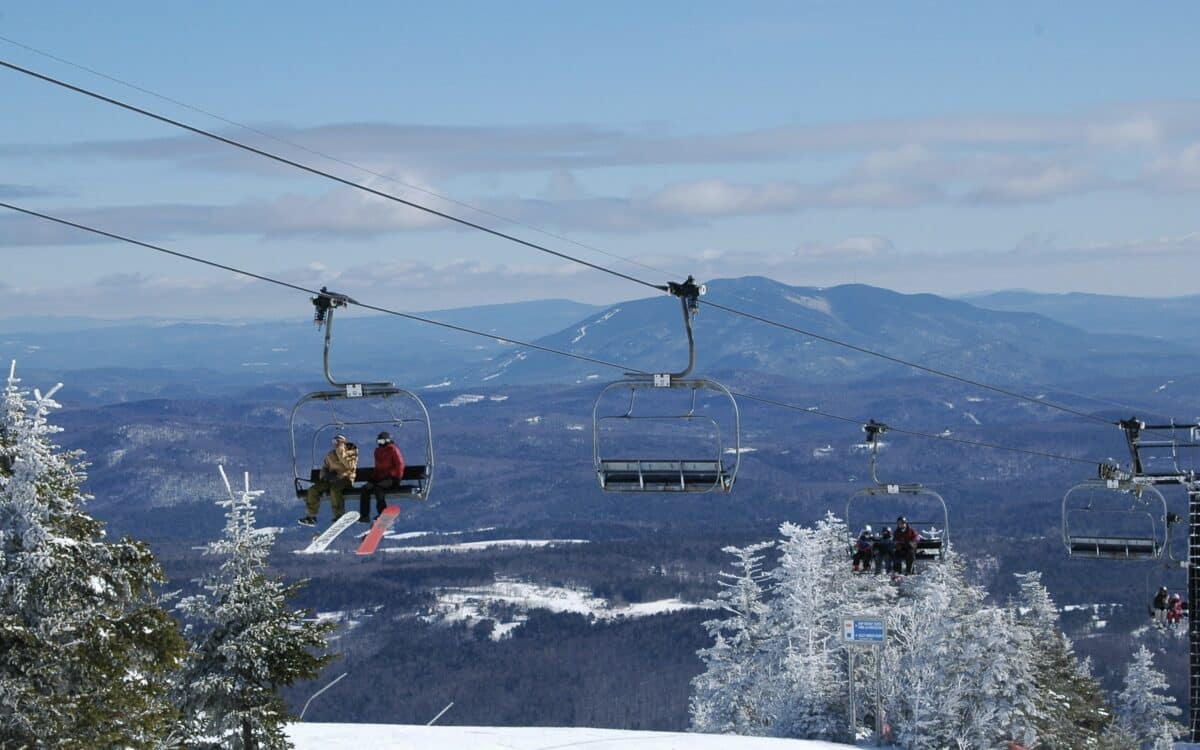
The implications for ski resorts are multifaceted. A lack of consistent cold temperatures can lead to shorter operating seasons, reduced snow depth, and an increased reliance on artificial snowmaking. This not only impacts the guest experience, with potentially less natural snow for skiing and snowboarding, but also increases operational costs for resorts due to energy consumption for snowmaking. Furthermore, a decrease in natural snowfall can affect the aesthetic appeal of ski destinations and potentially deter winter tourism.
Impact on Ski Country: A Look Ahead
The prevailing scientific consensus points toward a winter characterized by warmer temperatures and below-average snowfall for New England’s ski areas. However, this forecast does not entirely preclude the possibility of significant snowfall events. Researchers note that an active jet stream, even during El Niño, can occasionally steer cold air masses southward, creating a rain-snow line that may favor higher elevations. This suggests that resorts situated at higher altitudes in northern Vermont, New Hampshire, and Maine, where colder temperatures are more reliably maintained, may be better positioned to withstand the broader trend compared to lower-elevation areas further south.
The ski industry in New England is a vital economic engine for many communities, attracting hundreds of thousands of visitors annually and generating substantial revenue. The economic impact of a milder winter could be significant, affecting not only ski resorts but also associated businesses such as lodging providers, restaurants, and retail shops. Ski resort operators are likely to be closely evaluating their snowmaking capabilities, grooming strategies, and marketing efforts in anticipation of the predicted climate conditions. Preparations may include investing in more efficient snowmaking technology, diversifying offerings to include non-snow-dependent activities, and potentially adjusting pricing or promotional strategies to attract visitors.
The development of El Niño serves as a crucial reminder of the interconnectedness of global climate patterns and their localized effects. While the exact intensity and duration of its influence remain subjects of ongoing scientific observation, the current projections provide valuable insight for stakeholders in New England’s winter tourism sector to adapt and prepare for the upcoming season. The region’s ski country, a cornerstone of its winter identity, faces a period of adaptation as it navigates the nuanced impacts of this significant climate event.

