
For millennia, the biological and geological identity of Southern California was defined by constant movement. Long before the implementation of modern fire suppression techniques or the expansion of the urban-wildland interface, the region’s hillsides were shaped by the migratory patterns of animals responding to the fluctuations of water, forage, and seasonal drought. Native grasses were not left to accumulate into thick mats of tinder; instead, they were grazed, trampled, and redistributed by herds that prevented ecological uniformity. Fire, too, was a frequent participant in this system, though it typically moved with a lower intensity and smaller scale than the catastrophic megafires that now define the 21st century.
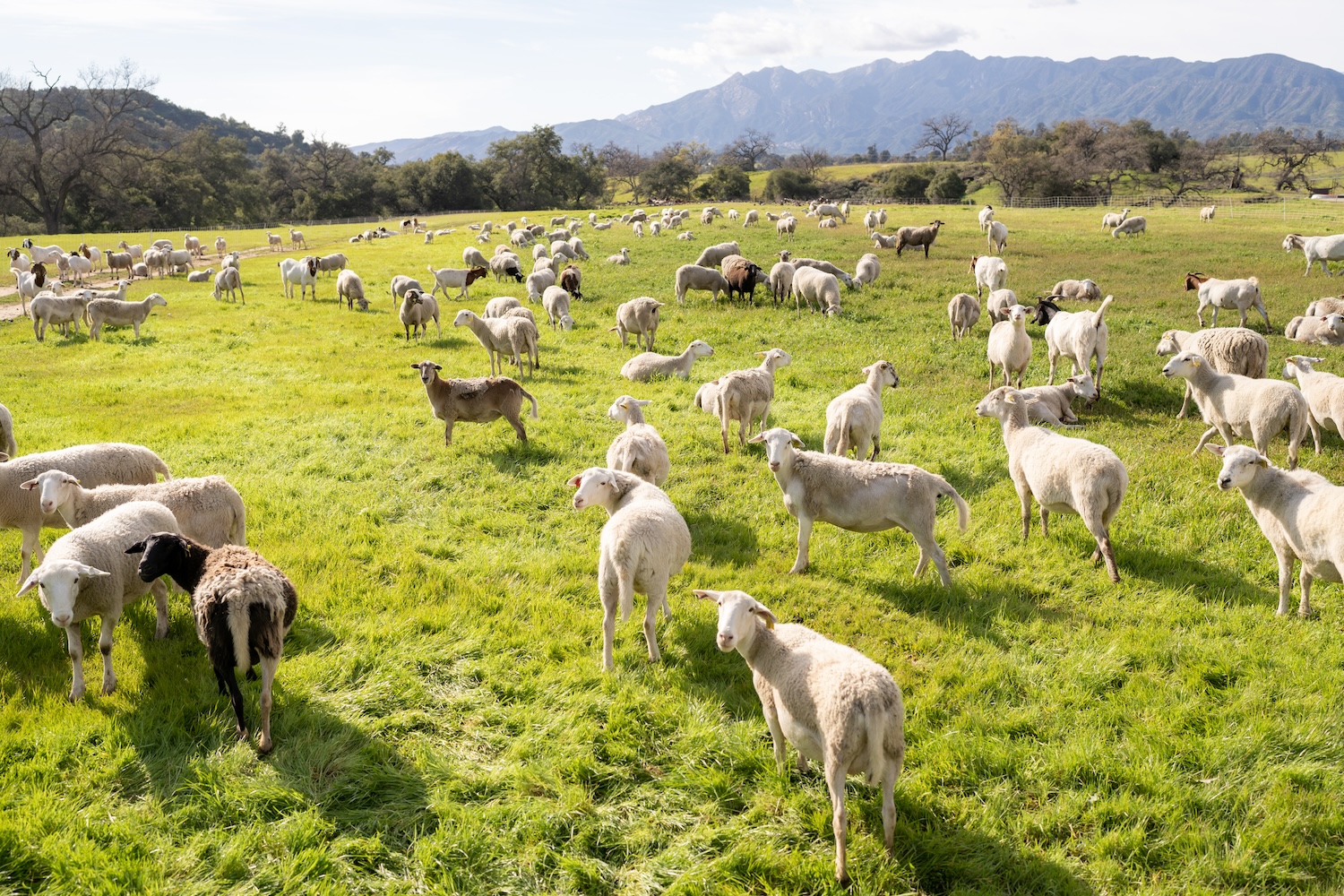
Today, that historical balance has been replaced by a volatile structural condition. A combination of rising global temperatures, prolonged drought cycles, the proliferation of invasive annual grasses, and decades of fuel accumulation has transformed wildfire from an occasional ecological reset into a permanent feature of Californian life. This shift has necessitated a radical reimagining of land management, leading to the quiet but steady reemergence of prescribed grazing—a strategy that uses herds of sheep and goats to mitigate fire risk and restore ecological health.
The Mechanics of Prescribed Grazing and Ecological Restoration
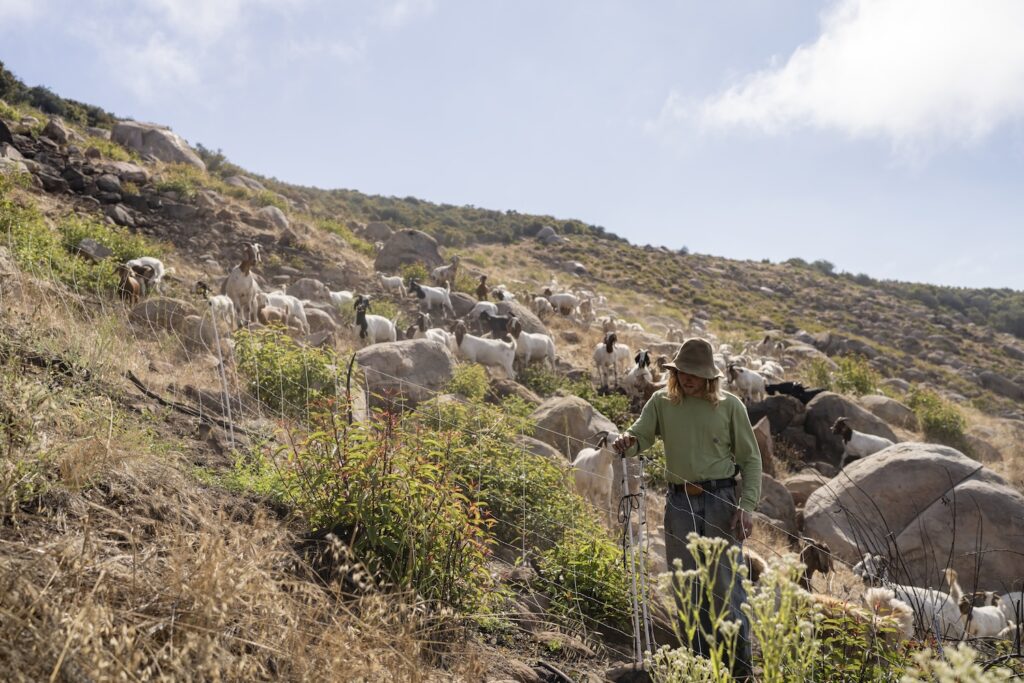
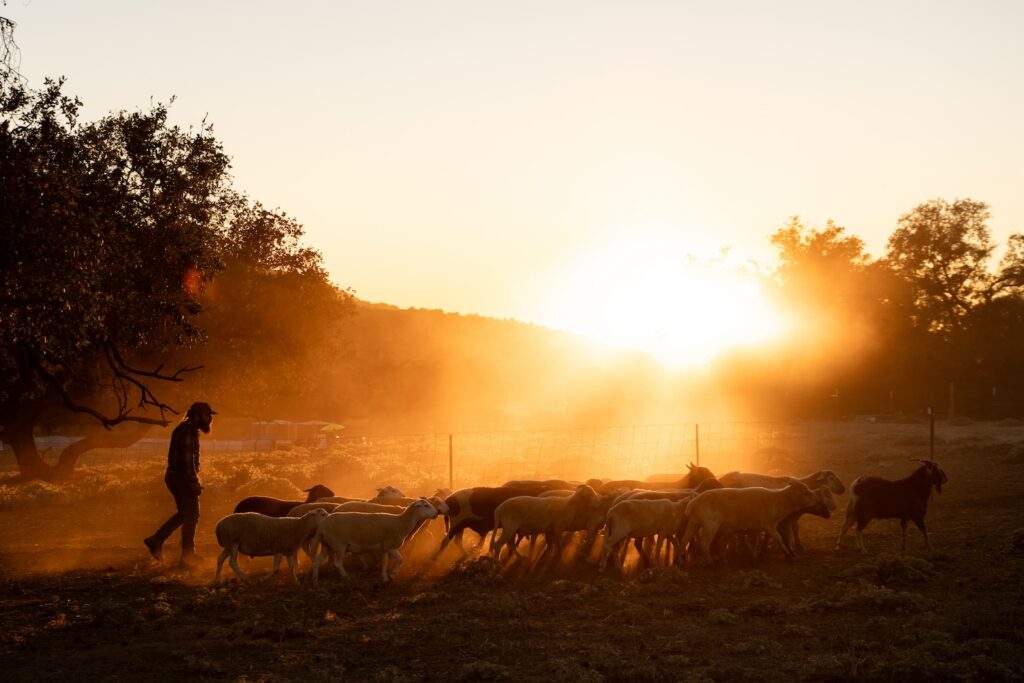
As Southern California grapples with increasingly severe fire seasons, prescribed grazing has moved from a niche agricultural practice to a cornerstone of climate adaptation. Unlike traditional livestock operations, prescribed grazing—also known as targeted grazing—is a data-driven form of land stewardship. Practitioners like Cole Bush, founder of Shepherdess Land and Livestock Co. and the Grazing School of the West, use animals as "biological tools" to manipulate vegetation density and composition.
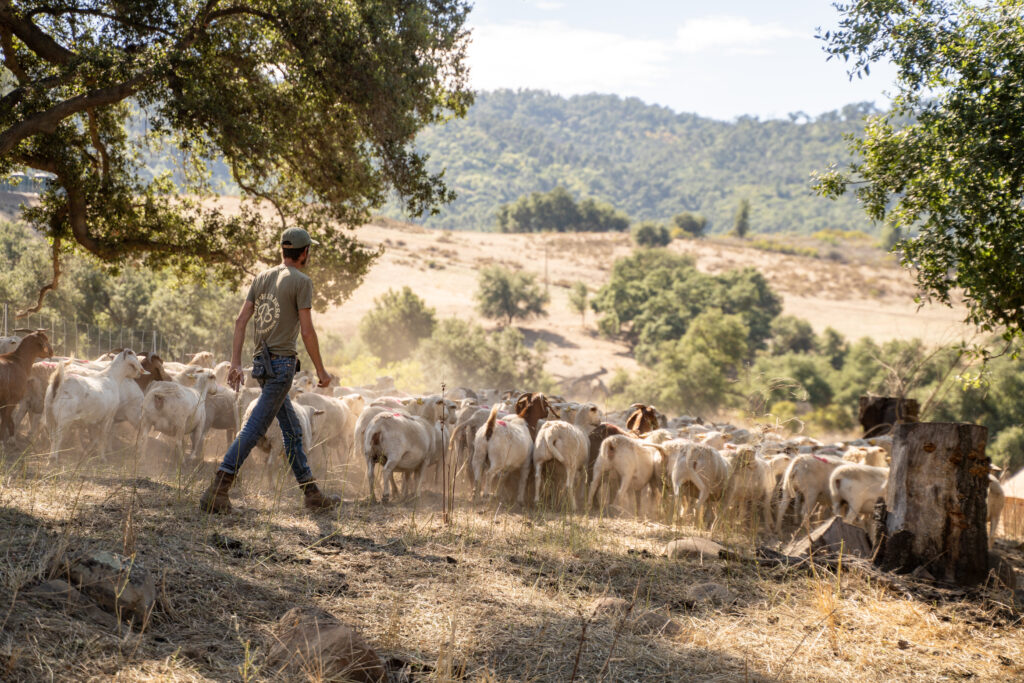
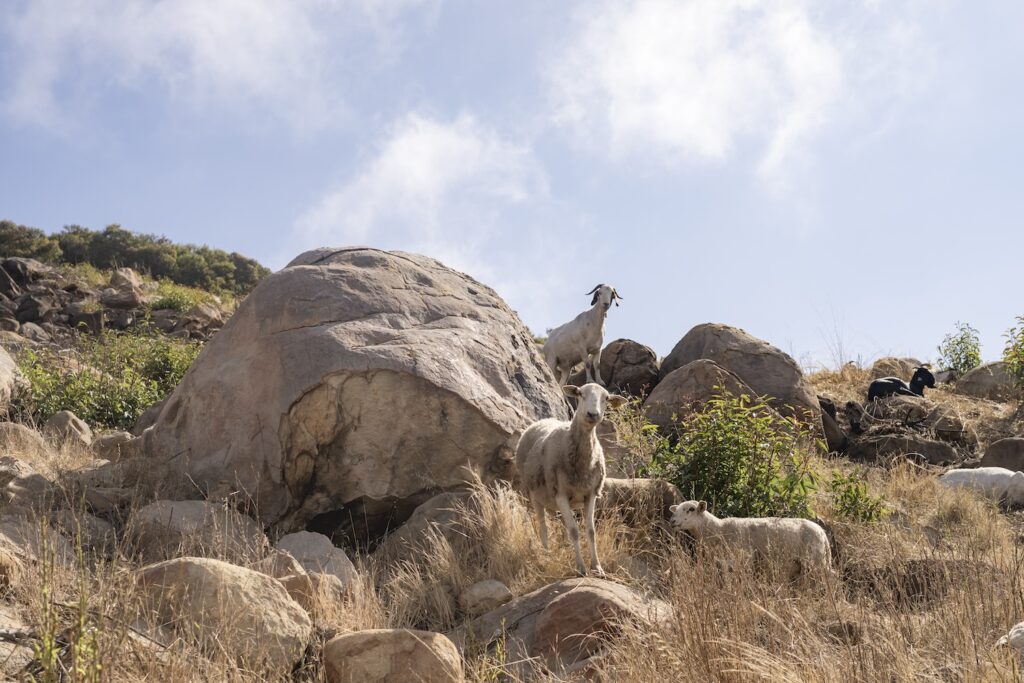
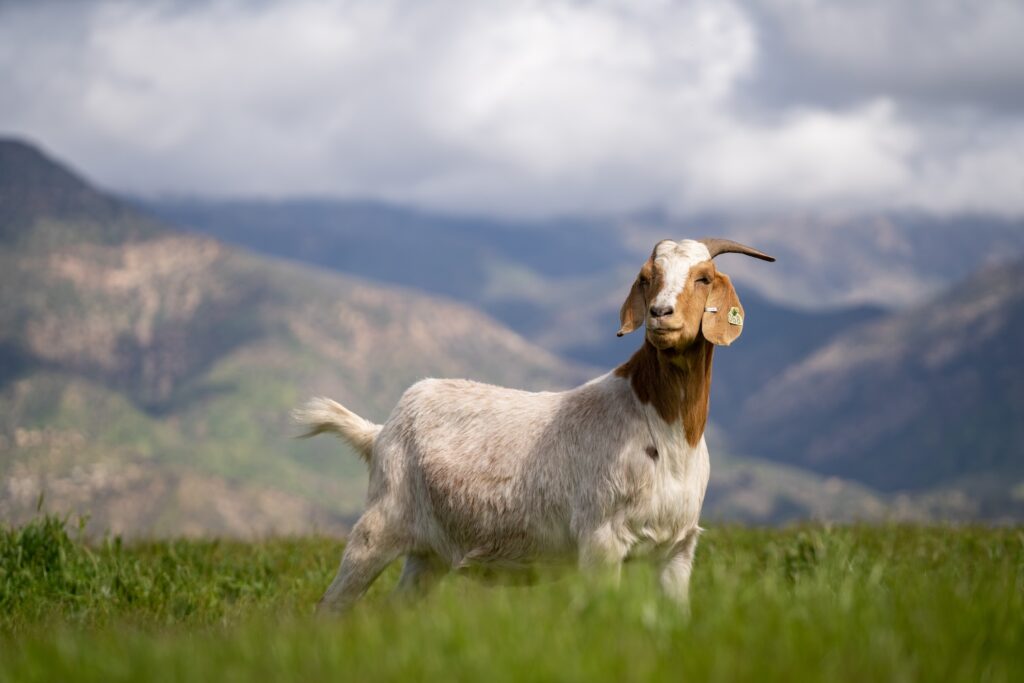
The efficacy of this method lies in the distinct foraging behaviors of different species. Goats are primarily "browsers," meaning they prefer woody vegetation, shrubs, and low-hanging tree branches, making them ideal for thinning dense chaparral. Sheep, conversely, are "grazers" that focus on grasses and low-lying forage. By utilizing a "combo punch" of both species, shepherds can tailor their approach to the specific needs of a landscape.
This method is particularly effective at targeting invasive annual grasses, which tend to dry out earlier in the season than native perennials, creating a "fine fuel" layer that ignites easily and carries fire rapidly across hillsides. By grazing these invasives before they go to seed, the animals reduce the overall fuel load while simultaneously creating space for deep-rooted native plants to thrive. These native species are often more fire-resilient and better at retaining soil moisture, which helps prevent the catastrophic erosion often seen after major burns.
A Chronology of Volatility: From the Thomas Fire to the Present
The urgency of these efforts is underscored by a recent history of devastating fire events. The 2017 Thomas Fire, which burned over 280,000 acres in Ventura and Santa Barbara counties, served as a catalyst for many in the region to seek alternative management strategies. It demonstrated that traditional suppression methods were increasingly insufficient against fires driven by extreme "Sundowner" and "Santa Ana" winds.
By early 2025, the reality of ecological instability became even more pronounced. In January of that year, a series of fires across the Los Angeles and Ventura regions, including the Kenneth Fire near Agoura and the Madre Fire in the Carrizo Plain, forced mass evacuations and destroyed significant infrastructure. These events highlighted a critical gap in emergency services: the evacuation of livestock and large animals.
In response to the 2025 crisis, community-led initiatives such as the Ojai Herd and Horse Network emerged. Founded by experienced shepherds and local volunteers, these networks provided specialized animal handling skills during high-stress evacuations. During the Kenneth Fire, shepherds were required to move semi-feral sheep off steep, smoke-filled hillsides using techniques rooted in animal psychology—applying subtle pressure and maintaining a calm environment to prevent the herd from panicking. This period of high-intensity fire activity clarified the role of the "modern shepherd" as not just a land manager, but a vital component of community emergency resilience.
Supporting Data: The Climate-Fire Feedback Loop
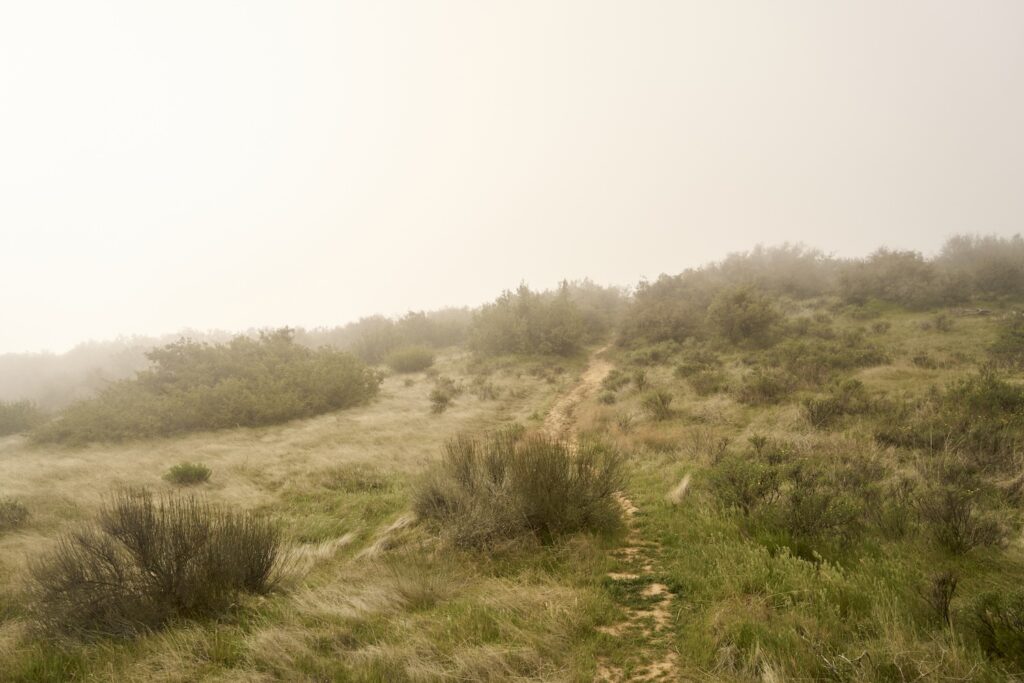
The escalation of wildfire in the Western United States is supported by a growing body of climatic data. According to the National Oceanic and Atmospheric Administration (NOAA), the combination of hotter temperatures and increasingly dry atmospheric conditions—measured as Vapor Pressure Deficit—has become a primary driver of fire extent.
Key data points illustrating this shift include:
- Fuel Aridity: Research indicates that human-caused climate change has nearly doubled the area of the Western U.S. affected by forest fires over the past four decades by increasing fuel aridity.
- The Carbon Feedback Loop: Wildfires are no longer just a result of climate change; they are a contributor. Massive plumes of smoke release significant amounts of stored carbon into the atmosphere. In record-breaking years, California’s wildfires have emitted enough CO2 to rival the state’s annual emissions from fossil fuel combustion.
- Invasive Spread: Invasive grasses like Cheatgrass (Bromus tectorum) provide a continuous fuel bed that allows fire to travel between patches of native brush, increasing the frequency of fires to a point where native ecosystems cannot recover.
These factors have created a feedback loop: climate change intensifies fire, and fire intensifies climate instability by stripping landscapes of their carbon-sequestering vegetation and increasing the vulnerability of the soil to erosion and flooding.
Economic and Political Implications for California
The transformation of the landscape has triggered a cascade of socio-economic challenges. The most immediate impact is felt in the insurance market. In recent years, several major insurance providers have limited or ceased the issuance of new homeowners’ policies in California, citing the "rapidly growing catastrophe risk." This instability has pushed thousands of residents into the California FAIR Plan, the state’s insurer of last resort, and has made wildfire resilience a top priority for regional politics.
State and local governments are responding with updated fire hazard maps and stricter "defensible space" regulations. There is also a burgeoning movement to reform the "Prescribed Fire Liability" laws to make it easier for private landowners to conduct controlled burns and grazing operations. Kalli O’Connor, Assistant Director of the Ojai Valley Fire Safe Council, notes that the focus is shifting from reactive emergency response to "cultural adaptation." This involves educating the public that living in a fire-prone landscape requires active, year-round participation in land stewardship rather than relying solely on fire departments during an ignition event.
The Intersection of Recreation and Stewardship
The changing ecology of Southern California is also reshaping the region’s robust outdoor recreation culture. For trail runners, hikers, and cyclists, the mountains and canyons are no longer just places of escape; they are increasingly viewed as fragile systems requiring active management.
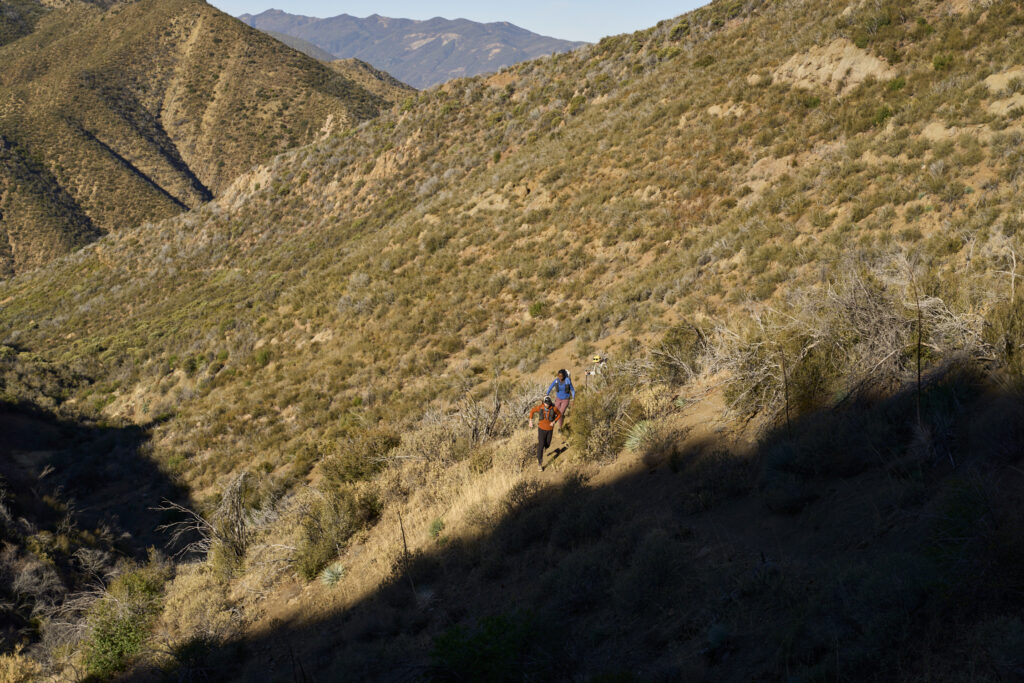
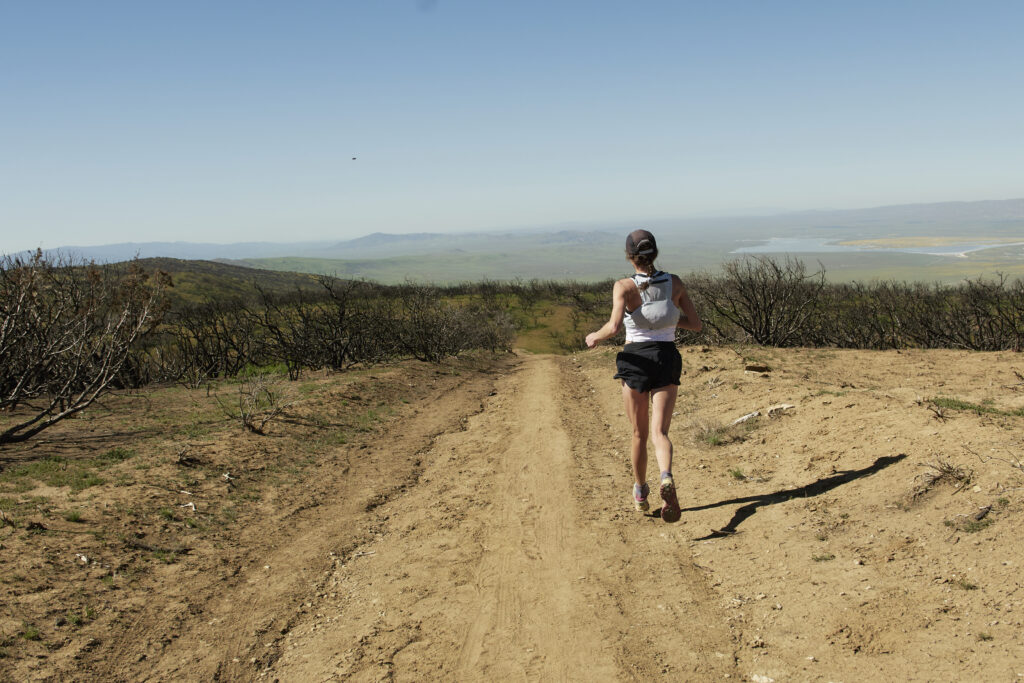
Liam Pickhardt, an Ojai-based photographer and trail runner, has documented the visual transformation of these landscapes. He observes that recreationists often act as "biological sensors," noticing subtle changes in the terrain—such as the return of specific native plants or the deepening of erosion gullies—long before they are officially recorded.
"There’s a tendency to separate outdoor culture from land stewardship," Pickhardt states. "But the trails people run on and the open spaces people recreate in require active management now. They don’t just stay intact on their own anymore." This sentiment is echoed by many in the endurance sports community who have seen their favorite trails closed for years following burns or lost to "type conversion," where a diverse chaparral ecosystem is replaced by a monoculture of invasive weeds after a fire.
Analysis of Future Implications
The reintroduction of movement—via the shepherd and the herd—represents a return to a more ancestral form of land management, albeit updated for a modern, climate-stressed era. The success of programs like Shepherdess Land and Livestock suggests that the future of California’s ecology depends on "layered" resilience strategies. No single solution—neither grazing, nor prescribed fire, nor mechanical thinning—is a panacea. Instead, these methods must be integrated into a comprehensive framework that includes:
- Urban-Wildland Interface (WUI) Buffer Zones: Using grazing to create "shaded fuel breaks" around residential perimeters.
- Native Seed Bank Protection: Reducing fire intensity to ensure that native seeds in the soil are not incinerated, allowing for natural regeneration.
- Community-Scale Infrastructure: Building local networks for animal evacuation and emergency communication that do not rely on centralized state resources.
As the Ojai Valley and surrounding regions continue to adapt, the role of the shepherd serves as a metaphor for the broader societal shift required. Cole Bush describes the work as "leading from the back," a philosophy of observation and response rather than total control.
In the final analysis, the landscapes of Southern California will continue to be shaped by what moves through them. While the "mega-movement" of fire remains a formidable threat, the smaller, more intentional movement of sheep and goats offers a pathway toward a more stable and resilient future. The goal is no longer to eliminate fire from the landscape—an impossible task in a Mediterranean climate—but to manage the land so that when fire does arrive, the ecosystem and the communities within it have the strength to endure and recover.

