
As the vibrant energy of summer begins its graceful transition into the cooler embrace of autumn, a perennial question emerges among outdoor enthusiasts and those who simply appreciate the rhythm of the seasons: what kind of fall lies ahead? While contemporary meteorology harnesses the power of sophisticated satellite technology, intricate weather models, and vast climate datasets, a rich tapestry of human history reveals a parallel tradition of observing nature’s subtle cues. For centuries, long before the advent of ubiquitous weather applications, farmers, hunters, and homesteaders meticulously studied the behaviors of birds, the shedding of leaves from trees, the activity of insects, and even the celestial dance of the night sky for insights into the approaching seasonal shifts.
The esteemed Farmers’ Almanac, a venerable institution in almanac publishing, suggests that several traditional indicators may be pointing towards an early, colder-than-average, or generally harsher autumn. While these observations are steeped in folklore and anecdotal evidence rather than rigorous scientific validation, they offer a captivating glimpse into ancestral wisdom and continue to be a cherished tradition for many who find joy in observing the natural world. This article delves into these traditional signs, exploring their historical context, potential implications, and the enduring human fascination with predicting the seasons through nature’s whispers.
The Historical Roots of Nature-Based Forecasting
The practice of using natural phenomena to predict weather and seasons is as old as human civilization itself. Early agrarian societies were deeply reliant on predictable weather patterns for successful crop cultivation. Any deviation from the norm could mean the difference between abundance and scarcity. Consequently, keen observation of the environment became a vital survival skill. These observations were passed down through generations, evolving into a body of folklore that, while not always scientifically precise, often reflected underlying ecological truths or recurring patterns that were observable to the dedicated eye.
The Farmers’ Almanac, first published in 1792, has played a significant role in disseminating and preserving these traditional weather lore. Its enduring popularity speaks to a deep-seated human desire to connect with the natural world and to glean understanding from its intricate workings. The Almanac’s forecasts, historically derived from a proprietary blend of astronomical data and folklore, have often captured public imagination, offering a sense of preparedness and anticipation for the changing seasons.
Unveiling the Traditional Signs of a Harsh Fall
The Farmers’ Almanac, drawing upon centuries of accumulated observations, outlines several indicators that traditionally foretell a more challenging autumn. These signs, though rooted in folklore, offer a fascinating lens through which to view the natural world’s perceived responses to impending climatic shifts.
1. Squirrels Gathering Nuts Earlier Than Usual
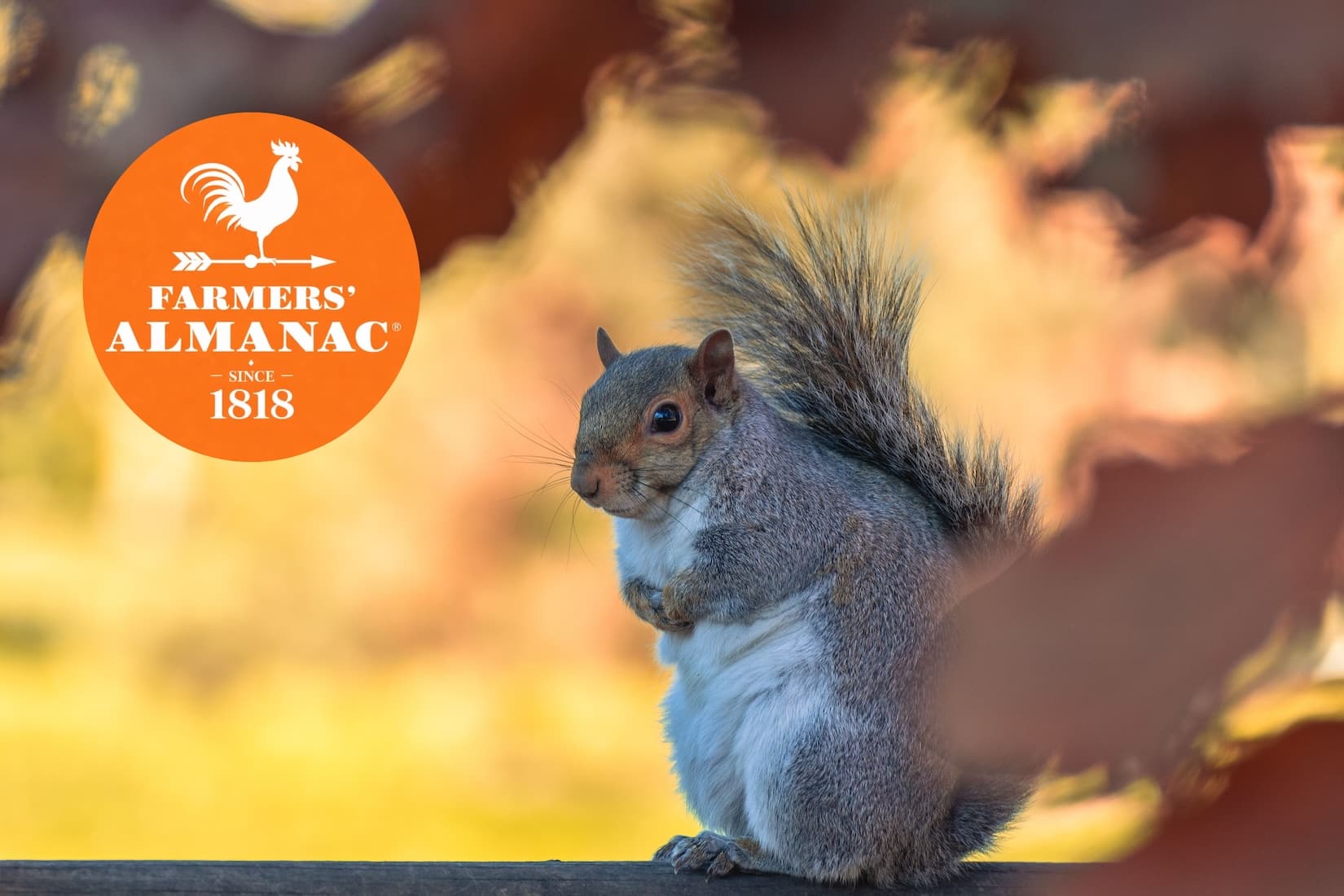
A heightened level of activity among squirrels, observed in their accelerated efforts to collect and cache acorns well before the official start of autumn, is a classic sign. According to traditional lore, this frantic gathering suggests that the squirrels, with their innate sensitivity to environmental changes, are anticipating a prolonged period of scarcity. This implies that food sources will become more difficult to access due to an early onset of winter-like conditions, prompting them to build up reserves sooner than typically observed.
Supporting Data & Analysis: While not a direct predictor of temperature, increased nut gathering by squirrels can be correlated with a variety of factors that might precede a harsher winter. For instance, if mast-producing trees (like oaks) have had an exceptionally productive year, squirrels will indeed gather more nuts. However, some ecological studies suggest that animals might alter their foraging behavior in response to subtle shifts in temperature and humidity that precede significant weather events. This heightened preparedness among squirrels could, in some instances, be an early indicator of an extended or more severe cold period.
2. Woolly Bear Caterpillars Wearing More Black
Among the most widely recognized pieces of weather folklore is the interpretation of the woolly bear caterpillar’s coloration. The traditional belief posits that the wider the black bands on the caterpillar’s segments, the harsher the upcoming cold season is predicted to be. Conversely, narrower black bands suggest a milder winter.
Supporting Data & Analysis: This phenomenon has been studied, though a definitive scientific consensus remains elusive. Researchers have noted that the width of the black bands can be influenced by a caterpillar’s age and the duration of its development. A longer growing season, potentially influenced by warmer autumns, might allow for more molting and thus wider black bands. Conversely, a shorter, cooler season could lead to fewer molts and narrower black bands. While not a perfect predictor, the pattern offers an intriguing correlation that has persisted in popular belief.
3. Trees Dropping Leaves Early
The premature shedding of leaves from healthy trees is another sign that has been historically interpreted as nature’s signal of an impending colder-than-usual fall. The rationale suggests that trees, sensitive to environmental cues, are responding to atmospheric shifts that foreshadow an earlier arrival of autumn’s chill.
Supporting Data & Analysis: Leaf senescence, the process of leaf aging and dropping, is influenced by several factors, including photoperiod (daylight length) and temperature. Abrupt temperature drops or prolonged periods of cool weather can accelerate this process. While a healthy tree’s decision to drop leaves is primarily triggered by shortening day length as autumn approaches, unseasonably cool weather preceding the typical fall onset could lead to an earlier visual manifestation of leaf fall in some species.
4. Thick Corn Husks and Onion Skins
For generations, farmers have observed that unusually thick corn husks or onion skins, particularly those that are difficult to peel, are indicators of nature preparing crops for colder temperatures ahead. The thickness is seen as a natural insulation against anticipated harsh conditions.
Supporting Data & Analysis: The development of plant structures like husks and skins is directly influenced by environmental conditions during the growing season. Factors such as soil moisture, temperature, and sunlight availability impact the plant’s growth and the density of its protective layers. A plant developing thicker husks or skins might be responding to a combination of favorable growing conditions that allow for robust development, coupled with potential signals of a prolonged or more challenging end to the growing season.
5. Birds Beginning Their Migration Ahead of Schedule
The early departure of migratory birds, such as geese and swallows, heading south before their usual timing, is traditionally viewed as a sign that they are sensing changing atmospheric conditions. This behavior is interpreted as an instinctual response to pre-winter weather patterns that humans may not yet perceive.
Supporting Data & Analysis: Migratory birds are highly attuned to environmental cues, including changes in daylight, temperature, and food availability. A noticeable shift in these factors, even if subtle to humans, can trigger their migratory instincts. Early migration can be a response to a perception of declining resources or a forecast of prolonged cold, suggesting that the birds are preparing for winter sooner than usual. Scientific studies have documented variations in migratory timing that correlate with climatic patterns, though pinpointing a single cause for early migration remains complex.
6. Spider Webs Becoming Larger and More Numerous
The appearance of large, dense spider webs during the late summer season has long been associated with impending weather changes. Some folklore suggests that spiders instinctively reinforce their webs as a preparation for colder conditions.
Supporting Data & Analysis: Spider web construction is influenced by factors such as prey availability and environmental conditions. While a direct link to predicting harsh falls is anecdotal, larger and more numerous webs might indicate a robust insect population, which in turn could be influenced by weather patterns. Some theories propose that spiders may build more substantial webs if they anticipate a need for greater structural integrity against wind or moisture, which could be interpreted as a precursor to more challenging weather.
7. Increased Acorn Production (Mast Years)
A particularly abundant harvest of acorns, often referred to as a "mast year," has frequently been interpreted as nature’s provision of ample food for wildlife in anticipation of a difficult autumn and winter. While scientists generally attribute these "mast years" to natural, cyclical patterns in tree reproduction, the popular belief persists that such bounty signals a harsh season ahead.
Supporting Data & Analysis: Mast years are a well-documented ecological phenomenon, often linked to resource allocation by trees. A year of high acorn production can indeed provide significant food resources for wildlife. While the correlation with a harsh winter is not a direct scientific prediction, a plentiful food supply can help many animal populations build up reserves, potentially enabling them to better withstand challenging winter conditions. However, the underlying cause of mast years is primarily driven by the trees’ own biological cycles, which can be influenced by factors like climate but are not solely determined by the impending winter.
8. Heavy Morning Fog
Persistent morning fogs observed during late summer and early fall have been connected for generations with shifts in seasonal patterns. A notable saying from the Farmers’ Almanac even suggests that each August fog foretells a future snowfall during the winter months.
Supporting Data & Analysis: Fog formation is a meteorological phenomenon influenced by temperature, humidity, and atmospheric stability. Heavy morning fogs can indicate high levels of moisture in the air and specific atmospheric conditions that are conducive to fog development. While the link to winter snowfall is highly anecdotal, the presence of consistent fog might suggest certain moisture-laden air masses that could play a role in precipitation patterns throughout the year, though direct prediction is not scientifically established.
9. Bees and Wasps Nesting in Sheltered Locations
Some naturalists and observers of insect behavior suggest that bees and wasps choosing more protected nesting sites may indicate an instinctual expectation of cooler, stormier weather later in the year. This preference for shelter is seen as a preemptive measure against anticipated inclement conditions.
Supporting Data & Analysis: Insect behavior is often finely tuned to environmental conditions. The selection of nesting sites can be influenced by a variety of factors, including temperature, humidity, and perceived threats. If insects are observed to be opting for more robust or protected locations, it could be interpreted as a response to environmental cues that suggest a need for greater insulation or defense against potentially harsher weather. However, this is a subtle behavioral observation and not a definitive predictive tool.
10. Brilliant Autumn Color Arriving Early
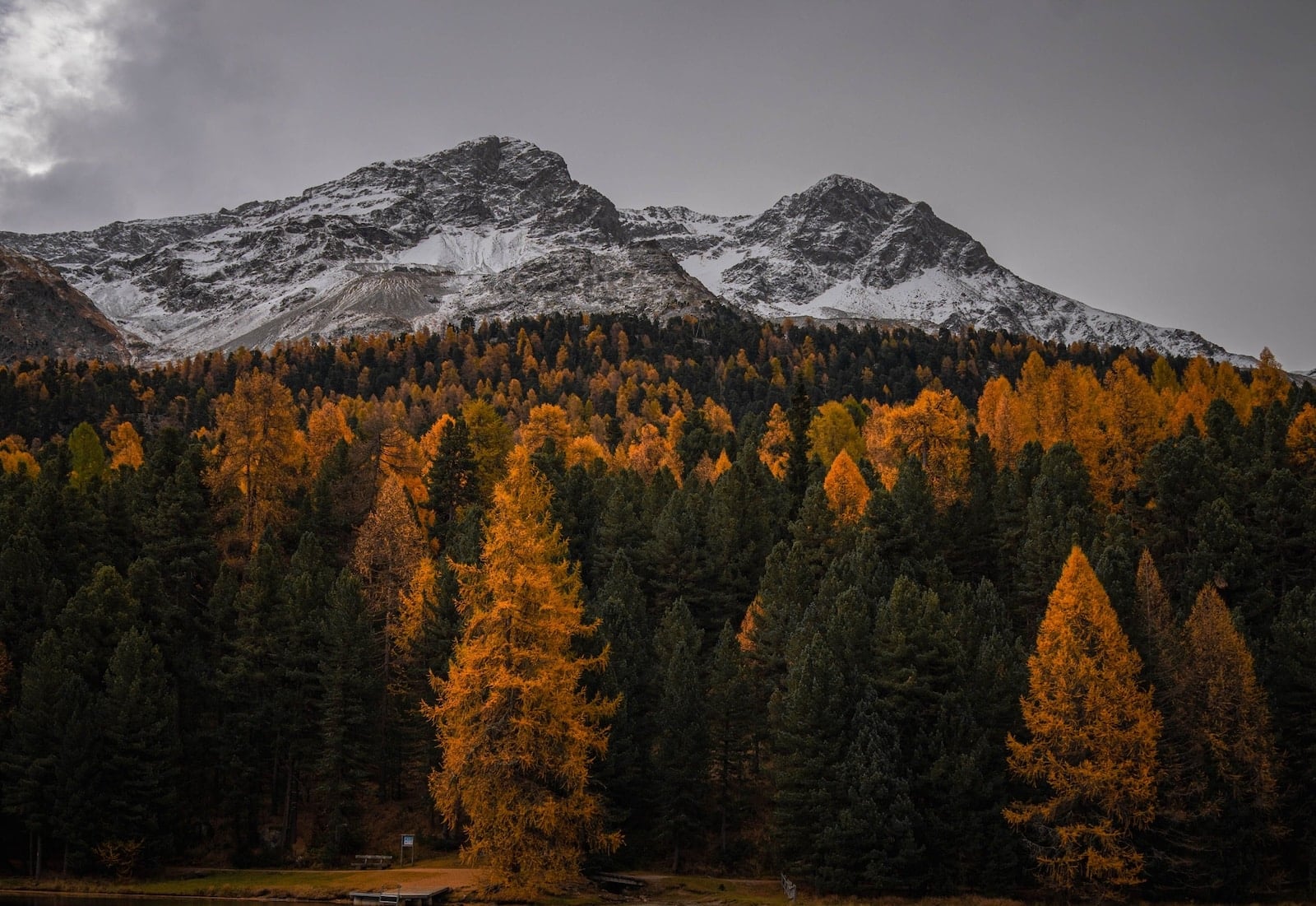
When forests begin to display vibrant hues of red, orange, and yellow weeks ahead of the typical autumn schedule, many weather watchers interpret this as another traditional clue that fall, and consequently colder temperatures, are arriving earlier than usual.
Supporting Data & Analysis: The timing and intensity of autumn foliage are influenced by a complex interplay of factors, primarily the decrease in chlorophyll production as days shorten and temperatures cool. Abrupt temperature drops or earlier onset of cooler weather can accelerate the process of chlorophyll breakdown, revealing the underlying pigments and leading to earlier and potentially more brilliant fall colors. This sign, therefore, has a stronger basis in observable meteorological influences than some other anecdotal indicators.
Implications and Broader Context
While these traditional signs from the Farmers’ Almanac are steeped in folklore, their enduring popularity highlights a fundamental human connection to the natural world and a desire for preparedness. In an era of advanced meteorological science, these age-old indicators offer a complementary perspective, reminding us of the wisdom embedded in generations of observation.
The potential for a harsher or colder fall, as suggested by these traditional signs, carries several implications for various sectors. For outdoor recreation enthusiasts, particularly skiers and snowboarders, an early and cold fall could signal an earlier start to the ski season. This would be a welcome prospect for resorts and the tourism industry, potentially boosting early-season revenue.
From an agricultural standpoint, an unexpectedly cold or harsh autumn could pose challenges. Farmers would need to assess the impact on late-season crops and prepare for potential early frosts. For wildlife, an early onset of winter conditions means a more immediate need to find adequate food and shelter, potentially impacting animal populations.
In the broader context, the fascination with these natural indicators speaks to a desire for a sense of control and understanding in the face of nature’s unpredictability. Even as scientific forecasting becomes more sophisticated, the human instinct to look for signs in the world around us remains strong. The Farmers’ Almanac, by continuing to document and share these traditional weather lore, taps into this enduring human curiosity, offering a blend of historical wisdom and seasonal anticipation. As we observe the natural world in the coming weeks, these time-honored signs provide a rich narrative to the unfolding story of the seasons, inviting us to engage with nature’s subtle, yet profound, prophecies.

