
Ashland, Oregon – Mt. Ashland Ski Area, a beloved community-owned resort nestled in the Siskiyou Mountains, has announced a revised timeline for critical infrastructure upgrades, primarily focusing on the replacement of its aging chairlifts. The decision comes in the wake of a truncated 2025-2026 winter season, which saw only 17 operational days due to a combination of late opening, operational disruptions, and a severe lack of snow coupled with excessive rain. This shortened season, while financially challenging, has inadvertently provided an extended operational life for two of the resort’s most vital, yet deteriorating, chairlifts.
A Challenging Season and a Renewed Focus on Infrastructure
The 2025-2026 season at Mt. Ashland proved to be one of the most challenging in recent memory. The resort experienced a significantly delayed opening and multiple weather-related closures, ultimately concluding its operations in February. This limited operational window resulted in substantial revenue losses and further highlighted the urgent need for modernization of its lift infrastructure. Adding to the operational difficulties, the resort also saw the departure of its long-serving General Manager, who has reportedly moved to Eldora Mountain Resort, a move that signals significant shifts within the regional ski industry leadership.
Despite these setbacks, the extended downtime for the Windsor and Ariel chairlifts has provided a crucial year for continued operation, albeit with increased maintenance considerations. This unforeseen reprieve has allowed the Mt. Ashland Association to re-evaluate and adjust its ambitious lift replacement plan, aiming to secure the long-term viability of the ski area for the Rogue Valley and Southern Oregon.
Revised Lift Replacement Schedule: A Phased Approach
According to a report by the Rogue Valley Times, Mt. Ashland has strategically postponed its lift replacement initiatives. The primary driver for this adjustment is the shortfall in fundraising efforts to replace the Windsor chairlift during the current offseason. Consequently, the resort has revised its schedule, now targeting the replacement of the Windsor chairlift in 2027 and the Ariel chairlift in 2028. This phased approach is intended to allow more time for comprehensive fundraising and to ensure a smoother transition of operations.

The current plan outlines the modernization of two key lifts:
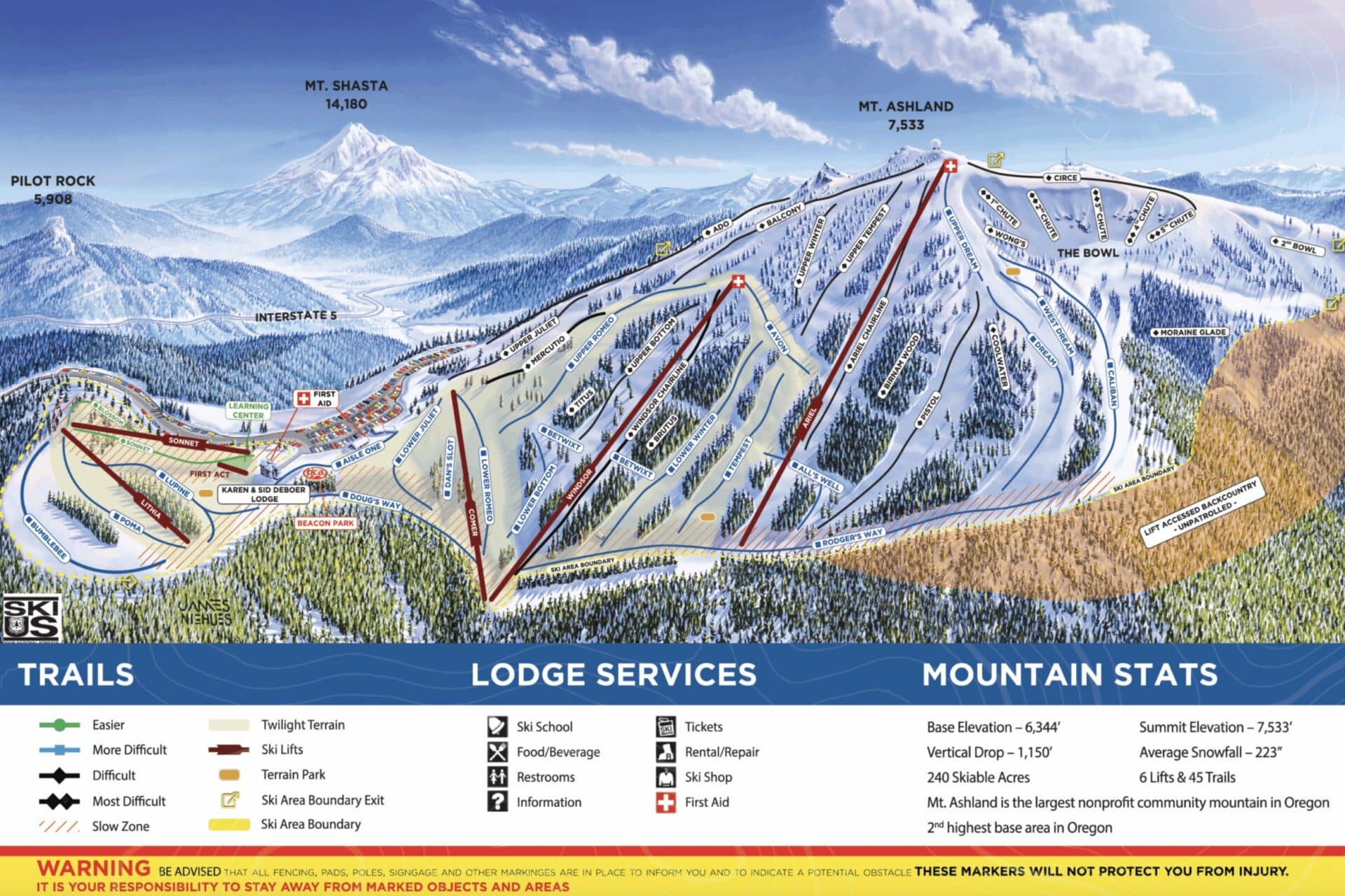
- Windsor Chairlift Replacement (Target: 2027): This existing Yan double chairlift, a cornerstone of the mountain’s accessibility, is slated for replacement with a new SkyTrac fixed-grip triple chairlift. This upgrade is expected to significantly enhance uphill capacity and ride comfort.
- Ariel Chairlift Replacement (Target: 2028): The Riblet fixed-grip double chairlift, known as Ariel, will also be replaced with a SkyTrac fixed-grip triple chairlift. A notable aspect of this upgrade includes relocating the top terminal approximately 200 feet lower on the mountain and housing it within a protective building to shield it from harsh weather conditions, thereby extending its operational lifespan and reducing maintenance needs.
Following the demolition of the old lift infrastructure, Mt. Ashland plans to auction off the decommissioned chairs. This initiative offers a unique opportunity for enthusiasts and supporters to acquire a piece of the mountain’s history.
The Critical Importance of Modernization: Official Statements
Gabby Conner, Marketing Manager at Mt. Ashland, emphasized the paramount importance of these infrastructure upgrades for the ski area’s future. “Replacing these lifts is critical to the long-term future of our Ski Area,” Conner stated. “Mt. Ashland Association is committed to serving the Rogue Valley for generations to come, and every dollar contributed by our mountain community will directly support these essential infrastructure upgrades and be a part of making history.”
She further elaborated on the broader impact of these lifts, noting, “These chairlifts impact far more than skiers and snowboarders – they support youth programs, summer recreation, local businesses, tourism, and the broader outdoor culture of Southern Oregon. Losing access to this infrastructure would have a devastating impact on recreation and our regional economy, and Mt. Ashland Association is doing everything possible to ensure a sustainable future for our community asset.”
The statements underscore that the chairlift replacements are not merely about enhancing the skiing experience but are integral to the economic and recreational fabric of the entire Southern Oregon region.

Fundraising Efforts and Community Support
The financial undertaking for these significant upgrades is substantial. The Mt. Ashland Association is actively engaged in a robust fundraising campaign to meet the estimated costs. A significant boost to these efforts comes from The Karen & Sid DeBoer Foundation, which has pledged a $500,000 matching donation to the campaign. This generous contribution is designed to incentivize community giving, with every dollar donated being matched up to the $500,000 threshold.
The immediate fundraising goal is to secure slightly more than $1.87 million by May 2027 to facilitate the replacement of the Windsor chairlift. This target represents a critical step in the overall modernization project. Supporters and community members are encouraged to contribute through the dedicated donation portal on the Mt. Ashland website.
Background and Context: The Lifeline of Mt. Ashland
Mt. Ashland Ski Area operates as a non-profit entity, with the Mt. Ashland Association serving as its governing body. This ownership structure underscores the community-driven nature of the resort, where operational decisions and future planning are heavily influenced by the needs and desires of its patrons and the broader Southern Oregon community. The ski area, situated on the slopes of Mount Ashland, has been a vital recreational hub for decades, attracting skiers and snowboarders from across Oregon and Northern California.
The aging infrastructure, particularly the chairlifts, represents a growing concern for many ski resorts globally. Modern chairlifts offer improved safety, increased efficiency, higher capacity, and enhanced guest comfort. For a non-profit resort like Mt. Ashland, the capital investment required for such upgrades necessitates a dedicated and sustained fundraising effort, often relying heavily on community support, grants, and strategic partnerships.
The current chairlifts, Windsor and Ariel, have served the mountain for many years. While they have provided access to its challenging terrain, their age necessitates frequent maintenance and limits their operational efficiency compared to modern lift systems. The transition to SkyTrac fixed-grip triple chairlifts is a common industry trend, offering a balance of performance and cost-effectiveness for resorts of Mt. Ashland’s size.
Broader Implications for the Region
The success of Mt. Ashland’s fundraising and subsequent lift replacements will have far-reaching implications beyond the ski slopes. A modernized and more reliable lift system will:
- Enhance Tourist Appeal: Improved facilities can attract a greater number of visitors, boosting tourism revenue for Ashland and surrounding communities.
- Support Local Economy: Increased visitor numbers translate to greater demand for accommodations, dining, retail, and other local services.
- Benefit Youth and Education Programs: Mt. Ashland plays a crucial role in supporting local ski clubs, school programs, and adaptive sports initiatives. Reliable access is essential for these programs to thrive.
- Promote Outdoor Recreation: The ski area serves as a gateway to outdoor recreation for a diverse range of activities, including hiking and mountain biking during the off-season, when infrastructure is in place.
- Strengthen Community Asset: As a community-owned asset, the revitalization of Mt. Ashland ensures its continued contribution to the quality of life for residents in the Rogue Valley.
The decision to revise the schedule, while born out of necessity, reflects a strategic approach to ensure the long-term sustainability of this vital community resource. The coming years will be crucial for Mt. Ashland as it rallies its supporters to secure the funding necessary to modernize its infrastructure and continue to serve the region for generations to come. The commitment from The Karen & Sid DeBoer Foundation provides a significant impetus, but the ultimate success will hinge on the collective support of the mountain community and its allies.
Image and Video Credits: Mt. Ashland, Wheelhouse Motion Pictures and Nathanael Lathrop.

