
Tickets for Eurostar’s popular winter service to the French Alps for the upcoming 2026/27 season have been released, but the announcement has been met with significant criticism from the snow sports community due to a drastically reduced operational window. The service, which connects London St Pancras to various French Alpine stations via a change in Lille, will now only run for the first half of the ski season, from December 19, 2026, to February 28, 2027. This represents a notable curtailment compared to previous years, sparking concerns about accessibility for late-season skiers and snowboarders.
The core of the controversy lies in the service’s cessation on February 20 for outbound journeys and February 28 for return journeys. This marks a full month earlier than the previous winter’s operation, which extended into March. The implications of this shortened season are particularly concerning for skiers and snowboarders who prefer the typically quieter and often snow-sure conditions of March and April.
A Shrinking Window for Alpine Adventures
The Eurostar Snow service has long been a favoured option for UK-based snow sports enthusiasts seeking an environmentally conscious and comfortable alternative to flying. The route typically offers a direct journey from London St Pancras, with passengers transferring at Lille-Europe station for onward travel to a range of popular French ski resorts. These include well-known destinations such as Les Arcs, La Plagne, Moutiers, and Bourg-Saint-Maurice, providing access to the vast ski areas of the Tarentaise Valley.
For the 2026/27 season, the operational schedule is as follows:
- First Outbound Journey: Saturday, December 19, 2026
- Last Outbound Journey: Saturday, February 20, 2027
- First Return Journey: Sunday, December 27, 2026
- Last Return Journey: Sunday, February 28, 2027
While regular Saturday outbound and Sunday return services are scheduled throughout this period, there are also supplementary Saturday return services (inbound journeys) on specific dates: December 26, January 2, January 9, February 20, and February 27. This means that inbound travel on a Saturday is not consistently available throughout the entire operational period, further limiting flexibility.
Industry Voices Raise Alarm
The decision to shorten the Eurostar Snow season has drawn sharp criticism from prominent figures within the snow travel industry. Daniel Elkan, founder of the specialist train-to-the-Alps website SnowCarbon, expressed strong disappointment, calling the move "simply nuts."
"Last winter Eurostar Snow ran in March. Why have they shorted the season? Nature hasn’t, yet," Elkan stated. "What Eurostar seem to have done is taken a real step backwards. No Eurostar Snow in March, and inbound Saturday journey only on some dates. Eurostar seems to be treating skiers as an afterthought. Eurostar should be venerating skiers and expanding services, not doing the bare minimum and paring back services."
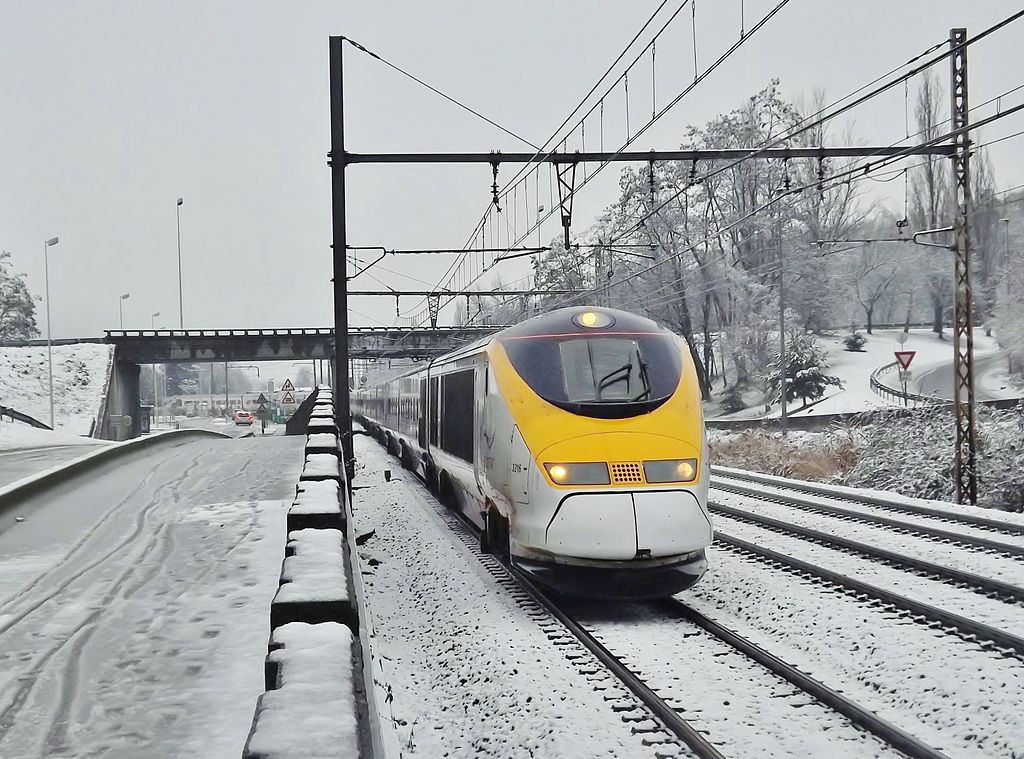
Elkan’s sentiments highlight a perceived disconnect between Eurostar’s actions and the desires of its core customer base. The appeal of the ski train lies not only in its convenience and environmental benefits but also in its ability to cater to the entire ski season, which traditionally extends well into the spring. Many skiers and snowboarders plan their holidays for March and April, attracted by the possibility of firmer snow conditions in the mornings, longer daylight hours, and fewer crowds after the peak school holiday periods.
Ticket Pricing and Availability
Tickets for the Eurostar Snow service are now available for purchase. One-way fares start at a competitive £99. However, return tickets, particularly for peak travel times such as the Christmas and New Year period or during February half-term, can escalate to several hundred pounds, depending on the specific date and availability. Eurostar notes that a limited number of seats are available, reinforcing the need for early booking.
The company promotes the onboard experience, stating that "across both travel classes, passengers can enjoy spacious seating, free Wi-Fi, flexible ticket exchange options and access to the Eurostar Café for drinks and snacks." Passengers can choose between Eurostar Standard and Eurostar Plus.
Booking channels include the Eurostar app, the official Eurostar website (eurostar.com), authorised travel agents, and by telephone on +44 (0)3432 186 186.
Context and Potential Implications
The reduction in service for the Eurostar Snow route comes at a time when sustainable travel is gaining increasing traction among consumers and governmental bodies. Rail travel is often lauded as a greener alternative to air travel, with significant carbon emission reductions per passenger mile. For the snow sports industry, which is inherently tied to mountainous environments susceptible to climate change, promoting lower-impact travel methods is a critical consideration for its long-term viability.
The decision by Eurostar to curtail its ski season service raises questions about the company’s strategic priorities. While passenger numbers and profitability are undoubtedly key factors, the perceived sidelining of a dedicated niche market, such as snow sports enthusiasts, could have broader implications. It may lead some travellers to reconsider their transport options, potentially reverting to air travel or exploring alternative rail routes that offer greater flexibility.
It is worth noting that Eurostar Snow is not the sole rail option for reaching the French Alps from the UK. Passengers can also opt for a combination of Eurostar and TGV services, or explore options like the Eurostar combined with overnight sleeper trains, such as the Travelski Night Express. These alternatives, however, often involve more complex booking processes or different travel experiences.
The timing of this announcement is also significant. The 2026/27 ski season will be a crucial period for the tourism industry as it continues to adapt to post-pandemic travel patterns. A robust and accessible ski train service could have been a strong selling point for a more sustainable winter holiday.

Eurostar’s Position and Past Performance
While the original article does not include a direct official statement from Eurostar specifically addressing the reasons for the shortened season, the company’s general communication focuses on the amenities provided to passengers. The emphasis on spacious seating, Wi-Fi, and onboard catering aims to highlight the comfort and convenience of the journey.
Historically, the Eurostar Snow service has been a highly anticipated annual event, often selling out quickly. Its success has been attributed to its ability to offer a hassle-free journey directly to the heart of the Alps, bypassing the need for airport transfers and the security queues associated with flying. The free carriage of ski and snowboard equipment, along with the presence of dedicated "Eurostar Ski Hosts" at stations to assist with luggage, has been a significant drawcard.
The contrast between Eurostar’s past commitment to the ski market and the current reduction in service is stark. Without a clear explanation from Eurostar, speculation will likely persist regarding the underlying business rationale. Factors such as operational costs, demand fluctuations outside the core December-February window, or a strategic shift in focus towards other routes or markets could all play a role.
Looking Ahead: The Future of Train Travel to the Alps
The current situation underscores the delicate balance that train operators must strike between serving established niche markets and adapting to evolving travel landscapes. The strong reactions from the snow sports community suggest that Eurostar may be underestimating the loyalty and demand within this segment.
For skiers and snowboarders who have embraced the train as their preferred mode of transport to the Alps, the shortened season represents a setback. It may prompt a wider re-evaluation of how the snow sports community accesses its favourite destinations and could potentially see a resurgence in interest for alternative rail journeys or even a return to flying for those who prioritize late-season skiing.
The coming months will be critical for understanding the long-term impact of this decision. Whether Eurostar revisits its scheduling for future seasons or whether other rail operators step in to fill the perceived gap remains to be seen. For now, the message from many in the snow sports world is clear: the reduction in the Eurostar Snow service is a step in the wrong direction, and a significant opportunity for promoting sustainable travel to the Alps has been curtailed. The industry awaits further clarification and potential adjustments to ensure that train travel remains a viable and attractive option for all snow sports enthusiasts throughout the entire winter season.
The convenience of the service, including the free allowance for ski and snowboard equipment and the dedicated assistance from Ski Hosts, has always been a key selling point. These features are designed to alleviate the common stresses associated with transporting bulky winter gear, making the transition from city to slopes as seamless as possible. The availability of this service has, for many, become an integral part of the annual ski holiday experience, fostering a sense of tradition and reliability. The reduction in its operational window therefore impacts not just the logistics of travel, but also a cherished aspect of the winter holiday ritual for many.

