
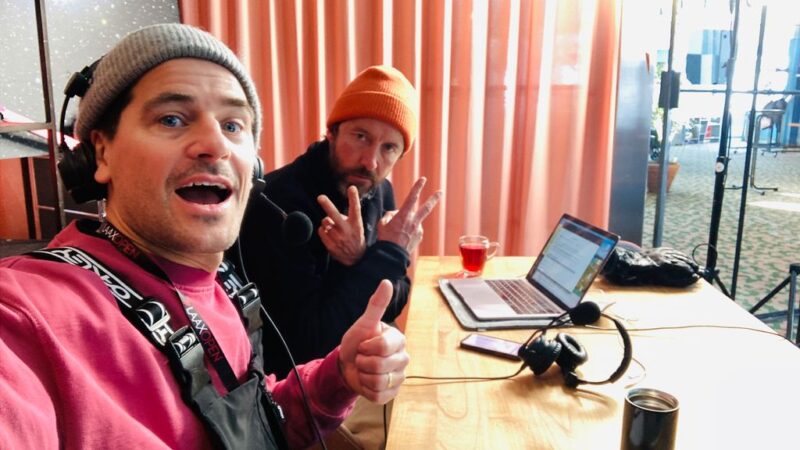
The landscape of British winter sports broadcasting is undergoing a significant transformation following the decision by the BBC to cease production of its long-running flagship programme, Ski Sunday. In a move that signals a shift from traditional linear television toward digital-first audio media, two of the industry’s most recognizable personalities, Ed Leigh and Tim Warwood, have confirmed they are launching a new, independent podcast venture. The pair, whose on-screen chemistry defined the modern era of the BBC’s winter sports coverage, will record their inaugural series live from the Sud Tirol region of Italy, marking a new chapter for fans of the sport.
The announcement, made on September 8, 2026, serves as a direct response to the void left by the cancellation of the BBC’s dedicated snowsports coverage. While details regarding the podcast’s official title and its episodic frequency remain under wraps, a formal unveiling is scheduled for October 16, 2026, at a press conference in London. This event is expected to provide clarity on the strategic vision of the project and the technical delivery of the content to the global winter sports community.
A Chronology of the Transition
The timeline of these events reflects the broader pressures facing niche sports broadcasting in the United Kingdom. For decades, Ski Sunday functioned as a pillar of winter sports consumption, providing comprehensive analysis of the FIS Alpine Ski World Cup, freestyle events, and high-profile snowboarding competitions.
The decision to axe the programme arrived after months of speculation regarding the BBC’s sports budget and its shifting priorities toward high-reach, multi-platform digital engagement. For presenters like Ed Leigh, who has been synonymous with the programme’s transition from purely alpine focus to include freestyle and youth-oriented snowsports, the shift represents an opportunity to pivot toward a medium that allows for more granular, long-form discussion.
Following the internal notification of the programme’s cancellation, Leigh and Warwood moved quickly to leverage their established audience. Their partnership is built on years of collaborative broadcasting, characterized by a mix of technical expertise and a conversational, often irreverent, commentary style that resonated with both casual viewers and dedicated enthusiasts.
The Changing Face of Sports Media
The pivot to podcasting is not an isolated incident but part of a wider trend in sports journalism. As traditional broadcasting revenue models face disruption from streaming services and on-demand content, experts argue that talent-led audio productions offer a more sustainable way to maintain community engagement.
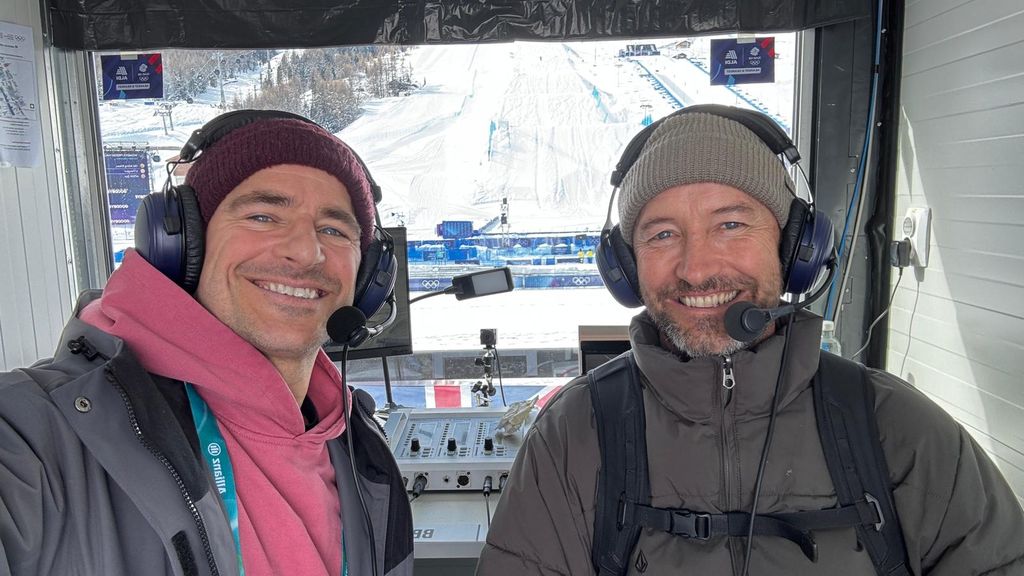
By choosing the Sud Tirol region as their base of operations, Leigh and Warwood are positioning themselves at the heart of the action. This proximity to the European ski circuit allows them to offer real-time insights, athlete interviews, and on-the-ground analysis that was previously restricted by the logistical limitations of studio-based production in London.
Industry analysts suggest that the "podcast-first" approach allows for a more direct connection with the audience. By stripping away the high overheads of television production, the duo can prioritize content depth over the rigid format requirements of broadcast schedules. This model has proven successful for other sporting pundits who have transitioned to independent digital platforms, allowing for greater creative autonomy and more frequent interaction with listeners.
The Broader Impact on the Winter Sports Community
The departure of Ski Sunday from the airwaves has left a palpable gap for the British public. The programme did more than report scores; it served as a cultural touchstone for the UK’s ski industry, driving participation and awareness of winter travel.
The concern among industry stakeholders is whether independent ventures can fill the gap left by a national broadcaster with the reach of the BBC. Chemmy Alcott, a legendary figure in British skiing and a former co-presenter on Ski Sunday, has been vocal about the necessity of maintaining a platform for the sport. Alcott is currently exploring alternative pathways to keep professional snowsports on free-to-air television or via dedicated digital channels, such as YouTube. Her advocacy highlights a wider concern regarding the visibility of winter sports, particularly as the UK faces a period of reduced mainstream coverage for non-Olympic disciplines.
The efforts of Leigh, Warwood, and Alcott illustrate a fragmented but potentially more specialized future for the sport. Rather than a single "home" for skiing, the community may see a rise in decentralized, personality-led platforms that cater to specific segments of the market, from competitive alpine racing to freestyle snowboarding.
Strategic Implications and Market Analysis
For the winter sports industry, the shift towards digital audio presents both challenges and opportunities. On the one hand, the loss of prime-time television exposure risks alienating the casual audience that only engaged with the sport during the winter months. On the other hand, a dedicated podcast provides a highly targeted environment for sponsors and travel partners, who have increasingly sought to reach enthusiasts through niche media channels.
The upcoming London press conference is expected to address how the pair plans to integrate these commercial realities into their editorial output. There is significant speculation that the podcast will feature high-profile guests, including current World Cup athletes and figures from the equipment manufacturing sector, further cementing its position as a "go-to" resource for the community.
From a data perspective, the engagement metrics of the former Ski Sunday audience suggest a demographic that is highly loyal and increasingly comfortable with digital-first content consumption. Statistics from the past five years show a consistent rise in the consumption of sports-related podcasts among 25-to-45-year-olds—the same demographic that formed the core viewership of the BBC programme. This demographic shift provides a solid foundation for the new project.
Professional Outlook and Future Expectations
As the industry looks toward the 2026/2027 season, the focus will be on whether the new venture can capture the spirit of its predecessor while carving out a distinct identity. The chemistry between Leigh and Warwood is well-documented, and their ability to blend technical knowledge with accessibility will be the primary metric for their success.
The wider winter sports industry, including tourism boards in the Alps and equipment brands, will likely watch the October 16th launch with interest. The success of this podcast could serve as a blueprint for other sports personalities who find themselves displaced by the consolidation of traditional broadcasting.
In the final analysis, while the end of Ski Sunday marks the conclusion of a significant era in British sports media, it also provides the necessary catalyst for evolution. The move to the Sud Tirol region, the emphasis on digital audio, and the commitment to a community-focused narrative suggest that the future of winter sports reporting will be leaner, more immediate, and increasingly reliant on the unique voices of its presenters.
PlanetSKI will continue to monitor the development of this project, with our reporters in attendance at the London press conference to provide full coverage of the official launch, the naming of the production, and the strategic roadmap for the upcoming winter season. As the snow begins to fall on the European resorts, the conversation surrounding the future of ski broadcasting is only just beginning, and it is clear that for Ed Leigh and Tim Warwood, the slope ahead is full of potential.

