
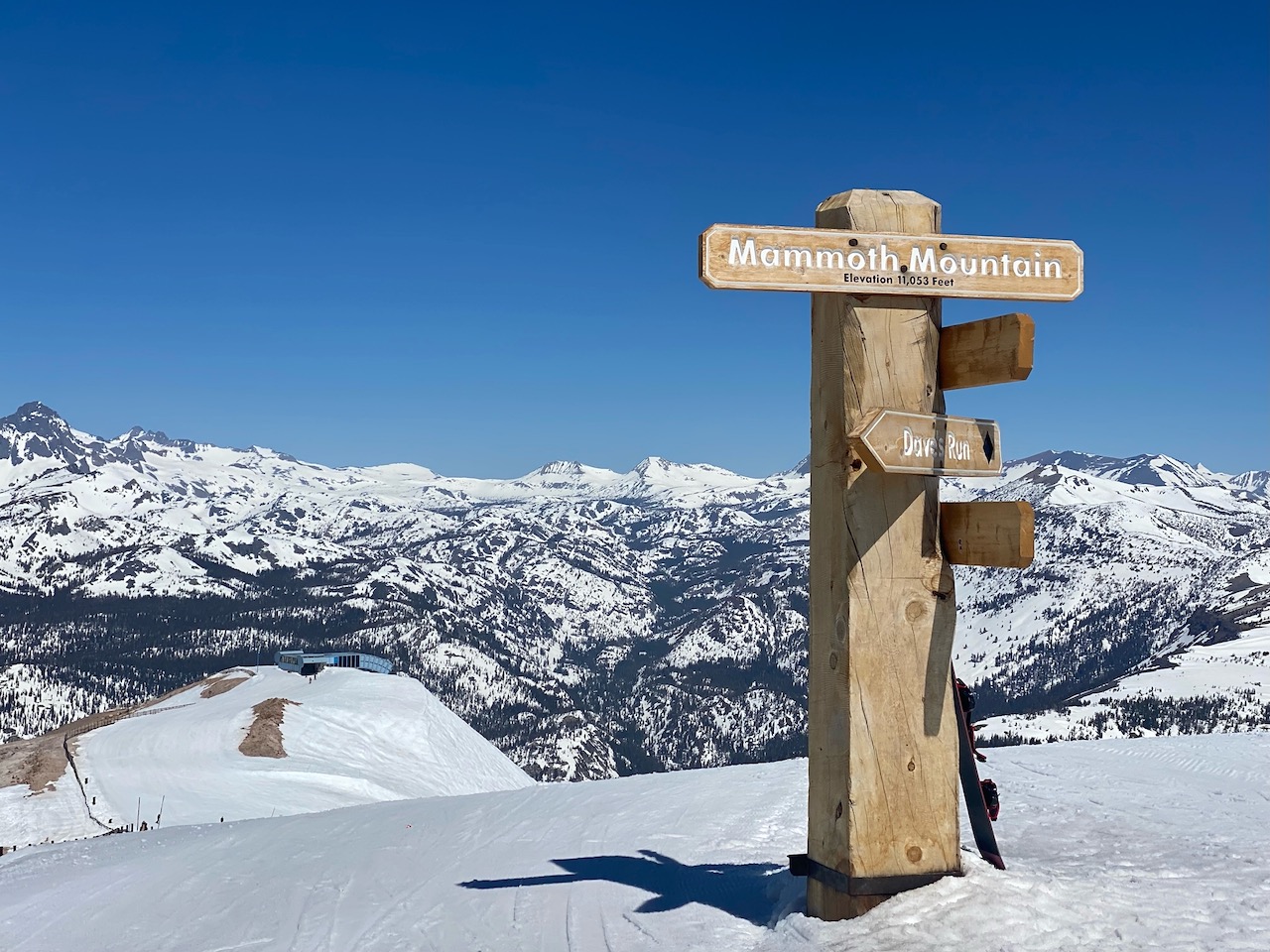
Mammoth Mountain has announced an extension of its ski and snowboard season, promising operations through at least May 31st, with hopes of extending into June. This decision comes as a welcome reprieve for snow sports enthusiasts, particularly in light of a generally poor winter for snowfall across Colorado, where Arapahoe Basin (A-Basin) concluded its season last weekend, marking the final resort closure in the state. The extended operational period at Mammoth is attributed to a robust spring with additional snowfall, maintaining excellent coverage on the upper mountain.
A Welcome Spring Extension for Mammoth Mountain
In a statement shared via Instagram, Mammoth Mountain conveyed its enthusiasm for continuing operations, stating, "We are so stoked to announce we are extending the season for you to soak up more spring laps. With coverage holding up great on the upper mountain, we are going to keep the lifts spinning daily for skiing & riding through May 31." This announcement offers a significant extension beyond the typical end-of-season timeframe for many resorts, underscoring the favorable conditions encountered in recent weeks.
The resort has outlined specific operational details for the extended period. Commencing May 26th, the Broadway Express, Face Lift Express, and Chair 23 will operate daily from 7:30 a.m. to 1:00 p.m. This schedule allows for ample spring skiing and riding opportunities, focusing on the upper mountain areas that have retained the best snowpack. The Main Lodge will remain open to support these operations, providing essential services including food and beverage, equipment rentals, repair services, and ski and snowboard lessons. This comprehensive offering ensures that visitors can fully enjoy their extended spring mountain experience.
Adding another layer to Mammoth’s spring offerings, the resort is set to open its bike park and golf courses on May 22nd. This dual opening provides a unique transition into the warmer months, allowing visitors to experience a different facet of the mountain’s recreational appeal. The juxtaposition of late-season snow sports with the opening of summer activities highlights Mammoth’s commitment to year-round engagement and its ability to adapt to changing seasonal conditions.
Colorado’s Season Concludes with A-Basin’s Farewell
In stark contrast to Mammoth’s extended operations, the Colorado ski season has officially drawn to a close with Arapahoe Basin’s final weekend of operation. A-Basin, renowned for its extended season and challenging terrain, concluded its operations last weekend, marking the end of the line for the state’s ski resorts. This closure is a direct consequence of a winter season that, for much of Colorado, fell short of typical snowfall averages.
The 2025-2026 winter season in Colorado was characterized by inconsistent snowfall patterns. While some resorts experienced brief periods of strong snow accumulation, the overall trend was one of below-average precipitation. This made it challenging for many ski areas to maintain consistent conditions and extend their seasons beyond their scheduled closures. A-Basin, historically one of the last resorts in North America to close, ultimately succumbed to the prevailing weather patterns, signaling the definitive end of the ski season for Colorado.
The Broader Context: A Challenging Snowfall Year
The 2025-2026 winter season has presented significant challenges for ski resorts across many regions, particularly in the Western United States. A confluence of factors, including El Niño-Southern Oscillation (ENSO) patterns and broader atmospheric circulation shifts, contributed to reduced snowfall in many traditional snowbelts. While the Pacific Northwest and parts of the Rockies saw some benefit, areas like California and the central Rockies experienced a notably drier winter than anticipated.
Data from various meteorological agencies indicated that snowfall totals for the 2025-2026 season were below historical averages for many key ski destinations. For instance, while specific state-wide figures for the entire season are still being compiled, early reports from the Colorado Climate Center and the California Department of Water Resources suggested deficits in snowpack accumulation in critical months. This has had a direct impact on resort operations, forcing some to shorten their seasons or reduce open terrain earlier than planned.
The economic implications of a poor snowfall year are substantial for mountain communities. Ski resorts are significant economic drivers, supporting local businesses, employment, and tourism. A shorter or less successful season can lead to reduced revenue, impacting everything from lift ticket sales and lodging to retail and dining. Resorts that are heavily reliant on natural snowfall, as opposed to those with extensive snowmaking capabilities, are particularly vulnerable.
Mammoth Mountain’s Strategic Advantage and Operational Adaptability
Mammoth Mountain’s ability to extend its season highlights several key factors. Its high elevation is a critical asset, allowing it to retain snowpack longer into the spring. The resort’s geographical location in California also positions it to benefit from late-season storm systems that can sometimes sweep in from the Pacific. Furthermore, the reported "good spring with further snowfall" indicates a favorable weather pattern in the final weeks of the operational period, a fortunate turn of events that not all resorts have experienced.
The resort’s proactive communication, as evidenced by its Instagram announcement, plays a vital role in managing customer expectations and fostering a sense of community. By providing clear updates on operational status and future plans, Mammoth cultivates loyalty and encourages continued visitation. The announcement of the bike park and golf course openings also demonstrates a strategic approach to maximizing revenue streams and offering diverse recreational opportunities beyond the traditional ski season. This diversification is a growing trend among resorts looking to build resilience against variable winter conditions.
Looking Ahead: The Future of Skiing in a Changing Climate
The challenges faced by resorts like A-Basin in Colorado during the 2025-2026 season serve as a potent reminder of the evolving climate and its impact on snow sports. Climate change projections suggest that winters may become warmer and less predictable in many regions, leading to increased variability in snowfall and a potential reduction in the length of ski seasons.
This trend necessitates a strategic adaptation from the ski industry. Resorts are increasingly investing in snowmaking technology to supplement natural snowfall, optimizing water usage and energy efficiency. Diversifying revenue streams, as Mammoth has done with its summer activities, is another crucial strategy. Furthermore, the industry is becoming more vocal about sustainability and the need for broader climate action.
The contrast between Mammoth Mountain’s extended season and the closure of Colorado’s last resort, A-Basin, encapsulates the diverse realities of the 2025-2026 winter. While some resorts, due to location, elevation, and favorable late-season conditions, can offer extended enjoyment, others are subject to the stark realities of a challenging snow year. The future of skiing will undoubtedly involve continued adaptation, innovation, and a heightened awareness of environmental factors.
North American Resorts with Extended Seasons (As of Late May 2026)
While Mammoth Mountain stands out for its extended operations, a handful of other resorts across North America typically remain open for skiing and snowboarding well into May and sometimes even June, depending on snow conditions and operational decisions. These resorts often share similar characteristics, including high elevation, significant annual snowfall, and a commitment to maximizing their operational season.
USA:
- Palisades Tahoe (California): Historically known for its late-season operations, especially on the upper mountain areas like the Headwall and KT-22, Palisades Tahoe often extends its season into late May or early June. Its high elevation and significant snowfall contribute to this capability.
- Timberline Lodge (Oregon): Located on Mount Hood, Timberline Lodge is famous for its year-round skiing, with its summer ski camp being a long-standing tradition. While its terrain availability fluctuates, it often offers skiing well into the summer months.
- Big Sky Resort (Montana): While Big Sky’s main season typically concludes in mid-April, its high elevation and significant snowfall can sometimes allow for limited spring operations or early season openings that bleed into late spring.
Canada:
- Whistler Blackcomb (British Columbia): Whistler Blackcomb, particularly through its Horstman Glacier, offers skiing well into the summer months, typically closing for the summer season in August. This makes it one of the premier destinations for year-round snow sports in North America.
- Sunshine Village (Alberta): Located in Banff National Park, Sunshine Village often extends its season into late May due to its high elevation and consistent snowfall, making it one of Canada’s last-closing resorts.
These examples underscore the geographical and climatic factors that contribute to extended ski seasons. Resorts that can capitalize on high altitudes, receive substantial natural snowfall, and possess robust snowmaking capabilities are better positioned to offer longer operational periods, thereby catering to a dedicated segment of snow sports enthusiasts. The continued success of these resorts in extending their seasons highlights their resilience and strategic planning in the face of variable winter conditions.

