
A roughly 300-pound black bear was humanely euthanized in Durango, Colorado, over the weekend after wildlife officers discovered that its stomach and upper intestine were completely obstructed by ingested household refuse. The incident, handled by Colorado Parks and Wildlife (CPW), serves as a sobering reminder of the lethal dangers unsecured trash poses to local wildlife, particularly during a grueling year marked by severe environmental stressors and widespread natural food shortages across the region.
The discovery was made after local authorities received an urgent dispatch regarding a distressed animal. As climate pressures continue to alter natural foraging patterns, human-wildlife conflicts have intensified, forcing state agencies and local municipalities to enforce stricter containment protocols and levy heavier fines for non-compliance.
Discovery and Veterinary Assessment in Durango
The sequence of events began on a Saturday behind a residential property located on Delwood Avenue in Durango. Residents alerted Colorado Parks and Wildlife after encountering a large male black bear that appeared profoundly lethargic, unresponsive to human presence, and visibly distressed.
District Wildlife Manager Luke Clancy responded to the scene and found the roughly 18-year-old bear exhibiting alarming symptoms. The animal was severely bloated and in visible agony, restricted in its movement to minimal, awkward pivots from side to side while emitting audible moans. Recognizing the animal’s critical condition, officers immobilized the bear with a tranquilizer dart to conduct a thorough physical and health assessment. Following a joint evaluation, three CPW officers determined that the bear’s condition was irreversible and that euthanasia was the only humane course of action to end its suffering.

A subsequent field necropsy laid bare the horrific reality behind the bear’s decline. Upon opening the animal, wildlife officials discovered that its stomach and upper intestine were entirely blocked by ingested human garbage. The obstruction included intact plastic garbage bags and a minimum of ten non-flushable cleaning wipes. Furthermore, an examination of the lower intestine revealed it to be completely empty, confirming that the severe internal blockage had completely halted the digestive process and caused a fatal obstruction.
According to CPW records, the bear was a familiar subject to researchers, having last been documented during a wildlife study back in 2012. In the decade and a half since that initial sighting, the mature male had maintained a clean record, showing no prior history of nuisance behavior or conflicts with humans until its tragic final weeks.
Chronology of Conflict: From Home Invasions to Fatal Blockage
Wildlife officials have pieced together a timeline that suggests this particular bear had grown desperate due to its inability to find sustenance in its natural habitat. Investigators believe the same animal was responsible for breaking into multiple residential homes in the Durango area approximately one month prior to its death.
During those previous incidents, homeowners captured photos and video footage of the intruder. Upon reviewing this digital media following the bear’s euthanasia, CPW officials confirmed that the physical characteristics and markings matched the animal found on Delwood Avenue. This timeline highlights a dangerous behavioral shift often observed in food-conditioned wildlife: desperate animals transition from scavenging outdoor bins to actively breaching human dwellings in search of high-calorie rewards, ultimately leading to dangerous encounters and, in this case, fatal internal injuries.
Environmental Pressures: Drought and Natural Food Shortages
The underlying catalyst for the bear’s tragic end lies in a compounding series of environmental challenges that have severely impacted southwestern Colorado. A severe late-spring frost dealt an immediate blow to budding natural food sources, wiping out crucial seasonal calories. This agricultural setback was closely followed by a prolonged, historic drought that devastated wild berry crops, mast production, and herbaceous vegetation at elevations below 7,500 feet.
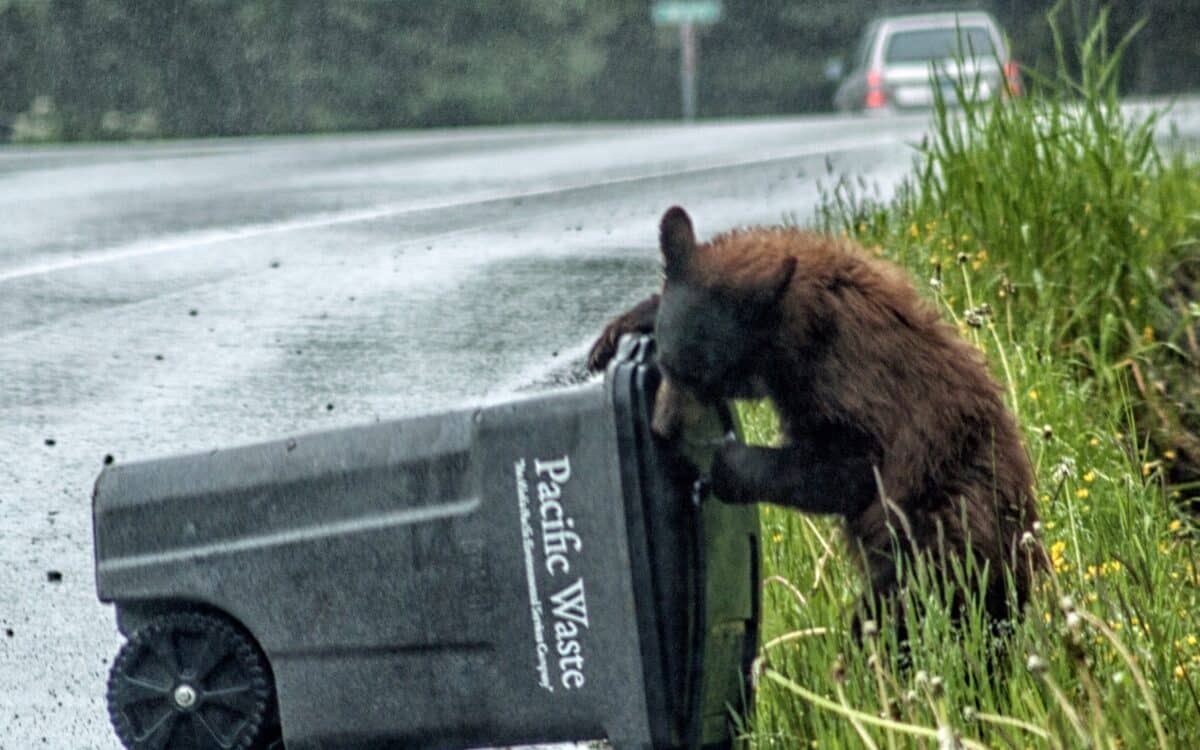
Black bears depend heavily on high-calorie natural foods during the late summer and autumn months to build up critical fat reserves for winter hibernation. When these natural forage options fail, bears are forced to expand their home ranges and venture deeper into urban and suburban interfaces. Residential neighborhoods, with their abundant and easily accessible supplies of unsecured garbage, pet food, and bird seed, become irresistible magnets for starving animals.
Colorado Parks and Wildlife officials have repeatedly emphasized that these systemic food shortages create a high-risk environment. When natural resources plummet, the margin for error shrinks dramatically, making community-wide adherence to wildlife-proofing measures a matter of life and death for the local bear population.
Legislative Crackdowns and Stricter Penalties in Colorado
In response to escalating conflicts and preventable wildlife mortalities, state and local authorities have systematically tightened regulations governing waste management and human-wildlife interactions.
The City of Durango maintains strict ordinances requiring all residents and business owners to secure their trash and recycling containers in certified, wildlife-resistant enclosures. Failure to comply with these local containment laws carries immediate financial consequences, resulting in a $100 fine for a first-time violation, which doubles to $200 for subsequent offenses.
On a broader scale, the State of Colorado enacted enhanced legislative protections under state wildlife statutes. Taking effect on August 12, these updated laws strictly prohibit individuals from placing food, garbage, or other edible waste in the open under circumstances where there is a reasonable probability of luring a wild bear or other large mammals. Most notably, the legislative updates significantly raised the stakes for repeat offenders, increasing the maximum fine for a third or subsequent violation to a staggering $5,000.
Lawmakers and wildlife advocates argue that these steep financial penalties are necessary to compel compliance among negligent property owners and commercial entities whose poor waste management habits directly endanger both public safety and native fauna.
Broader Implications and Official Recommendations from CPW
The preventable death of the 18-year-old Durango bear underscores a broader, systemic challenge facing conservationists across the American West: balancing human expansion with the preservation of native wildlife corridors. When animals like this mature male succumb to artificial obstacles—such as plastic bags and cleaning wipes—it reflects a systemic failure in community stewardship.
Colorado Parks and Wildlife is leveraging this incident to issue an urgent statewide appeal to residents, visitors, and commercial enterprises living within bear country. Officials urge the public to adopt rigorous preventative protocols, which include:
- Securing all garbage in certified bear-resistant containers and putting bins out only on the morning of collection.
- Removing or suspending bird feeders entirely during active bear seasons.
- Storing pet food exclusively indoors and keeping livestock feed locked in secure sheds.
- Thoroughly cleaning outdoor barbecues and grills after every use to eliminate lingering food odors.
- Promptly communicating and alerting neighbors whenever bear activity or unsecured garbage is observed in the vicinity.
As climate volatility continues to strain natural ecosystems, the intersection of human habitation and wildlife territory will remain a flashpoint for conflict. Experts warn that unless communities commit to proactive waste management, incidents involving the unnecessary loss of iconic wildlife like the Durango black bear will continue to rise, threatening the delicate balance of Colorado’s natural heritage.

