
The 2026 Australian ski season has effectively reached an early and difficult conclusion, marked by a series of premature resort closures and significantly reduced terrain across the Snowy Mountains and the Victorian Alps. As of September 10, 2026, the industry is grappling with the aftermath of what is officially recognized as the warmest winter on record, a climactic anomaly that has decimated snowpacks and forced operators to shutter operations weeks ahead of their traditional late-September schedules.
While major destinations including Perisher, Thredbo, and Mount Buller remain operational, their offerings are severely restricted. The current state of the industry stands as a stark indicator of the intensifying challenges posed by a changing climate, with five smaller resorts already having ceased operations entirely due to a combination of negligible natural snowfall and sustained, unseasonable heat.
A Chronology of a Failed Season
The 2026 season began with guarded optimism, as the June long weekend saw the traditional opening of the slopes. However, the meteorological narrative quickly shifted. By mid-July, the lack of significant cold fronts became apparent, as temperatures hovered consistently above historical averages. Unlike previous years, where precipitation levels were the primary concern, the 2026 winter was characterized by "wet but warm" conditions.
Throughout August, the situation deteriorated. Frequent rain events washed away early-season accumulations, preventing the formation of a sustainable base. By late August, several smaller resorts in New South Wales and Victoria announced that they would not be reopening, citing the financial and operational impossibility of maintaining safe conditions. As of September 10, the industry is in a state of consolidation, with only the largest, most technologically equipped resorts attempting to provide limited access to the remaining patches of snow.
The Science Behind the Melt: El Niño and Climate Change
The catastrophic nature of this winter has prompted urgent analysis from the scientific community. Dr. Andrew Watkins, a prominent climate scientist and adjunct professor at Monash University, has categorized the season as a "shocker." According to Dr. Watkins, the convergence of a persistent El Niño event and the broader, underlying trend of anthropogenic climate change created a "perfect storm" for the Australian alpine environment.
"The problems were El Niño and climate change," Dr. Watkins noted. "It was not that dry this year, but the problem was the warmth. The heat just did us in."
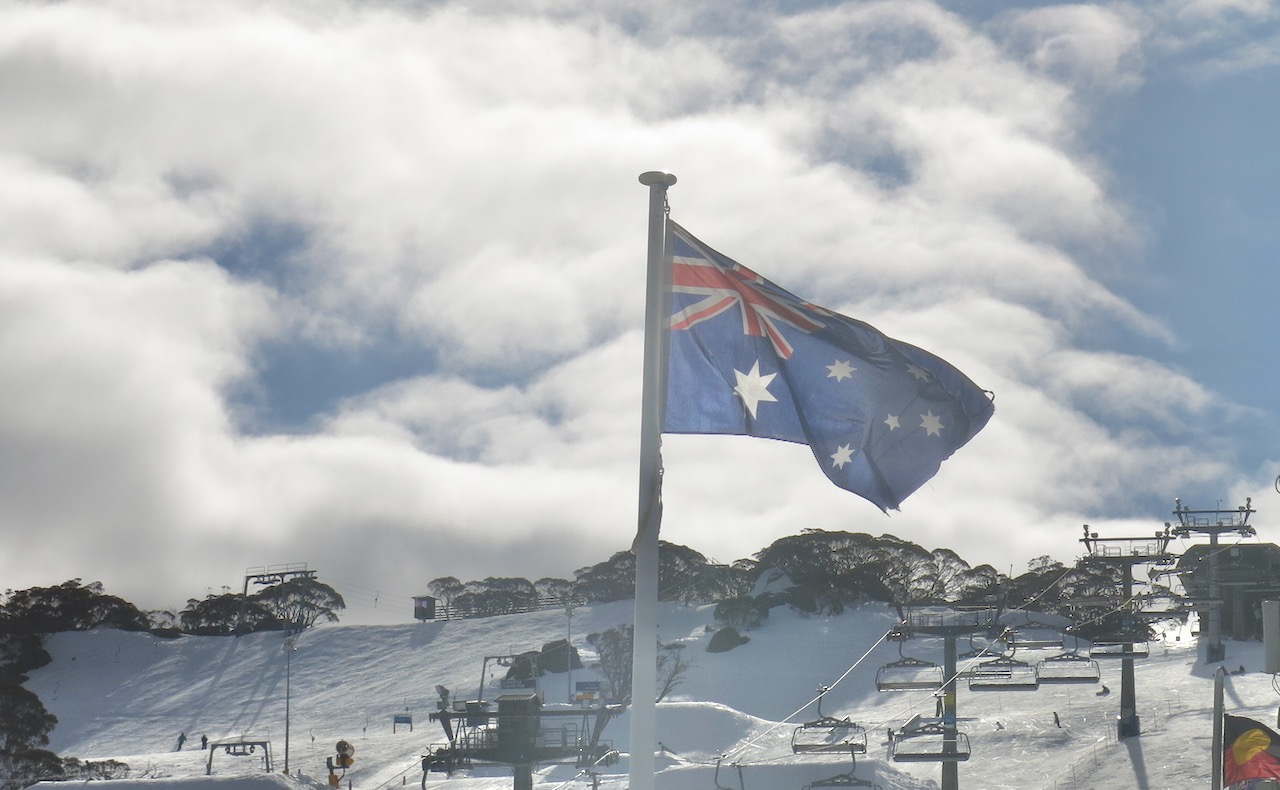
The data suggests that the impact has been unevenly distributed by altitude. The highest-elevation resorts, which typically rely on a mix of natural and machine-made snow, have experienced their worst snowfall totals in two decades. For the lower-altitude resorts, the statistics are even more grim, representing the lowest snow accumulation levels since record-keeping began in the region. This trend aligns with long-term climate projections for the Australian Alps, which forecast a steady contraction of the "snow line"—the elevation above which snow can persist throughout the season—as average winter temperatures continue to climb.
The Role of Technological Intervention
In the face of these environmental pressures, the Australian ski industry has pivoted toward high-tech solutions to survive. Snowmaking has evolved from a supplementary tool to a foundational pillar of the industry. Josh Elliott, CEO of Snow Resorts Australia, emphasized that the industry has been preparing for these conditions for over three decades.
"Snowmaking has been a core component of the Australian snow experience for more than 35 years," Elliott stated. "New technology, including All-Weather Snowmaking Systems, now allows resorts with these systems to produce snow in ambient temperatures of up to +20C."
Despite these advancements, the sheer duration and intensity of the 2026 heat have pushed these systems to their physical and financial limits. While the ability to produce snow in warmer temperatures provides a crucial lifeline for the industry, the energy costs associated with such intensive production are significant. Furthermore, the reliance on these systems raises questions about the long-term economic sustainability of the industry if energy prices remain volatile and the climate continues to warm at current rates.
Economic and Environmental Implications
The implications of the 2026 season extend far beyond the slopes. The ski industry is a vital economic engine for rural communities in the Snowy Mountains and the Victorian Alps, supporting thousands of seasonal jobs and contributing millions of dollars to the regional economy. Early closures have a cascading effect, impacting hospitality, retail, and transportation sectors that rely on the influx of winter tourism to sustain their operations through the slower spring and autumn months.
Furthermore, the environmental implications are profound. The loss of snow cover has a direct impact on alpine biodiversity. Many native species in the Australian high country are uniquely adapted to the winter snowpack. When the snow disappears early or fails to arrive, these species are left vulnerable to fluctuating temperatures and habitat disruption. The "Protect Our Winters" campaign, for which Dr. Watkins serves as a science advisor, has consistently highlighted that the decline of the snow industry is inextricably linked to the broader health of the Australian alpine ecosystem.
Analysis of Future Resilience
Looking forward, the 2026 season serves as a sobering case study for resort operators and policymakers. The trend of "disappointing" seasons—this being the fourth such occurrence since 2020—suggests that the industry is transitioning into a new, more volatile era.

Strategies for adaptation are now at the forefront of boardroom discussions. These include:
- Diversification of Tourism: Moving away from a "winter-only" model by investing in mountain biking, hiking, and alpine events during the warmer months to buffer against the unpredictability of snowfall.
- Infrastructure Upgrades: Continued investment in energy-efficient snowmaking technology that can operate under increasingly marginal conditions.
- Policy Engagement: Increasing advocacy for climate mitigation strategies, as the industry recognizes that its long-term viability is dependent on global efforts to curb temperature rise.
- Operational Flexibility: Adopting more agile business models that allow for rapid adjustments to staffing and terrain management based on short-term meteorological forecasting.
A Turning Point for Australian Snowsports
As the season enters its final, truncated days, the mood in the Australian ski community is one of reflection. The 2026 winter will likely be remembered as a pivot point—a year where the limitations of traditional snow sports were laid bare by the realities of a changing climate.
While the major resorts continue to operate, the focus has shifted from expansion to preservation. The industry, led by entities like Snow Resorts Australia, is attempting to project a narrative of resilience, emphasizing the continued availability of snowplay and limited skiing in NSW, Victoria, and the ACT. However, the reality of the record-breaking warmth remains an undeniable challenge that will require more than just technological fixes to overcome.
For the thousands of enthusiasts, staff members, and local business owners affected by this season, the coming months will be a time for evaluating the future. The data is clear: the environment in which Australian winter sports operate is changing rapidly. Whether the industry can continue to thrive in the face of these pressures will depend on its ability to reconcile the traditional experience of the Australian Alps with the demanding requirements of a new climatic reality.
As the snow melts and the resorts look toward the 2027 season, the lessons of 2026—a winter defined by heat, resilience, and uncertainty—will undoubtedly serve as the blueprint for the years ahead. The industry stands at a crossroads, and the decisions made in the coming months will determine whether the Australian winter experience can endure or if it must fundamentally reinvent itself for a warmer world.

