
Steamboat Ski Resort in Colorado is undertaking a major engineering overhaul of Mavericks Halfpipe in Bashor Bowl, leveraging an unconventional resource to achieve unprecedented operational efficiencies. By utilizing thousands of cubic yards of earth excavated from the construction site of the upcoming luxury development, The Stockman, Auberge Collection, resort operations teams are permanently reshaping the halfpipe’s underlying foundation. According to capital investment disclosures released by parent company Alterra Mountain Company, this earthwork-focused redesign is projected to slash the total volume of natural and machine-made snow required to build the massive freestyle feature by 60 percent.
The initiative, which is already well underway ahead of the upcoming winter season, represents a significant shift in how modern ski resorts approach terrain park maintenance. Traditionally, halfpipes are built almost entirely from scratch each autumn, requiring immense outlays of water, electricity, and man-hours to blow and shape millions of gallons of snow over barren terrain. By establishing a permanent, precisely graded earthen core, Steamboat is fundamentally altering the mathematics of park preparation. While specialized snow-grooming machinery and precision cutting reels—such as those manufactured by industry specialists like ZAUGG—will still be required to carve the final riding surface, the sheer volume of base snow needed before the shaping process can begin is drastically reduced.
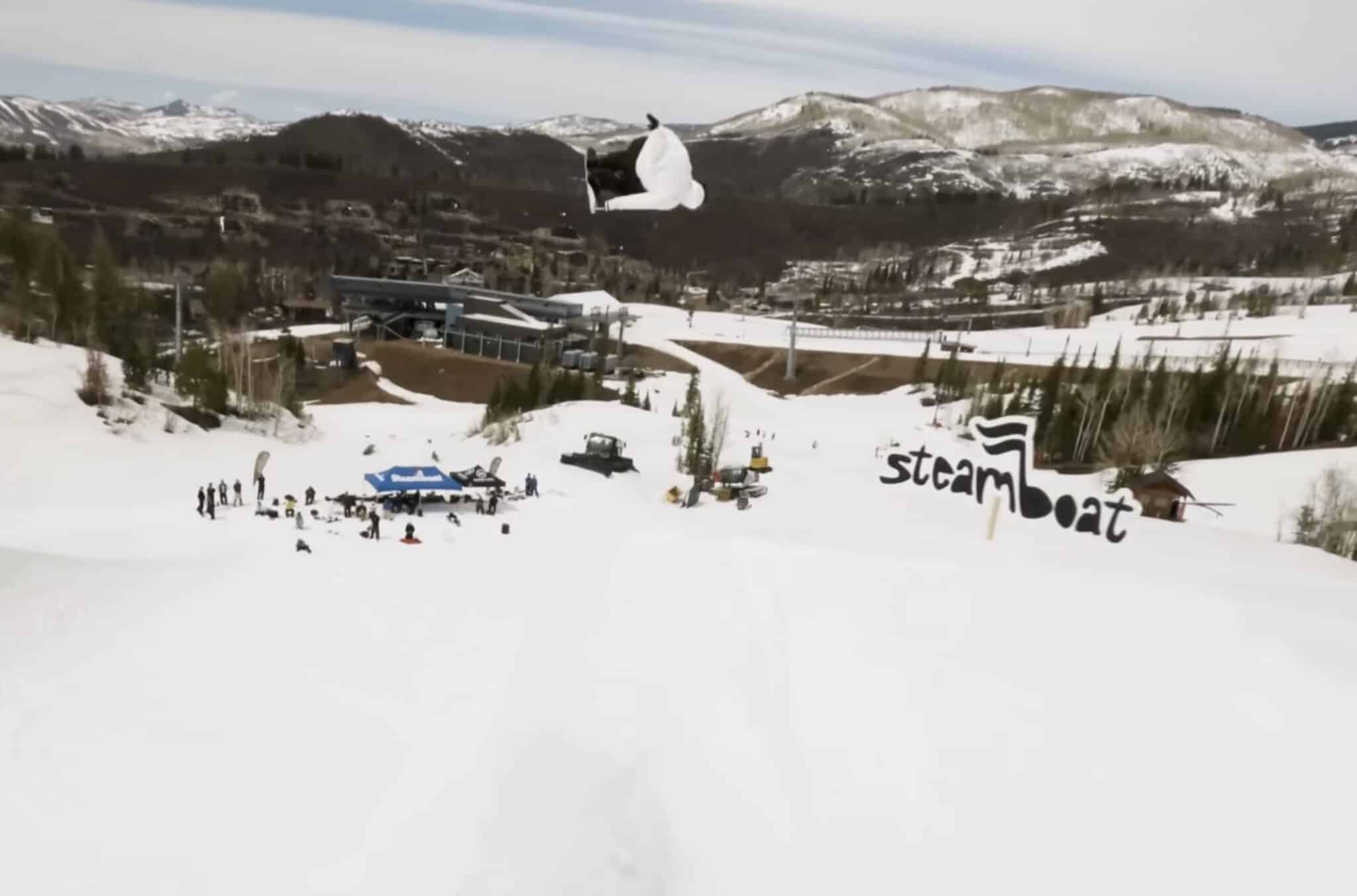
The symbiotic relationship between the halfpipe overhaul and base-area real estate development highlights an evolving trend in mountain resort management: circular resource utilization. The Stockman, Auberge Collection, a high-profile ski-in, ski-out hotel and residential project slated for a grand opening in 2030, is currently generating massive amounts of subterranean material during its foundational excavation phase. Rather than hauling this excess dirt off-site or burying it elsewhere, resort planners identified a strategic opportunity to redirect the material up the mountain to Bashor Bowl. This inter-project resource sharing not only minimizes trucking logistics and environmental footprints but also provides a permanent structural upgrade to one of Steamboat’s premier freestyle zones without necessitating dedicated mining or grading operations for the park itself.
The structural reinvention of Mavericks Halfpipe holds substantial implications for the resort’s competitive positioning and its vast community of skiers and snowboarders. Mavericks stands as Steamboat’s largest terrain park, serving as a primary progression hub for advanced and elite riders before they transition to even larger backcountry or specialized features. Historically, the immense snow-making requirements of the halfpipe meant that it was frequently among the last major park features to open reliably, heavily dependent on sustained early-season sub-freezing temperatures and heavy natural snowstorms.
By shrinking the snow footprint by 60 percent, Steamboat’s park crew aims to dramatically accelerate the opening timeline of the halfpipe, offering athletes earlier access to high-caliber training facilities. While Alterra Mountain Company’s announcements have refrained from locking in a definitive calendar date for the halfpipe’s opening during the 2026–27 season, the operational flexibility gained through the earthwork foundation ensures that the resort is far less vulnerable to early-season warm spells and delayed snowmaking windows. This operational resilience is particularly critical as winter tourism destinations across North America grapple with weather volatility and the escalating costs of water and energy resources.
The timeline of the project reflects a coordinated multi-year capital allocation strategy. The overarching funding for the halfpipe modernization falls under Alterra Mountain Company’s substantial $350 million capital improvement investment program earmarked across its family of destinations for the 2026–27 operating cycle. Initial planning and topographical surveying of Bashor Bowl began months prior, aligning with the early-stage site prep for The Stockman at the resort’s base. By early September, heavy machinery was actively hauling excavated material up the mountain, a phase documented extensively through Steamboat’s internal construction updates and local resort communications.
From an economic and environmental perspective, the reduction in snow-making demand translates directly into resource conservation, though precise metrics regarding electricity and water savings have not been officially quantified by resort executives. However, industry analysts note that reducing snow gun run-times by over half for a feature as massive as a regulation halfpipe yields immediate savings in power grid strain, diesel fuel consumption for grooming fleets, and labor hours. Water conserved during the early-season snowmaking window can remain in local watersheds longer or be conserved for later months when natural precipitation declines.
Furthermore, the project reinforces Steamboat’s legacy as a premier destination for progressive freestyle skiing and snowboarding. The halfpipe has historically served as a creative testing ground not just for recreational park riders, but for elite professionals. World-class athletes, such as Taylor Gold and his contemporaries, have routinely utilized Steamboat’s pipe infrastructure to push the boundaries of halfpipe design and freestyle progression, often collaborating directly with the resort’s mountain operations and terrain park crews to host specialized sessions. Ensuring that this facility opens earlier and remains stable throughout fluctuating winter temperatures solidifies Steamboat’s status as a premier training ground for competitive winter athletes.
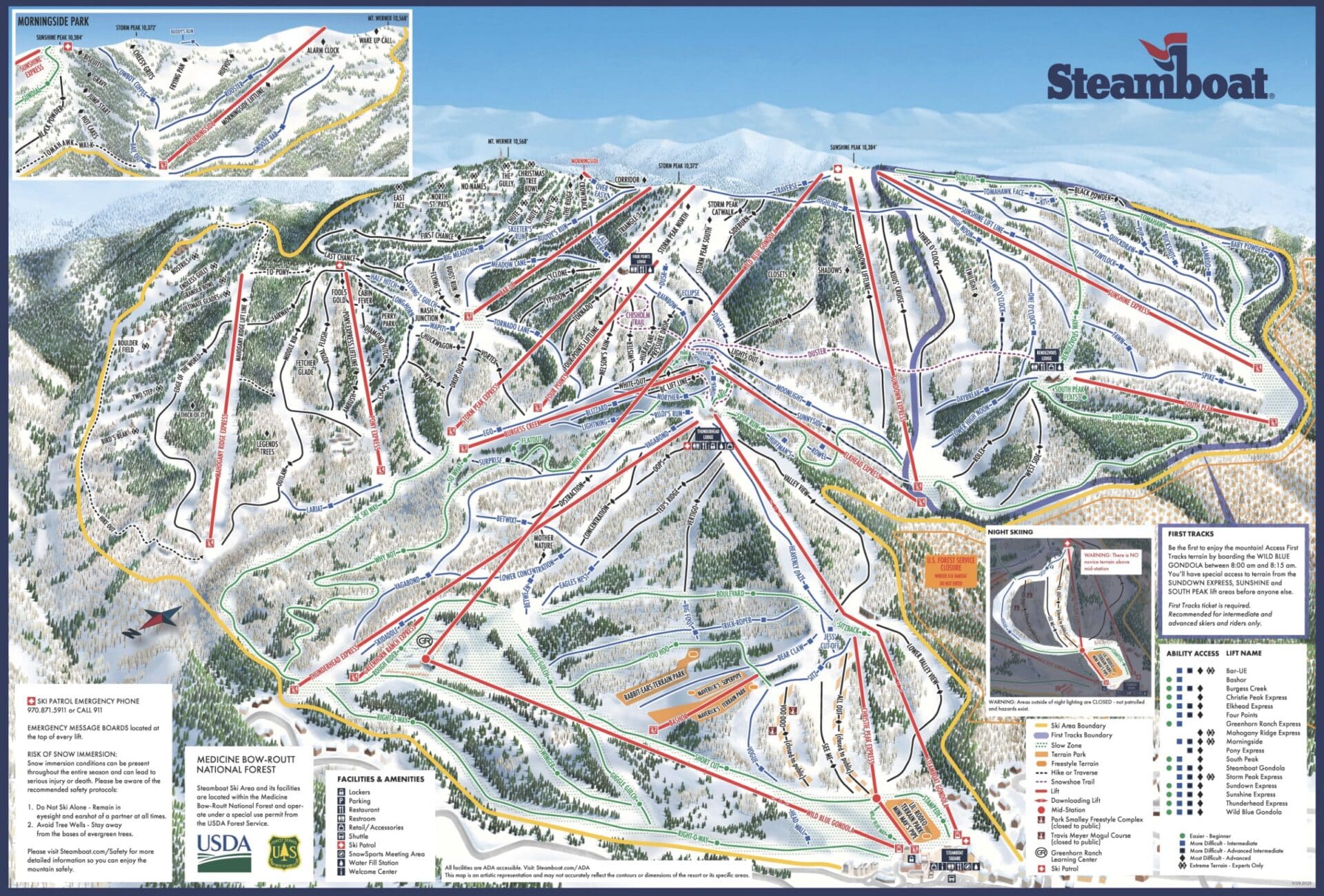
Ultimately, the transformation of Mavericks Halfpipe illustrates a broader paradigm shift in mountain operations: the recognition that the future of snow sports relies as much on subterranean engineering as it does on atmospheric snowfall. By anchoring the resort’s freestyle offerings in permanent earthwork rather than ephemeral snow structures, Steamboat is pioneering a more sustainable, efficient, and reliable model for terrain park management. As the winter season approaches, the success of this innovative rebuild will likely be closely watched by resort operators across the globe seeking to balance rider demands with environmental and economic realities.

