
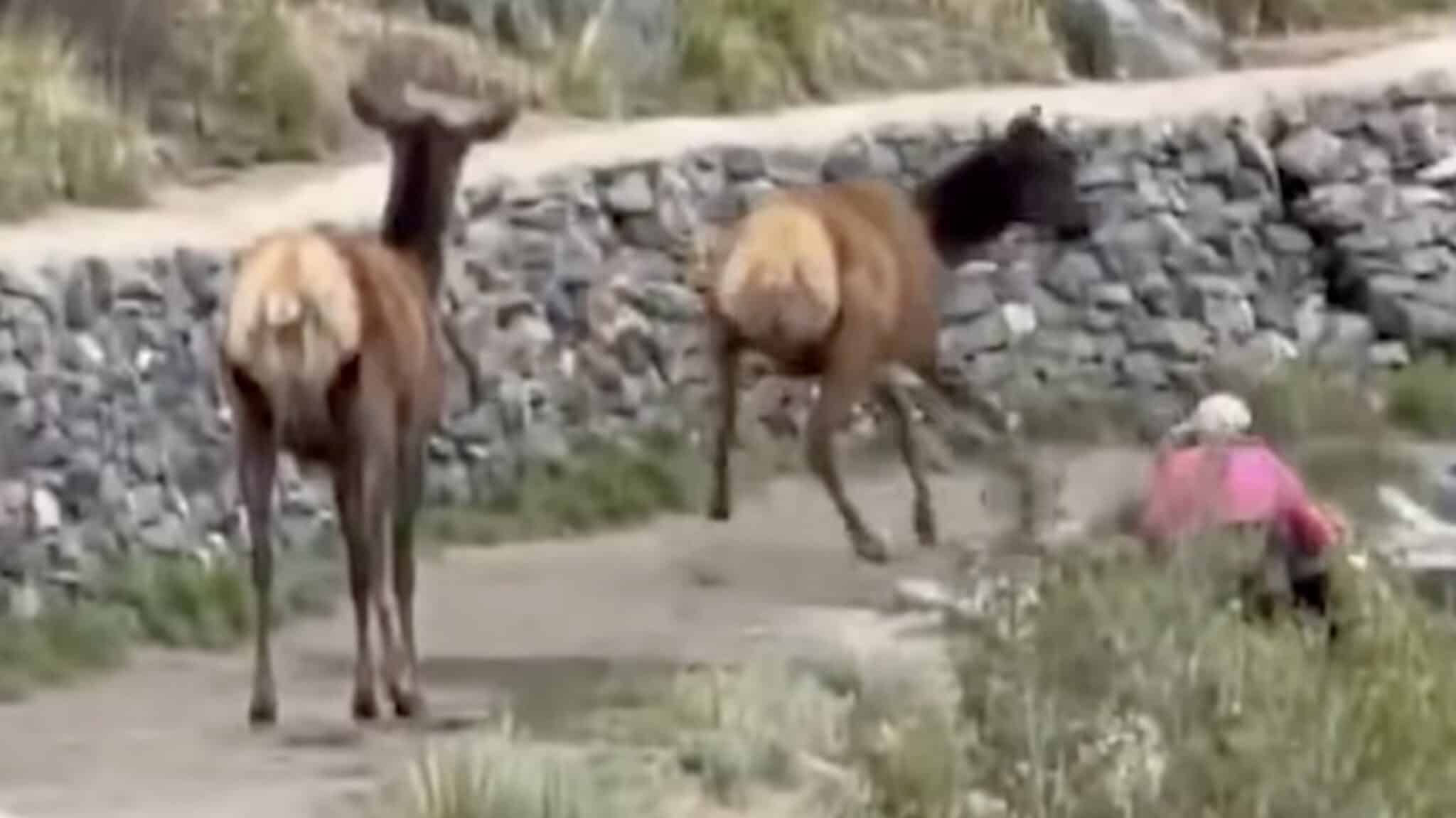
A recent incident in Evergreen, Colorado, where a cow elk aggressively charged a woman and her dog, serves as a stark reminder of the potential dangers posed by wildlife, particularly during sensitive periods like calving season. The encounter, captured on video, highlights the critical importance of respecting wildlife boundaries and understanding their behavior, especially in areas where human and animal populations increasingly intersect. While the woman was fortunate to escape unharmed by seeking refuge in a nearby body of water, the event underscores a recurring challenge for communities coexisting with abundant elk populations in Colorado.
The Colorado Elk Population: A Dominant Force
Colorado boasts the largest elk population in the United States, with estimates in the mid-2020s reaching approximately 280,000 individuals. These majestic animals are a defining feature of the state’s mountainous landscapes, frequently observed foraging in meadows and the alpine tundra. Elk often congregate in large herds, sometimes numbering several hundred, and their primary diet consists of grasses. While the fall rut, a period of intense competition among bull elk for mates, is widely recognized for its potential for aggressive encounters, the spring calving season presents a different, yet equally significant, set of risks.
Calving Season: A Time of heightened Maternal Defense
During spring, cow elk become fiercely protective of their newborn calves. Their maternal instincts drive them to perceive almost anything as a potential threat to their vulnerable offspring. This heightened state of vigilance can lead to aggressive displays, including charging, kicking, and goring, directed at anything that comes too close, be it other animals or unsuspecting humans. Unlike the more predictable territorial aggression of bulls during the rut, the defensive actions of a cow elk are primarily driven by the urgent need to safeguard her young.
The Evergreen Incident: A Vivid Demonstration of Risk
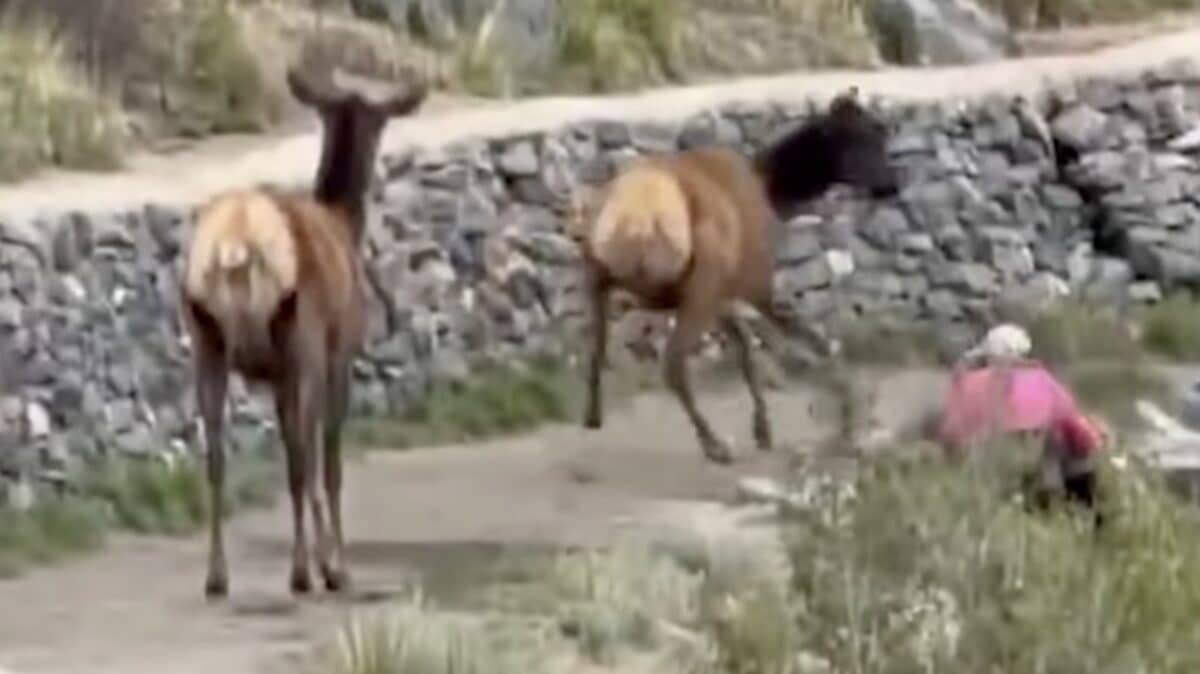
The video footage shared by Fox31 from Evergreen, Colorado, vividly illustrates the dangers of underestimating a protective mother elk. The clip shows a cow elk charging a woman and her dog, forcing the woman to quickly seek safety by submerging herself in a nearby body of water. Although the woman escaped physical injury, the incident serves as a powerful, real-world demonstration of why caution and awareness are paramount when encountering elk in their natural habitat. The video quickly circulated, prompting renewed discussions about wildlife safety protocols.
Official Warnings and Community Concerns
The threat posed by elk during calving season is not limited to isolated incidents. The town of Estes Park, situated further north in Colorado and known for its substantial elk presence, has issued public advisement regarding this critical period. Officials urge residents and visitors alike to strictly adhere to "trail closed" signage and to remain vigilant, particularly in residential areas. Reports have emerged of individuals being injured simply by stepping outside their homes, inadvertently finding themselves positioned between a cow elk and her calf. These instances highlight the pervasive nature of elk presence and the unpredictable scenarios that can arise.
Best Practices for Safe Wildlife Encounters
Wildlife authorities and local communities consistently advocate for a proactive approach to ensuring safety when in elk territory. Key recommendations include:
- Maintain a Safe Distance: Always provide elk with ample space. Observing them from a considerable distance is crucial for both your safety and the well-being of the animals.
- Stay Aware of Surroundings: Be attentive to your environment at all times. Elk can be surprisingly elusive and may be present in areas you least expect. The presence of a cow and calf can significantly increase the risk of an aggressive encounter.
- Secure Pets: Dogs, in particular, can inadvertently provoke wildlife. It is imperative to keep pets leashed at all times and to prevent them from barking at, lunging towards, or chasing any wild animals. Even a seemingly harmless interaction can trigger a defensive response from wildlife.
- Recognize Warning Signs: If an elk appears to be watching you, exhibits signs of agitation, or seems "jumpy" when you move, it is an unmistakable indication that you are too close. In such situations, slowly and calmly back away to de-escalate the potential for conflict.
Broader Implications for Wildlife Coexistence
Incidents like the one in Evergreen have broader implications for how humans coexist with wildlife in increasingly developed areas. As human populations expand into natural habitats, the frequency of human-wildlife encounters is likely to increase. This necessitates a continuous effort to educate the public about wildlife behavior and safety, alongside robust management strategies by wildlife agencies. The economic impact on tourism, which often relies on the appeal of abundant wildlife, also plays a role. Ensuring public safety while preserving natural habitats and wildlife populations is a delicate balancing act.
The Role of Education and Preparedness
The Estes Park Police Department, among other local authorities, actively disseminates information on elk safety. Their guidelines typically emphasize:
- Respecting Wildlife: Understanding that elk are wild animals and should be treated with caution and respect.
- Avoiding Feeding: Never feed elk, as this can lead to habituation and increase the likelihood of negative interactions.
- Leashing Pets: Reinforcing the importance of leashed pets to prevent provocations.
- Heeding Warning Signs: Emphasizing compliance with posted closures and warnings.
- Maintaining Distance: Reiterating the fundamental principle of giving wildlife plenty of space.
The video from Evergreen serves as a potent educational tool, reinforcing the messages disseminated by wildlife officials. It highlights that even in seemingly routine activities like walking a dog, the potential for danger exists, and preparedness is key. The incident is likely to spur further community discussions and reinforce existing safety advisories, aiming to prevent future injuries and promote harmonious coexistence between humans and the iconic elk of Colorado. The continued presence of a thriving elk population is a significant ecological and cultural asset, but its appreciation must be tempered with a deep understanding of their behavior and a commitment to responsible interaction.

