
Ski racing is often characterized by the cold, clinical isolation of the start gate: one athlete, one icy ribbon of mountain, and a clock that waits for no one. Yet, for eight rising stars within the Stifel U.S. Ski Team program, the path to the podium is paved with a shared history. These athletes are not just teammates; they are siblings navigating the high-stakes, high-pressure world of professional alpine racing, where the person you most want to see succeed is also the person most capable of displacing you on the leaderboard.
This unique phenomenon—comprising the Moritz twins, the Bocock sisters, the Grosdidier sisters, and the Palmquist brothers—offers a fascinating case study in sports psychology and performance development. While individual talent remains the prerequisite for success, these pairings are discovering that the sibling bond provides a level of emotional stability and technical accountability that standard coaching and peer relationships rarely replicate.
The Evolution of Sibling Development in Alpine Sport
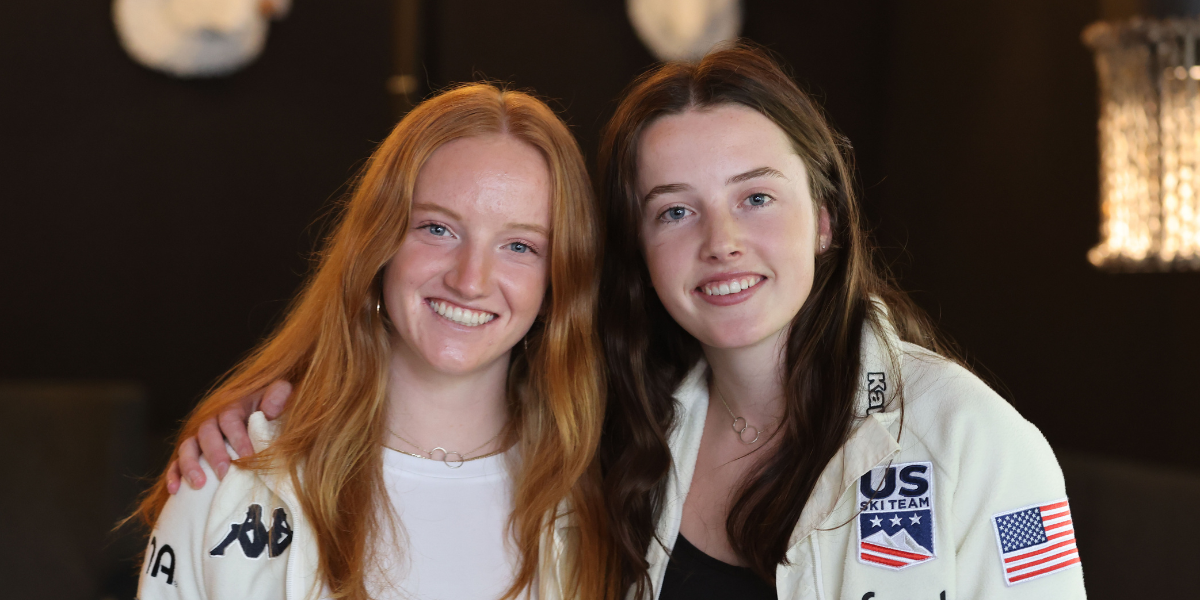
The journeys of these families highlight the diverse regional roots of the U.S. ski development pipeline. The Moritz twins, Liv and Kjersti, developed their foundational skills in the rugged terrain of Colorado’s Eagle County through the Ski & Snowboard Club Vail. The Bocock sisters, Mary and Elisabeth, emerged from the Rowmark Ski Academy in Salt Lake City, Utah, bringing a distinct, aggressive style to the World Cup circuit. Meanwhile, the Grosdidier sisters, Tatum and Logan, transitioned from Washington state to the competitive hothouse of the Steamboat Springs Winter Sports Club. The Palmquist brothers, Camden and Jevin, represent the Midwest-to-Colorado pipeline, having honed their initial craft at Buck Hill in Minnesota before moving to Team Summit.
This regional diversity is matched by a technical diversity. While all eight athletes have ascended to the highest tiers of their sport, their paths have diverged based on discipline specialization. Mary Bocock has solidified her standing in speed events, while her sister Elisabeth has found her stride in technical giant slalom and slalom. This "specialization gap" has served a strategic purpose, allowing the sisters to grow within the U.S. team structure without constant direct competition, thereby maintaining a healthy, supportive psychological environment.
Data-Driven Breakthroughs: The 2025-26 Season
The 2025-26 season served as a breakout year for these sibling tandems, characterized by quantifiable milestones that have significantly bolstered the U.S. national team’s depth. Mary Bocock’s inclusion in the U.S. Olympic team and her consistent presence at the World Cup Finals in super-G were not merely individual achievements; they helped secure critical nation quota positions for the United States, effectively opening doors for teammates who might otherwise have been left out of the start list.
Elisabeth Bocock’s performance during the same period—scoring World Cup points in six giant slaloms, including three top-15 finishes—demonstrates the consistency required to thrive at the senior level. The sisters’ combined contribution to the team’s World Cup Start List rankings has been a quiet engine behind the resurgence of U.S. alpine results.
Logan Grosdidier, aged 17, represents the next wave of potential. Her silver medal at the Junior World Championships in super-G and her securing of the overall NorAm Cup title have earned her personal start rights across all four disciplines for the 2026-27 season. This achievement, facilitated in part by the mentorship and technical advice of her older sister, Tatum, highlights the role of institutional knowledge transfer within sibling pairs.
The Psychology of Competition and Support
The inherent tension between cooperation and competition is the defining narrative of these sibling relationships. For the Moritz twins, the challenge has been the transition from being viewed as a single unit to establishing their individual identities. Liv, an All-American in giant slalom, and Kjersti, who has navigated a significant recovery from a knee injury, have learned that their paths—while parallel—are distinct.
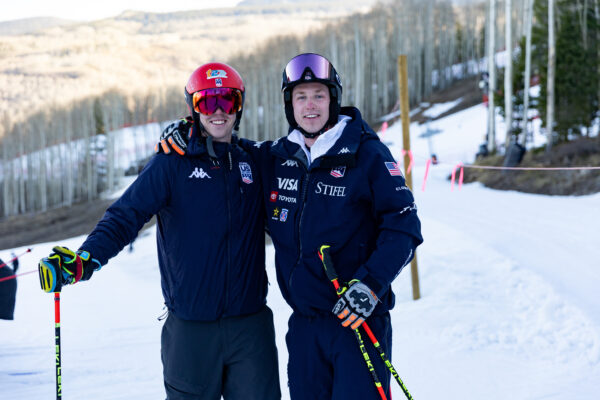
"The greatest gift of sharing elite ski racing with Kjersti is having someone who pushes me to be my best while also knowing the struggle and challenge that comes along with it," Liv Moritz noted. This sentiment is echoed by the Palmquist brothers. Camden and Jevin, both slalom specialists, operate in an environment where direct comparison is unavoidable. Rather than allowing this to create friction, they have utilized it as a training tool. Camden, who has secured several Europa Cup starts, views Jevin’s rapid ascent as a form of "positive pressure," forcing him to refine his technique and maintain a higher level of discipline in his training.

Technical Synergy and Knowledge Transfer
Beyond the emotional support, these siblings act as on-course analysts for one another. At the highest level of professional skiing, the difference between a top-ten finish and a DNF is often a matter of milliseconds and nuanced line choices. By sharing video analysis and discussing the nuances of terrain management, these siblings are able to accelerate their learning curves.
Logan and Tatum Grosdidier exemplify this technical partnership. When facing the nerves associated with the World Cup circuit, Logan relies on Tatum’s firsthand experience to navigate the psychological demands of the course. This internal support network reduces the reliance on coaching staff for every minor adjustment, allowing the athletes to develop a more intuitive, autonomous approach to their racing.
The Impact of Sibling Dynamics on Team Cohesion
The presence of these four families within the Stifel U.S. Ski Team structure has had a quantifiable impact on team morale. The "team-within-a-team" dynamic creates a unique support structure that helps athletes navigate the grueling 10-month travel season.
During the 2026 U.S. Alpine Championships in Vail, the display of mutual success—where Elisabeth Bocock took gold and Mary took silver—provided a template for how internal competition can serve the greater good of the team. For the U.S. coaching staff, these pairings offer a stable, predictable dynamic that can be leveraged to foster a culture of excellence. When an athlete feels supported by their closest relative, the volatility often associated with high-stakes, solo-performance sports is dampened.
Looking Toward the 2026-27 Season
As the 2026-27 season approaches, the focus for these siblings shifts toward maintaining their momentum. For the Palmquist brothers, the goal is to convert their training intensity into consistent World Cup points. For the Moritz twins, the priority is building upon the progress of their historic World Cup slalom starts at Copper Mountain.
The broader implication for U.S. skiing is clear: the development pipeline is no longer just about identifying individual talent; it is about cultivating environments where that talent can be sustained over time. The "sibling effect"—the ability to lean on a partner who shares the same origin, the same obstacles, and the same dreams—is becoming an increasingly important asset in the pursuit of Olympic and World Cup success.
While the stopwatch remains the final arbiter of performance, the stories of the Bococks, Moritzes, Grosdidiers, and Palmquists remind us that the road to the start gate is rarely traveled alone. For these eight athletes, the most important teammate is the one who has been there from the very beginning, watching from the sidelines, or racing right alongside them, knowing exactly what it takes to survive the descent.
The success of these families suggests a new paradigm for national team programs: one that recognizes that while skiing is an individual sport, the support systems that produce elite athletes are inherently collaborative. By fostering these relationships, the U.S. Ski Team is not only creating faster skiers; it is building a more resilient, motivated, and cohesive generation of competitors who are better equipped to handle the singular isolation of the start gate, precisely because they know they have someone waiting for them at the finish.

