
The crisp autumn air may still be months away from transforming mountain peaks into winter wonderlands, but sports medicine specialists and elite ski coaches emphasize that optimal slope performance is forged long before the first snowfall. While recreational skiing is traditionally treated as a seasonal pastime, maintaining year-round physical conditioning has increasingly become the gold standard for injury prevention, muscular endurance, and overall athletic longevity. Transitioning from the warmer months into deep winter without a structured regimen often exposes underlying physical deficits, frequently culminating in chronic back strain, knee instability, and season-ending ligament tears.

To bridge the gap between summer downtime and high-intensity mountain descents, fitness experts have established comprehensive assessment protocols and targeted off-season routines. By systematically evaluating core stability, unilateral leg strength, and spinal resilience through foundational movements—such as the specialized side plank test and multi-planar resistance exercises—skiers can build a robust musculoskeletal foundation designed to withstand the brutal demands of carving through powder and navigating heavy moguls.
The Physiology of Skiing: Understanding Off-Season Vulnerabilities
Skiing is a uniquely demanding sport that places extraordinary stress on the lower extremities, core stabilizers, and deep spinal muscles. Unlike linear endurance sports such as running or cycling, alpine skiing requires continuous lateral absorption, rotational torque, and isometric endurance. When a skier charges down a steep slope or absorbs the impact of landing a drop, the quadriceps, hamstrings, and glutes must dynamically fire while the core and obliques stabilize the torso against shifting gravitational forces.
According to sports science data compiled by orthopedic and physical therapy associations, the knee joint—specifically the anterior cruciate ligament (ACL)—remains the most vulnerable site for ski-related injuries. Furthermore, lower back pain is frequently reported by recreational and advanced skiers alike, a direct consequence of inadequate core endurance and weak spinal erectors that fail to absorb repetitive vertical impacts. When muscles fatigue on the mountain, skiers lose mechanical efficiency, leading to compensatory movement patterns that drastically elevate injury risks. Consequently, establishing a proactive off-season strength program is not merely a method for enhancing performance; it is a critical medical intervention for safeguarding joint health.
Assessing Baseline Strength: The Side Plank Evaluation
Before implementing a comprehensive strength regimen, fitness professionals recommend conducting a standardized diagnostic evaluation to identify muscular imbalances and structural weaknesses. The side plank test serves as a primary diagnostic tool for assessing the functional capacity of the hips, trunk, and core stabilizers.
The obliques and gluteus medius are paramount for pelvic alignment and rotational control. Weakness in these specific regions compromises lateral stability, forcing the lower back and knees to absorb forces they were not designed to handle. To perform the diagnostic side plank test, an athlete lies on their side with the elbow positioned directly beneath the shoulder and the legs stacked vertically. By lifting the hips off the floor and driving them slightly forward, the body should form a continuous, unyielding line from the head to the toes.
The diagnostic challenge requires the individual to flex their top foot and actively lift the upper leg to hip height, pause briefly, and lower it back down with strict control. Medical and coaching standards indicate that a healthy, ski-ready athlete should be able to complete five controlled lifts per side before experiencing form degradation. Common failure points include shoulder collapse, pelvic sagging, or rotational twisting of the torso. The ultimate benchmark for off-season conditioning is achieving 10 to 15 pristine repetitions on each leg, signaling adequate hip and trunk endurance for aggressive alpine skiing.
Comprehensive Off-Season Conditioning: Five Essential Exercises
To systematically address the physiological demands of alpine skiing, strength coaches prescribe a targeted regimen focusing on unilateral stability, multi-planar movement, and posterior chain resilience. Integrating these five exercises into a weekly routine bridges the gap between sedentary off-season habits and peak athletic readiness.
-
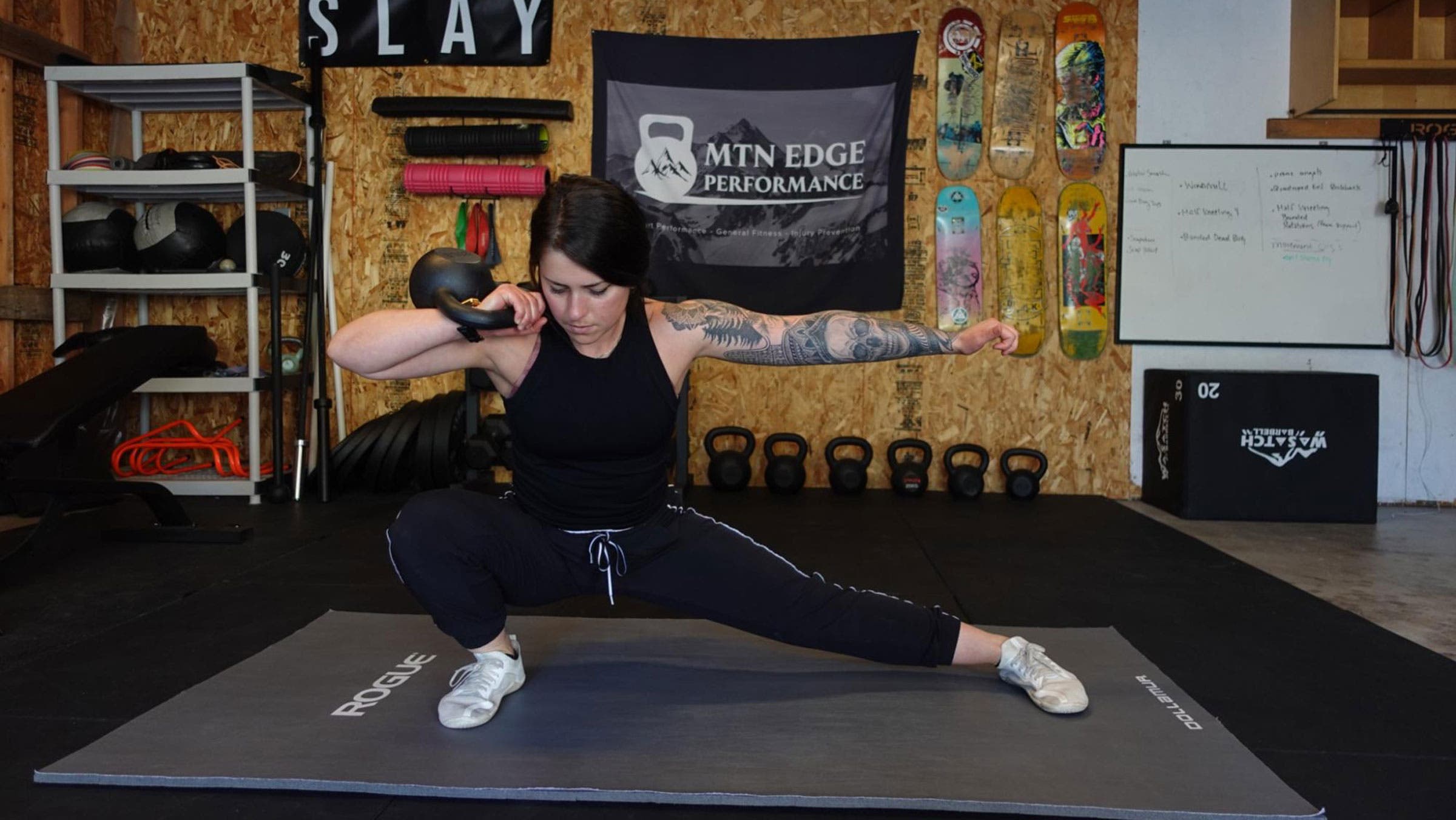
Lateral Lunges for Multi-Planar Hip Strength
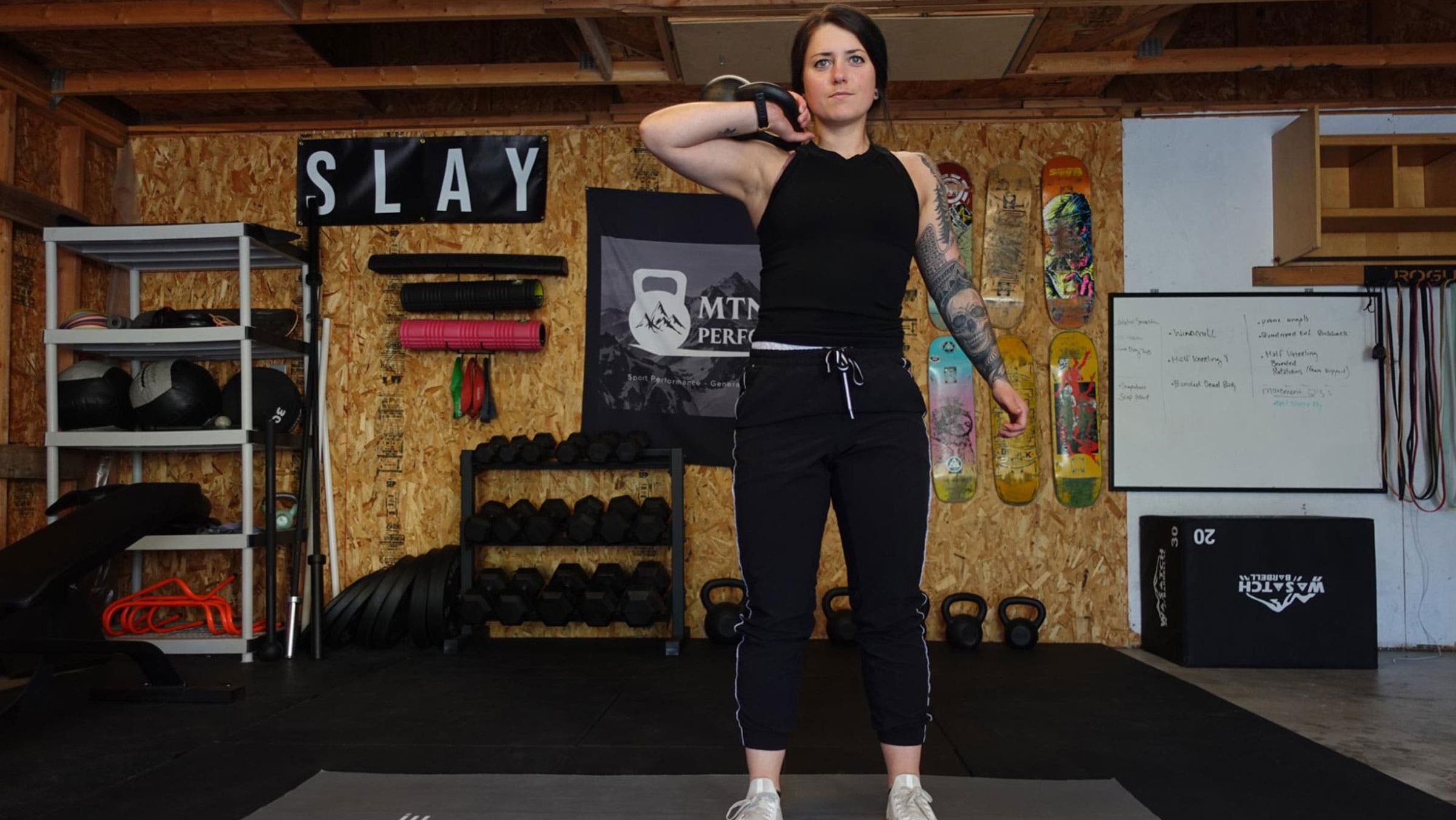
Skiing inherently occurs across multiple planes of motion, requiring dynamic transitions from edge to edge. Traditional linear squats and lunges, while beneficial, fail to adequately prepare the hips for lateral forces. Lateral lunges build robust hip abductor and adductor strength, ensuring pain-free mechanics while carving. To execute the movement, athletes step wide to one side, pushing the hips back and bending the trailing knee while keeping the moving leg extended. Maintaining an upright torso and driving through the midfoot returns the body to the starting position. Repetitions range from eight to 12 per side, with advanced practitioners augmenting the challenge by holding a heavy dumbbell or kettlebell in a front rack position. -
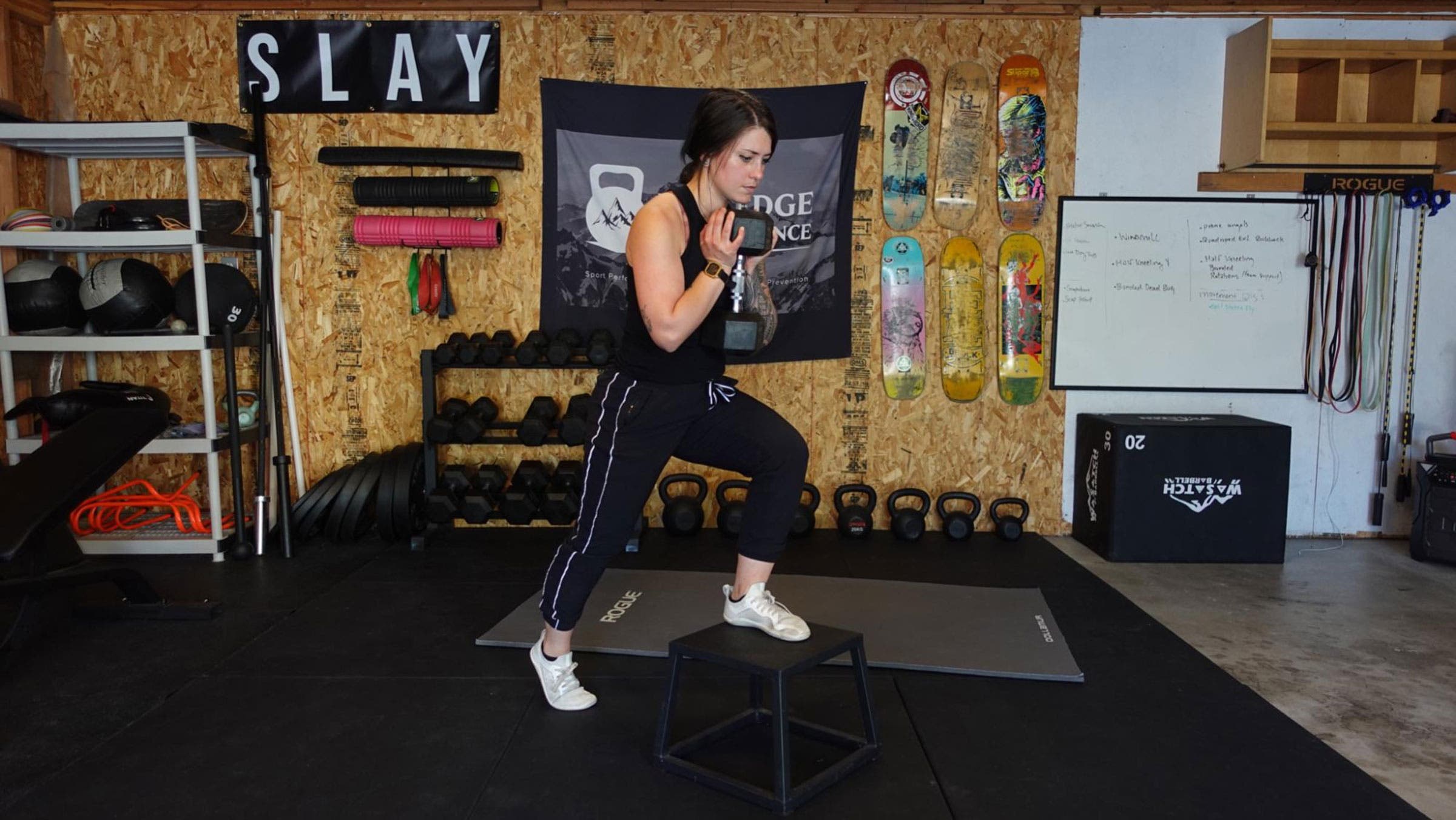
Step-Ups for Explosive Power and Single-Leg Stability
Single-leg strength is paramount on the slopes, as skiers frequently transition their entire body weight onto a single outside ski during high-speed turns. Step-ups target the glutes, hamstrings, and quadriceps while aggressively eliminating muscular imbalances between the left and right legs. Utilizing a sturdy box, bench, or step positioned at shin or knee height, the athlete drives upward through the working heel until the leg is fully locked out, controlling the descent on the return. Completing eight to 12 repetitions per leg—optionally weighted at the chest—builds the explosive power necessary for dynamic turns in variable snow conditions.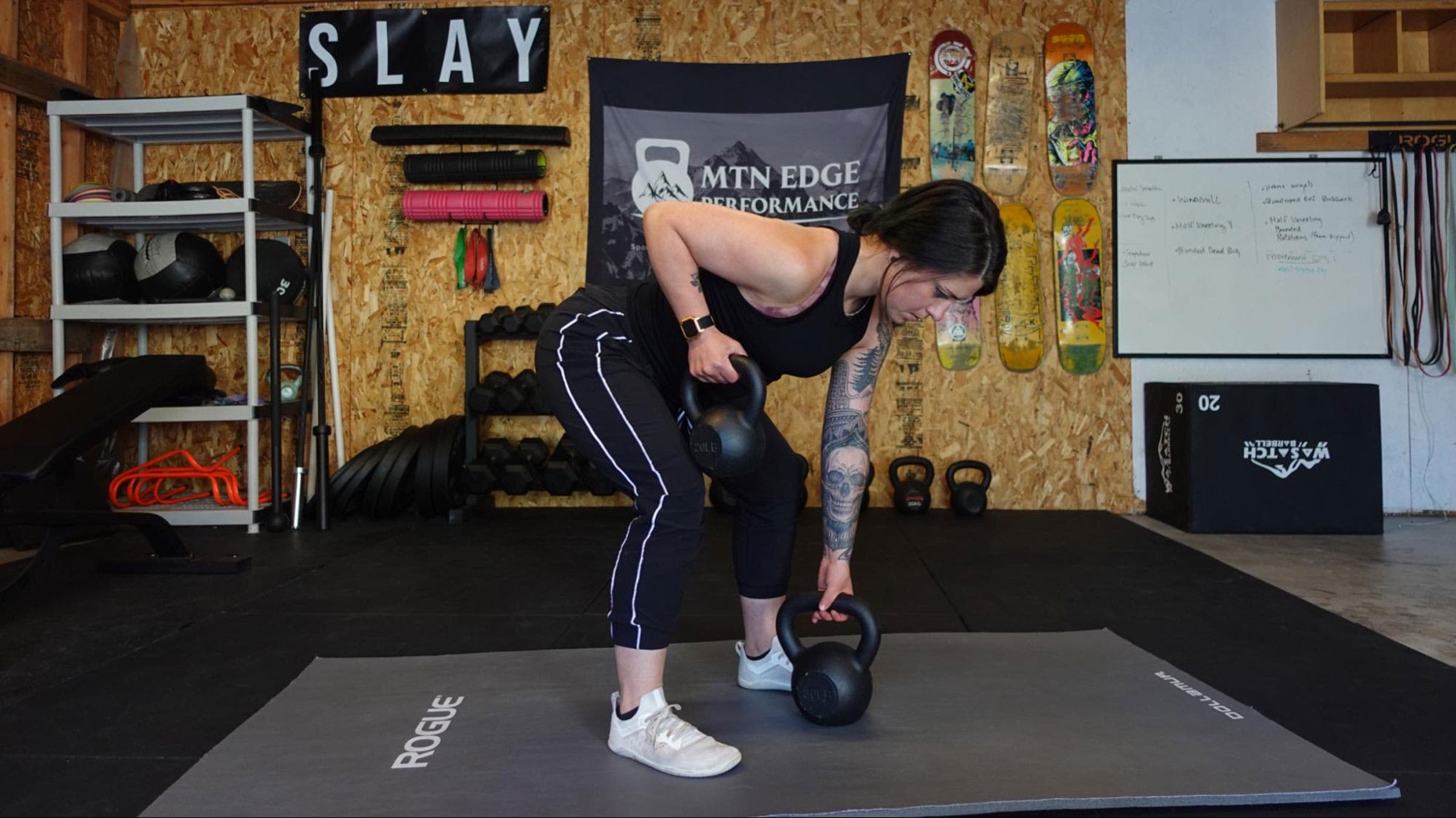
-
Gorilla Rows for Posterior Chain and Spinal Resilience
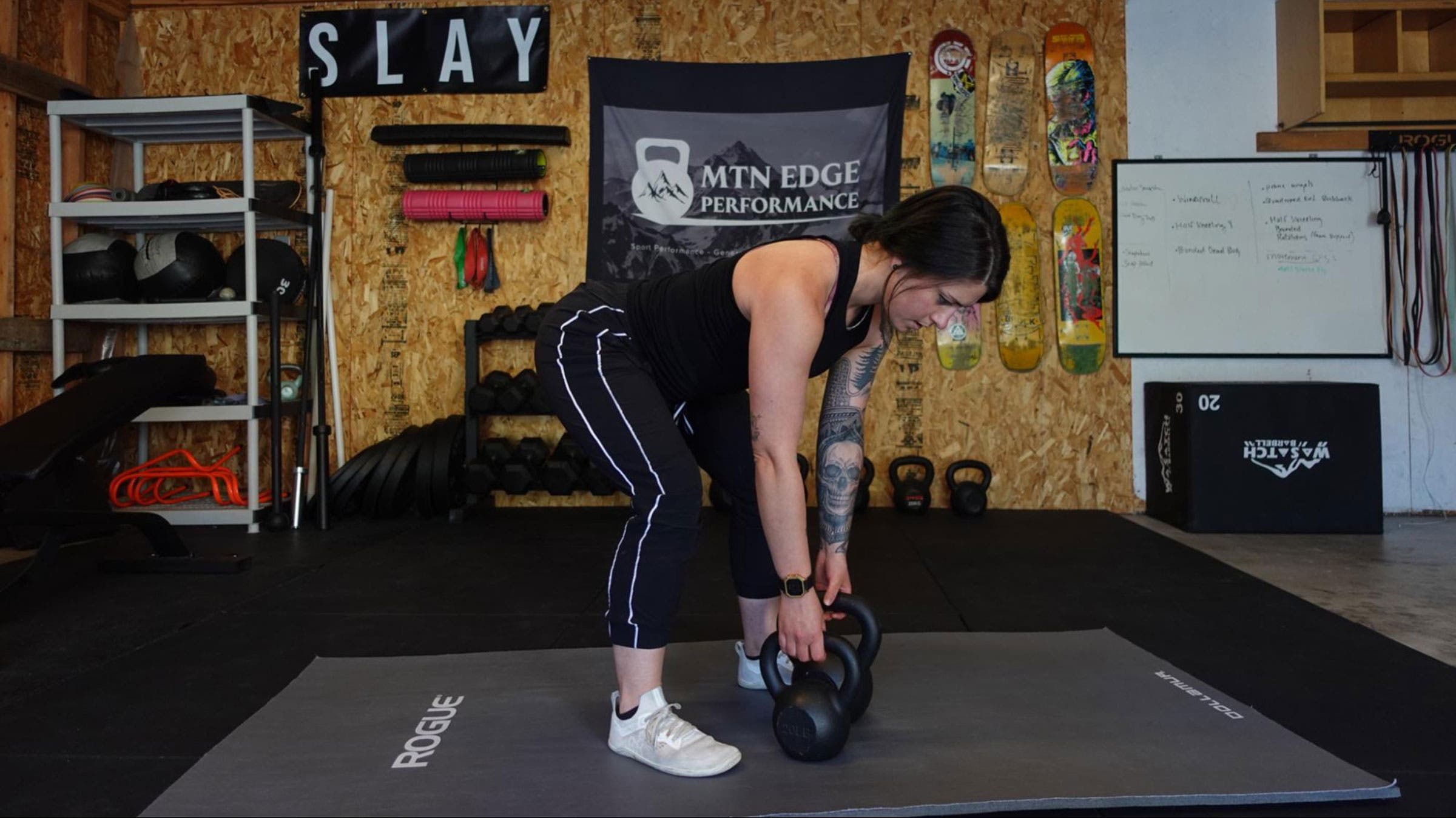
While lower-body strength is vital, upper-body and core integration play a decisive role in maintaining posture and absorbing heavy impacts. The gorilla row is an advanced variation that targets the lower back, core, and erector spinae muscles—the deep spinal stabilizers responsible for mitigating the shock of charging downhill or landing jumps. Set up with a pair of kettlebells on the floor, the athlete hinges at the hips into a deep flat-backed position, gripping the handles and rowing the weights alternately or simultaneously. This movement forces the deep back muscles to work in isometric tension while the upper body pulls against resistance, yielding eight to 12 robust repetitions per set. -
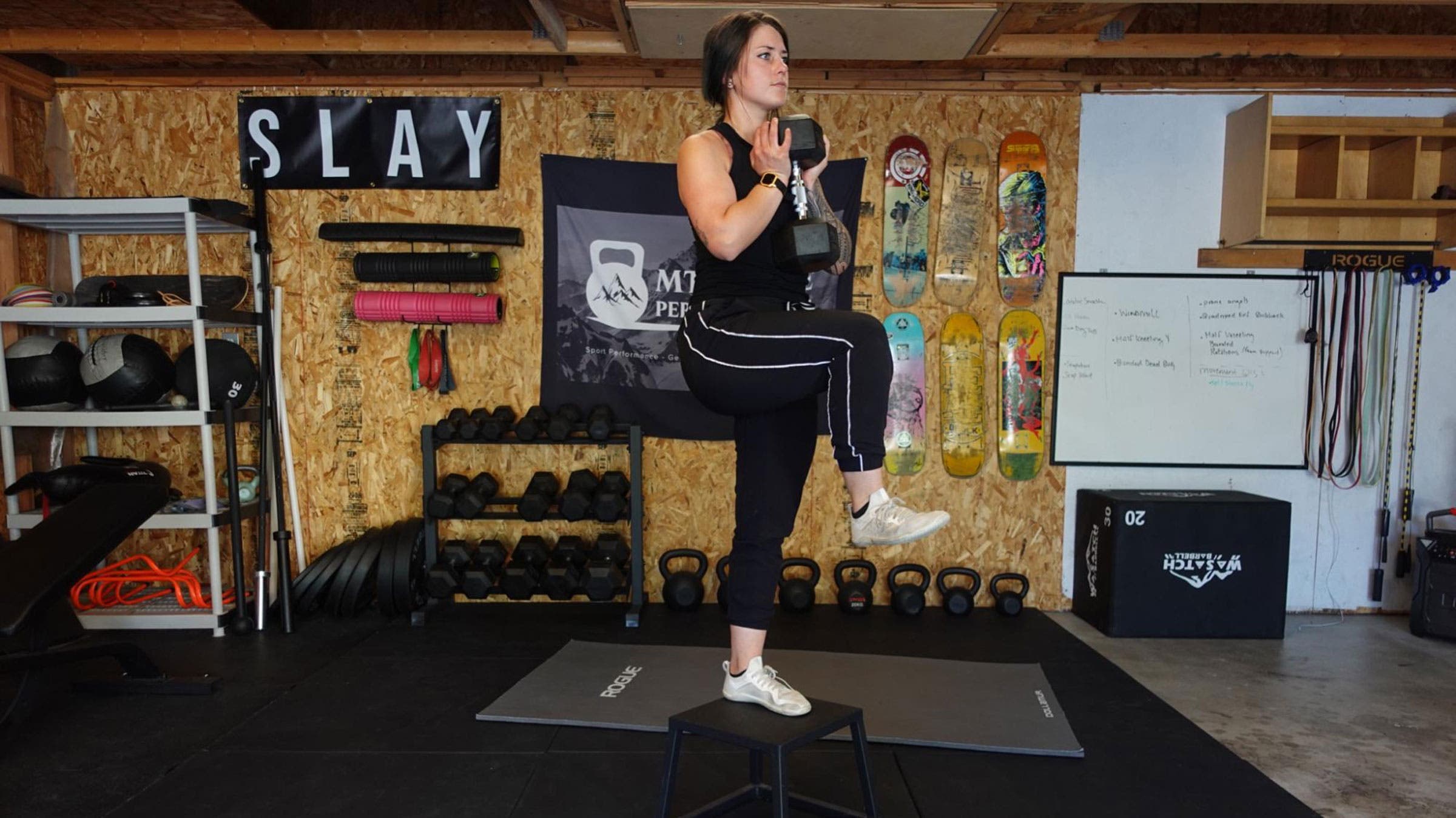
Suitcase Marches for Lateral Core Stability
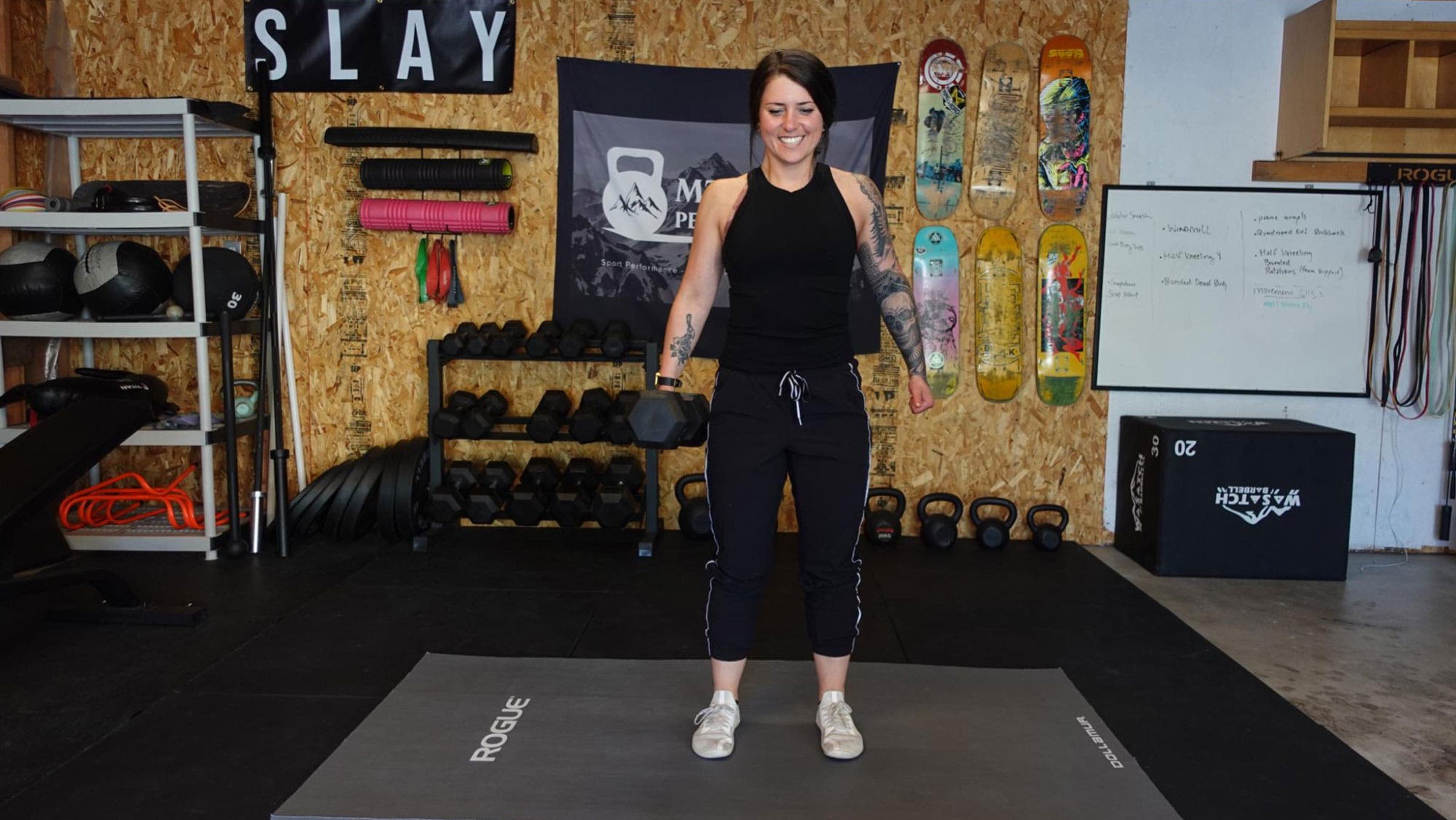
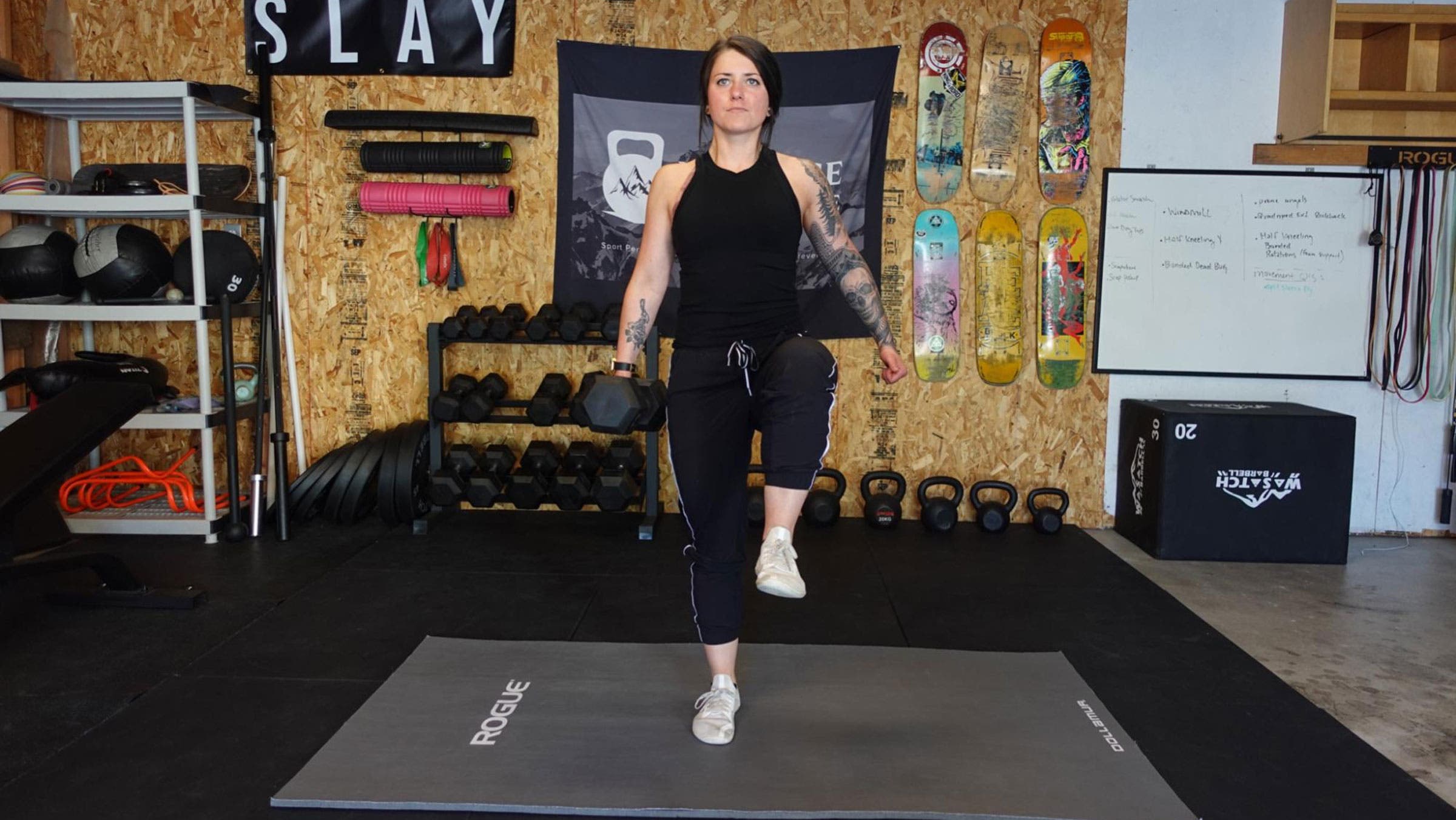
Resisting lateral flexion is critical for maintaining an aligned, balanced posture while navigating uneven terrain and steep pitches. The suitcase march isolates the deep stabilizer muscles of the core by forcing the body to counter an off-center load, mimicking the asymmetrical demands of carrying equipment or recovering from an unbalanced turn. By holding a single medium-to-heavy dumbbell or kettlebell in one hand like a suitcase, the athlete marches slowly in place, strictly preventing the torso from leaning toward or away from the weighted side. Executing two to four sets of 30 to 60 seconds per side reinforces deep core endurance and protects against chronic lower back strain.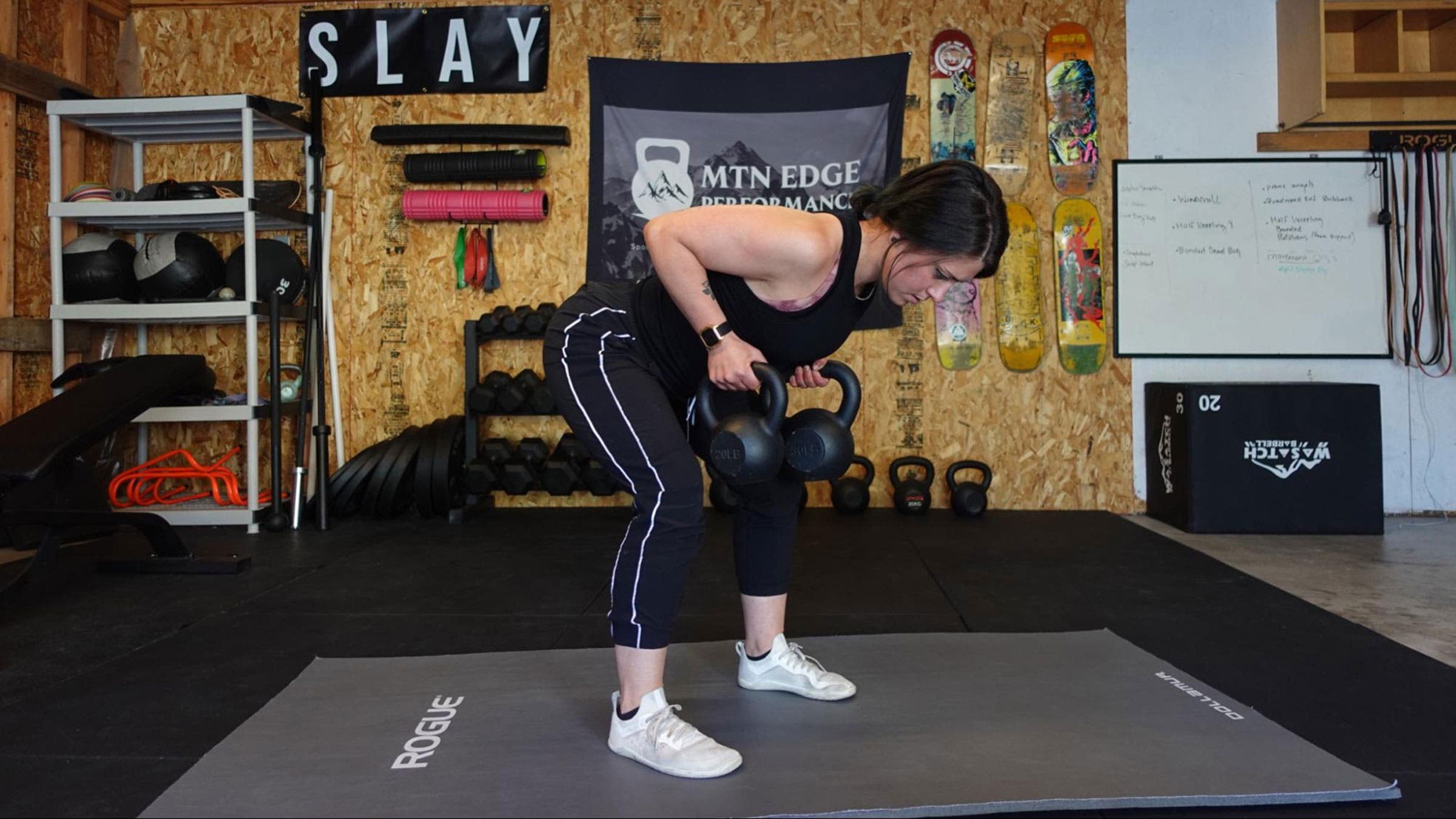
-
Plank Pull-Throughs for Dynamic Abdominal Control
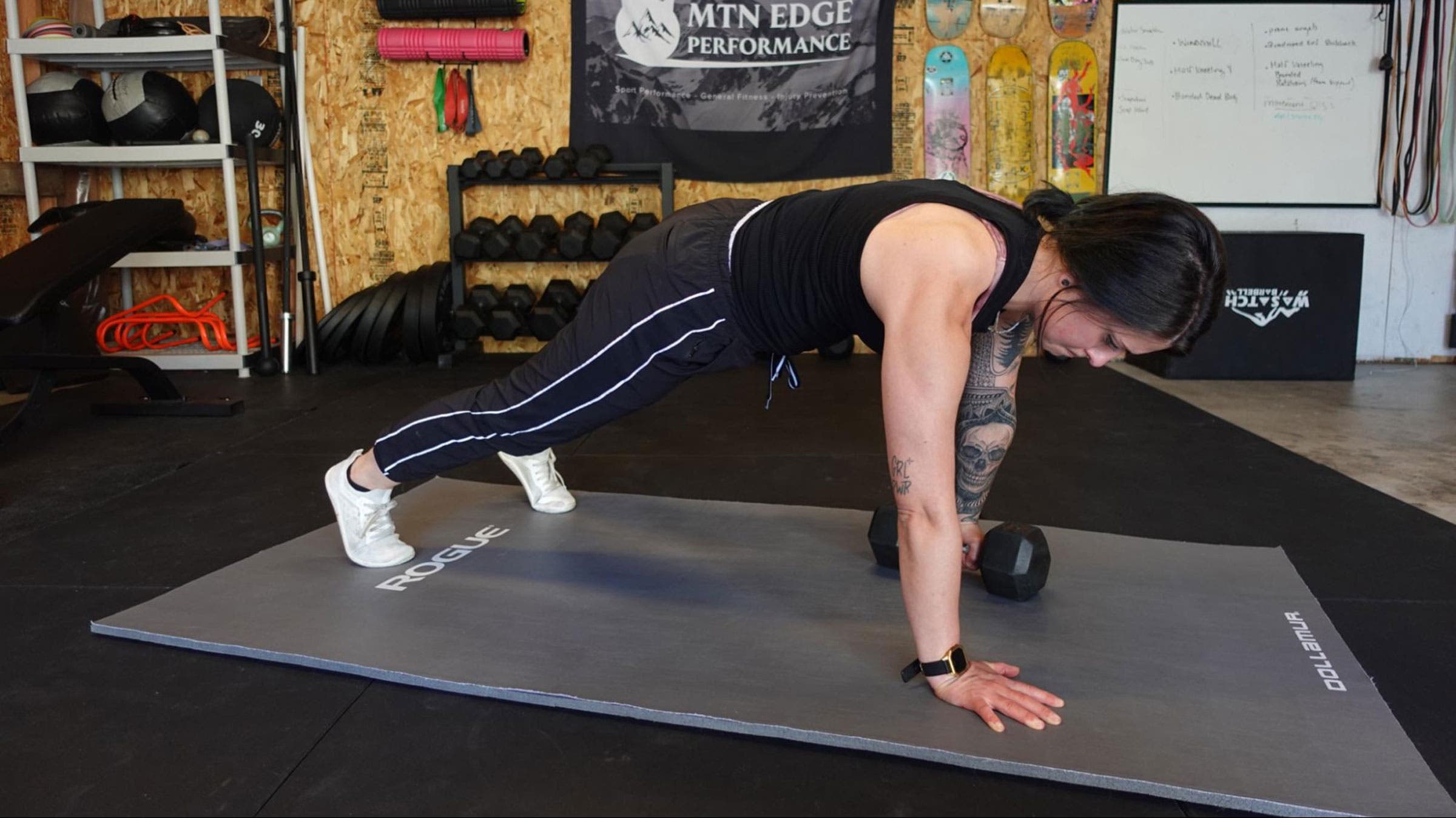
Core stability must be dynamic rather than static to be functional in alpine environments. The plank pull-through challenges the abdominal wall to maintain structural integrity while the limbs move independently. Starting in a standard high plank position with a single dumbbell placed just outside one hand, the athlete reaches underneath the torso with the opposite hand to drag the weight across the floor to the other side, alternating arms without allowing the hips to rotate or sag. Completing two to four sets of 30 to 50 seconds trains the deep abdominal musculature to stabilize the spine against rapidly changing external forces, mirroring the chaotic conditions encountered when chasing powder down a mountain.
Expert Perspectives and Orthopedic Implications
Sports medicine professionals and physical therapists overwhelmingly endorse structured off-season preparation as the most effective countermeasure against seasonal injuries. Dr. Elena Vance, a prominent orthopedic surgeon specializing in winter sports medicine, notes a direct correlation between pre-season conditioning compliance and patient recovery outcomes following traumatic slope incidents.
"When athletes commit to targeted off-season strength programs focusing on core endurance, hip stability, and single-leg mechanics, their bodies develop a neuromuscular reserve," explains Dr. Vance. "Even when a skier encounters an unexpected hazard or loses control on the mountain, a well-conditioned musculoskeletal system can often absorb or deflect forces that would otherwise result in severe ligament tears or vertebral compression injuries."
Furthermore, physical therapists emphasize that preventative training significantly reduces the incidence of overuse injuries—such as patellofemoral pain syndrome and chronic lower back strain—which frequently sideline recreational skiers mid-season. By treating the off-season as an active training window rather than a period of physical dormancy, participants ensure that their bodies remain resilient, adaptable, and primed for high-performance athletic output.
Broader Impact and Future Outlook for Seasonal Athletes
The paradigm surrounding winter sports conditioning is undergoing a fundamental shift. Historically, recreational skiers relied on the initial weeks of the winter season to "ski themselves into shape," a practice now recognized by athletic trainers as an invitation for injury. As fitness technology, specialized coaching resources, and educational content become increasingly accessible, the athletic community is embracing a year-round training mentality.
This cultural evolution within winter sports reflects broader trends in preventive health and longevity. By prioritizing functional strength, mobility, and core stability during the spring, summer, and fall months, skiers not only protect their joints and minimize medical expenses associated with acute injuries, but they also enhance their overall quality of life and physical competence. Ultimately, dedication to an off-season conditioning routine guarantees that when the winter gates finally open, athletes can step into their bindings with absolute confidence, ready to charge down the mountain at their physical peak.

