
Maximilien "Maxi" Hoder, a 20-year-old alpine ski racer from Stowe, Vermont, has officially earned rookie status on the Stifel U.S. Ski Team, capping a breakthrough 2025-26 season that saw him secure a bronze medal at the FIS Junior World Ski Championships and a coveted personal World Cup slalom start position for the upcoming 2026-27 season. Hoder’s ascent represents a significant development in American technical skiing, highlighting a journey fueled by an unwavering passion for the sport, nurtured within one of the U.S.’s most storied ski racing communities, and sharpened on the competitive slopes of Europe. His trajectory from a dedicated fan meticulously studying World Cup races with his father to a promising athlete on the cusp of his own World Cup debut underscores the dedication and strategic development pathways critical for success at the sport’s highest echelons.
The Genesis of a Ski Racing Obsession in Stowe
Hoder’s deep connection to alpine skiing began at an early age in Stowe, Vermont, a locale renowned for its rich ski racing heritage. At 13, while many peers gravitated towards more mainstream sports, Hoder found himself captivated by the intricacies of World Cup ski racing. Weekends in the Hoder household were dedicated to early morning viewings of international alpine competitions, not as mere background noise, but as educational events. Alongside his father, a former collegiate and professional racer, Maxi would meticulously analyze the techniques and strategies of the world’s elite skiers. This shared passion was foundational, transforming him into what he describes as a "mega fan" of the sport. "I’d come home and watch every race with my dad. We’d watch at dinner or wake up really, really early in the morning to watch the races," Hoder recalls, illustrating the immersive environment that cultivated his early ambitions.
Moving to Stowe at age four from Connecticut, Hoder was quickly immersed in the local ski culture. His father’s racing background and his mother’s encouragement for active lifestyles ensured that skiing, alongside his older brother and sister, became a central part of his childhood. While soccer initially vied for his attention through high school, ski racing gradually became his singular focus. The pivotal moment wasn’t a specific victory or championship, but a burgeoning, profound love for the sport itself, extending beyond his own competitive events to an intense fascination with the entire World Cup circuit, its athletes, and its narratives. This holistic appreciation for alpine skiing fueled a straightforward, yet ambitious, dream: "That’s kind of where I always wanted to be—a World Cup skier." This early commitment to understanding the sport at its highest level provided a unique perspective, differentiating him from many junior racers solely focused on their immediate results.
Mt. Mansfield: A Crucible for American Ski Racing Talent
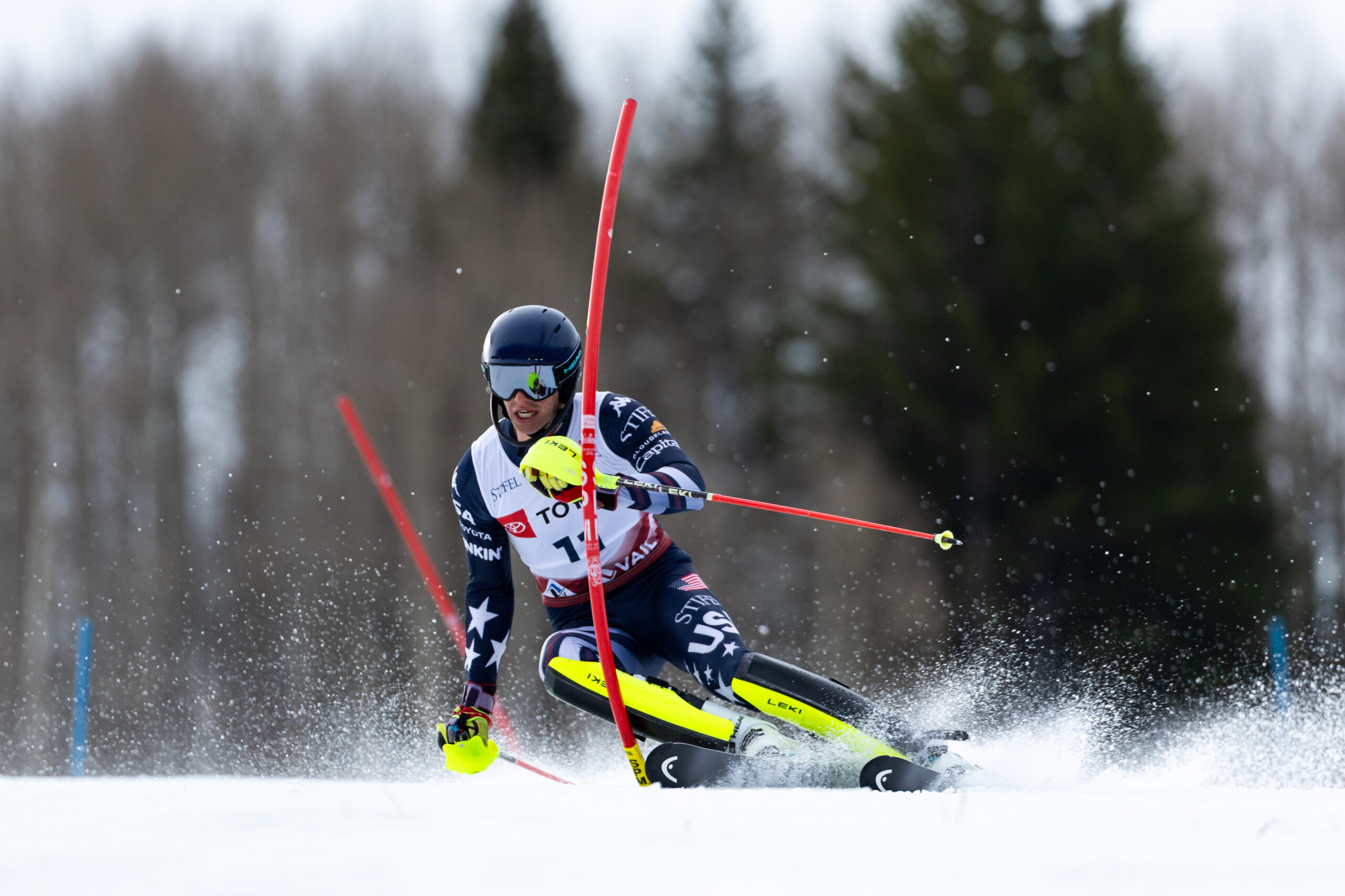
The cornerstone of Hoder’s formative athletic development was undeniably the Mt. Mansfield Ski Club (MMSC) and its affiliated Mt. Mansfield Academy (MMA). Stowe, often referred to as the "Ski Capital of the East," has historically served as a fertile ground for American ski talent, producing numerous Olympians and national team members. The MMSC, established in 1934, and MMA, known for its rigorous academic and athletic programs, provided an unparalleled environment for Hoder. He joined the ski club as soon as he was eligible, often accompanying his father, who coached part-time, and his older siblings on the slopes even before formal entry. Later, Hoder was part of the inaugural sixth-grade class at MMA, where he remained through his graduation, benefiting from nearly a decade within one of North America’s most successful ski racing pipelines.
The influence of MMA extended far beyond technical instruction and race preparation. The academy fostered a culture where skiing was not merely an extracurricular activity but a way of life. Teachers followed race results, and coaches invested deeply in the holistic development of their athletes. This comprehensive approach, Hoder believes, was instrumental in cultivating a lifelong appreciation for the sport. "They try to develop you into a fan of the sport rather than just a competitor," he explains, underscoring the philosophy that prioritizes passion alongside performance.
Several mentors played pivotal roles in Hoder’s progression. Micheline Lemay, the Junior Program Director, coached him for over six years, guiding him through crucial foundational stages. Lorant Gudasz further refined his skills over four years during his junior career. However, Tabor Engelken emerged as one of the most influential figures, working closely with Hoder throughout much of his FIS career. Even after Hoder transitioned from Vermont, Engelken remained a key resource for video analysis, technical adjustments, and race strategy. This enduring relationship is set to continue as Engelken recently joined the Stifel U.S. Ski Team coaching staff, providing Hoder with a familiar and trusted mentor within the national team structure. Igor Vanovac, the longtime Mt. Mansfield Ski Club executive director, also provided unwavering support throughout Hoder’s journey.
Beyond coaching, the bonds forged within the program were equally significant. John Kerbaugh, a future Stifel U.S. Ski Team teammate, became one of Hoder’s closest training partners. Their daily competition and mutual encouragement were crucial in elevating each other’s performance levels. The program also emphasized developing well-rounded skiers. Hoder spent countless hours freeskiing, exploring Stowe’s challenging glades, and honing his skills in terrain parks—experiences that cultivated agility, adaptability, and an intuitive understanding of varied snow conditions, abilities that often prove invaluable on the international stage but rarely appear on a race results sheet. "My friend group and I loved tree skiing," he recalls. "We would also go skiing in the parks a lot." These diverse skiing experiences built a robust athletic foundation.
The Strategic European Pivot: APEX2100
Upon graduating from Mt. Mansfield Academy, Hoder faced a critical decision regarding the next phase of his development. While many American athletes choose to continue their progression through domestic collegiate or club programs, Hoder opted for a less conventional path, joining APEX2100, a European-based academy. This decision was informed by several factors, including his mother’s French heritage and his significant time spent in France during his formative years, which provided a cultural comfort zone. Crucially, APEX2100 was rapidly establishing itself with a highly competitive roster of athletes and coaches, offering a compelling proposition for accelerated development. "It seemed like APEX was building a really, really competitive team," Hoder noted.
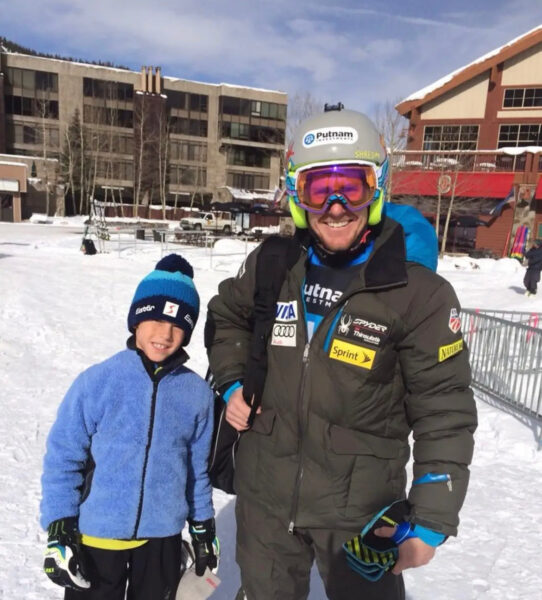
His two seasons with APEX2100 proved instrumental. Training and racing extensively across Europe exposed him to a deeper and more diverse field of competition than typically found in North America. Competing regularly against athletes from traditional alpine powerhouses such as Austria, Switzerland, France, Italy, and Norway demanded a constant elevation of his standards. This environment forced him to refine his technical execution, tactical approach, and mental resilience, adapting to a new level of daily competition intensity. More importantly, it instilled a profound sense of confidence that he possessed the capabilities to belong among the global elite. This immersion in the European racing circuit is often considered a critical stepping stone for American racers aiming for World Cup success, bridging the gap between national and international levels of competition.
The Breakthrough: A 2025-26 Season of Milestones
The 2025-26 season emerged as a career-defining period for Maxi Hoder, where the cumulative efforts of his early training, dedicated coaching, and European experience coalesced into a series of significant achievements. He established himself as one of North America’s premier young slalom racers and unequivocally demonstrated his capacity to compete on the international stage.
The crowning achievement of his season came at the FIS Junior World Ski Championships, where he secured a bronze medal in the slalom event. This podium finish not only placed him among the top junior slalom skiers globally but also added his name to an illustrious list of athletes who have leveraged Junior Worlds success as a launchpad for World Cup careers. For American ski racing, a Junior Worlds medal in a technical discipline is a strong indicator of future potential, signaling a pipeline of talent that can contend with the dominant European nations.
Beyond this international highlight, Hoder exhibited remarkable consistency throughout the NorAm Cup season. The NorAm Cup serves as the primary developmental circuit for North American alpine ski racers, providing a crucial pathway to the World Cup. His five top-10 finishes and two podium appearances culminated in a second-place ranking in the season-long NorAm slalom standings. This accomplishment was particularly significant as it directly earned him a personal start position in World Cup slalom for the 2026-27 season. A personal World Cup spot is invaluable for a developing athlete, guaranteeing them access to World Cup races without needing to qualify through specific national team quotas, thereby accelerating their exposure to the highest level of competition.
Furthermore, Hoder gained vital experience through four Europa Cup starts during the season. The Europa Cup is the direct feeder circuit to the World Cup in Europe, featuring an exceptionally strong field of competitors, many of whom are on the cusp of World Cup berths themselves. His participation and performance in these races were a clear indication that his development was progressing optimally, demonstrating his ability to contend with a higher caliber of competition than typically found on the NorAm circuit. Taken together, these compelling results—a Junior Worlds medal, strong NorAm performance, and Europa Cup experience—presented an undeniable case for national team selection, which the Stifel U.S. Ski Team duly recognized, bringing Hoder into their elite ranks as a rookie.
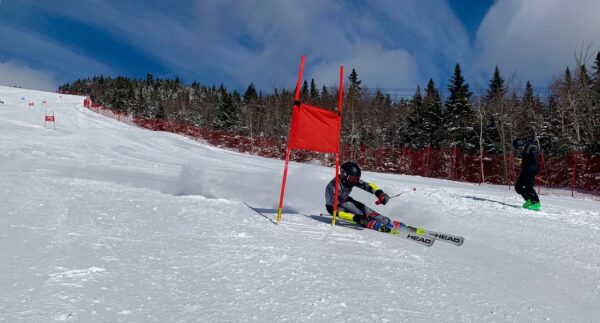
The World Cup Horizon: A Strategic Approach to 2026-27
With rookie status on the Stifel U.S. Ski Team and a personal World Cup start position in hand, Maxi Hoder stands at the threshold of realizing his childhood dream. However, his approach to the upcoming 2026-27 season is marked by prudence and a clear understanding of the monumental challenge ahead. While he possesses a World Cup start position, the immediate plan is not to extensively utilize it throughout the entire season.
The current strategy involves opening the season at the World Cup slalom in Levi, Finland, a classic early-season technical race known for its challenging conditions. Following his debut, Hoder is slated to remain in Levi for the Europa Cup races scheduled the subsequent week. This calculated approach allows him to experience the intense atmosphere and competitive demands of a World Cup race while immediately integrating back into the Europa Cup circuit, where he can gain more consistent race starts and continue his development against a strong, but slightly less intense, field.
Subsequent decisions regarding his race schedule and the frequency of World Cup appearances will be dynamically determined by his performance, overarching development priorities, and the logistical demands of the competitive calendar. Hoder recognizes that reaching the World Cup is one significant hurdle, but establishing himself as a consistent performer and contender at that level presents an entirely different and more enduring challenge. This reflects a mature perspective, prioritizing sustainable long-term progression over immediate, potentially overwhelming, World Cup exposure.
For now, the focus remains steadfast on continuing the remarkable progression that has defined his journey: from the local slopes of Stowe to the rigorous training grounds of Mt. Mansfield, from the familiar landscapes of Vermont to the demanding race venues of Europe, and ultimately, from aspiring junior racer to a member of the Stifel U.S. Ski Team. The young enthusiast who once woke before dawn to absorb every detail of World Cup races now possesses a start position of his own. The next chapter in Maxi Hoder’s burgeoning career is poised to unfold in Levi, Finland, and for one of America’s most promising young slalom racers, this strategic debut could indeed mark the commencement of something truly special for U.S. alpine skiing. His journey embodies the spirit of dedication and the strategic blend of domestic and international development that is increasingly vital for American athletes aiming for the pinnacle of alpine racing.

