
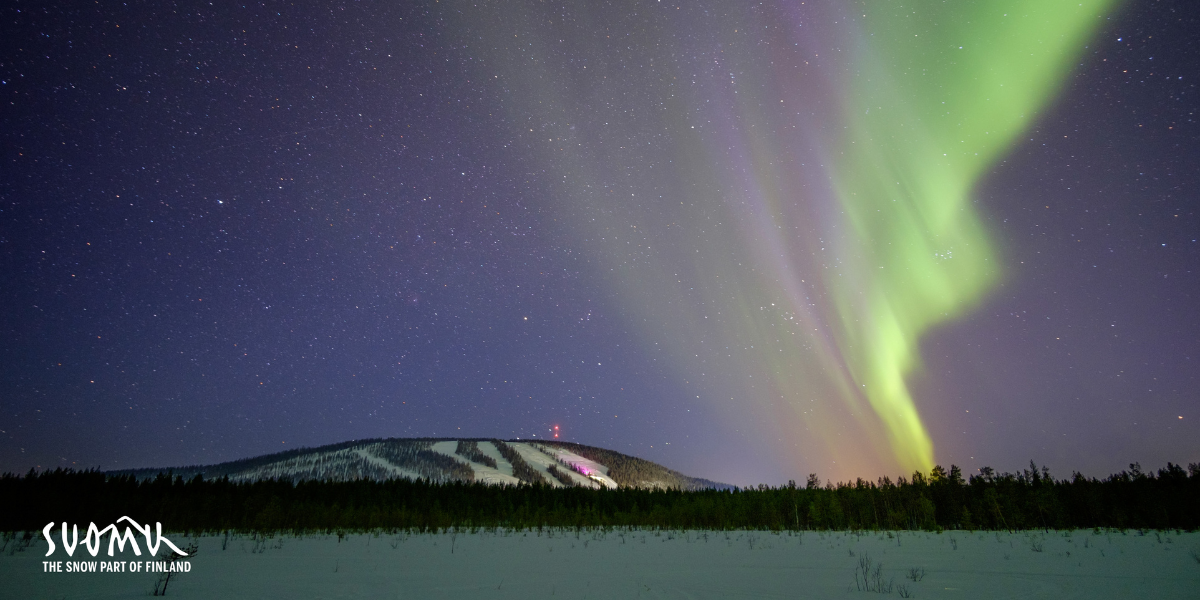
Deep within the frost-bitten expanse of Finnish Lapland, a transformation is underway that is fundamentally altering the early-season blueprint for professional alpine skiing. Suomu, a family-operated resort situated squarely on the Arctic Circle, has transitioned from a boutique destination for Northern Lights tourism into a pivotal hub for the international ski racing community. By prioritizing the granular, often overlooked needs of elite athletes and their support teams, Suomu has carved out a specialized niche that bridges the gap between commercial recreation and high-stakes athletic preparation.
The evolution of Suomu as a training and racing venue is a study in agility and industry-specific problem solving. While global attention in the region is frequently monopolized by the established Levi World Cup, Suomu has quietly cultivated a reputation for reliability, FIS-homologated terrain, and an operational flexibility that is becoming increasingly scarce in the modern skiing landscape. For national teams, club programs, and individual racers, the ability to secure consistent training conditions in the volatile weeks preceding the competitive season is not merely a logistical preference—it is a critical performance factor.
A Chronology of Transformation
The story of Suomu’s pivot to alpine racing is inextricably linked to the resilience of the Tirkkonen family, who acquired the property in 2015. Initially envisioning the resort as a gateway for international travelers seeking the ethereal beauty of the Aurora Borealis, the family faced a series of unpredictable external pressures. A significant fire severely damaged the resort’s hotel infrastructure, and the subsequent global health crisis brought the international tourism industry to a standstill.
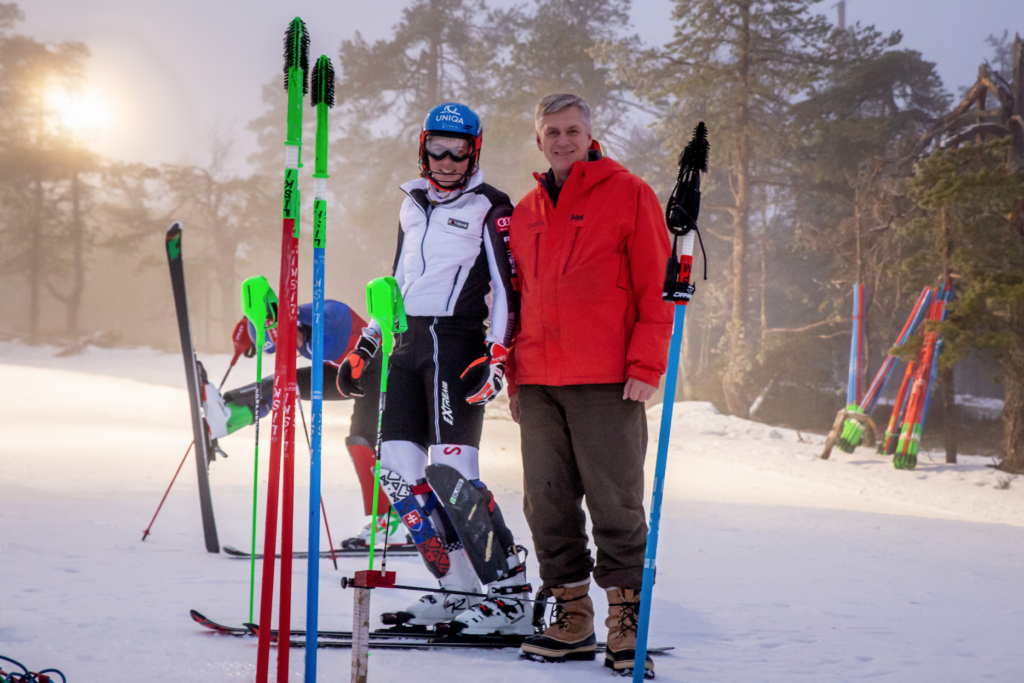
These setbacks necessitated a total strategic realignment. It was during this period of forced adaptation that the resort began to host elite athletes, including Olympic gold medalist Petra Vlhová. Observing these professionals at work provided the Tirkkonens with a masterclass in the requirements of high-level training. Daniel Tirkkonen, the current training coordinator, moved beyond the role of a mere host. Immersing himself in the sport, he pursued training as a FIS-level competitor and later transitioned into coaching. This dual perspective—as both a resort operator and a practitioner of the sport—has allowed Suomu to implement infrastructure that directly addresses the pain points of the coaching staff, such as the need for rapid course adjustments, on-demand lift access, and high-intensity snow management.
Technical Infrastructure and the Science of Snow
The technical viability of a training venue is measured by its ability to offer repeatable, durable conditions, a challenge that has become more pronounced due to fluctuating early-season temperatures across Europe. Suomu has addressed this through a sophisticated snow-storage initiative. By stockpiling approximately 80,000 cubic meters of snow during the winter months and employing advanced insulation techniques, the resort consistently retains upwards of 80 percent of its base, ensuring a reliable surface for the October training window.
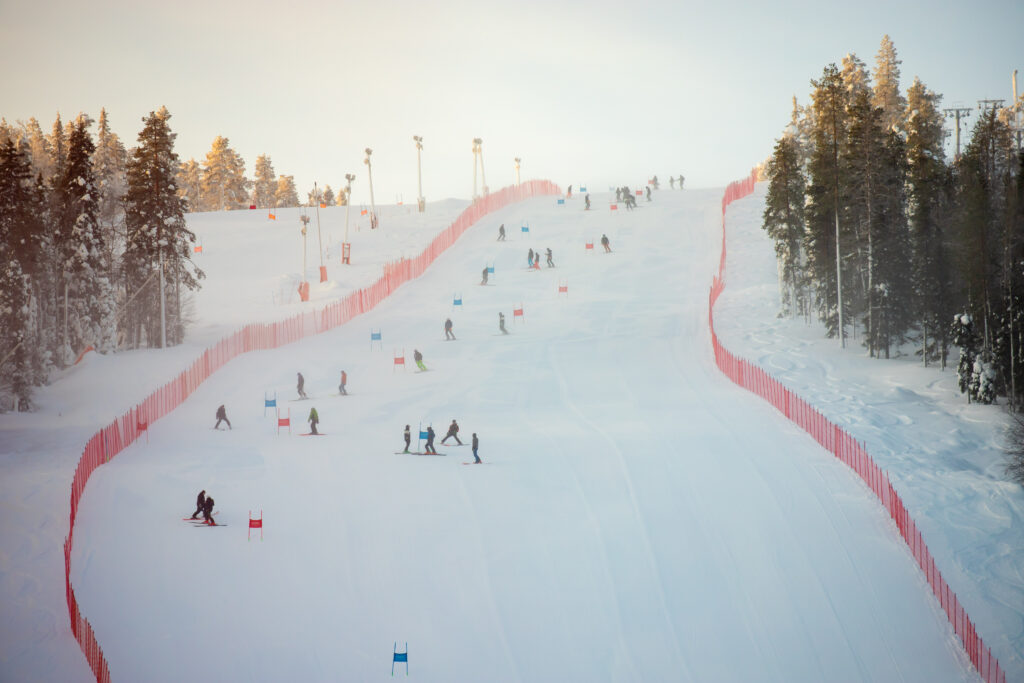
The venue features two primary arteries for development: the Martti slope and the FIS-homologated FIS slope. The Martti slope offers a robust 250 to 255 meters of vertical drop with a generous width of 40 to 60 meters, providing sufficient space for diverse training configurations. The FIS slope caters to more technical requirements, featuring a progressively steeper upper pitch that transitions into a long, sustained flat, which is essential for practicing tactical transitions in slalom and giant slalom. Both slopes are equipped with high-intensity lighting, which is a structural necessity given the extremely limited daylight hours in the Arctic during the November training period.
Beyond the slopes, the resort’s design favors compact efficiency. Hotel Suomutunturi is located a mere 50 meters from the lift base, effectively eliminating the "commute stress" that plagues many European training camps. By integrating dining, gym facilities, and recovery spas within a short walking distance of the gates, the resort allows coaching staff to dedicate their time to performance analytics and athlete development rather than the logistical complexities of transportation and equipment management.
The Europa Cup and Global Integration
The credibility of a venue is ultimately verified by its ability to host sanctioned competition. Following the successful execution of women’s Europa Cup slaloms in March 2023, the resort is preparing for a significant milestone: hosting the men’s Europa Cup on November 25 and 26, 2026. This event serves as a litmus test for the resort’s readiness to operate on the international stage.
From an organizational standpoint, the Europa Cup is an intensive operation that requires strict adherence to International Ski Federation (FIS) protocols, including specific snow density requirements, race-day course preparation, and the management of international broadcast and officiating teams. The Tirkkonen family’s approach to these events is rooted in a philosophy of partnership. By soliciting direct feedback from the coaches and teams that frequent the resort, Suomu has created a collaborative environment where the "customer" is effectively a collaborator in the design of the course. This feedback loop has led to refinements in injection techniques and gate placement that are rarely seen in larger, more rigid resorts.
Broader Industry Implications
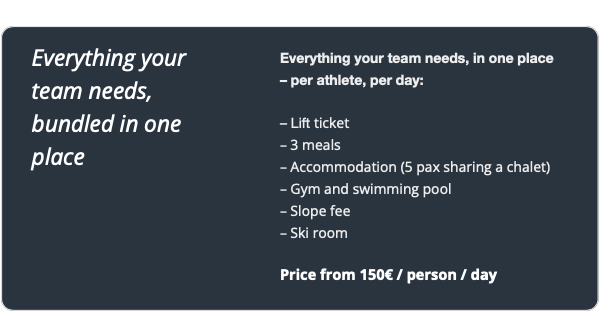
The emergence of Suomu signals a shift in the economics of alpine training. As climate volatility makes traditional training grounds less reliable, the demand for "guaranteed snow" venues has spiked. Suomu’s model provides a viable alternative for federations looking to optimize their training budgets. By offering a concentrated environment where athlete-to-slope time is maximized, the resort reduces the indirect costs associated with travel, downtime, and suboptimal training surfaces.
Industry analysts observe that the success of such venues is contingent upon the balance between expansion and intimacy. There is a palpable risk that aggressive growth could dilute the personalized service that currently defines the Suomu experience. However, the current management trajectory suggests a deliberate, tiered approach to growth. The ambition to eventually host a World Cup is tempered by a focus on long-term relationship building with national teams. The retention rate of training programs, with many returning for three consecutive seasons, indicates that this focus on consistency is paying dividends.
The Role of the Modern Resort Operator
The success of Suomu highlights a broader trend in the ski industry: the rise of the "performance-oriented" resort. Modern training requires more than just a steep hill and a lift; it requires a deep understanding of the athlete’s lifecycle, from early-season volume building to pre-race tapering. When a resort operator treats the coach as a partner, they create a symbiotic relationship that benefits both parties. The coach gains a reliable, adaptable training lab, and the resort gains a loyal, recurring customer base that provides revenue stability even during the shoulder seasons.
Furthermore, the presence of these athletes acts as a catalyst for local development. It drives investment in specialized services, such as high-end tuning facilities, medical support, and specialized nutrition, which elevates the overall caliber of the resort’s ecosystem. This, in turn, makes the destination more attractive to recreational skiers who benefit from the high-quality grooming and infrastructure maintained for the professionals.
Looking Toward the Future
As the 2026 season approaches, the focus at Suomu is on operational excellence. The upcoming Europa Cup will be a defining moment that will likely cement the resort’s status as a Tier-1 training facility. For the Tirkkonen family, the goal remains clear: to provide a space where the sport’s needs dictate the resort’s operations, rather than the other way around.
The ski racing industry is notoriously insular, relying heavily on word-of-mouth recommendations among the close-knit community of coaches and technicians. By consistently delivering on the promise of reliable conditions and responsive management, Suomu has successfully navigated the most difficult barrier to entry in the sport—the transition from an unknown, peripheral location to a trusted, essential fixture.
While the future of the resort remains tied to the complexities of the Arctic environment and the shifting demands of the FIS calendar, the foundation at Suomu is undeniably firm. It stands as a reminder that even in an era of massive, corporate-owned ski conglomerates, there remains a vital space for family-run, service-driven operations that are willing to listen, adapt, and build around the fundamental needs of the athletes they host. The path forward for Suomu is not to become a replica of the world’s most famous resorts, but to continue its trajectory as an agile, indispensable partner to the global alpine racing community. As the lights go up on the Martti slope this November, the global ski racing world will once again be watching, and if past performance is any indicator, Suomu is more than prepared to meet the challenge.

