
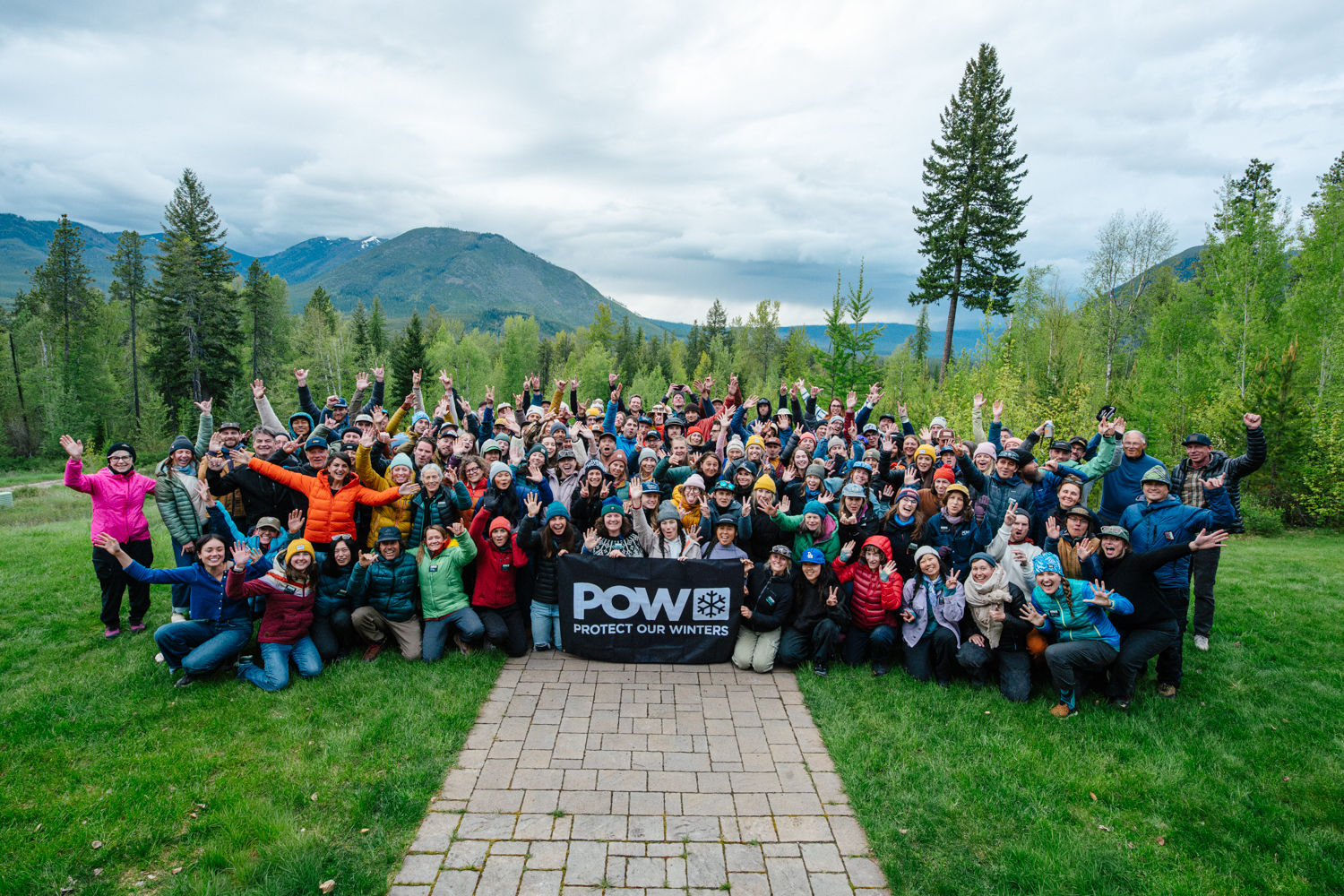
The traditional model of environmental advocacy, often characterized by high-level lobbying in state capitals and federal centers, is undergoing a quiet but significant transformation. Protect Our Winters (POW), an organization historically known for rallying the winter sports industry against climate change, has shifted a substantial portion of its resources toward a localized "Chapter Program." This initiative aims to bridge the gap between recreational outdoor enthusiasts and the municipal decision-making processes that dictate regional land use, energy infrastructure, and voter turnout.
While the impacts of climate change—such as shortened ski seasons, unpredictable precipitation, and wildfire-prone forests—are felt acutely by the outdoor community, the mechanisms for addressing these issues are frequently buried in municipal code, local electric cooperative board meetings, and county land-use planning sessions. By embedding field organizers within specific regions—including the White Mountains of New Hampshire, the Gallatin Valley of Montana, the Western Slope of Colorado, and the Truckee-Tahoe corridor of California—POW is attempting to turn personal recreational interests into sustained civic engagement.
The Shift Toward Municipal Engagement
For decades, the environmental movement struggled with the "scale problem": the disconnect between global atmospheric concerns and local policy decisions. Recent data from the National League of Cities suggests that municipal governments are increasingly responsible for the implementation of 70 percent of climate-related policies, ranging from building electrification standards to renewable energy integration on local grids.
The field organizers tasked with running the POW Chapter Program are professionalizing this shift. Emily Johnson, based in the White Mountains, emphasizes that while national campaigns often feel impersonal, local advocacy provides a tangible, high-leverage opportunity for residents. In regions where local elections are often decided by fewer than 100 votes, the ability to mobilize a dedicated group of outdoor enthusiasts can alter the composition of local boards, such as electric cooperatives or county commissions.
Chronology of Recent Chapter Achievements
The effectiveness of this grassroots approach has been demonstrated through a series of specific, measurable outcomes over the past 18 months:

- Early 2026: In La Plata County, Colorado, local advocates successfully lobbied for the lifting of a moratorium on battery energy storage systems (BESS). This policy change was a critical hurdle for regional grid modernization, allowing for the integration of intermittent renewable energy sources.
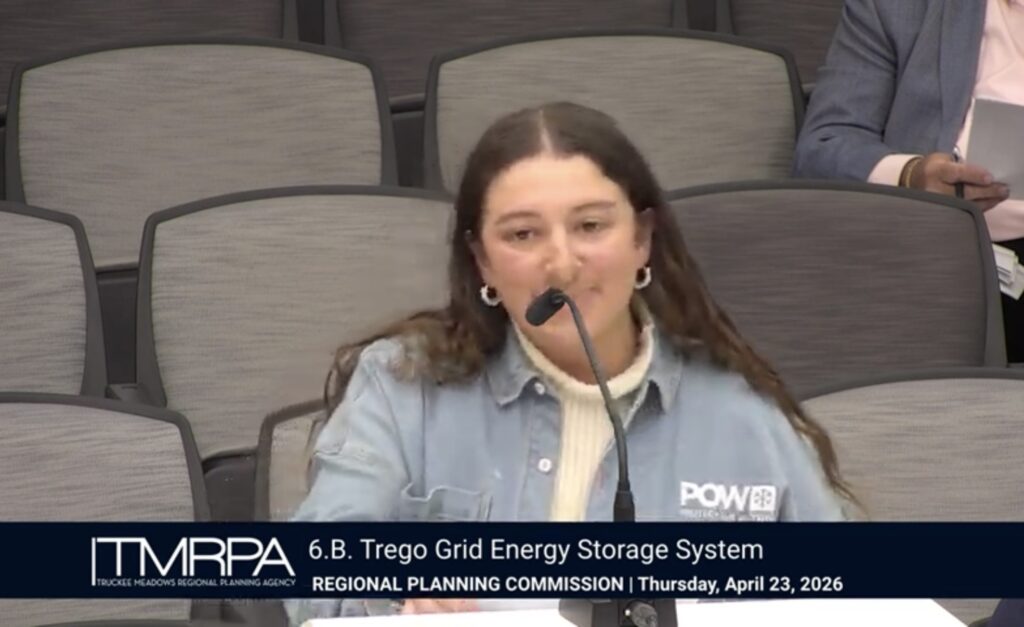
- April 2026: In the Truckee-Tahoe and Reno region, organizers and volunteers mobilized in support of the TregoGrid project. The advocacy efforts helped clear the path for the approval of 200 megawatts of battery storage, a significant increase in the region’s capacity to manage peak energy loads without relying on carbon-intensive peaking plants.
- Mid-2026: In New Hampshire, the POW Action Fund supported the successful election of Laurel Boivin to the New Hampshire Electric Cooperative Board of Directors. Boivin’s transition from a professional in energy policy to a governing board member represents a strategic victory for those seeking to shift regional energy procurement toward more sustainable models.
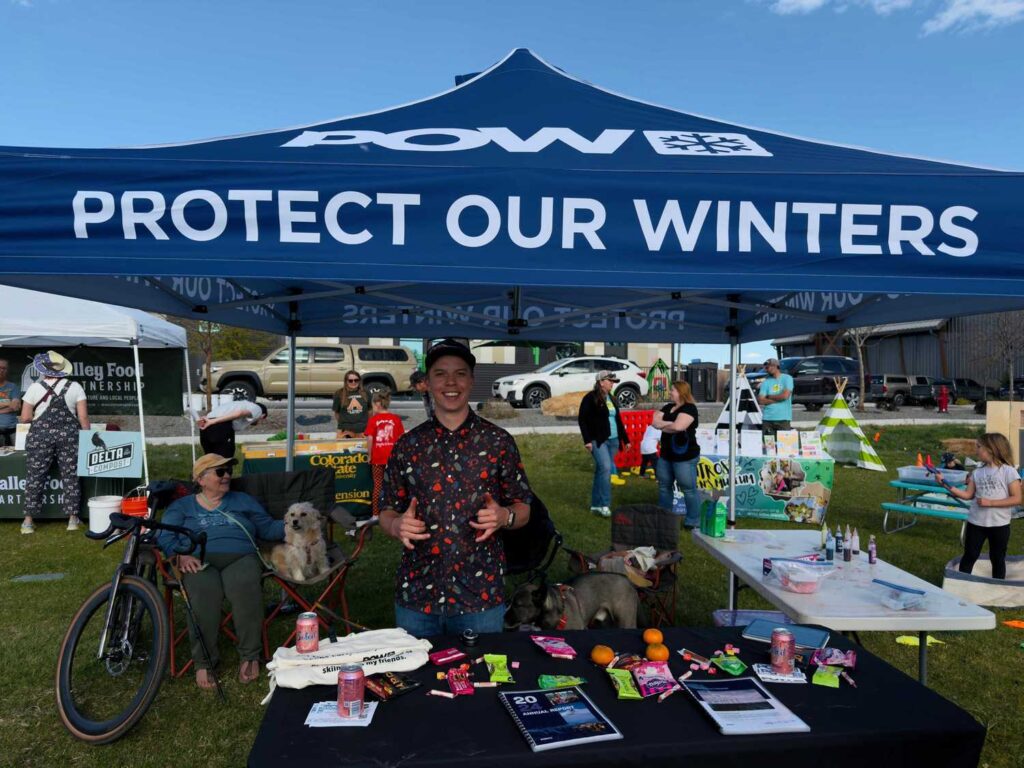
- Summer 2026: In Montana, organizers facilitated community engagement events—including bike rides and town halls—to provide public comment on NorthWestern Energy’s Integrated Resource Plan (IRP). This effort forced a public reckoning with the utility’s 20-year plan, highlighting the tension between continued investment in fossil-fuel-reliant infrastructure and the state’s stated net-zero goals.
The Anatomy of Localized Advocacy
The core philosophy of the POW Chapter Program rests on the concept of "movement building as an antidote to apathy." By focusing on the local scale, organizers argue they can lower the barrier to entry for the average citizen.
Savanna, a field organizer in Montana, notes that civic participation is a "muscle" that requires training. The "why" behind this movement is supported by the reality of voter turnout statistics; municipal and special-district elections typically see significantly lower participation rates than federal elections, meaning that a small, organized group can wield disproportionate influence.
Leda, an organizer covering Southwest Colorado and the Yampa Valley, points out that the environmental movement often fails by focusing on abstract, large-scale problems that leave individuals feeling powerless. By focusing on specific projects—such as the 500 megawatts of clean energy capacity currently under discussion in Montezuma and Routt counties—advocates can provide a concrete goal for their constituents.
Data-Driven Civic Participation
The current political landscape, characterized by high polarization, has paradoxically made local government more accessible. Because local officials—such as city council members and county commissioners—often have limited staff and resources, they rely heavily on public comment periods to gauge community sentiment.
According to the organizers, a simple public comment submitted to a county board or a letter to the editor in a local paper can be more effective than a mass-email campaign directed at a federal representative. This is due to the "small margin" reality of local governance; when a project’s approval hinges on a 3-2 vote by a council, the public testimony of a dozen informed and engaged citizens can shift the outcome of a decision that lasts for decades.
Broader Implications for Climate Policy
The implications of this strategy extend beyond individual projects. By fostering a base of citizens who are accustomed to engaging with local boards, utilities, and planning departments, these chapters are building a permanent infrastructure for advocacy.
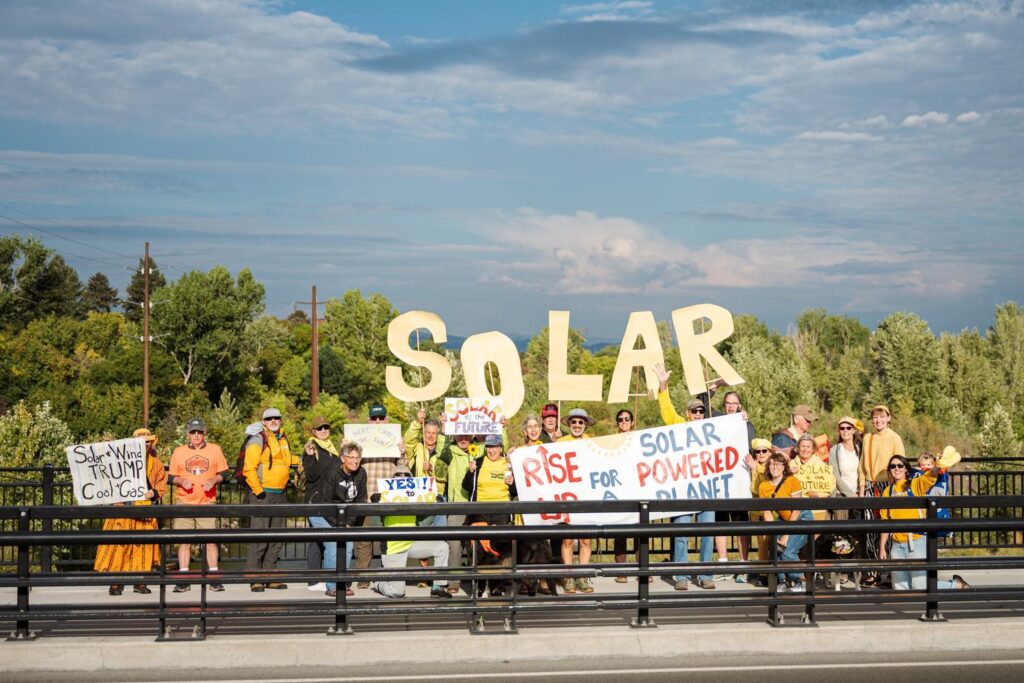
Field organizers are now looking toward the upcoming midterms, framing the elections as a primary opportunity to "shift who decides." This involves not only voter registration drives but also educating the public on how local positions—such as seats on a Public Service Commission or a school board—influence the climate readiness of a community.
There is also a broader, symbolic goal: to reclaim the narrative that the outdoors is a "sacred" space that requires protection, not just a commodity to be consumed. By connecting with figures like Alexandria Ocasio-Cortez or referencing historical activists like Jeanette Rankin, these organizers are attempting to link their outdoor lifestyle to a wider tradition of American civic duty.
Addressing the Barriers to Entry
One of the most persistent hurdles for environmental organizations is the perceived "expertise gap." Many potential volunteers fear that they lack the technical knowledge to participate in complex debates regarding grid capacity, energy storage, or land-use law.
The POW organizers are actively working to dismantle this perception. Their approach centers on three pillars:
- Storytelling: Encouraging volunteers to lead with their personal connection to the land rather than technical jargon.
- Support Networks: Using chapter meetings to "train the trainer," where experienced volunteers guide newcomers through the process of public comment.
- Community: Emphasizing that advocacy is a social, as well as political, activity.
As the program expands into new territories, the central challenge will be maintaining the efficacy of these small, community-led units while scaling the lessons learned across the country. The current trajectory suggests that the future of environmental advocacy may not lie in the halls of Congress alone, but in the meeting rooms of town halls, where the decisions that define our local landscapes are made, one vote at a time.
For those interested in participating, the organization maintains a digital portal, "POW Connected," which serves as the primary coordination hub for chapter meetings and volunteer opportunities. As the midterms approach, the intensity of these local efforts is expected to increase, further testing the theory that localized civic engagement can serve as the bedrock for broader national climate goals.

