
The FIS Alpine Ski World Cup is set to make a triumphant return to the Slovak resort of Jasná, with the women’s circuit scheduled for a high-stakes weekend of giant slalom and slalom events on January 23–24, 2027. This return marks a significant milestone for the Slovak Ski Federation, which has worked meticulously to solidify the Low Tatras mountain range as a premier destination on the international professional ski circuit. Following the massive success of the 2024 event, which drew capacity crowds and global media attention, the upcoming races serve as both a celebration of elite athleticism and a testament to the organizational capabilities of a nation deeply committed to the sport.
The logistical planning for 2027 has been underway for months, with the organizing committee focusing on infrastructure upgrades, spectator safety, and the seamless integration of fan-centric zones. For the international racing community, Jasná has become synonymous with an atmosphere that stands apart from the traditional Alpine hubs of Austria, Switzerland, and Italy. While the iconic "sea of orange"—the signature color of local heroine Petra Vlhová’s supporters—often dominates the visual landscape, the event has earned a reputation for being one of the most inclusive and energetic stops on the tour.
A Legacy of Passion and Resilience

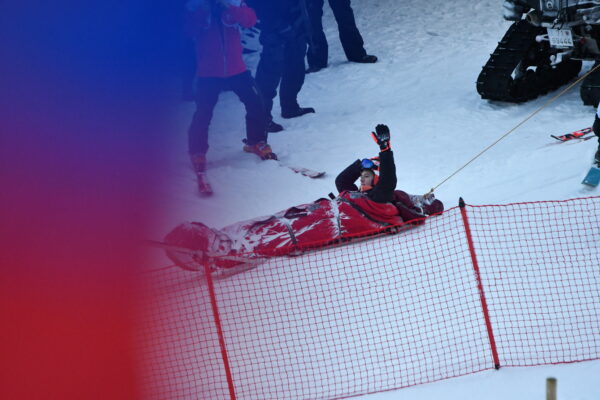
To understand the weight of the 2027 announcement, one must look back to the emotional arc of the 2024 event. The weekend began with an electric anticipation that saw tickets sold out within hours of their release, as thousands gathered at the bib draw to witness the world’s elite. However, the mood shifted abruptly on January 20, 2024, when local superstar and Olympic champion Petra Vlhová suffered a season-ending knee injury during the opening run of the giant slalom.
The immediate silence that descended upon the slope of Jasná was, according to event organizers, one of the most profound moments in the history of the resort. It was a test of the event’s character. In many instances, the departure of a hometown favorite from a race can lead to a drop in attendance or a decline in crowd energy. Instead, the Slovak spectators demonstrated an extraordinary commitment to the sport itself. By Sunday’s slalom, the venue was packed once again. The fans, while visibly missing their local hero, provided a warm, boisterous, and fair reception for the entire field of international racers. This display of sportsmanship did not go unnoticed by the athletes, many of whom noted in post-race interviews that the noise levels and the warmth of the reception were among the highest they had experienced on the World Cup tour.
The Strategic Importance of the Three-Year Cycle
The FIS calendar is a complex mosaic of tradition, geography, and commercial viability. Jasná’s recurring inclusion—approximately every three years—presents a unique challenge for the local organizers, who must maintain momentum and infrastructure readiness during the gaps. Peter Pukalovič, chairman of the organizing committee, emphasizes that the three-year cadence is a strategic choice that allows the federation to focus on long-term growth.

"It is our home, and we treat it with that level of care," Pukalovič remarked. "As a relatively young federation, organizing two major World Cup events in such a short window is an achievement we take great pride in. It is not just about the economic influx; it is about the prestige. We are showing the world that Slovakia can host the very best."
The economic implications are significant. Beyond the direct revenue from tourism and hospitality, the World Cup serves as a global marketing vehicle for Slovakia. The broadcast reach of the women’s tour, which is watched by millions across Europe, North America, and Asia, provides the region with visibility that would be impossible to secure through traditional advertising. By investing in permanent upgrades—such as improved cabling, snow-making technology, and spectator logistics—the organizing committee is ensuring that the resort remains a viable candidate for future FIS events, potentially even for the men’s circuit.
The Athletes’ Perspective: A Unique Destination
The feedback from the 2024 participants remains a cornerstone of the marketing narrative for 2027. Sara Hector, who claimed victory in the 2024 giant slalom with a commanding 1.52-second lead, highlighted the contrast between the technical quality of the course and the warmth of the environment. "It was a surreal experience," Hector stated. "The snow was perfectly prepped, and the crowd—even after the tragic news about Petra—remained incredibly supportive. It was a professional, world-class setup."
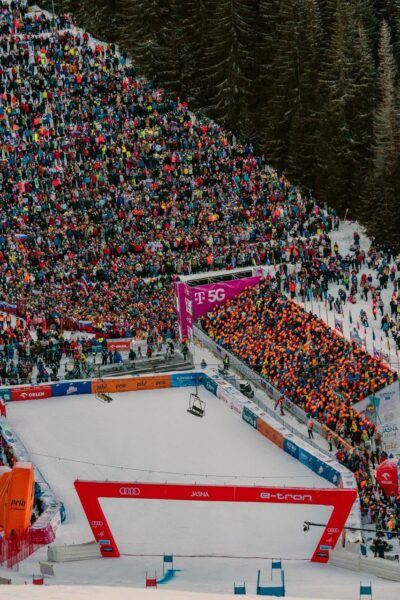
Similarly, Thea Louise Stjernesund noted the dedication of the fans, recalling how spectators began trekking to the finish area as early as 5:00 a.m. to secure vantage points. For many racers, this level of intensity is exactly what keeps the sport alive. It transforms a standard race into a major sporting event.
The bond between the athletes and the fans has even transcended national lines. Croatian skier Zrinka Ljutić has become a particular favorite among the Slovak crowd. Observers have noted that, amidst the orange hats, one can increasingly find Croatian flags. This cross-pollination of support suggests that the Jasná audience is evolving into a cosmopolitan fan base that appreciates talent regardless of nationality. This sentiment is echoed by Mikaela Shiffrin, who won the 2024 slalom. Shiffrin, a veteran of the circuit, pointed out that the trophy awarded in Jasná—a crown inspired by traditional Liptov folk embroidery and Czech crystal—is a unique artifact that represents the pride of the host region.
Infrastructure and Future-Proofing
Looking toward 2027, the organizing committee is not resting on its laurels. Technical crews have already initiated infrastructure improvements that go beyond the basic requirements for a World Cup race. The focus is on three key pillars: transportation, accommodation, and accessibility. Lessons learned in 2024 regarding parking and shuttle traffic have led to a revised logistics plan intended to minimize the carbon footprint and maximize the ease of access for the thousands expected to descend upon the Liptov region.
Furthermore, the committee is working closely with the official Petra Vlhová fan club to create a unified "fan zone" experience. This space is designed to be a hub for international supporters, offering live music, cultural exhibits, and interactive displays that celebrate the history of Slovak skiing. By formalizing this space, the organizers hope to create a template for fan engagement that could be adopted by other venues on the World Cup tour.
Inclusion as a Core Principle
The Slovak Ski Federation is also using the 2027 event to double down on its commitment to inclusive sports. The inclusion of para-alpine skier Marek Kubátka as a forerunner in 2024 was a deliberate effort to showcase the diversity of the Slovak ski team. Pukalovič has confirmed that para-alpine athletes will once again play a prominent role in the 2027 event. By bringing these athletes into the spotlight of the World Cup, the federation is advocating for the broader integration of para-sports into mainstream athletic discourse. This is not merely a symbolic gesture; it is a reflection of a philosophy that views the entire spectrum of skiing as one interconnected community.
Beyond the Race: The Cultural Landscape

The impact of the World Cup on the region extends far beyond the weekend of the races. The Liptov region is rapidly building a permanent legacy centered on its athletic heritage. The Petra Vlhová Museum in Drahovce has become a destination in its own right, serving as a repository for the equipment and trophies that have defined a generation of Slovak sports success. Additionally, the ongoing development of the Park of Olympic Champions in Liptovský Mikuláš highlights a desire to create a permanent, public space that honors the city’s contributions to global athletics.
This infrastructure is designed to be "living history," according to Dušan Stančík, a key figure in the project. "We don’t want a static memorial," Stančík explained. "We want a vibrant space where people gather, exercise, and celebrate the values of the Olympic movement."
The Road to 2027
As the world prepares for the January 2027 return to Jasná, the expectations are higher than ever. The organizers have set a standard for technical excellence and fan experience that forces other resorts to take notice. The combination of a challenging, technically demanding slope and a spectator culture that is both fierce and fair creates a unique ecosystem.

The conversation regarding whether the resort could eventually host a men’s event remains open. While no formal bid has been submitted, the successful management of previous events and the high regard in which the venue is held by the international community suggest that it is a logical next step. For now, however, the focus is squarely on the women’s circuit.
The "orange sea" is already preparing. The technical upgrades are moving on schedule. And the athletes, having experienced the deafening roar of the Liptov mountains, are planning their return. The 2027 World Cup in Jasná promises to be more than just a competition; it will be a display of resilience, a showcase of local culture, and a celebration of a sport that, in the heart of Slovakia, is held with a level of passion that is rarely matched anywhere else in the world. As the calendar counts down to January 2027, the message from the organizing committee is clear: the gates are open, the snow is being prepared, and the spirit of Jasná is ready to welcome the world once more.

