
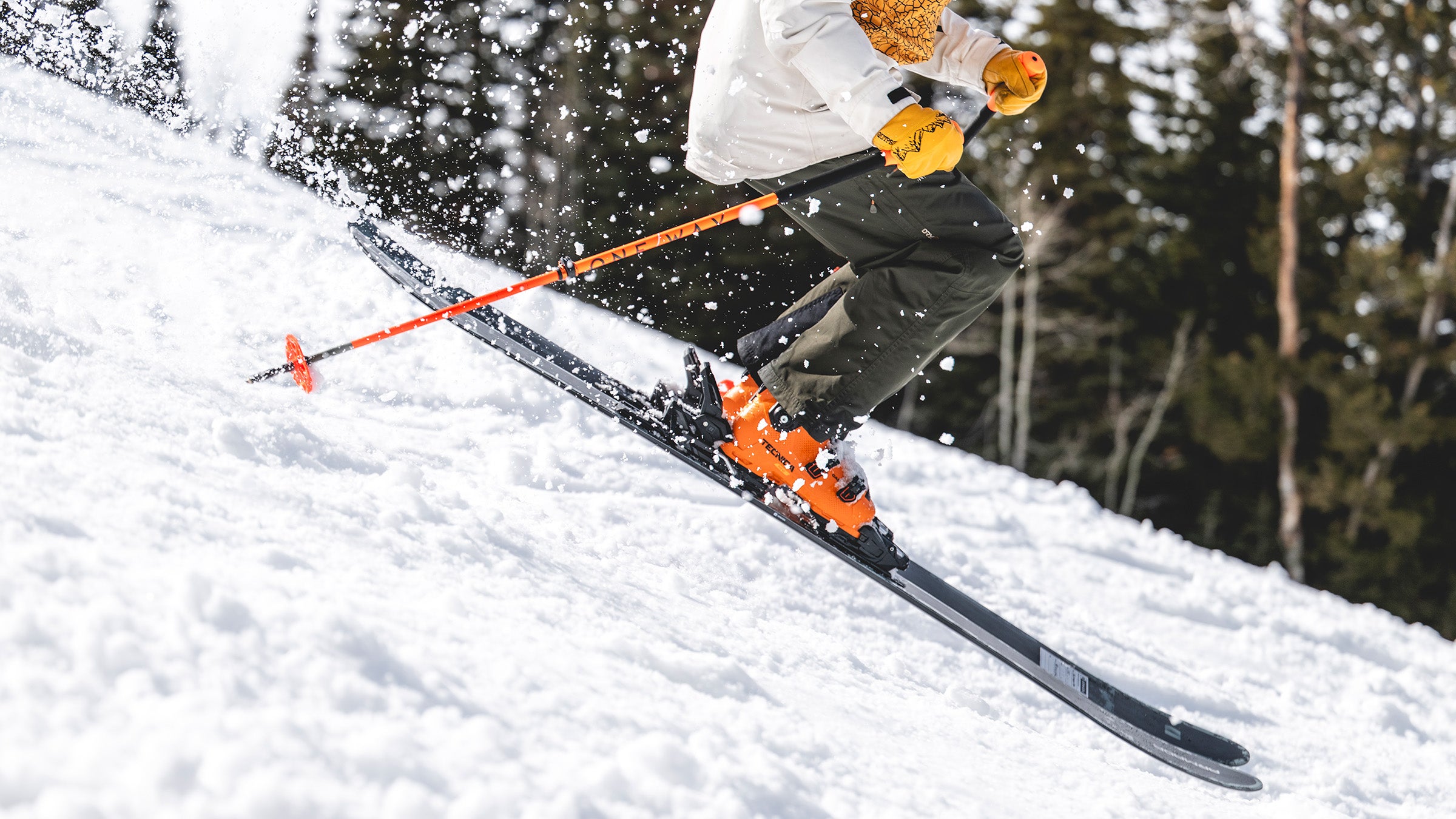
The evolution of alpine ski boot manufacturing has reached a critical juncture where technological innovation and ergonomic precision intersect to redefine performance on the slopes. Following an exhaustive two-week evaluation period at Timberline Resort in Oregon, industry experts have unveiled the definitive ski boot lineup for the 2027 season. Conducted in partnership with Masterfit and America’s Best Bootfitters, this year’s assessment analyzed fifty distinct alpine boot models across narrow (LV), medium (MV), and wide (HV) volume categories, alongside multiple flex options. Ten elite testers—comprising professional bootfitters and high-level skiers—scored each piece of equipment based on fifteen rigorous fit and stance parameters, examining initial comfort, on-snow performance, stance geometry, edge power, quickness, and integrated feature sets.
Background Context and Chronological Testing Protocol
The annual Masterfit and America’s Best Bootfitters test has served as the gold standard for ski industry gear evaluation for decades. The 2027 assessment cycle represents one of the most comprehensive analytical windows in recent history, reflecting significant manufacturing shifts across the global winter sports market. Over a fourteen-day period at Timberline Lodge, testers subjected every submitted model to punishing on-snow conditions, ranging from early-morning hardpack and boilerplate ice to softening afternoon crud and mixed spring snow.
To maintain strict objectivity, evaluators utilized a proprietary smartphone application developed specifically for the testing syndicate, logging real-time data immediately following physical trials. Testers frequently employed a side-by-side comparative methodology, skiing with different boots on each foot to isolate subtle differences in flex dynamics, power transmission, and anatomical containment. Mark Elling, a veteran level-three PSIA certified instructor, board-certified pedorthist, and coordinator of the Masterfit test, emphasized that the objective is to judge each boot strictly on how effectively it serves its intended demographic, separating personal bias from technical merit.
Key Findings and Supporting Data from the 2027 Lineup
The overarching takeaway from the 2027 testing cycle is a dramatic narrowing of the gap between comfort and high-end performance. Manufacturers have successfully addressed historical pain points, introducing advanced liner materials, lighter composite shells, and sophisticated closure mechanisms—most notably the widespread integration of BOA technology—that allow for micro-adjustable, pressure-distributed fit profiles.
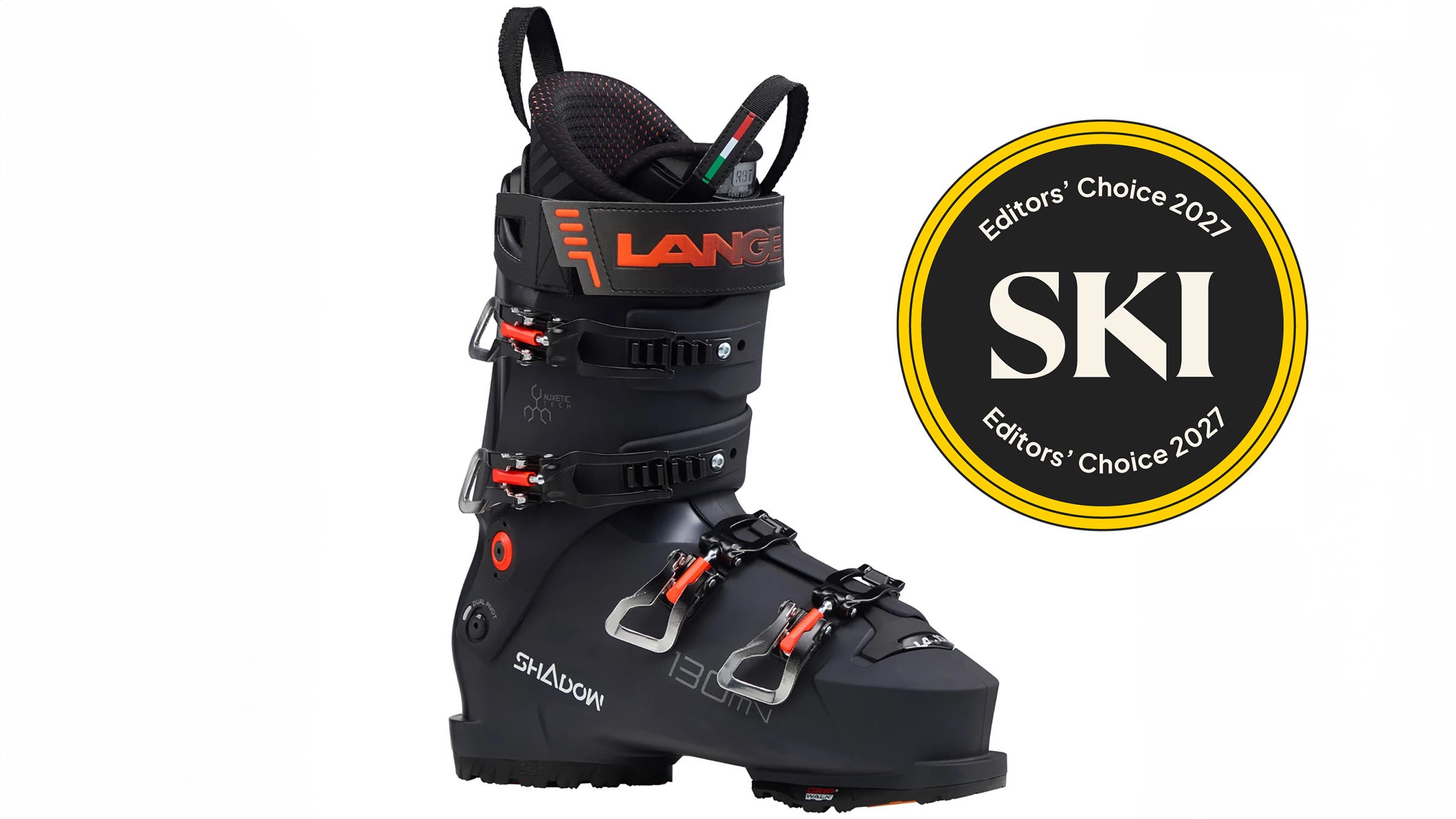
Among the standout performers, the Lange Shadow MV secured the prestigious Editors’ Choice designation. Retailing between $900 and $1,050 with a tested flex of 130 and a 100mm last, the Shadow MV addresses previous criticisms regarding short toe boxes and volumetric excess. Its updated Auxetic liner features a hexagonal etching pattern that reduces potential pack-out by fifteen percent while enhancing heel and ankle retention. Testers praised its four-point cuff-to-shell connection, which optimizes energy transmission without requiring over-buckling.
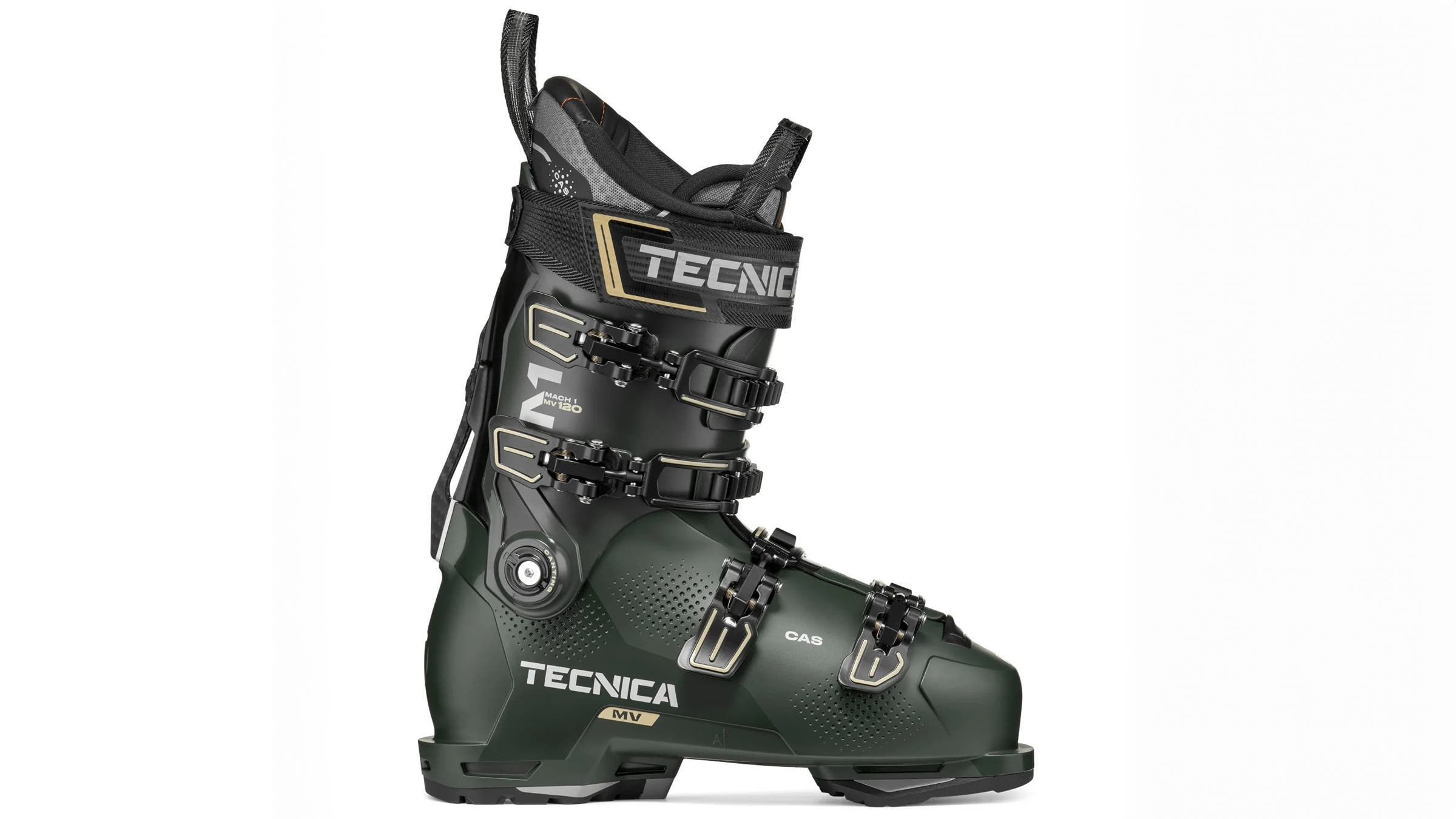
For the broader market, the Tecnica Mach 1 TD2 MV emerged as the premier choice for the majority of all-mountain skiers. Priced between $800 and $900, this iteration incorporates the T-Drive 2.0 rear connector—a spring-loaded hinge system linking the Grilamid cuff to the lower shell. This mechanism provides a snappier flex return-to-center while lightening the overall structure. Testers noted that while ankle pockets may require targeted heat molding for certain foot shapes, the boot offers exceptional edge control and significantly easier entry and exit compared to its predecessors.
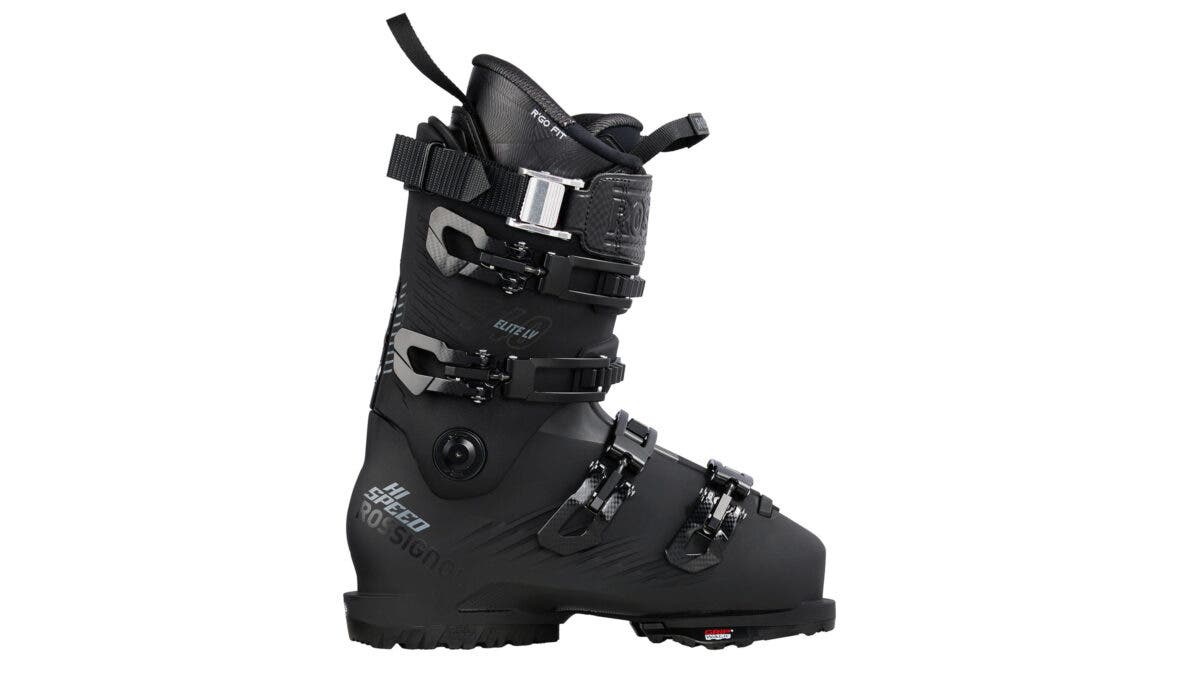
Advanced and expert skiers demanding uncompromised precision gravitated toward the Rossignol Hi-Speed Elite LV. Tested in a formidable 140 flex with a 98mm last, this model relies on the newly developed R-Go Fit liner. By blending specialized foam densities and applying a thin polyurethane film to the exterior, Rossignol achieved a firmer anatomical grip and minimized material degradation over extended use.
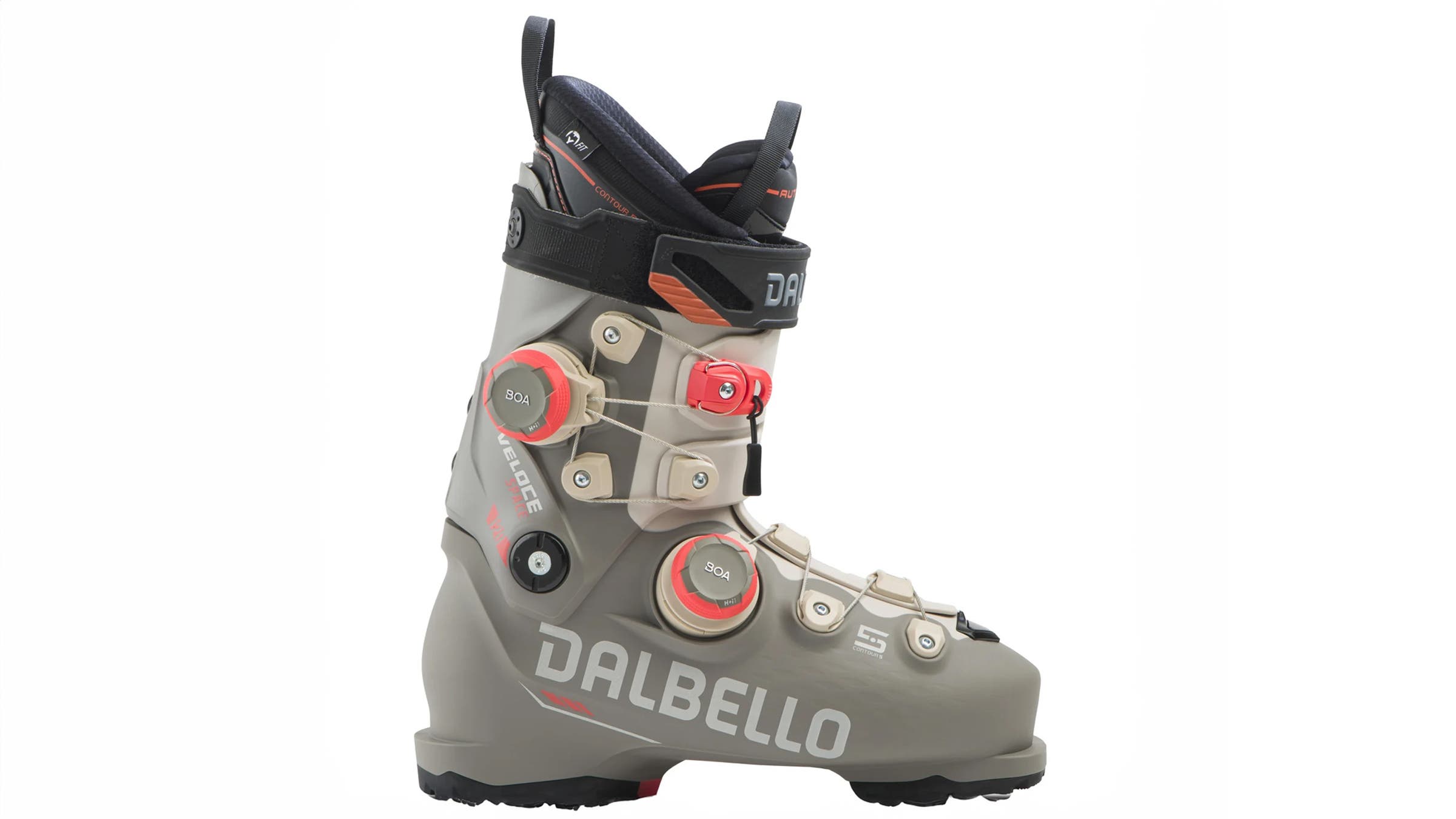
Value-driven consumers found exceptional performance in the Dalbello Veloce Space Dual, retailing at approximately $830. Despite the inherent cable management complexities associated with dual-BOA configurations, the 100mm-lasted boot delivered peerless medium-volume performance across diverse snow conditions, regularly matching the stability of stiffer 130-flex competitors.
Technical Innovations: The Shift Toward Specialized Construction
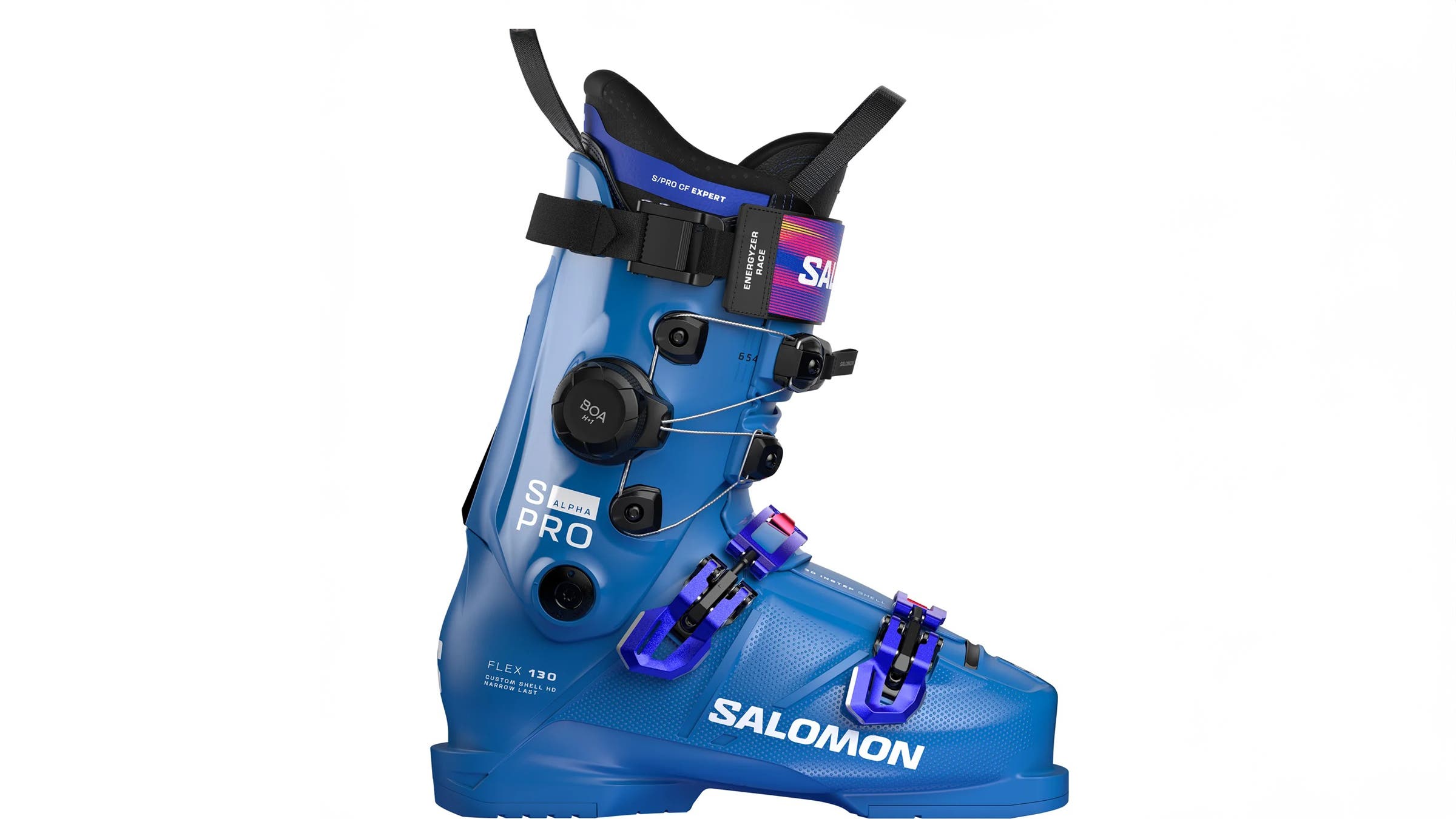
The 2027 season also highlighted radical departures from traditional overlap boot architecture. The Salomon S/Pro Alpha C BOA introduced a minimalist inner ankle pivot design, eliminating traditional rivets and screws in favor of a continuous cuff contour anchored low near the sole via a metal plate designated as the Powerlink. This geometry yields a distinctive, long-travel flex feel that grants skiers enhanced tactile feedback during high-speed carving arcs.
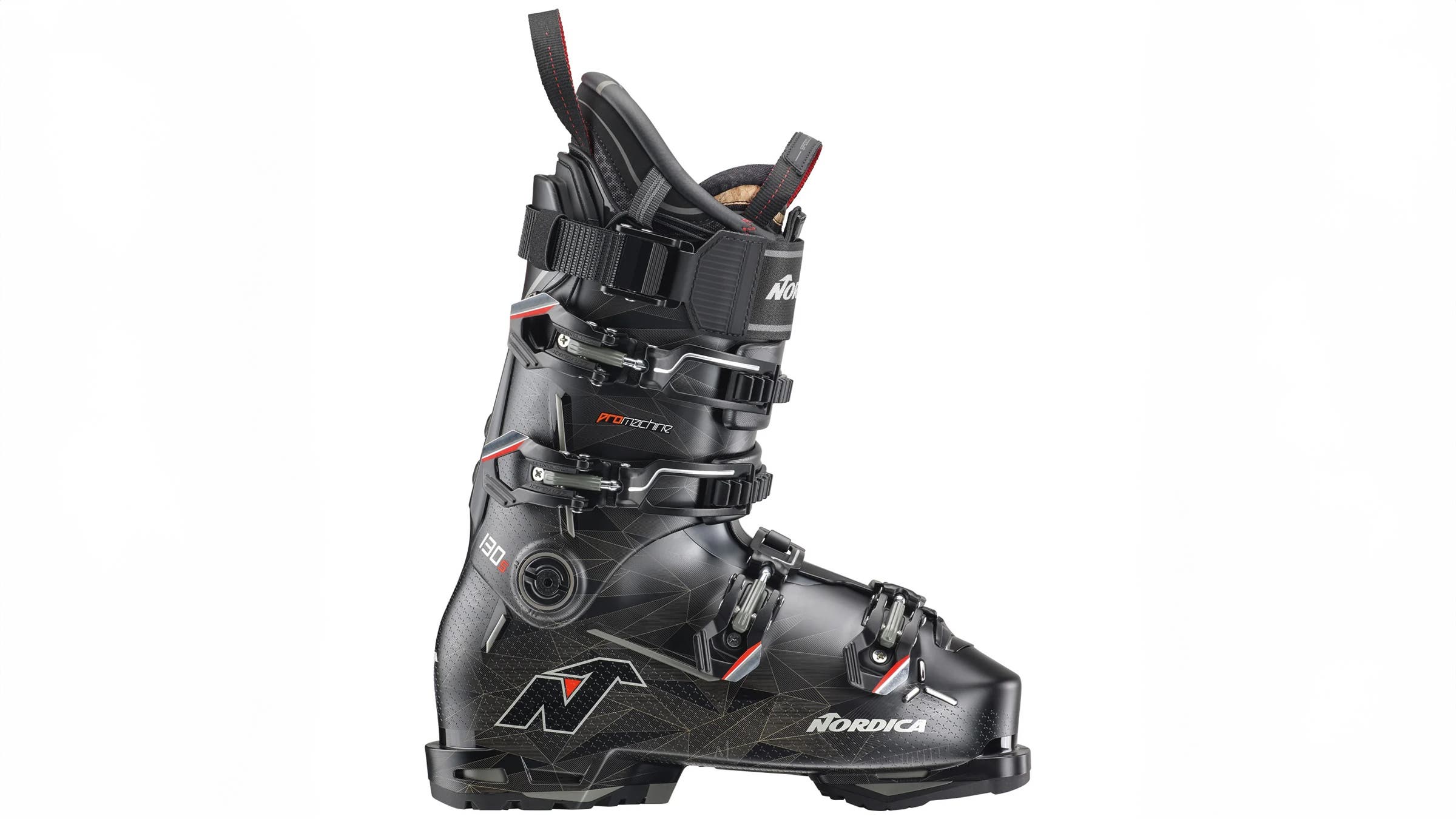
Similarly, the Nordica Promachine 3 integrated a co-molded internal skeleton known as the 3Force Frame into its low-volume shell. Combined with a new lace-up liner configuration designed to secure slender lower legs, the Promachine 3 elevated responsiveness and weight reduction for low-volume users, notwithstanding the minor inconvenience of lace management during entry.
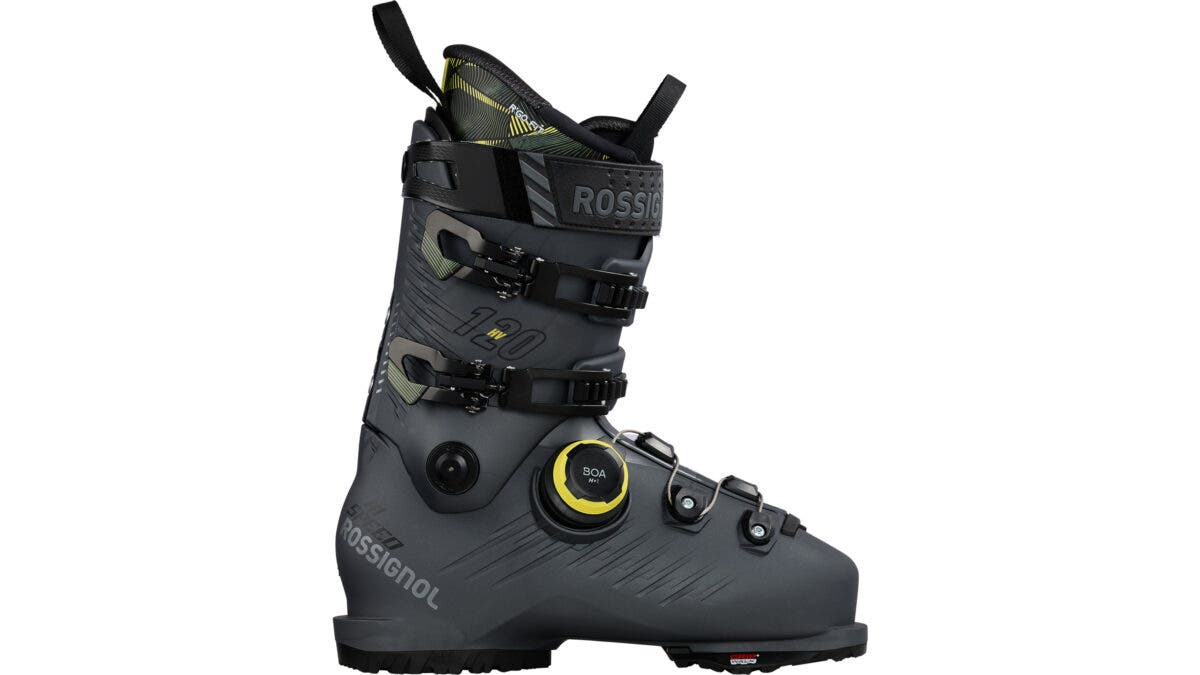
For wide-footed skiers, the Rossignol Hi-Speed HV BOA and the Atomic Nexus BOA addressed historical compromises between comfort and mechanical stability. The Hi-Speed HV BOA couples a 102mm last with a lower shell BOA dial, providing secure rearfoot containment without forefoot compression. Meanwhile, the Atomic Nexus BOA targets high-volume feet, thick insteps, and larger calves through a rear-entry lever system combined with a single BOA adjustment, ensuring rapid entry and predictable cruising performance.
Industry Implications and Consumer Guidance
The convergence of advanced materials and meticulous anatomical mapping in the 2027 gear cycle underscores a broader commercial trend: consumer demand for customization-ready products straight out of the box. However, industry stakeholders universally stress that catalog specifications cannot replace professional consultation. Foot morphology varies widely in terms of length, width, instep height, and calf volume, making the guidance of a trained bootfitter essential for optimizing equipment performance.
As winter sports enthusiasts prepare for the upcoming season, the consensus among Masterfit evaluators is clear. The 2027 market offers unprecedented diversity in flex indices, volumetric lasts, and closure systems, ensuring that skiers across all proficiency levels can achieve a harmonious balance of physiological comfort and mechanical efficiency.

