
Vancouver serves as the primary international aviation hub for British Columbia, yet for many winter sports enthusiasts, the city has historically functioned merely as a transit point. Skiers and snowboarders landing at Vancouver International Airport (YVR) often immediately transit to legendary resorts such as Whistler Blackcomb, Sun Peaks, Fernie, Red Mountain, Whitewater, Revelstoke, and Kicking Horse. However, a recent assessment of the city’s urban infrastructure, cultural assets, and logistical accessibility suggests that Vancouver is increasingly establishing itself as a standalone destination that warrants a dedicated stopover for alpine travelers.
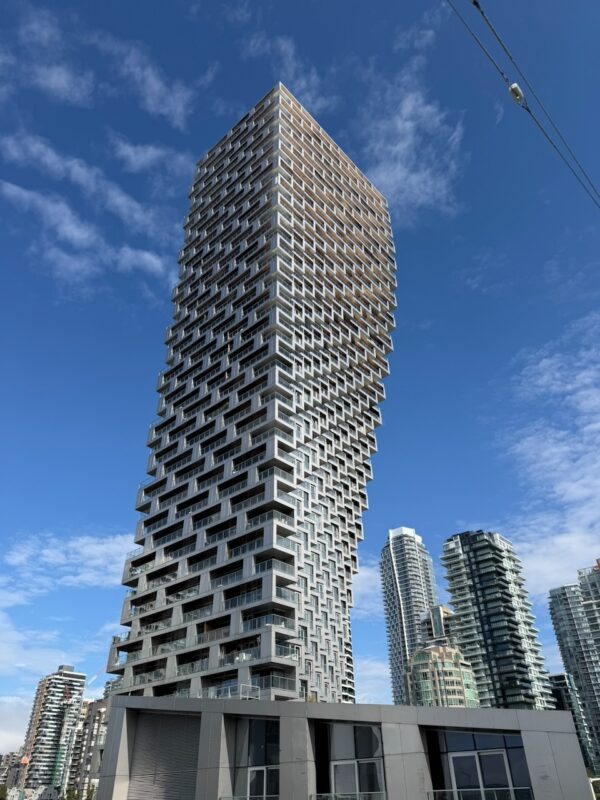
Architectural and Geographical Synthesis
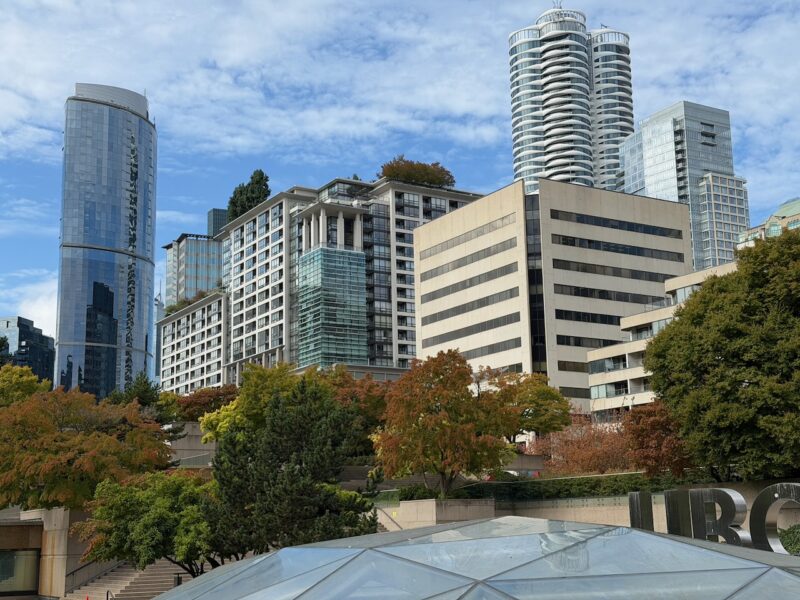
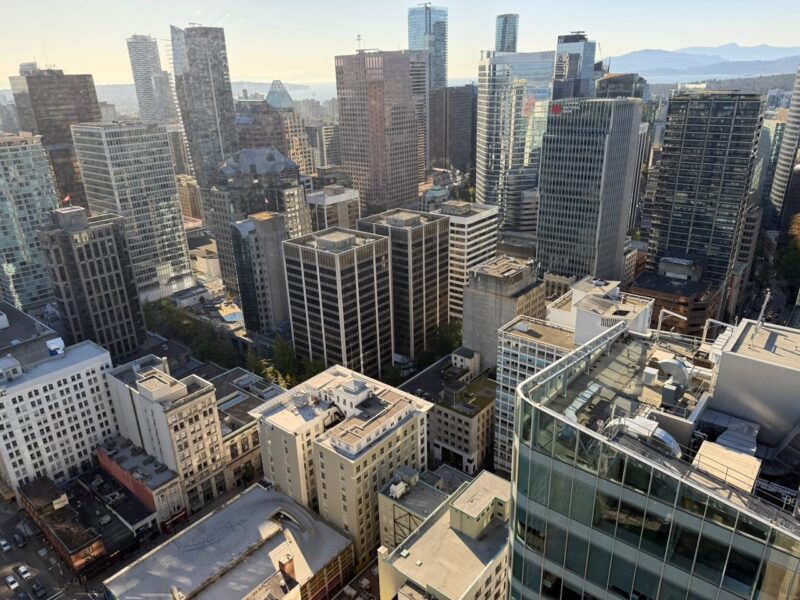
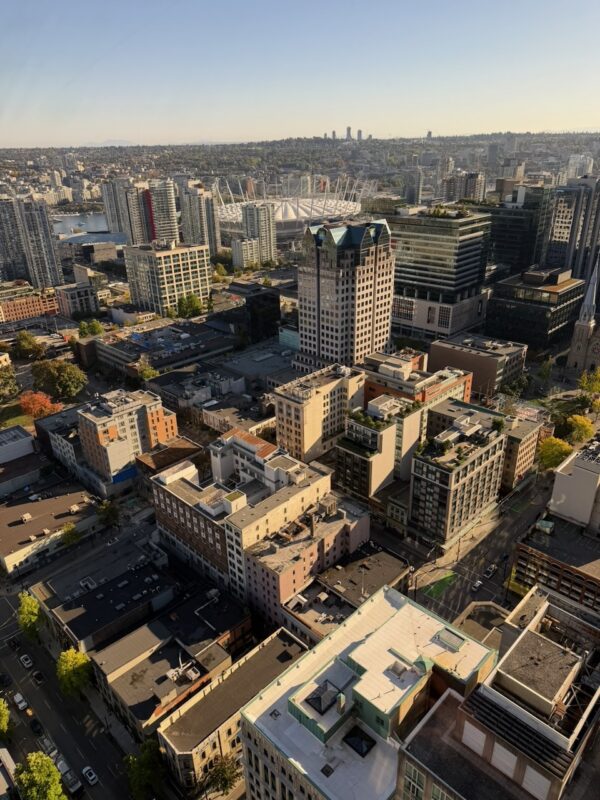
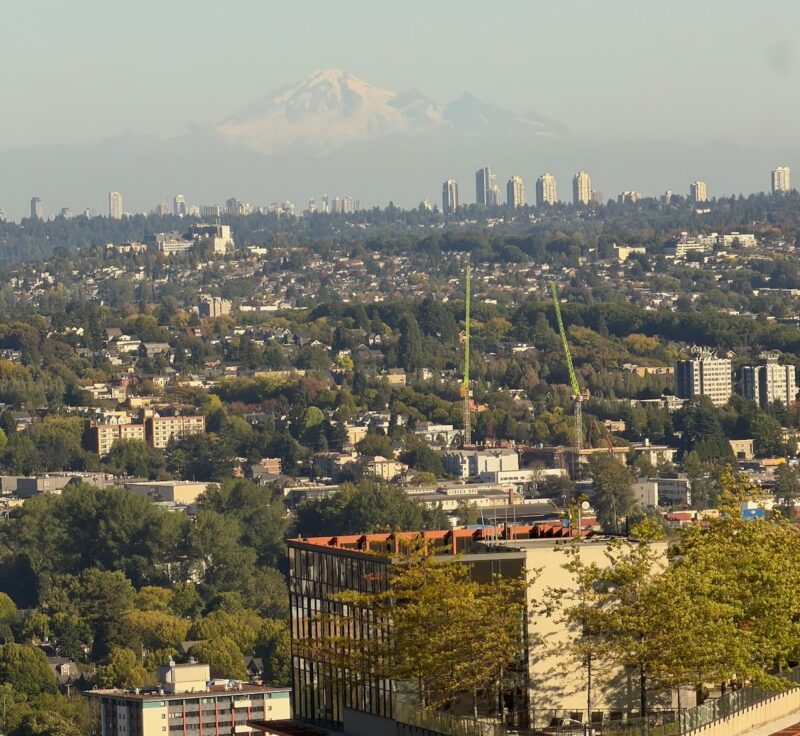
The urban landscape of Vancouver is defined by a unique juxtaposition of high-density, modern glass-and-steel architecture—reminiscent of the vertical density found in Singapore, New York, or Tokyo—and the dramatic natural topography of the North Shore Mountains. This integration of a major financial center with an immediate alpine backdrop is rare globally. The skyline is dominated by residential and commercial towers that utilize high-performance glazing, reflecting the surrounding waters of Burrard Inlet and the rugged terrain of the Pacific Ranges.
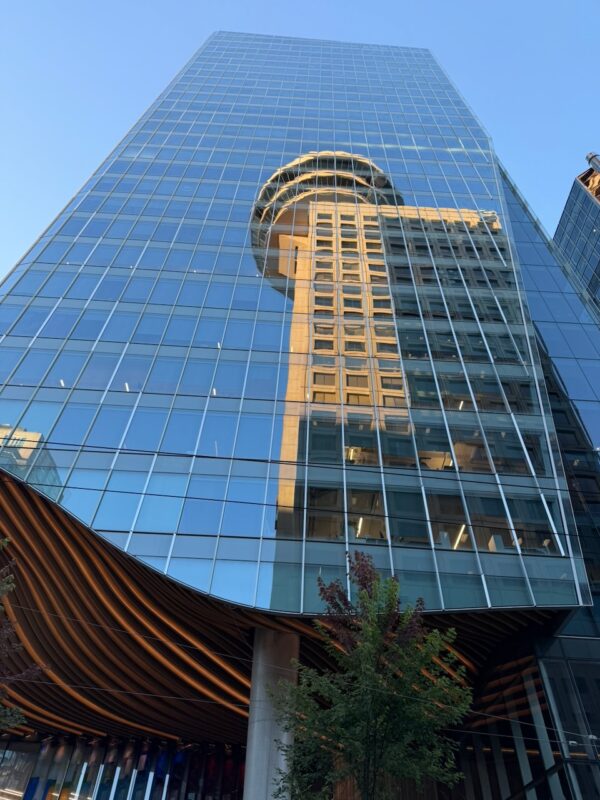
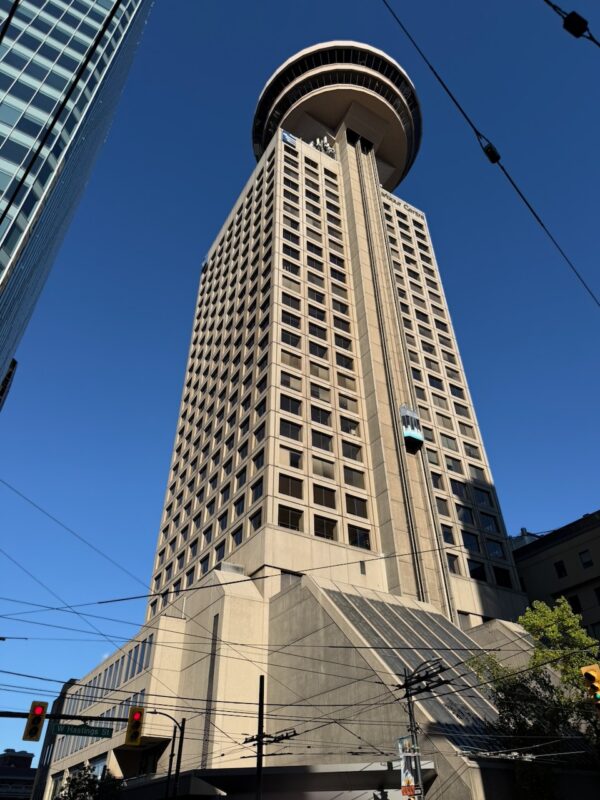
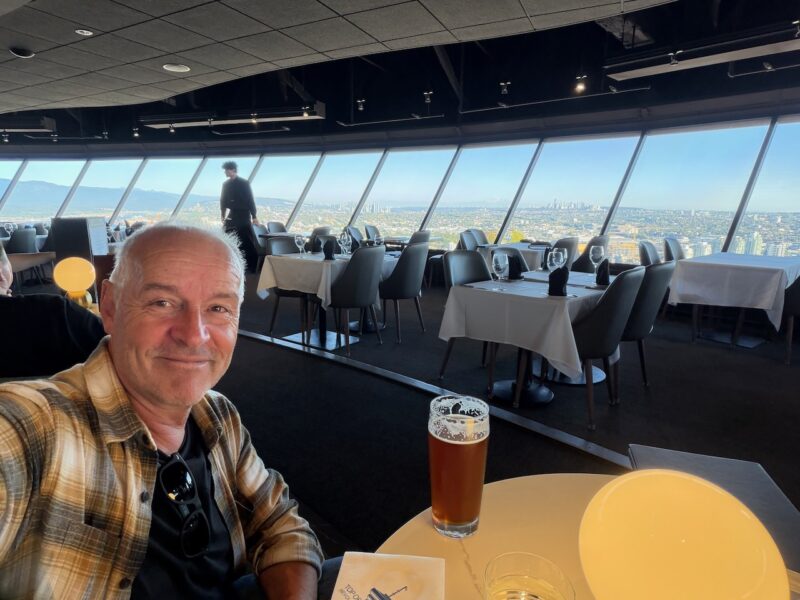
The city’s geography facilitates an seamless transition between the metropolitan core and wilderness access. From the vantage point of the Vancouver Lookout, located 168 meters above street level in the Harbour Centre, visitors gain a 360-degree perspective of the urban layout and its relationship with the surrounding region. While the observation deck charges an entrance fee of approximately $23 CAD, industry observers note that local hospitality venues, such as the Top of Vancouver revolving restaurant, provide a similar panoramic experience, often cited by frequent travelers as a more cost-effective alternative.
Logistics and Urban Transit
The city’s transit infrastructure supports efficient navigation for both business and leisure travelers. The SeaBus, a passenger-only ferry system, links downtown Vancouver to North Vancouver across the Burrard Inlet. Operating as a critical component of the regional TransLink network, the service provides commuters and tourists with a cost-effective transit option—approximately $3.40 CAD for a return trip. The route offers a functional look at the city’s maritime economy, passing by industrial shipping terminals that serve as a nexus for global trade.
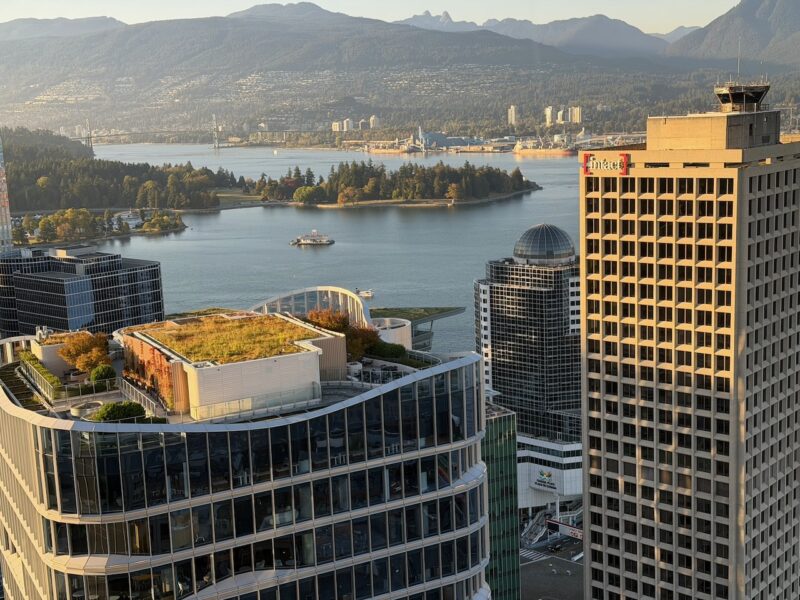
Vancouver’s significance as an international port cannot be overstated. The movement of raw materials and manufactured goods via Canadian rail networks, which terminate at these docks, highlights the city’s role in the trans-Pacific supply chain. Observing the massive container ships anchored in the bay provides context to the sheer scale of the logistical operations that sustain the Canadian economy, a stark contrast to the quiet, snow-covered slopes found just a few hours to the north.
Cultural and Historical Context
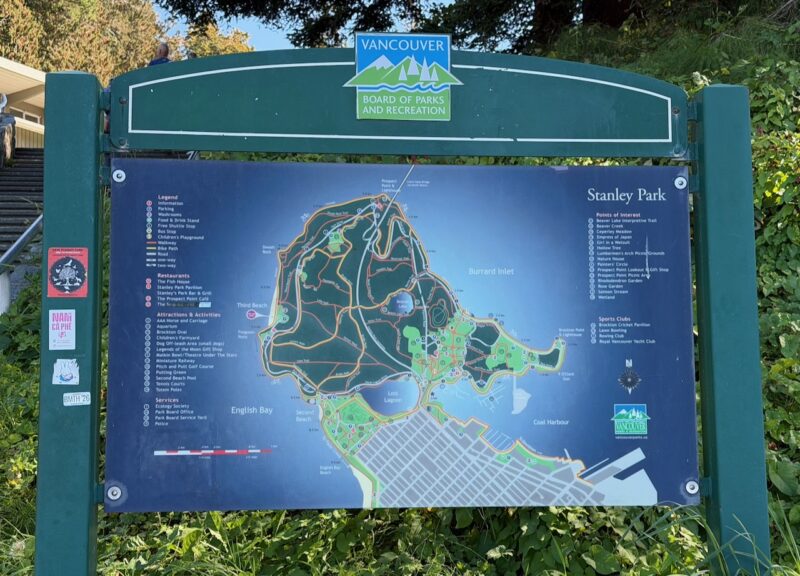
The history of the region is rooted in the ancestral territories of the Musqueam, Squamish, and Tsleil-Waututh First Nations, whose presence in the area dates back over 10,000 years. This history is integrated into the city’s public spaces, notably within Stanley Park. The park, encompassing 400 hectares of temperate rainforest, serves as a significant urban green space. It is home to a collection of totem poles that have stood since 1920, representing the artistic and cultural narratives of the region’s indigenous peoples. These sites are essential for visitors seeking to understand the socio-cultural foundations of British Columbia beyond its recreational utility.
Gastronomy and Economic Diversification
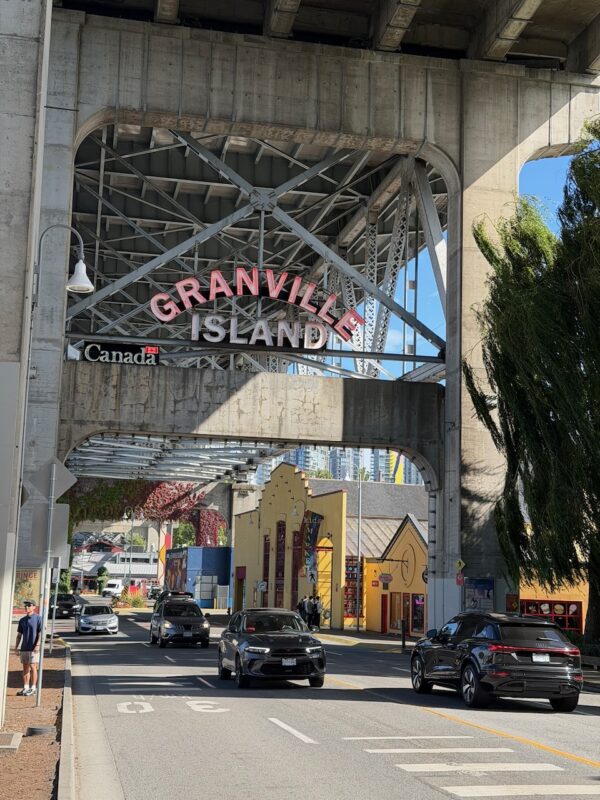
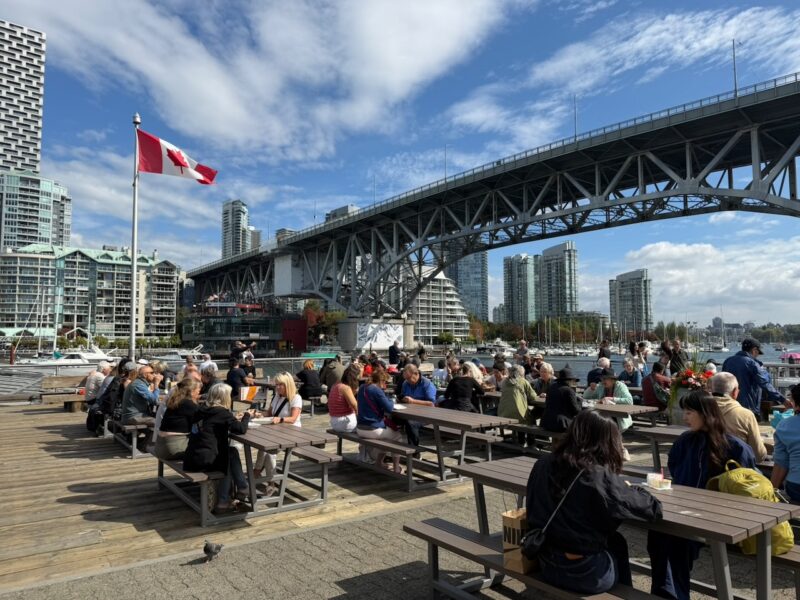
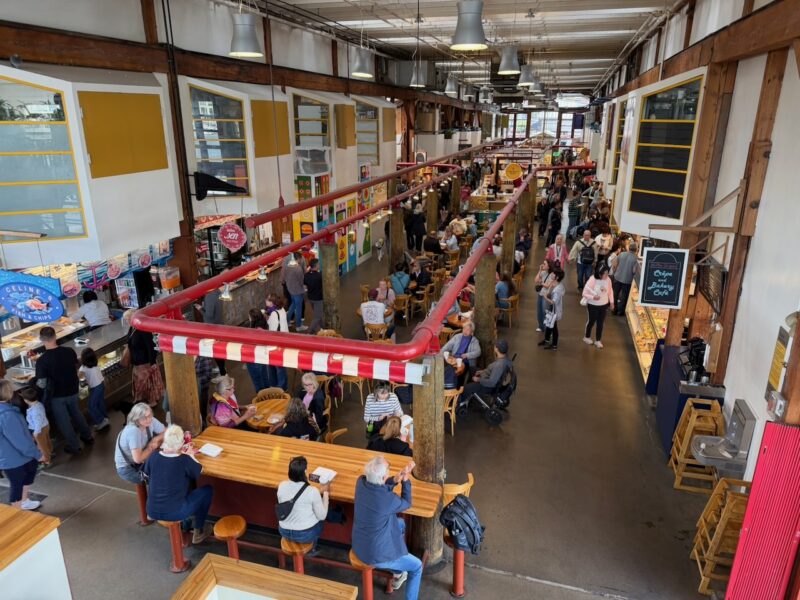
The culinary sector in Vancouver has evolved significantly, moving away from standardized, high-volume dining toward a sophisticated market-driven model. Areas like Granville Island, which hosts one of the largest public markets in Western Canada, serve as the heart of this artisan-focused economy. The market features a concentration of local producers, artists, and independent restaurateurs.
Establishments such as the Nightingale and the Brass Fish represent the contemporary Vancouver dining scene, which emphasizes locally sourced seafood and seasonal produce. The preference for high-quality, regionally distinct ingredients marks a departure from the generic, screen-heavy restaurant environments common in other North American transit hubs. This shift reflects a broader economic trend in British Columbia: the professionalization of the hospitality industry to cater to a demographic that values provenance and quality.
Winter and Seasonal Implications
While Vancouver is a summer tourist destination, it presents a distinct environment during the winter months. The Gastown district, one of the city’s oldest neighborhoods, features the iconic steam-powered clock—a major tourist draw. During the winter, when temperatures drop and precipitation turns to snow, the clock’s steam emissions create a unique aesthetic experience.
For the international visitor, the decision to extend a stay in Vancouver is supported by the availability of cultural institutions like the Vancouver Art Gallery and the Bill Bill Reid Gallery of Northwest Coast Art. These institutions provide a deep dive into both contemporary Canadian art and the historic craftsmanship of the Northwest Coast.
Economic Impact and Future Outlook
The decision by travelers to include Vancouver in their itinerary directly impacts the regional economy. By extending stays beyond the traditional "fly-in, drive-out" model, the city captures additional revenue in the retail, dining, and cultural sectors. As the tourism industry recovers and expands following the disruptions of the early 2020s, there is a clear focus on promoting Vancouver as a year-round destination rather than a seasonal gateway.
Data indicates that tourism in British Columbia remains a primary economic pillar. The integration of "urban-alpine" tourism packages—where the city serves as a base for both high-end retail/culinary experiences and mountain sports—is an area of potential growth for regional tourism boards. Local officials and tourism stakeholders have noted that the ease of travel between the city and the North Shore Mountains via public transport is a competitive advantage that few other global cities can match.
Strategic Considerations for Travelers
For those planning future trips to the British Columbia ski region, the following observations remain relevant for optimizing travel:
- Logistics: Utilize the SeaBus for a low-cost, high-value tour of the harbor and industrial docks.
- Timing: While the autumn offers distinct foliage and clear mountain views, the winter months provide a unique opportunity to view the city against the backdrop of snow-capped peaks.
- Culture: Prioritize visits to the Bill Reid Gallery and the indigenous heritage sites in Stanley Park to gain a comprehensive understanding of the region’s historical narrative.
- Dining: Focus on the artisan markets of Granville Island to experience the region’s culinary output, which is increasingly focused on sustainable, local sourcing.
Conclusion
Vancouver’s identity is multifaceted. It is a bustling port city, a center of indigenous culture, and a hub of modern architectural ambition, all while remaining a critical threshold to some of the most significant ski terrain in the world. For the discerning traveler, the city is no longer merely a place to land and depart; it is an essential component of the British Columbia experience. Whether viewed from the top of the Harbour Centre or experienced at the ground level in the markets of Granville Island, Vancouver warrants a permanent place in the itinerary of those visiting the Canadian West. As regional tourism infrastructure continues to develop, the symbiotic relationship between the city and its surrounding mountains will likely continue to solidify, further enhancing Vancouver’s status as a premier international travel destination.

