
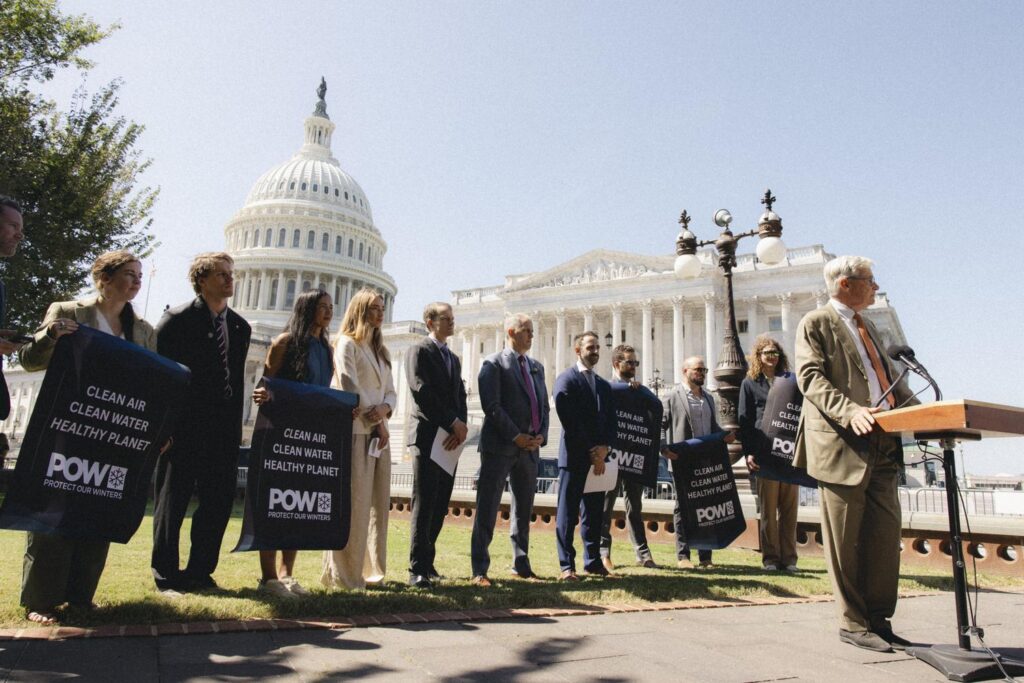
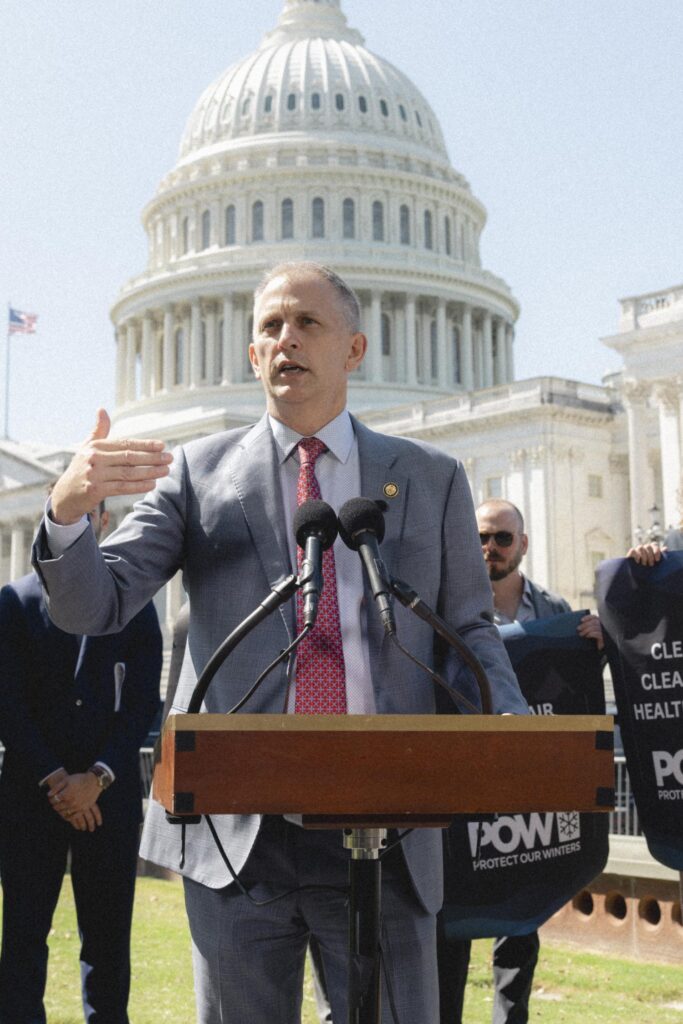
For five decades, the Environmental Protection Agency (EPA) functioned as the bedrock of American public health, operating under a bipartisan consensus that clean air and water were non-negotiable national interests. However, the erosion of this consensus has left the agency vulnerable to internal hollowing and systemic deregulation. On September 16, a coalition of lawmakers and environmental advocates took a significant step toward reversing this trend by introducing the Environmental Health Restoration Act (EHRA). Spearheaded by Representative Sean Casten and Senator Sheldon Whitehouse, the legislation seeks to codify the EPA’s core mission, insulating its scientific mandate from the volatility of changing political administrations.

The introduction of the EHRA comes at a critical juncture in federal environmental policy. Over the past year, a series of executive actions and judicial interpretations have curtailed the EPA’s regulatory reach, significantly limiting its authority to combat climate pollution and oversee industrial emissions. Supporters of the new bill argue that these rollbacks have not only compromised public health but have also undermined the economic stability of industries reliant on natural resources, including tourism, agriculture, and outdoor recreation.
A Chronology of Institutional Erosion
The origins of the current push for legislative intervention can be traced back to a sustained period of regulatory flux. For years, the EPA has faced mounting pressure from both the executive branch and the judiciary to limit its scope under the Clean Air Act and the Clean Water Act.
In recent years, the agency has seen its ability to enforce science-based safeguards weakened by administrative directives that prioritized deregulation over environmental oversight. This process, often described by critics as a "hollowing out" of the agency, involved the departure of career scientists, the dissolution of advisory boards, and a shift in enforcement priorities. By early 2026, the cumulative effect of these changes had effectively neutralized key aspects of federal environmental protection. The EHRA is the first comprehensive legislative attempt to codify the agency’s authority, essentially creating a legal "floor" that future administrations cannot easily dismantle.
The Mechanism of the Environmental Health Restoration Act
The EHRA is designed to provide structural durability to the EPA’s operations. Its primary provisions include the formal reinforcement of scientific integrity mandates, ensuring that regulatory decisions are based on peer-reviewed data rather than political considerations. Furthermore, the act aims to clarify the agency’s jurisdictional authority, specifically regarding the regulation of greenhouse gases and the protection of interstate waterways.

By establishing these protections in statute, Congress intends to prevent the "yo-yo effect" that has plagued environmental policy for decades, where regulations are enacted by one administration only to be immediately rescinded by the next. The bill also includes provisions for increased funding for research and development, aiming to revitalize the agency’s internal technical capabilities which have been depleted by recent budget constraints and staffing shortages.
Economic and Public Health Implications
The impact of environmental deregulation extends far beyond the Beltway. Public health experts have long noted the correlation between lax environmental standards and increased rates of respiratory and cardiovascular disease. According to recent data from the American Lung Association, air quality disparities persist in many industrial regions, where particulate matter (PM2.5) levels frequently exceed established safety guidelines.
The economic fallout is similarly quantifiable. The outdoor recreation industry, which contributes hundreds of billions of dollars annually to the U.S. GDP, is uniquely sensitive to environmental degradation. Changes in snowpack levels, the frequency of wildfire-induced air quality alerts, and the contamination of recreational waterways directly threaten the viability of businesses ranging from winter sports resorts to commercial fisheries. Industry analysts have pointed out that a predictable regulatory environment—one provided by a strong, consistent EPA—is essential for long-term private sector planning and investment.
Stakeholder Perspectives and Coalition Building
The introduction of the EHRA was supported by a diverse coalition, including Protect Our Winters (POW), the League of Conservation Voters, the Natural Resources Defense Council, and the Southern Utah Wilderness Alliance. This coalition represents a strategic shift in advocacy, moving away from purely environmental messaging toward a broader argument centered on community health and economic resilience.

Senator Sheldon Whitehouse, during the press conference on the Capitol lawn, emphasized that the bill represents a corrective measure. "The current administration has largely abandoned the agency’s long-standing duty to protect the health and safety of the American public," Whitehouse stated. "Our objective is to restore the scientists and the science to the center of the EPA’s mission, ensuring that the agency serves the public interest rather than the interests of industrial donors."
The coalition also featured voices from the athletic and outdoor communities. Tommy Caldwell, a prominent climber and environmental advocate, highlighted the visible effects of climate change on mountain ecosystems. "We are seeing glaciers shrink at an accelerating rate and experiencing air quality that is increasingly volatile," Caldwell noted. "These are not abstract problems; they are immediate threats to our community’s health and the economic stability of the regions where we live and work."
Legislative Strategy and the Path Forward
Despite the enthusiasm surrounding the bill’s introduction, proponents acknowledge the significant legislative hurdles ahead. With the current congressional calendar, passage in the near term remains unlikely. Instead, the strategy for the EHRA is modeled after the long-term efforts required for major federal overhauls, such as the Clean Air Act amendments of 1990 or the Affordable Care Act.
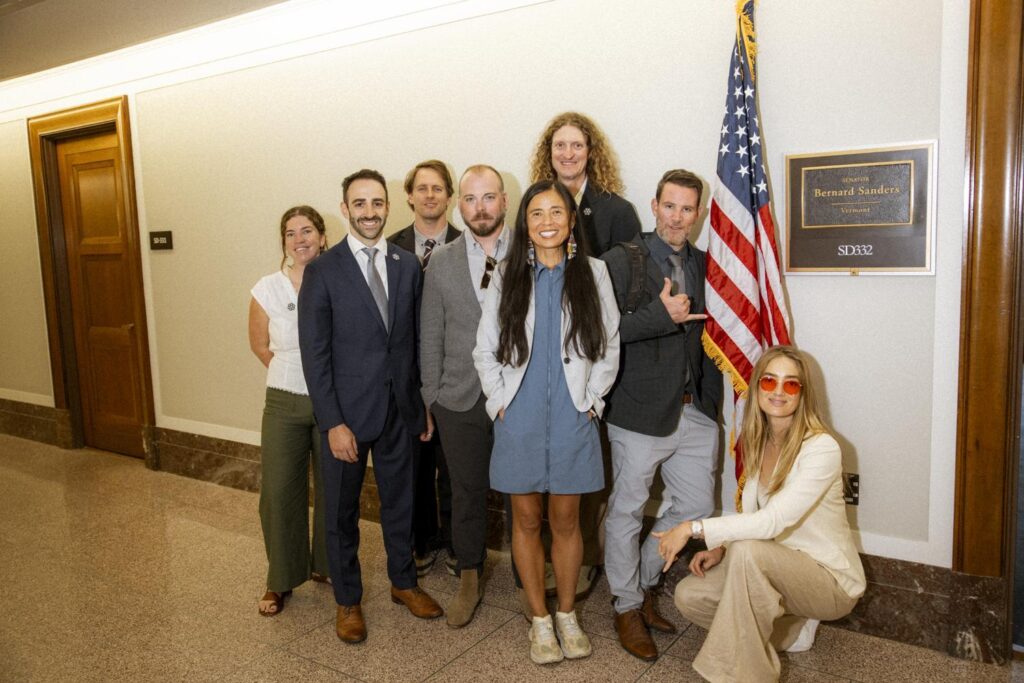
Advocates are currently engaging in a "ground-up" approach, meeting with both Republican and Democratic offices to build bipartisan support. During the week of the introduction, organizers held meetings with a cross-section of the Senate and House, including Senators Bernie Sanders, Jeff Merkley, and Ron Wyden, as well as Representatives Andrew Garbarino and Maxine Dexter. The goal is to socialize the concept of the EHRA as a non-partisan issue of public health, rather than a wedge issue of climate policy.

The "long game" approach recognizes that the political environment may not be conducive to passage until the 120th Congress or later. By introducing the bill now, the sponsors aim to establish a legislative record, refine the policy language, and build a coalition of stakeholders that will be ready to act when political conditions align.
Broader Implications for Administrative Law
The EHRA also sits at the center of a larger constitutional debate regarding the administrative state. Critics of the bill argue that it could overstep the bounds of legislative authority, while proponents maintain that it is a necessary clarification of the powers granted to the EPA by Congress. As the Supreme Court continues to weigh in on the limits of executive agencies to regulate without explicit congressional authorization, the EHRA serves as a crucial signal. It represents an attempt by the legislative branch to reclaim its role in defining the parameters of environmental protection, thereby reducing the reliance on executive orders that are subject to judicial challenge.

For the scientific community, the legislation offers a potential safeguard against the "politicization of data." By mandating that the EPA utilize the best available science and by protecting the independence of scientific advisory committees, the EHRA seeks to insulate the agency’s decision-making process from the shifting winds of partisan rhetoric.
Conclusion
The Environmental Health Restoration Act is more than a policy proposal; it is a declaration of intent regarding the future of public health and environmental stewardship in the United States. While the path to enactment is complex and requires significant political heavy lifting, the coalition behind the EHRA views the act as a vital framework for a future where clean air and water are once again treated as fundamental rights rather than political bargaining chips. As organizers shift their focus toward the next congressional session, the debate over the EHRA will likely serve as a barometer for the nation’s commitment to evidence-based governance and the protection of its natural legacy for generations to come.

