
For many elite athletes, the identity of a ski racer is not merely a title—it is an all-encompassing way of life that transcends the binary of winning and losing. When the start gates are finally packed away and the professional circuit fades into the rearview mirror, what remains is rarely a collection of medals or race-time records. Instead, a profound shift occurs: the sport reveals itself to be a crucible for character, resilience, and lifelong community. Through the experiences of six athletes—Chan Morgan, Edie Thys Morgan, Oliver Morgan, Chauncey Morgan, Katie Brust, and Michael Ankeny—a clear narrative emerges. The true value of ski racing lies not in the hundredths of a second shaved off a run, but in the enduring lessons of self-reliance, the strength of forged relationships, and the ability to navigate life’s inevitable challenges.
The Architectural Roots of a Racing Career
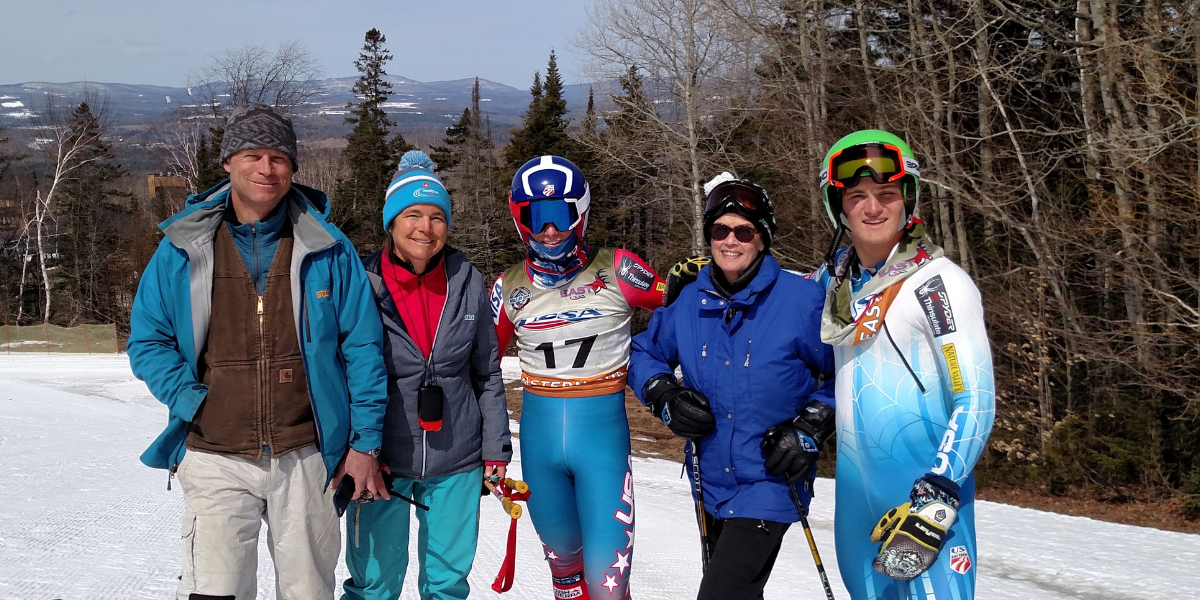
The journeys of these athletes began in disparate corners of the globe, each location offering a unique cultural contribution to the sport. Roger Brown, part of the legendary Cochran family in Vermont, grew up in an environment where the Olympics were not an abstract dream, but a common family milestone. This localized culture of excellence, where national team members and coaches were present at the dinner table, normalized high-level performance.
In contrast, Edie Thys Morgan’s training at Squaw Valley (now Palisades Tahoe) provided a different form of instruction. The demanding terrain and deep-seated racing culture of the Sierra Nevada mountains emphasize a rugged, technical approach that has produced generations of American talent. Meanwhile, the Midwest, specifically the "Slalom Factory" of Buck Hill in Minnesota, nurtured the careers of Michael Ankeny and Katie Brust. These smaller venues prioritize technical precision and intensity, compensating for the lack of high-alpine elevation with sheer volume of repetitions. For Leif Kristian Nestvold-Haugen, the path began in Norway and moved to the collegiate system at the University of Denver, proving that the American NCAA structure can serve as a legitimate, high-level bridge to World Cup success. These varied starting points demonstrate that there is no singular path to the top, and more importantly, that the destination is secondary to the developmental journey.
The Evolution of Athletic Identity and Community

The transition from a competitive racer to a retired athlete is often described as a psychological, if not existential, crisis. For Emily Creek, the phrase "I am a ski racer" was a definition of self that carried the weight of a professional career. When that label is stripped away, the vacuum left behind can be daunting. Athletes like Nestvold-Haugen, who spent approximately 250 days a year with his teammates, describe the end of their careers as a "bad breakup." The loss of the "locker room"—the shared meals, the grueling van rides between European villages, and the camaraderie of the start house—is the most immediate and painful consequence of retirement.
However, the bonds forged in these high-pressure environments are uniquely durable. These relationships persist long after the race suits are retired. For Creek and Brust, their friendship formed at Northern Michigan University has outlasted their time on the team, evolving into a familial bond. For Brown, the circle of friends from his childhood in Vermont has expanded to include the parents of the athletes he now coaches, creating a multigenerational cycle of community that keeps the spirit of the sport alive.
The Pedagogy of Failure and Control
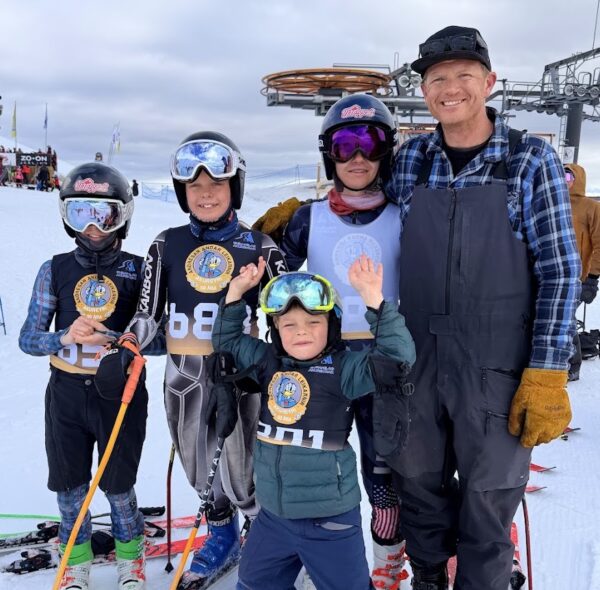
Perhaps the most significant contribution of ski racing to these individuals’ post-athletic lives is the mastery of the "controllable." Ski racing is, by its nature, an exercise in uncertainty. Weather, equipment failure, and course degradation are constant variables that can render months of preparation moot in a single, icy turn.
Ankeny’s experience of being cut from the U.S. Ski Team while a student at Dartmouth serves as a case study in resilience. Initially devastated by missing the top-75 world ranking—a criterion he missed by exactly one spot—he eventually pivoted. He realized that his value was not defined by a patch on his jacket, but by his pursuit of excellence. This shift in mindset allowed him to return to the sport on his own terms, eventually winning the NorAm slalom and overall titles. This lesson in separating internal effort from external validation is a cornerstone of his current professional life.
Brust similarly applies the "first two gates" methodology to her career in marketing. By breaking down overwhelming projects into smaller, manageable, and controllable segments, she mimics the focus required at the start gate. Thys Morgan mirrors this in her corporate life, finding that the trepidation she feels before a major professional challenge is identical to the feeling of standing at the top of a frightening downhill course. It is not an absence of fear, but an understanding of how to function within it.

Data and the Myth of the Perfect Career
It is a common misconception that athletic success guarantees a smooth transition into civilian life. In reality, the pursuit of Olympic glory can sometimes delay other developmental milestones. Data from collegiate-aged athletes often shows that the "gap years" taken to pursue professional skiing can lead to a longer road through higher education, as evidenced by Ankeny’s ten-year journey to his degree.
Yet, when asked about sacrifices, these athletes largely reject the term. What a bystander might view as a lost adolescence or a missed career start, the athletes view as a period of liberation. The physical toll—bone spurs, herniated discs, and chronic joint issues—is the price of admission. The mental toll, however, is often framed as a trade-off for a unique set of skills that cannot be replicated in a traditional classroom or office setting.
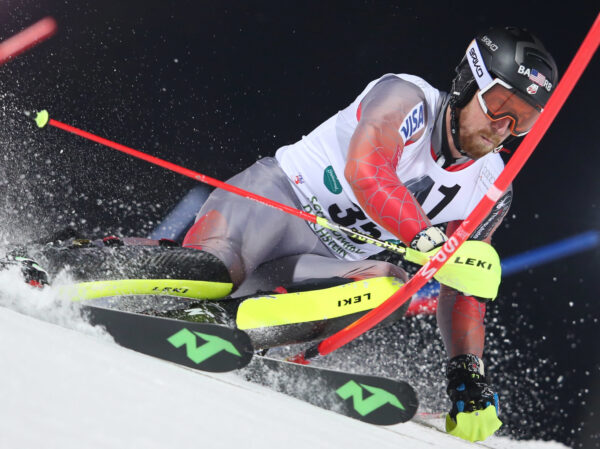
The Changing Landscape of the Sport
For those who have moved into coaching, such as Brown, or journalism, such as Thys Morgan, the sport has undergone a transformation in their minds. It is no longer about the pursuit of hundredths of a second; it is about the transmission of knowledge. Nestvold-Haugen’s observation that he now experiences the sport through his children highlights a critical evolution: the transition from participant to facilitator.
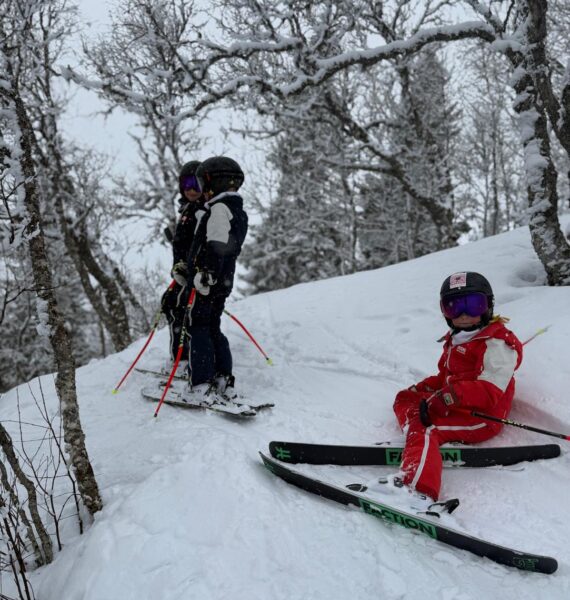
This change in perspective is vital for the health of the sport. By fostering an environment where a 6-year-old and an adult can share the same hill and the same experience, the sport retains its relevance. The message to the next generation of racers is clear: "Don’t stop playing." The most successful long-term relationships with ski racing are those that are rooted in play and curiosity, rather than the singular, often destructive focus on podium results.

Implications for Athletic Development
The collective experience of these athletes suggests that sports governing bodies and development programs might benefit from a more holistic approach to training. While the focus on physical speed is necessary, the development of the "mental athlete"—one who can handle the volatility of success and failure—is what ultimately determines long-term success.
The consensus among this group is that the sport’s most important lesson is that progress is rarely linear. Just as no one ever perfectly masters a giant slalom turn, no one ever reaches a point where they are immune to the pressures of life. The ability to "get back up" after a crash, whether on the slope or in the boardroom, is the true legacy of the racer.
Conclusion: Beyond the Clock
The timer, while necessary for the competition, is ultimately an insufficient tool for measuring the value of an athlete’s career. As the years pass, the specific results of a race in Schladming or a finish in Val d’Isère lose their luster. What remains is the indelible impression of the people who were there, the sensations of the wind and snow, and the internal fortitude that was cultivated in the process.
For those contemplating their own exit from the competitive circuit, the message is one of continuity. Retirement does not mark the end of the connection to the sport; it simply marks the transition to a new phase of engagement. Whether as a mentor, a parent, a volunteer, or a fan, the community remains, and the mountain continues to offer the same lessons to anyone willing to listen. The race may be over, but the journey, fueled by the discipline and camaraderie of the sport, continues indefinitely.

