
The snowboarding equipment market continues to experience a rapid shift toward convenience-oriented hardware without sacrificing performance, exemplified by the latest release from Bataleon. The brand has announced the continuation and expansion of its popular Blaster AsymWrap binding equipped with the FASE (Fast Entry) speed-entry system. Building on the success of last winter’s introduction, the upcoming season brings a proven surfy flex profile and a streamlined mechanical framework to a broader demographic, highlighted by the introduction of a dedicated women’s version.
As snowboard manufacturers race to capture market share in the fast-growing segment of alternative-entry bindings—competing directly against established systems such as standard two-strap setups, rear-entry mechanisms, and proprietary boot-binding interfaces—Bataleon’s semi-automated approach seeks to bridge the gap between traditional board feel and on-mountain efficiency.
Main Facts and System Architecture
At the technical core of the Blaster AW FASE is the AsymWrap aluminium frame, a chassis design shared with sister-brand Rome’s high-end offerings. Mounted to a nylon baseplate, the asymmetric architecture of the frame is engineered to provide riders with lateral freedom. This design choice allows snowboarders to inject distinct personal style into their turns, easily manipulate the board for presses, and bone out grabs in the terrain park.
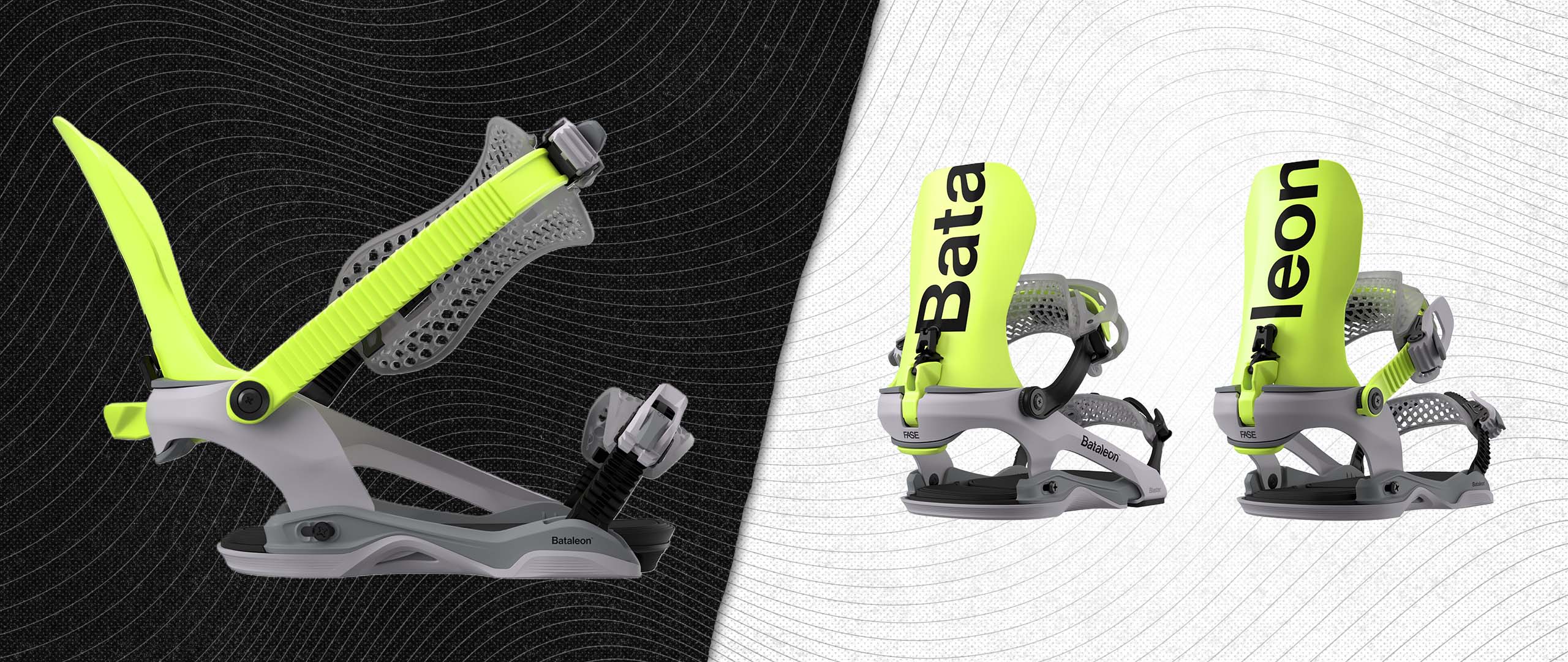
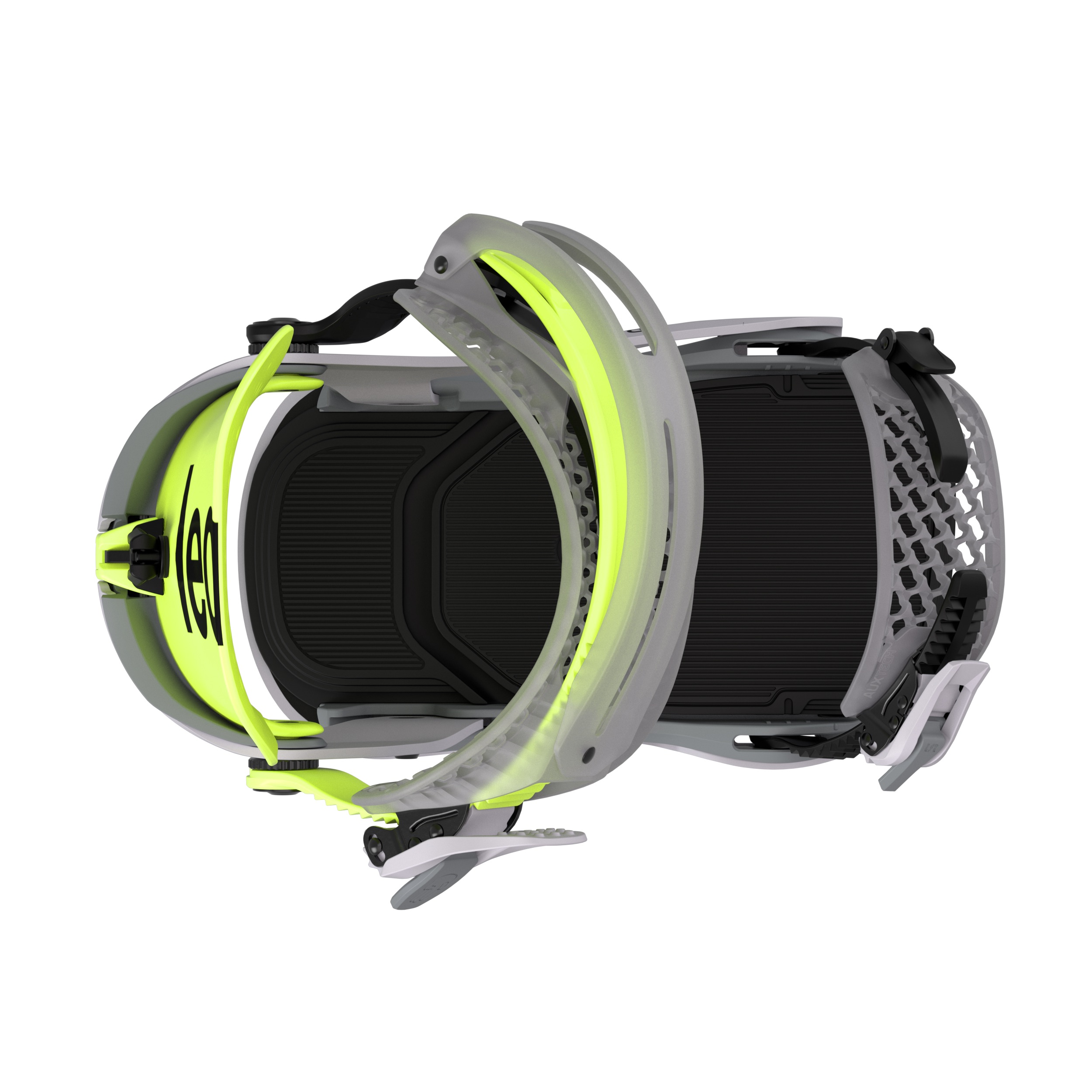
Despite the lateral flexibility, the heel-to-toe response remains robustly firm, enabling riders to drive powerful edges through hardpack snow and carve aggressively. To optimize alignment, the bindings feature a two-degree canted footbed straight out of the box, promoting a natural and ergonomically sound stance. An underlying EVA sub-base pad provides vibration dampening and impact absorption, protecting the rider’s joints during heavy landings from drops and kickers.
Unlike many competing speed-entry systems on the market, the Blaster FASE maintains a high degree of customizability. Both the forward lean and ankle padding are adjustable, alongside the physical position of the heelhoop and chassis—a rare engineering feat for bindings utilizing automated entry. Furthermore, for riders seeking uncompromising edge response, Bataleon offers a pro model version featuring a carbon-injected baseplate, tailored specifically to the riding specifications of professional team riders.
Chronology and Market Evolution
The evolution of fast-entry snowboard technology has accelerated significantly over the past five seasons. Traditional two-strap bindings, while offering unmatched customizability and a reliable connection between boot and board, have long faced criticism for the time-consuming process of strapping in at the top of every chairlift. Early attempts at rear-entry bindings often suffered from mechanical bulk, heel-pedal failures, or a compromised, spongy ride quality that alienated advanced all-mountain riders.
In recent years, the industry landscape transformed with the mainstream adoption of high-performance automated systems, most notably step-on configurations and highback-release mechanisms. Bataleon entered this competitive arena with the initial launch of the Blaster FASE, targeting riders who appreciate the low-profile interface of a traditional two-strap binding but desire the rapid ingress and egress of a semi-automated platform.
The upcoming product cycle marks a critical milestone in this chronology. By addressing previous demographic gaps with the introduction of the first dedicated women’s Blaster AW FASE—available in sizes ranging from Small to Medium/Large, complementing the men’s lineup of Small through Large/XL—Bataleon is scaling its technology to accommodate a wider range of boot geometries and physical statures.
Straps, Highbacks, and the FASE Mechanism
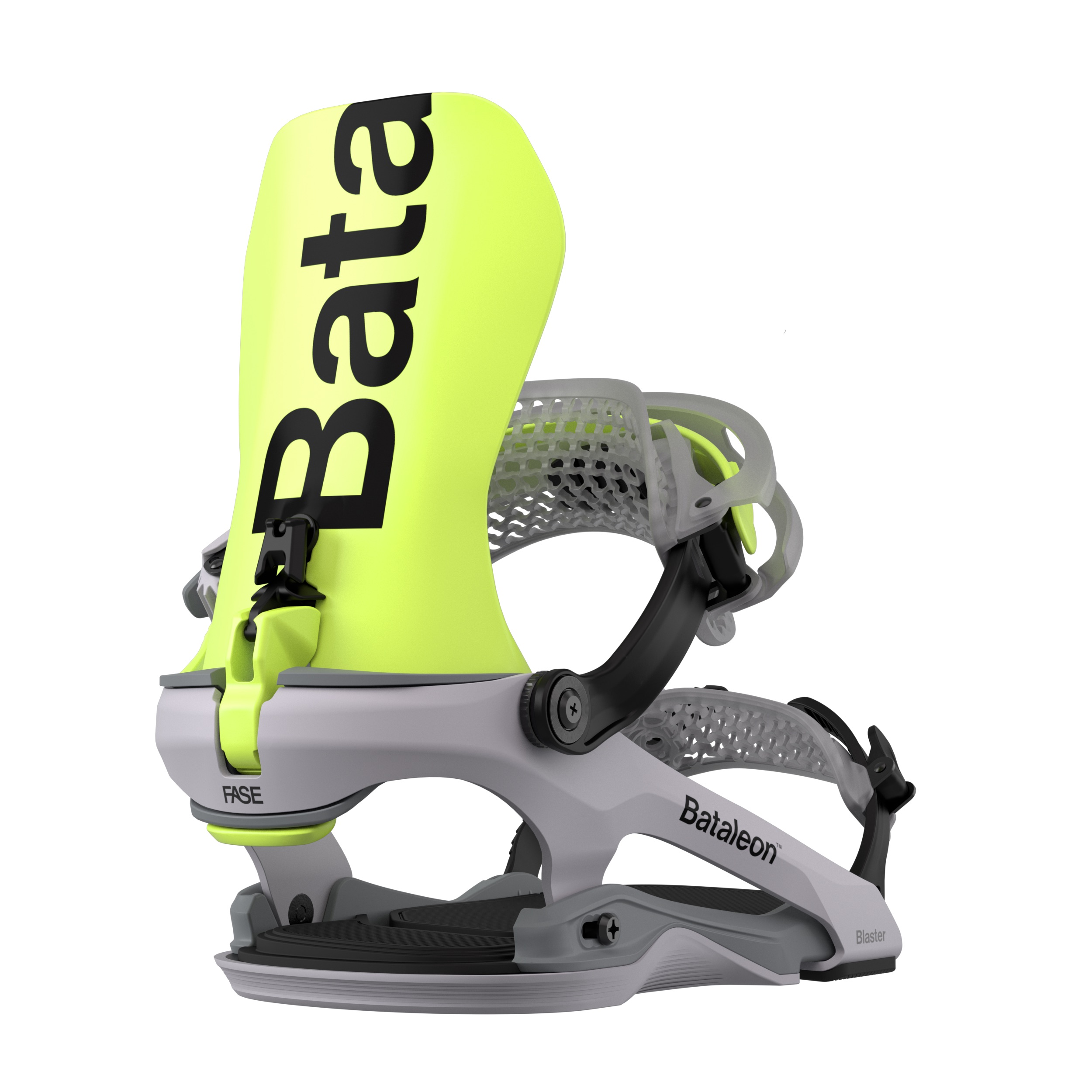
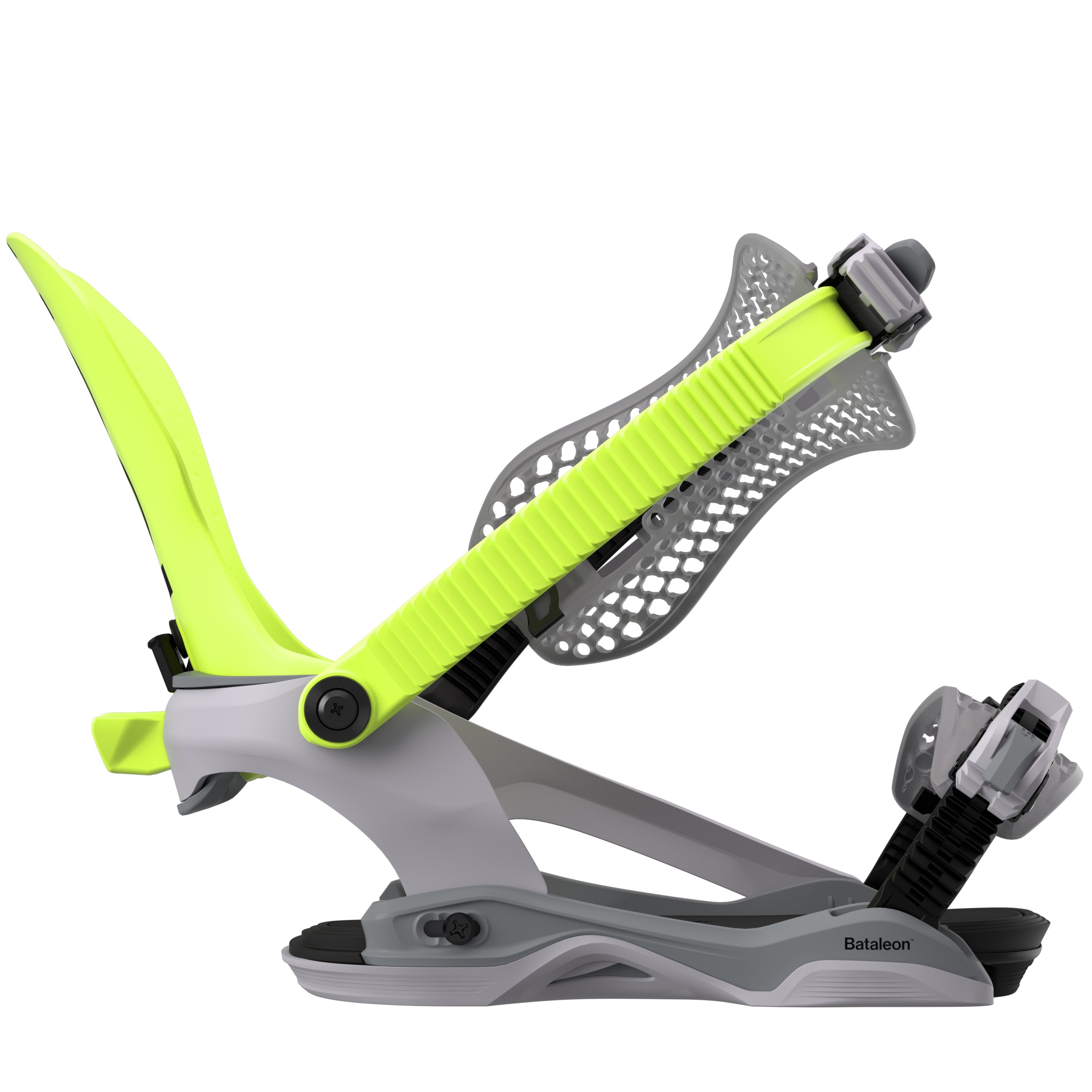
The defining characteristic of the FASE system is its mechanical execution of the highback. Dubbed the AutoBack, the highback physically reclines backward to create an open cavity for the rider’s boot during entry. Once the boot is slid into place, the highback flips automatically back into its upright, locked riding position. This operation shares conceptual similarities with other modern semi-automated platforms, such as Nidecker’s Supermatic system, but distinctively operates without the requirement of a mechanical heel pedal.
Once secured within the chassis, the rider interacts with a specialized strap configuration. The binding utilizes a 3D AuxTech Cradle FastStrap, which remains permanently connected across the ankle via an extended ladder. This design transforms the process of securing the boot into a quick, one-handed operation, eliminating the need to completely re-thread straps after every descent. Across the toe, an AuxTech ToeStrap employs an automated locking ratchet mechanism designed to hold its precise position indefinitely. Once the toe strap is initially calibrated to the specific footprint of the snowboard boot, it requires no further adjustment during subsequent uses.
While riders must still bend down to manually engage the ankle strap ratchet upon entry, the overall workflow is significantly accelerated compared to standard bindings. Moreover, the lightweight construction ensures that the weight penalty often associated with mechanical entry systems is minimized, preserving a familiar feel underfoot.
Supporting Data and Design Variations
The Blaster AW FASE occupies a versatile middle ground in terms of stiffness, featuring a medium flex rating designed to appeal to a broad spectrum of snowboarders. Industry metrics indicate that medium-flex bindings represent the highest-volume sales category globally, as they successfully bridge the performance requirements of resort cruising, sidecountry exploration, and creative park riding.
Aesthetics and colorway strategies also play a vital role in Bataleon’s product rollout. While standard options favor a timeless, understated tone-on-tone black finish, the brand has continued its tradition of offering high-visibility statement pieces, most notably a vibrant neon yellow colorway designed to stand out in lift lines and winter media content.
Testing and Field Evaluation
Field testing conducted across diverse snow conditions has provided valuable qualitative data regarding the real-world performance of the Blaster AW FASE. Testers familiar with the underlying AsymWrap chassis have noted distinct performance nuances when comparing the Blaster to its predecessor configurations.
According to veteran snowboard tester Ronan Thompson, who spent extensive time evaluating the bindings following multi-season experience on related Rome chassis architectures, the Blaster FASE delivers a uniquely balanced ride. "Super light, great support in the high back and I love the straps and the way they mould to your boot," Thompson reported after initial testing phases. He further observed that the Blaster offers a slightly more forgiving flex pattern than comparable stiff-freeride bindings while maintaining structural integrity in critical support zones.
Thompson emphasized the learning curve associated with the mechanical entry system: "It took a bit of time to set and get used to the FASE system, but once I had it dialled it was really impressive. It’s all about the back foot, you can sort it out so quickly and easily, even on the move."
Broader Industry Implications and Market Analysis
The continued refinement and market expansion of the Bataleon Blaster AW FASE signal a broader maturation within the snowboard hardware sector. As consumers increasingly prioritize time management on the mountain—maximizing run counts and minimizing stationary downtime at the base of ski lifts—manufacturers are under intense pressure to deliver efficiency without inducing performance compromises.
The success of semi-auto binding platforms demonstrates that a significant portion of the snowboarding community remains hesitant to adopt fully closed proprietary ecosystems that require specific boot brands. By maintaining compatibility with standard snowboard boots already owned by consumers, Bataleon avoids forcing customers into costly, bundled purchases. This interoperability represents a significant competitive advantage in retail environments.

Furthermore, the addition of a gender-specific chassis design highlights an industry-wide push toward more inclusive and anatomically accurate product development. Historically, entry-level or convenience-focused technologies were occasionally scaled down for smaller riders without proper ergonomic adjustments, leading to suboptimal performance. By engineering dedicated sizing and flex profiles for female riders, Bataleon ensures that the technical benefits of the AsymWrap frame and FASE entry system are distributed equitably across user demographics.
As the winter season approaches, the Bataleon Blaster AW FASE stands as a compelling entry in the ongoing evolution of snowboard hardware. By successfully marrying the mechanical reliability of a traditional two-strap interface with the swift ingress of a semi-automated highback, the brand has solidified its position in a highly competitive market segment, offering an efficient, high-performance solution for all-mountain and park riders alike.

