
Whitelines Snowboarding Magazine, a publication that famously carved its own chaotic path through the nascent and then booming world of snowboarding, celebrates its 30th anniversary in 2026. From its humble, somewhat haphazard beginnings in 1995 as a British fanzine, Whitelines has evolved from a print-first, irreverent voice into a global digital media powerhouse, epitomizing resilience and adaptability in a rapidly changing media landscape. Its journey reflects the broader evolution of snowboarding itself, from a counter-culture pastime to an Olympic sport, while steadfastly retaining an anarchic spirit that has defined its brand for three decades.
Founding a Legacy of Irreverence
The genesis of Whitelines in 1995 was rooted in a desire to capture the raw, untamed energy of 1990s snowboarding, a scene then burgeoning with rebellious spirit and burgeoning talent. Former Snowboard World Magazine colleagues Jim Peskett and Tudor ‘Chod’ Thomas, sensing a void for a more authentic, less polished voice, launched what was described by former editor and cover star Chris Moran as a "debaucherously British snowboarding fanzine." This early vision, characterized by a deliberate lack of corporate polish and an embrace of the absurd, set Whitelines apart from its contemporaries. At a time when snowboarding was transitioning from its punk rock roots to a more formalized, albeit still youth-driven, industry, Whitelines became a mirror held up not just to the sport, but to its own delightfully idiotic creators.
The 1990s witnessed a proliferation of snowboard magazines, each vying for a share of a rapidly expanding market. Publications like TransWorld SNOWboarding, Snowboarder Magazine, and Onboard dominated the international scene, establishing benchmarks for photography, rider profiles, and gear reviews. In this competitive environment, Whitelines distinguished itself by eschewing conventional journalistic standards. Chris Moran vividly recalled the early operational philosophy: "I think the fact that we had no budget, no real understanding of how to make a magazine, and no idea of things like spelling, storytelling or basic decency. Those concepts definitely worked really well in our favour." This self-deprecating honesty was not a flaw but a feature, allowing the magazine to resonate deeply with a readership that valued authenticity over perfection.
Operating in a pre-digital age, the magazine’s creation process was as unconventional as its content. Articles were often dictated over public phone cards from remote locations, with company secretary Milly transcribing them. This method, while charmingly chaotic, led to memorable quirks, such as "Tignes" appearing in print as "teens." Far from being seen as errors, these imperfections became part of the Whitelines charm, reinforcing its image as an unfiltered voice directly from the heart of the snowboard scene. The absence of immediate digital feedback channels, such as email or social media, meant that "we were all just screaming at the moon," as Moran put it, fostering a unique feedback loop where "as long as we annoyed our publisher Jim, we just thought things were going well!"
The Golden Age of Print and Unbridled Chaos
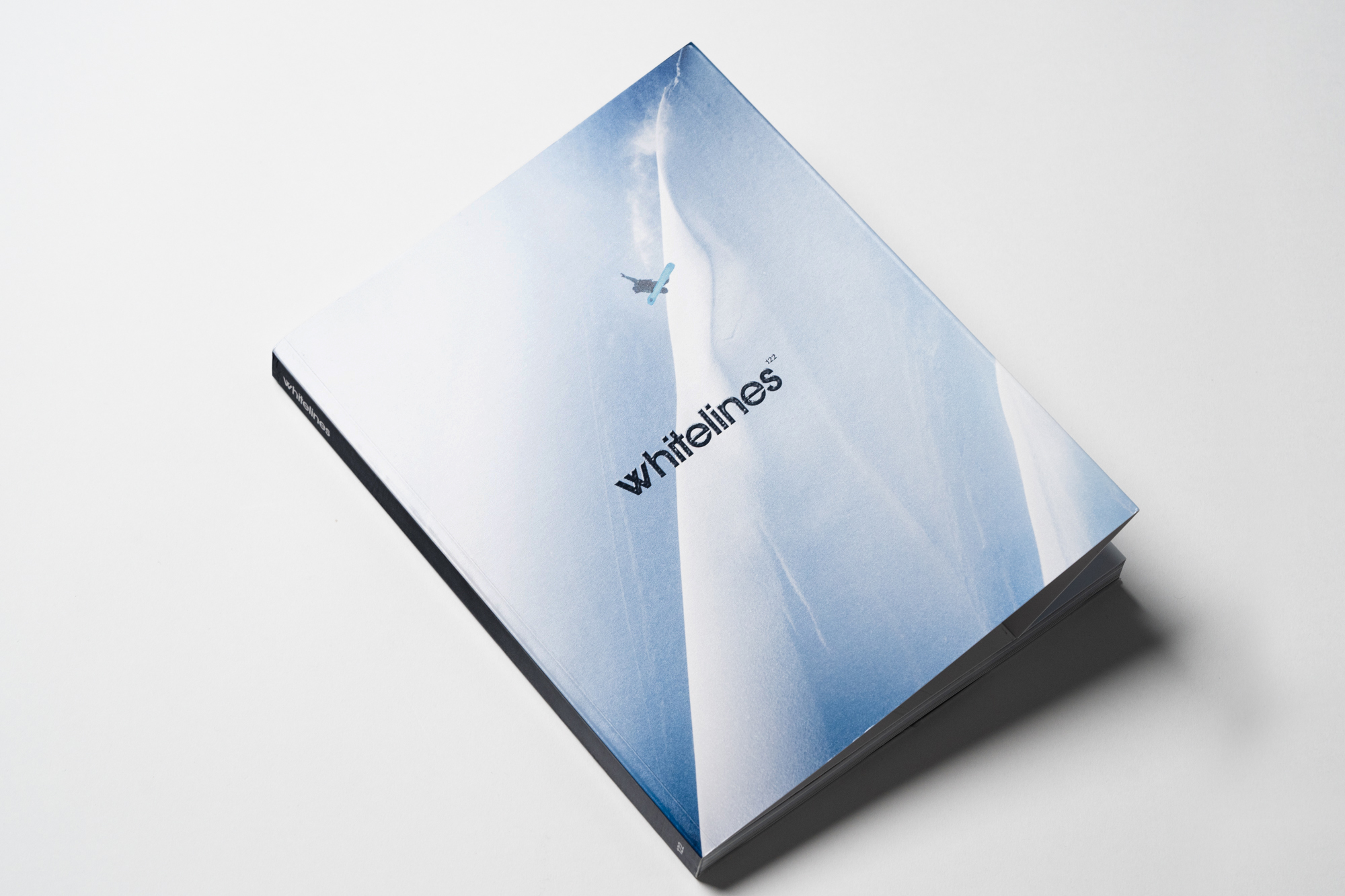
Whitelines quickly cultivated a reputation for its distinctive blend of high-quality snowboarding photography and deeply unserious, often outrageous, editorial content. The magazine’s core philosophy was simple: showcase "cool people doing cool shit strapped onto planks of wood and letting gravity do the heavy lifting." This ethos cemented its place as a publication that truly understood the fun-loving, rebellious spirit of snowboarding.
A hallmark of Whitelines’ irreverence was its iconic, often baffling, spine titles. These were not mere placeholders but an extension of the magazine’s persona, designed to provoke and amuse. Tudor ‘Chod’ Thomas, as the designer-in-chief and the creative force behind these titles, regularly conceived phrases like "Dwarf Throwing Monthly," "Working With Endangered Animals Weekly," or, as Moran recalled, "Neck Brace Monthly: The Skyscraper Issue," an imaginary magazine for those unable to look up. These titles, far from being random, underscored a deliberate strategy to challenge expectations and inject humor into every aspect of the publication, ensuring that even a quick glance at a newsstand would elicit a double-take.
The "conquistadors of chaos" moniker was hard-earned through a consistent commitment to pushing boundaries, both editorially and in real-world escapades. Anecdotes from the early days, recounted with a mix of nostalgia and implied mischief, painted a picture of staff adventures that often veered into the legendary. One such tale involved an Austrian hotel filled with taxidermy, where an accordion was stolen, and a large stuffed marmot was "fully shaved" by Russ Ward, save for a "mad Lemmy-style goatee." Such incidents, while perhaps pushing the limits of decorum, were integral to the magazine’s identity, reflecting a shared ethos of playful rebellion that resonated deeply with its readership.
Beyond the pranks, Whitelines’ anti-establishment stance extended to its reader engagement. The magazine became infamous for its competition entry addresses, which were deliberately designed to be absurd and provocative. Phrases like "send your entries to ‘the crack in the arse cheeks of Jim Peskett, 1 Stert Street, Abingdon’" regularly appeared in print. These antics frequently drew complaints, not just from outraged readers – though one such letter from a mother banning her son from reading the magazine famously earned him a lifetime subscription – but also from the UK postal service itself, which threatened publisher Jim Peskett with blacklisting due to the unmailable addresses. Peskett, often the good-natured target of the jokes, reportedly pleaded with the team to cease, fearing the impact on the entire publishing business. This tension between creative freedom and commercial viability highlighted the precarious but ultimately successful balancing act that defined Whitelines’ early years.
Navigating the Digital Shift: Print’s Decline
As the 2000s progressed into the 2010s, the media landscape underwent a seismic transformation. The rise of the internet and the proliferation of digital devices fundamentally altered consumption habits. Print media, once the dominant force, began a steady decline as readers gravitated towards the immediacy and accessibility of online content. Specialized magazines, particularly in action sports, faced immense pressure as advertising revenues shifted to digital platforms and production costs for print remained high.

By the mid-2010s, the signs were unmistakable. Magazine shelves that once proudly displayed a vibrant array of snowboarding publications began to thin out. The "print age was waning," and Whitelines, like many others, had to confront the inevitable. The analogy of media consumption shifting from a "slap-up 14-course meal" (print) to a "24-hour buffet where sliding sideways was the order of the day" (digital) succinctly captured the changing appetites of the audience. While acknowledging the tactile pleasure of a "150-page, premium quality coffee table-style magazine with paper so luxurious you caress it like a lover," the reality was that instant gratification, delivered via "cacophony of 10-second phone clips uploaded straight into your eyeballs," had become the new norm.
In 2015, after two decades of print editions, Whitelines made the difficult but necessary decision to cease its regular physical publication. WL120 marked the final issue to grace shelves, a poignant moment for staff and loyal readers alike. The announcement, fittingly delivered online, included a candid statement from then-editor Ed Blomfield, acknowledging the viability challenges of print media in the modern age. Blomfield’s statement articulated the strategic pivot: "Factory Media’s proposal to sacrifice print frees up the editorial staff to channel all that passion and energy into their websites, including this one. As a team, we’re obviously gutted to see the end of a paper publication into which we poured heart and soul over two decades. But with the good ship WL celebrating its 20th anniversary this year, we’re also excited to see where – with a renewed focus and a healthy budget – we can take it next."
The Digital Transformation and Global Reach
The transition to a purely digital format was not merely a concession to changing times but an opportunity for renewal and expansion. Freed from the constraints of print schedules and production, the editorial team could dedicate their full energy to online platforms. This renewed focus allowed Whitelines to significantly enhance its digital offerings, promising "a slicker website delivering more unique video, more gear reviews, more how-tos, more travel… more of all the things you enjoy." The core mission remained "stoking out the readers," and if the readers were online, then Whitelines needed to be there too, delivering "original, high-quality content" as the "order of the day."
The digital pivot allowed Whitelines to leverage its existing strengths and develop new ones. The "Whitelines 100" gear guide, already a touchstone for seasonal product recommendations, expanded its reach and depth online, becoming an indispensable resource for snowboarders worldwide. The increased resources and flexibility afforded by the digital-first strategy enabled the magazine to transcend its origins as a UK-centric publication, becoming a truly global favorite. Through a comprehensive approach to content – including video production, detailed gear reviews, educational how-to guides, and extensive travel features – Whitelines solidified its position as a leading authority in the snowboarding world.
A Brief Return to Print and Enduring Resilience

Despite the definitive shift to digital, the allure of print proved hard to resist entirely. In 2019, after a four-year hiatus, Whitelines made a brief but impactful return to physical form with "The Whitelines Annual." This format, curated by Ed Blomfield, offered three substantial magazines, collectively boasting over 600 pages of exclusive interviews, stunning photography, and in-depth written content from some of the sport’s best contributors. This limited-edition run was a testament to the enduring appeal of a physical product and a nod to the magazine’s storied print heritage, offering a premium, collectible experience for dedicated fans.
However, the realities of the media landscape quickly reaffirmed the strategic necessity of a digital-first approach. As of 2026, Whitelines has once again fully embraced its identity as a purely digital entity. This decision reflects a clear understanding of where the vast majority of its audience resides and how they consume media. The focus is now on cultivating a "crack team of proper snowboarders across three continents" to provide rigorous, authentic content. This includes premium gear reviews, in-depth interviews with industry figures, timely cultural commentary, and boots-on-the-ground event coverage – all designed to showcase the "beating heart of the sport."
The sheer scale of digital reach is undeniable. In a recent season, Whitelines’ website attracted 2 million visitors, while its social media channels boasted over 750,000 followers. The brand’s presence extends even to AI snippets, indicating its pervasive influence in the digital ecosystem. These figures starkly contrast with the 20,000 copies of a typical print magazine, illustrating the economic and logistical advantages of digital distribution. Yet, despite the massive increase in quantity and reach, Whitelines remains committed to its foundational tenet: every piece of content must be engaging, informative, or amusing – ideally all three simultaneously. This commitment ensures that the magazine’s distinctive voice and quality remain undiluted, even as its medium evolves.
Legacy and Future Outlook
Whitelines’ 30-year journey is a compelling narrative of survival, adaptation, and unwavering passion. It embodies the spirit of a "comeback kid," a media entity that, despite numerous challenges and changes in ownership or budget constraints, "cannot be killed." This resilience is attributed to the dedicated individuals who have steered its course, those "who truly care about snowboarding and are willing to do whatever it takes to keep the mag’s heart beating." The early days of operating on a "shoestring and a dream," even resorting to "eBaying pretty much every bit of product that anyone ever sent in" to stay afloat, speak volumes about the dedication behind the brand.
Today, Whitelines stands as a testament to the enduring power of authenticity and a clear editorial vision. It has successfully navigated the treacherous waters of media evolution, proving that a brand born out of chaos and irreverence can mature into a respected, yet still rebellious, authority. While the staff may still "wax poetic about the joys of print" over a few pints, sketching business models on napkins, the future is firmly digital. The publication’s legacy is not just in its content, but in its influence on a generation of snowboarders, shaping the culture and providing a platform for the sport’s most exciting developments. As it looks to the next chapter, Whitelines continues to embody the spirit of the "Goonies never say die," forever charting its own course in the dynamic world of snowboarding media, and perhaps, mercifully for Jim Peskett, still not receiving mail addressed to any anatomical cracks.

