
The transition from the ski slopes to the warmer off-season months often prompts a temporary pause in rigorous mountain-specific conditioning. However, sports medicine professionals and elite ski coaches increasingly emphasize that maintaining functional fitness year-round is vital for performance and injury prevention. While winter enthusiasts may only carve turns, dance through powder, and charge through moguls for half the year, the biomechanical demands placed on the human body require continuous, intentional preparation. Developing a solid athletic foundation during the spring, summer, and autumn months minimizes the risk of joint pain and severe trauma when the lifts start spinning again.
To bridge the gap between seasons, fitness experts have introduced a structured protocol combining a baseline diagnostic assessment—the side plank strength test—with five targeted off-season exercises. This regimen aims to fortify the core, hips, glutes, and stabilizer muscles, ensuring that skiers step onto the snow at their absolute physical peak.

The Physiological Demands of Skiing and the Risk of Off-Season Deconditioning
Alpine skiing and snowboarding place unique, multi-directional stress on the musculoskeletal system. Unlike linear endurance sports such as running or cycling, skiing requires rapid lateral shifts, high-velocity rotational stability, and continuous eccentric loading of the lower extremities. The quadriceps, hamstrings, glutes, and deep core muscles must constantly absorb high-impact forces while maintaining dynamic balance over uneven terrain.
When skiers spend months in a sedentary or unconditioned state, muscle memory fades, stabilizing tendons weaken, and proprioception—the body’s ability to sense movement in space—diminishes. According to orthopedic data compiled by winter sports injury registries, a significant percentage of early-season injuries occur due to muscular fatigue and inadequate joint preparation. Without sufficient core and hip endurance, the body’s kinetic chain breaks down, placing excessive strain on the lumbar spine, hips, and anterior cruciate ligaments (ACL).
Implementing a structured off-season conditioning program mitigates these risks. By isolating and strengthening the specific muscle groups responsible for carving and shock absorption, athletes can protect vulnerable joints and dramatically enhance their on-snow endurance.
Evaluating Baseline Functional Strength: The Side Plank Test
Before launching into a comprehensive training program, athletes must first assess their current functional capacity. Fitness researchers have widely adopted the side plank lift test as a reliable indicator of lateral trunk and hip stability.
The side plank assesses the strength and endurance of the obliques, gluteus medius, and quadratus lumborum. These muscles are indispensable for maintaining edge control and absorbing lateral G-forces during aggressive turns. A deficiency in this region frequently manifests as lateral pelvic tilt, knee valgus (collapsing inward), and lower back fatigue.
Executing the Assessment Protocol
To perform the side plank test accurately, an individual lies on their side with the elbow positioned directly underneath the shoulder and the legs stacked neatly on top of one another. By lifting the hips off the floor and pushing them slightly forward, the body forms a straight, rigid line from the crown of the head to the toes. While maintaining this isometric hold, the practitioner flexes the top foot and lifts it to approximately hip height before slowly lowering it back down.
Testing standards dictate that the assessment must be halted immediately once structural integrity fails—indicated by a collapsing shoulder, sagging hips, or unstacked alignment. While average active individuals may struggle to maintain form, seasoned skiers typically aim to complete five controlled lifts per side without compensation. The optimal benchmark for a well-conditioned winter athlete is achieving 10 to 15 clean repetitions on each leg, demonstrating the lateral endurance required for sustained downhill performance.
Chronology and Integration of the Off-Season Conditioning Timeline
For optimal physiological adaptation, physical therapists and strength coaches recommend integrating mountain-specific training into a phased timeline spanning the entire non-winter calendar.
Phase 1: Foundation and Assessment (Months 1–2 Post-Season)
The immediate aftermath of the ski season should focus on active recovery, mobility, and baseline diagnostic testing. Athletes utilize the side plank test to identify muscular imbalances and asymmetries developed during months of favoring one turn direction over another. Low-impact stability work and foundational core movements are introduced during this phase.
Phase 2: Strength and Hypertrophy (Months 3–5)
As the off-season progresses, training intensity increases. This period is dedicated to building primary strength in the lower body and core using compound, functional movements. Exercises like lateral lunges, step-ups, and weighted rows are systematically overloaded to stimulate muscle growth and tendon resilience.
Phase 3: Power and Dynamic Stabilization (Months 6–8 Pre-Season)
In the months immediately preceding the first snowfall, workouts transition toward explosive power, high-speed coordination, and advanced plyometrics. The goal during this final window is to simulate the high-frequency micro-adjustments required when navigating variable snow conditions, moguls, and steep drops.
Five Essential Off-Season Exercises for Mountain Athletes
To build a comprehensive armor against injury and enhance downhill performance, coaches recommend incorporating five specialized movements into weekly routines. Each exercise targets distinct biomechanical pathways critical to skiing.
- Lateral Lunges for Robust Hip Strength
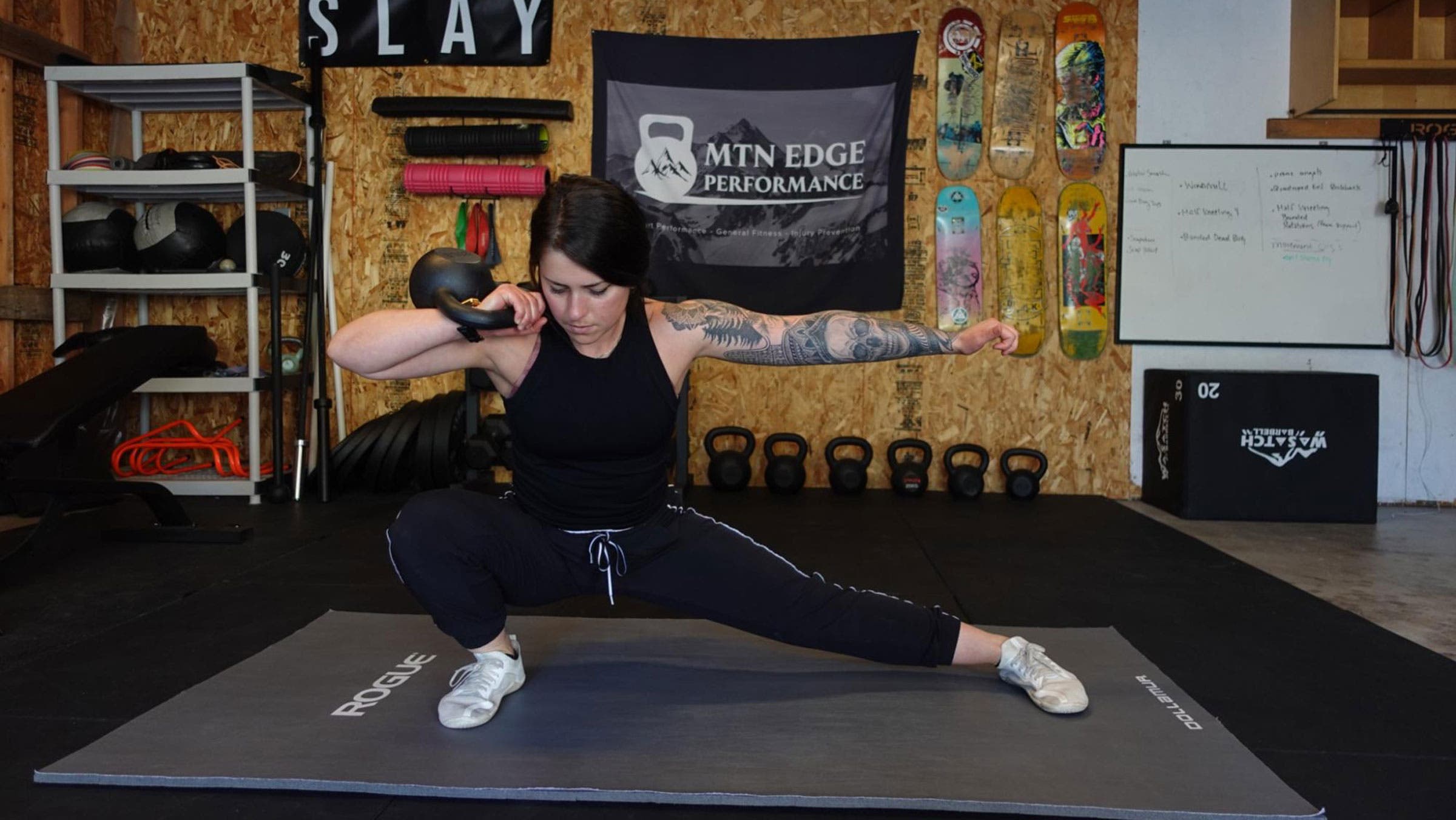
Skiing is inherently lateral. Carving a turn requires shifting body weight dynamically from side to side while maintaining edge engagement. Traditional forward lunges, while beneficial, fail to train the frontal plane of motion adequately. Lateral lunges build the necessary hip abduction and adduction strength to execute powerful, fluid turns without incurring groin or hip flexor strains.
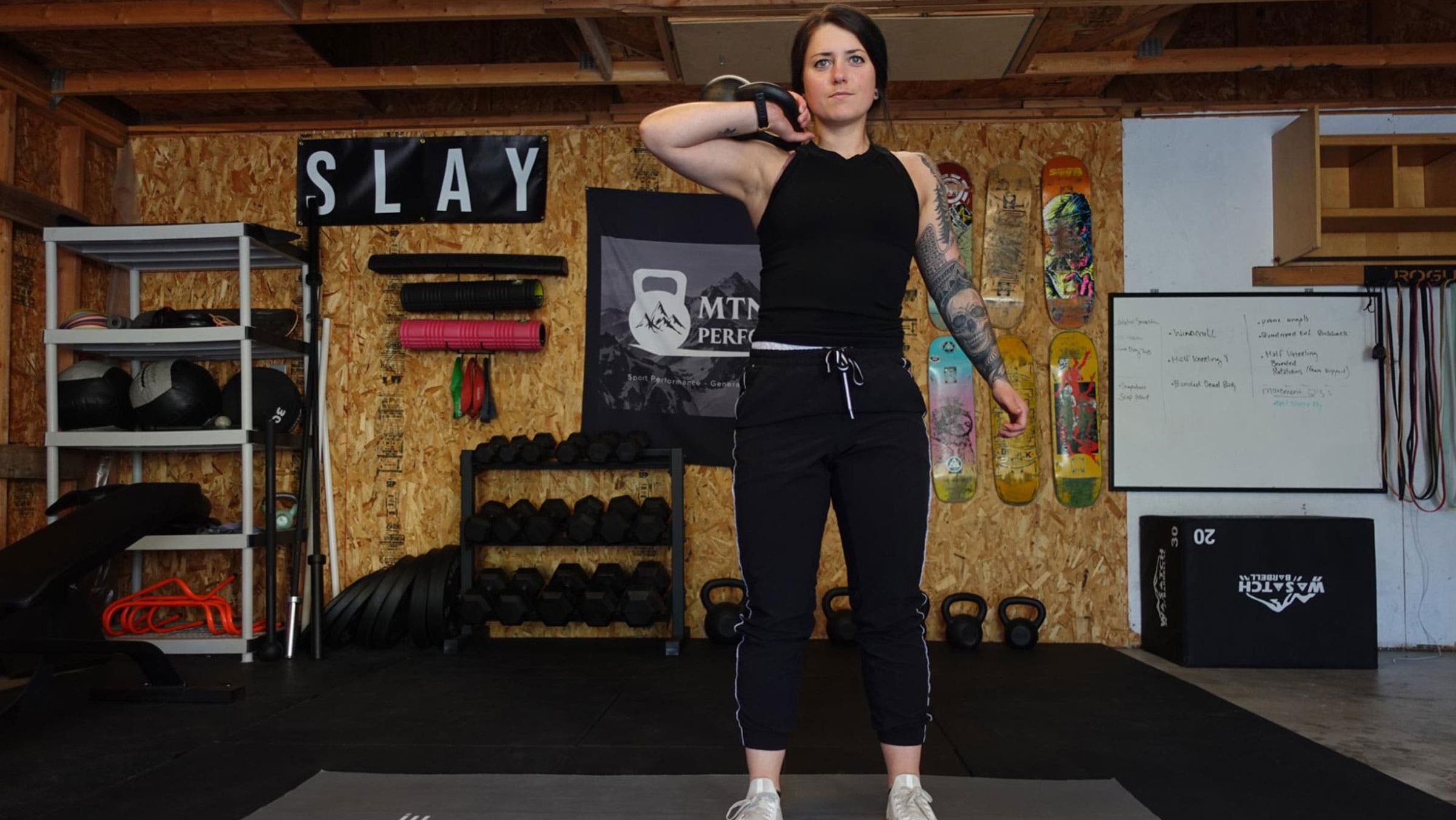
To execute a lateral lunge, stand tall and take a wide step out to one side, immediately bending the trailing knee and pushing the hips back while keeping the moving leg extended. Lower the body until the working knee is flexed at a 90-degree angle, then push forcefully through the midfoot to return to the starting position. Practitioners can perform repetitions alternating sides or complete a full set on one leg before switching. To progressively overload the movement, athletes can hold a dumbbell at the chest or adopt a kettlebell front-rack position.
- Step-Ups for Single-Leg Power and Stability
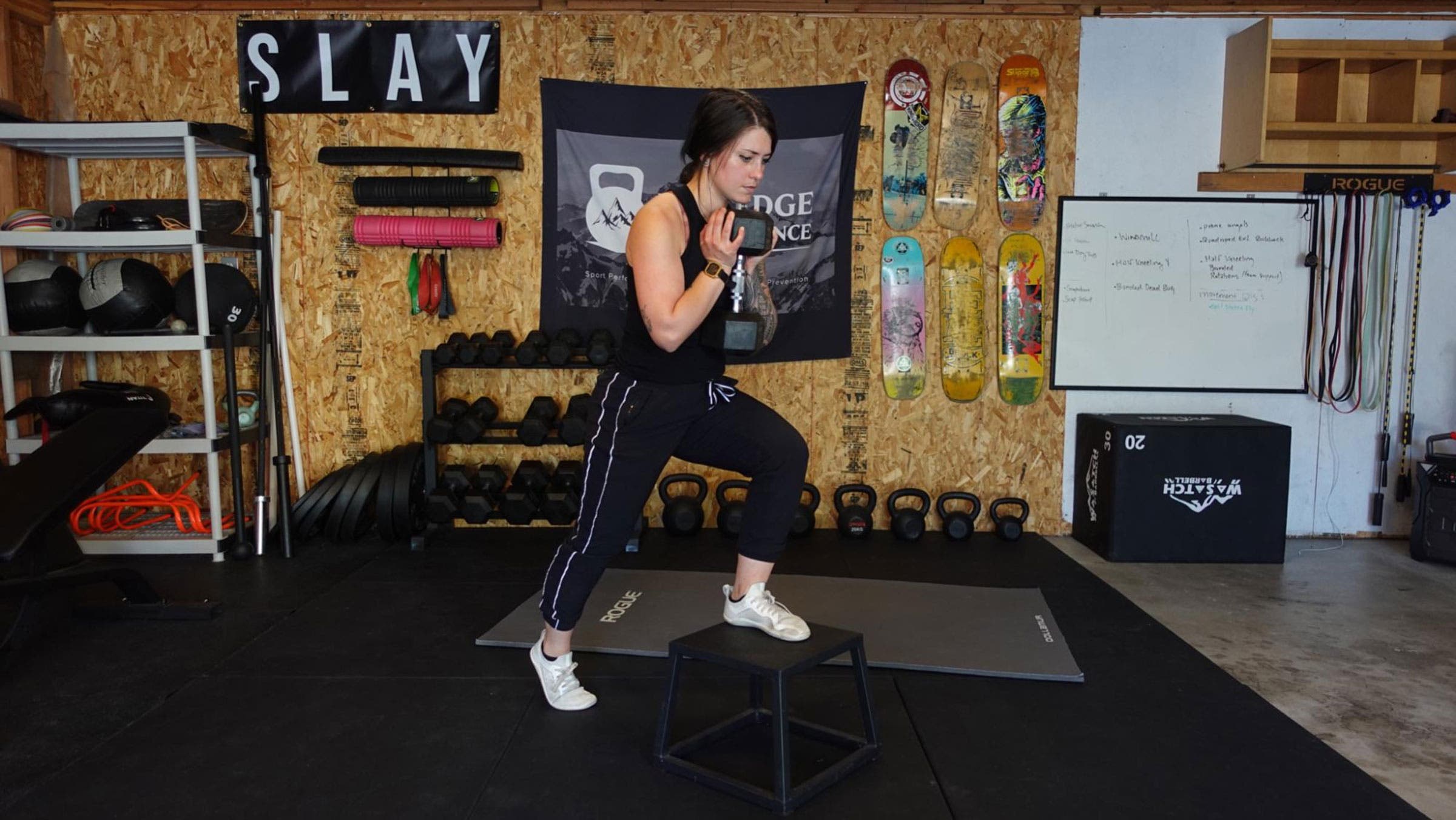
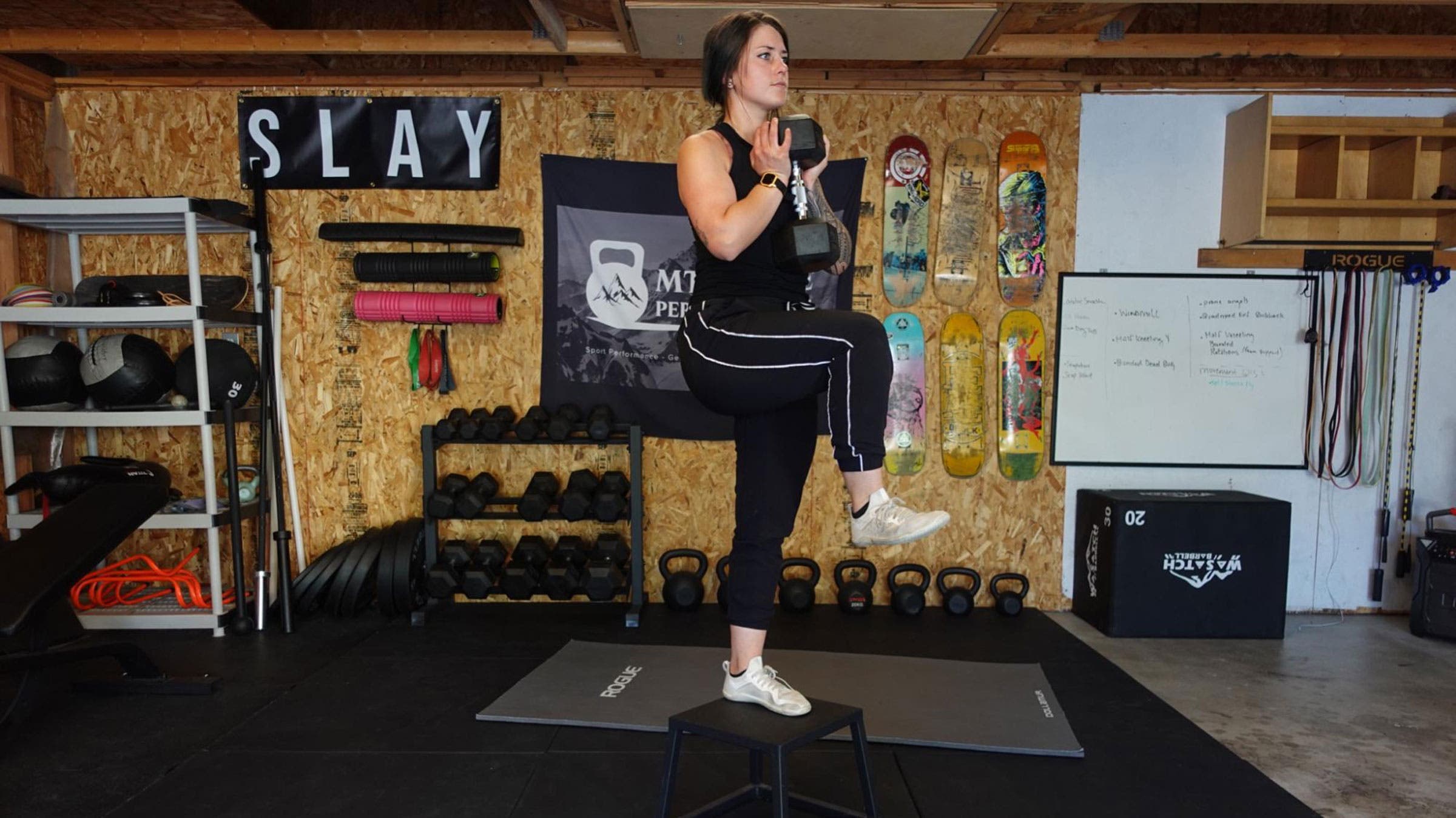
Single-leg stability is the cornerstone of efficient skiing, as every turn is ultimately executed on one ski at a time. Step-ups target the glutes, hamstrings, and quadriceps while challenging the stabilizing musculature of the ankle and knee.
Using a sturdy box, bench, or plyometric step set at shin or knee height, place one foot firmly on the platform. Drive upward through the heel of the elevated leg, extending the hip and knee fully while bringing the trailing knee toward the chest in a controlled manner. Lower the body slowly back to the floor with an emphasis on eccentric control. Completing 8 to 12 repetitions per leg eliminates strength imbalances between the left and right sides, directly translating to more symmetrical, powerful turns on the mountain.
- Gorilla Rows for Impact Absorption and Spinal Support
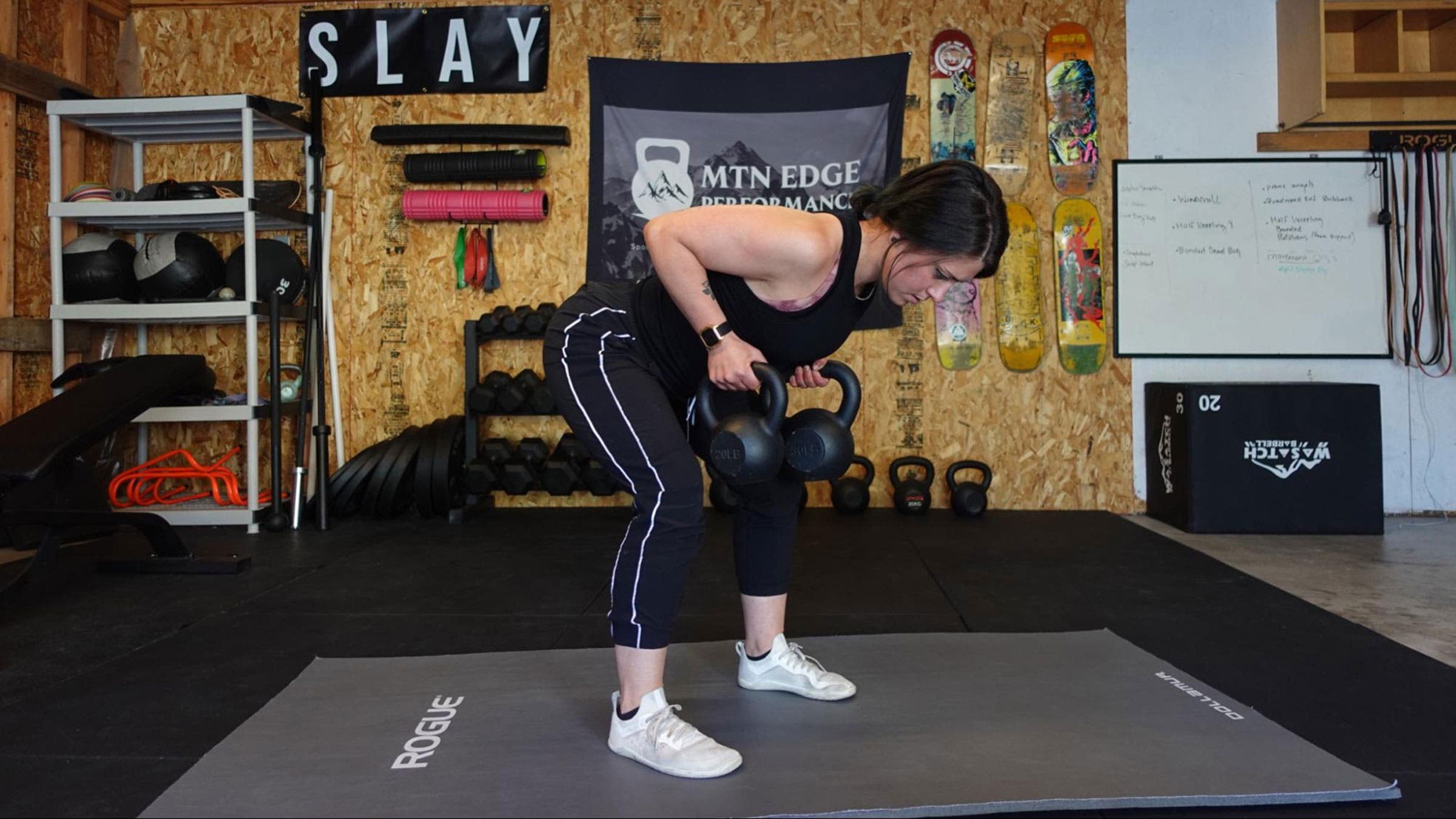
While lower body strength is frequently prioritized, the upper body and spine endure significant concussive forces when charging through choppy snow or landing aerial maneuvers. The gorilla row is an advanced compound movement that targets the lower back, core, and erector spinae muscles—the deep spinal stabilizers responsible for maintaining an athletic posture over rough terrain.
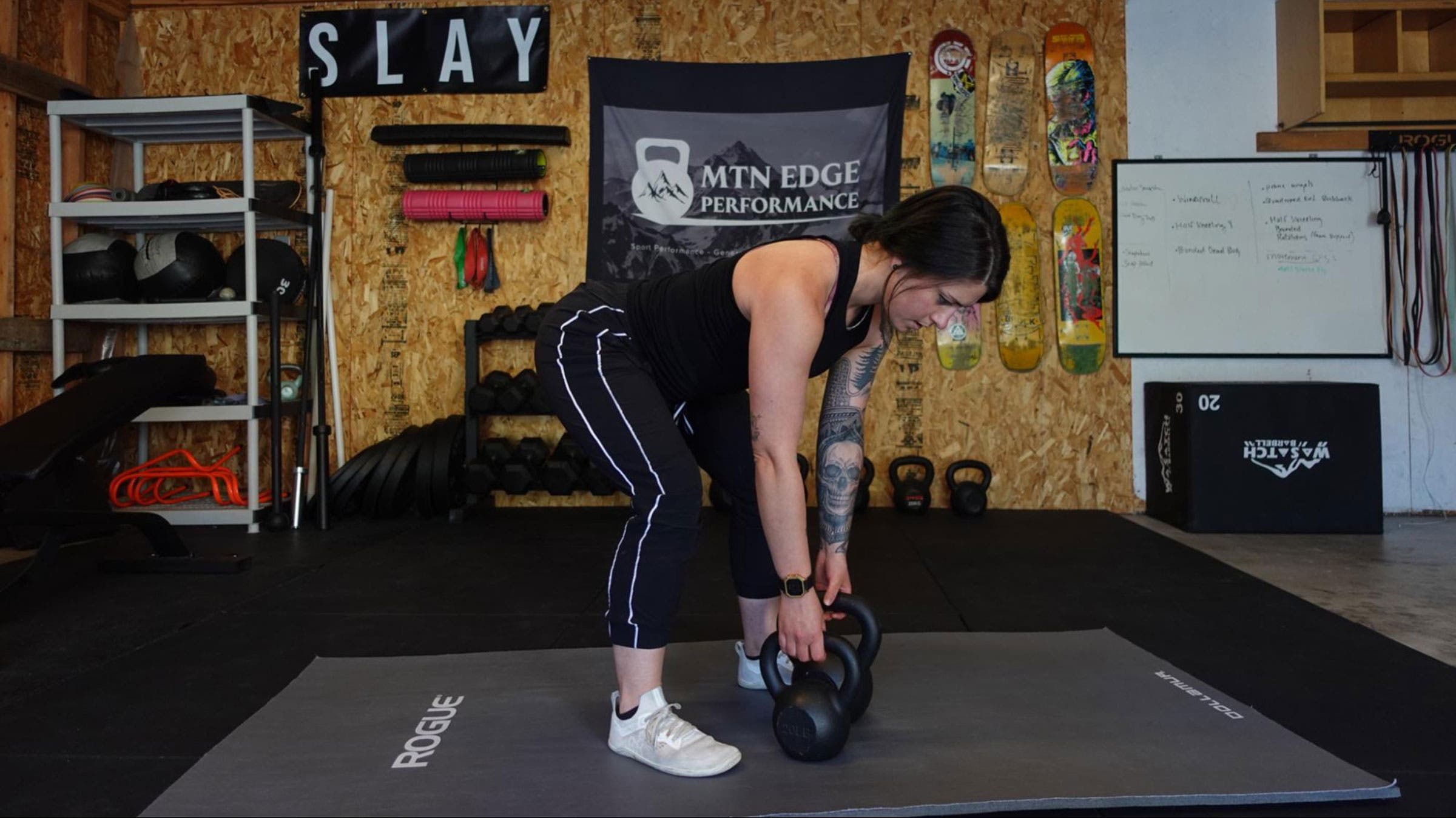
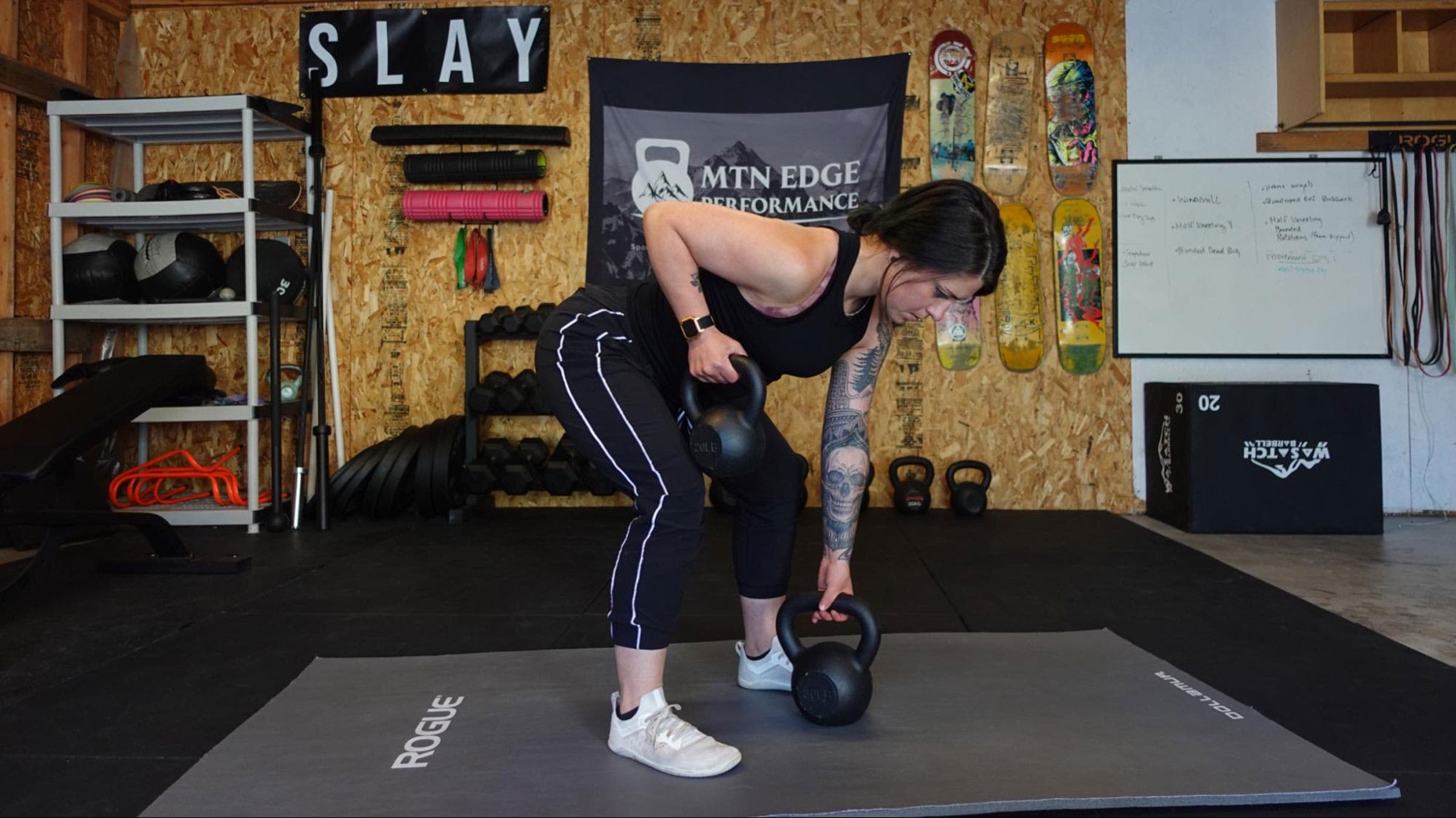
Positioning two kettlebells on the floor, hinge deeply at the hips with a wide stance, keeping the spine flat and neutral. Grip the handles of the kettlebells, bracing the core tightly. Row one kettlebell toward the ribcage while keeping the elbow tucked close to the body, then lower it with control before switching sides. Advanced athletes may choose to alternate arms or row both kettlebells simultaneously. Performing 8 to 12 reps per side builds exceptional posterior chain endurance, protecting the lumbar spine from fatigue-induced failure.
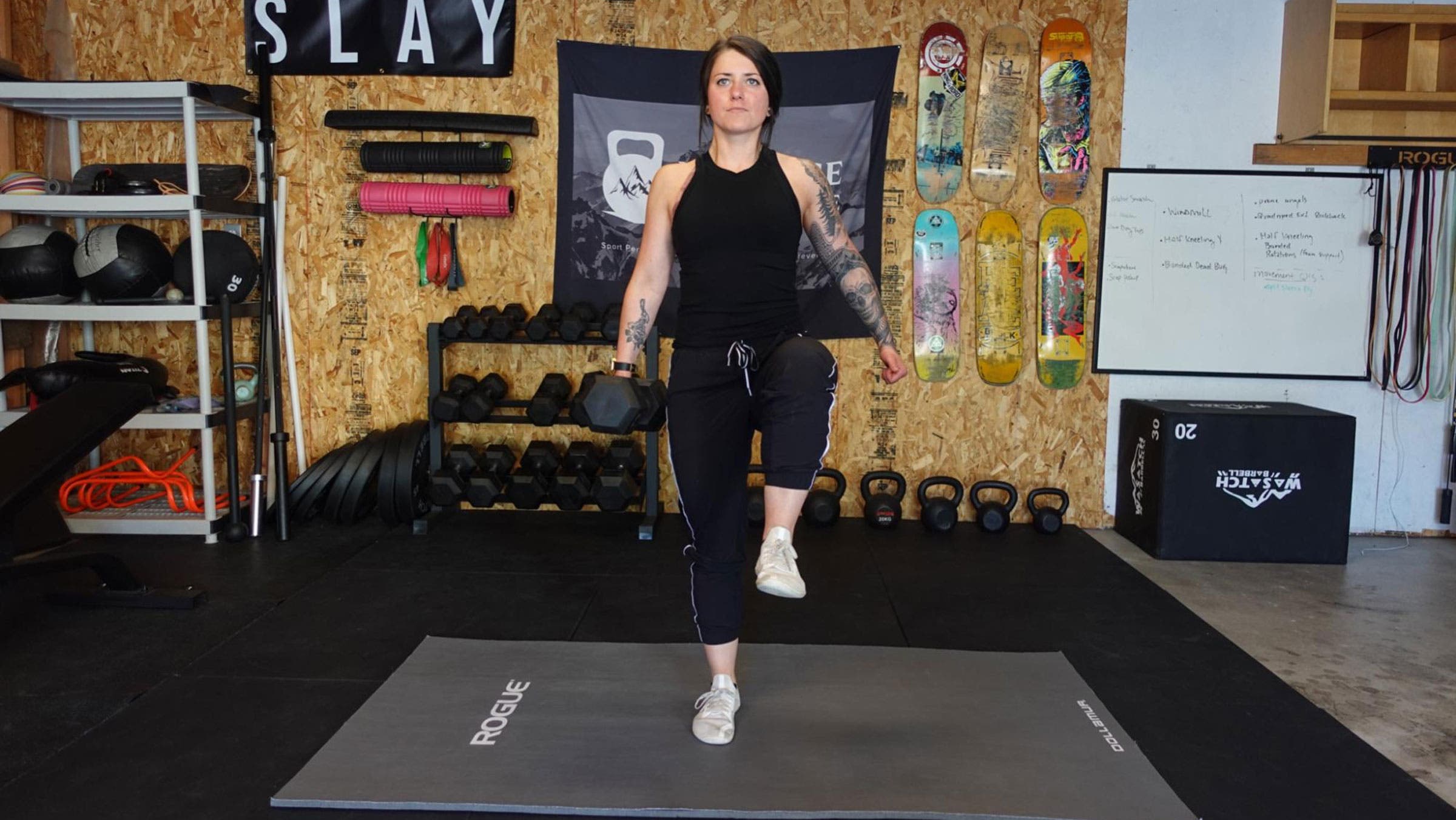
- Suitcase Marches for Anti-Lateral Flexion Core Stability
Carving high-speed turns generates tremendous rotational and lateral forces that threaten to compromise spinal alignment. The suitcase march isolates the deep stabilizer muscles of the core, training them to resist unwanted lateral flexion (bending sideways under a load).
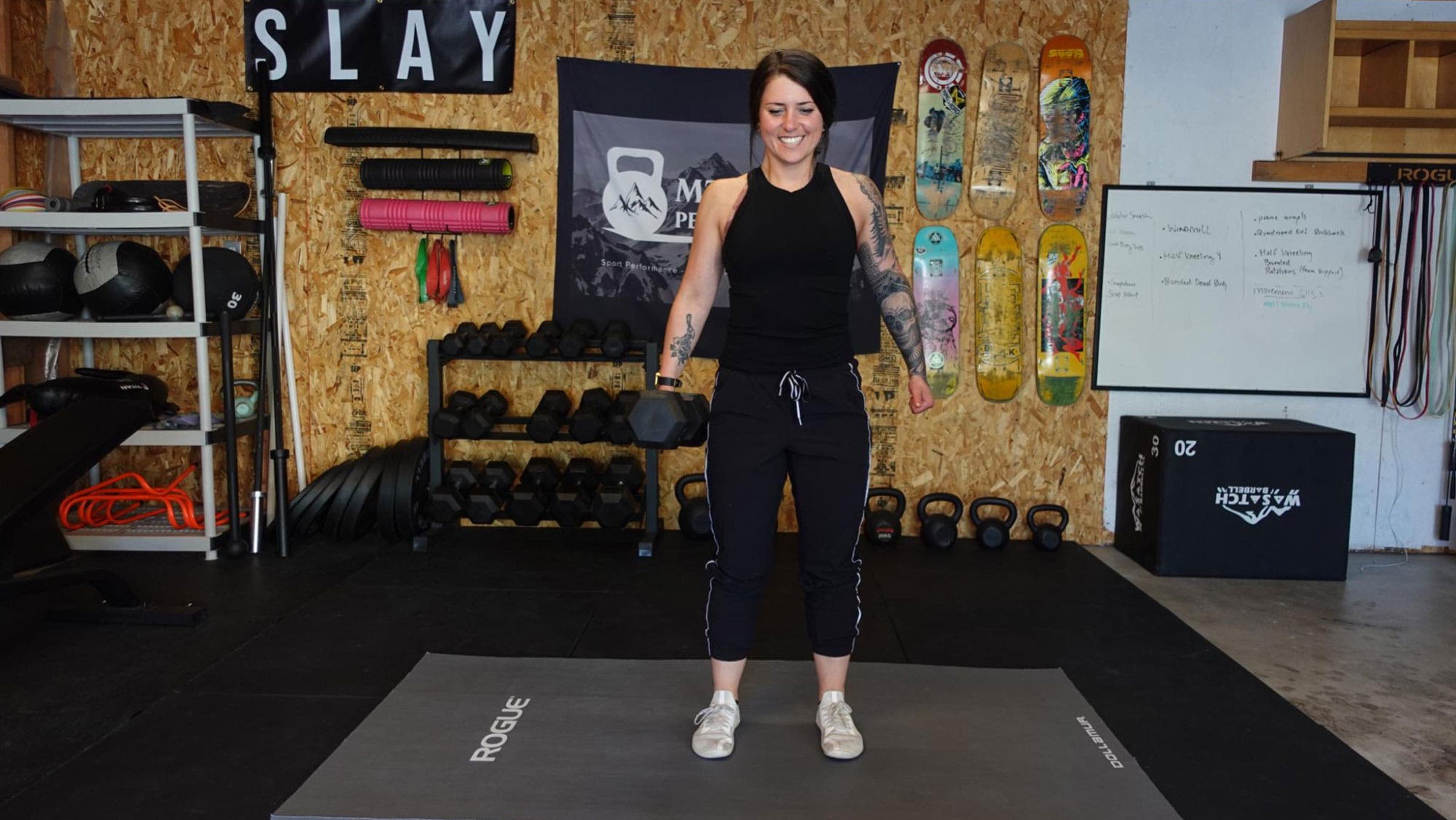
Holding a single medium-to-heavy dumbbell or kettlebell in one hand—as if carrying a heavy suitcase—stand tall with shoulders level and the core braced. Begin marching slowly in place, lifting each knee to hip height while strictly preventing the torso from leaning toward or away from the weighted side. This anti-lateral flexion stimulus ensures that skiers can absorb sudden terrain transitions without experiencing debilitating lower back spasms. Recommended volume includes two to four sets of 30 to 60 seconds per side.
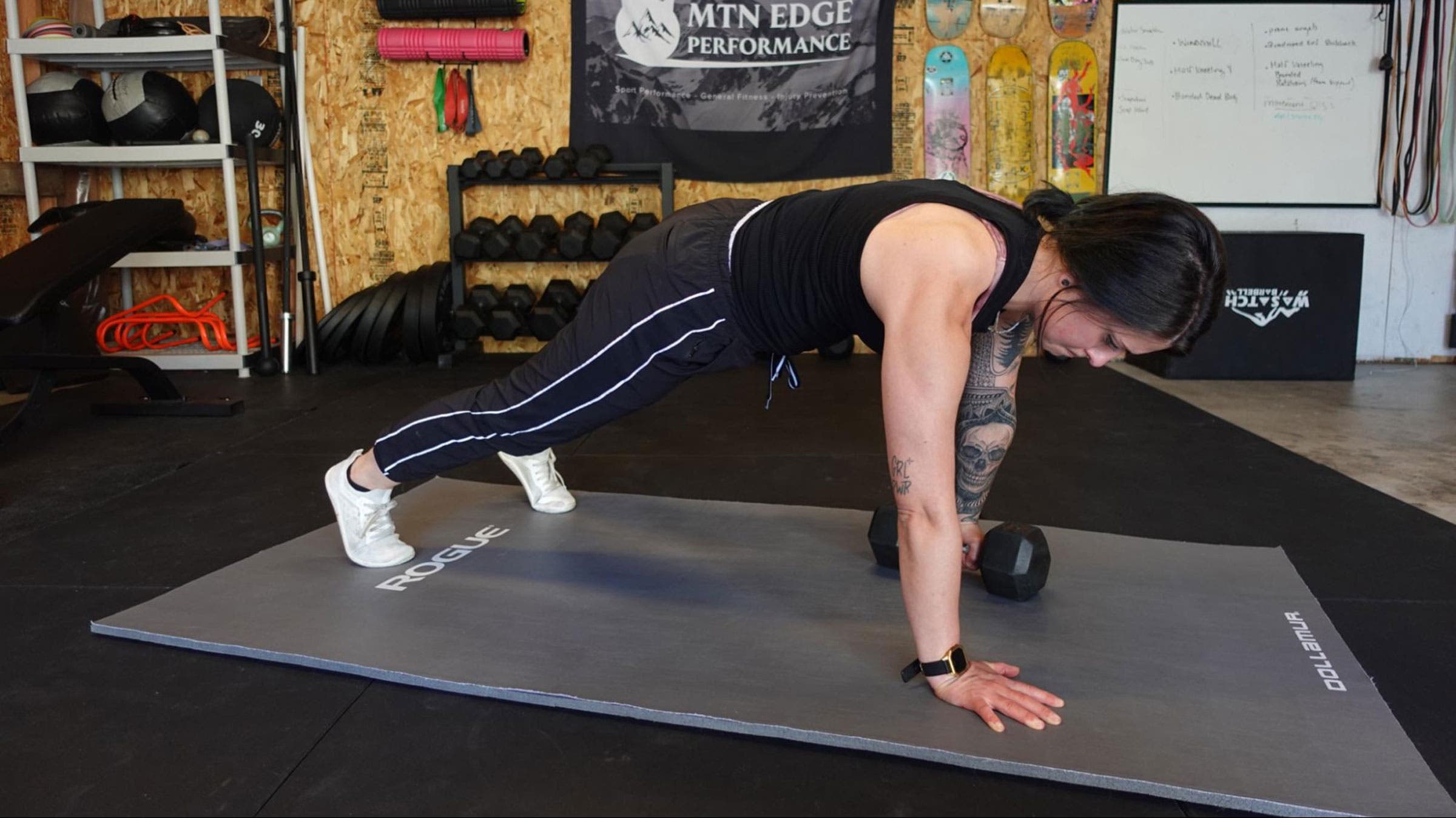
- Plank Pull-Throughs for Dynamic Abdominal Control
Maintaining an athletic, forward-leaning stance throughout a long descent requires extraordinary abdominal endurance. The plank pull-through elevates the standard plank by introducing a dynamic variable that challenges core stability against rotational disruption.
Assume a strong push-up or forearm plank position with a medium or heavy dumbbell placed just outside one arm. While keeping the hips square to the floor and the glutes squeezed, reach underneath the body with the opposite hand, grab the dumbbell handle, and drag it horizontally across to the opposite side of the body. Alternate pulling arms for a continuous set lasting 30 to 50 seconds across two to four sets. This exercise trains the transverse abdominis to brace dynamically against external perturbations, mirroring the abdominal stabilization required when adjusting to rapidly changing snow conditions.
Expert Analysis and Broader Implications
Sports medicine clinicians and physical therapists emphasize that proactive physical conditioning yields significant economic and health-related benefits. Acute ski injuries—particularly anterior cruciate ligament (ACL) tears, meniscus damage, and severe shoulder traumas—frequently result in extensive surgical interventions, prolonged rehabilitation periods, and substantial financial costs.
By committing to structured, science-backed off-season training regimens incorporating assessments like the side plank test, athletes can alter their neuromuscular firing patterns, improve joint kinematics, and drastically reduce their susceptibility to trauma. Furthermore, strong stabilization skills directly enhance athletic confidence, enabling skiers to push their technical boundaries safely.
Ultimately, the transition from couch to ski slope should not be viewed as an abrupt seasonal awakening, but rather as the continuation of an ongoing athletic lifecycle. By prioritizing year-round fitness, winter enthusiasts ensure that their time on the mountain remains defined by exhilaration, progression, and longevity rather than injury and rehabilitation.

